


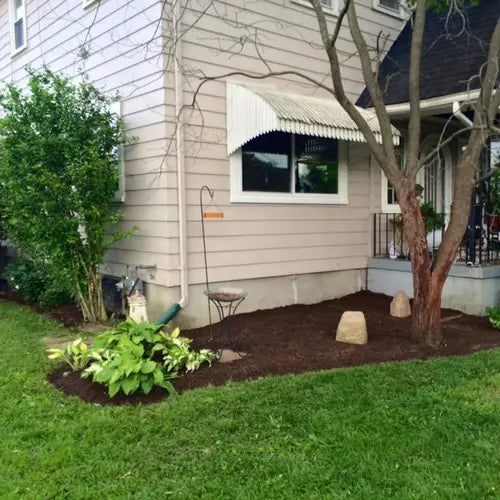

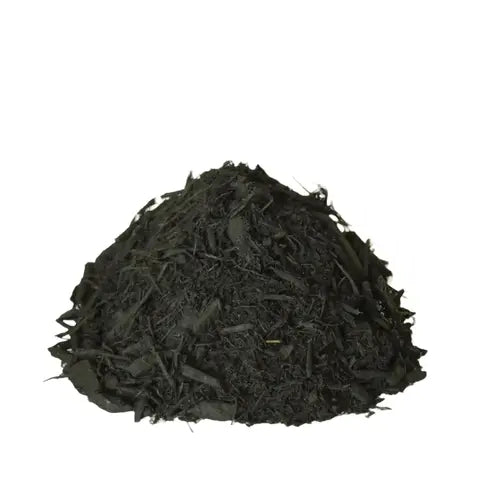
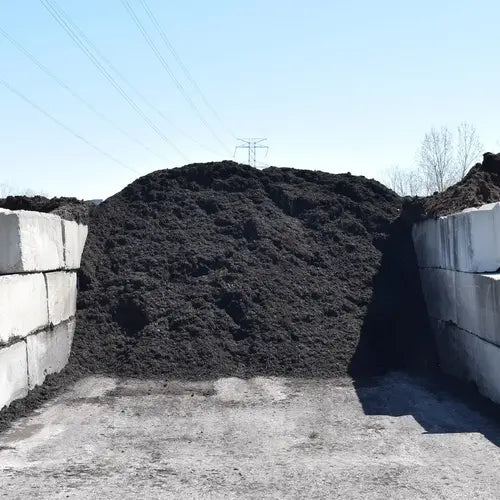
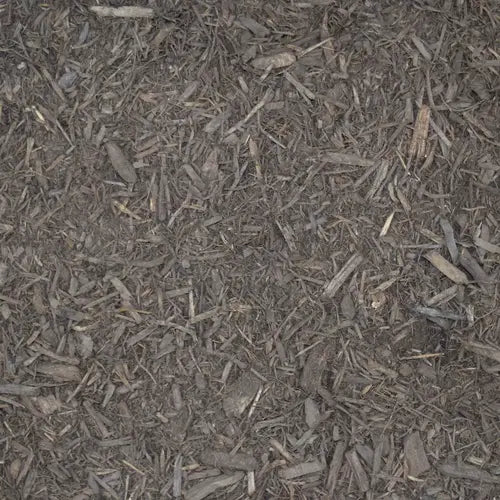
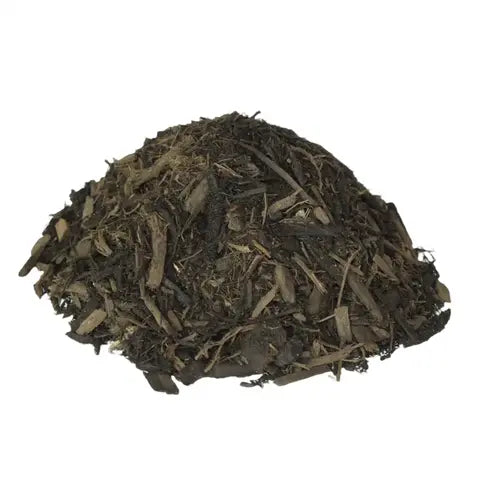
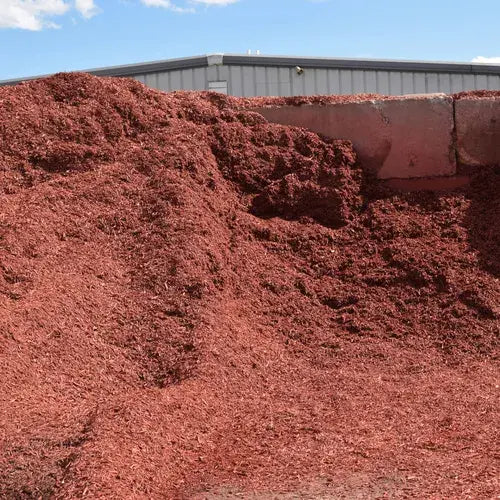
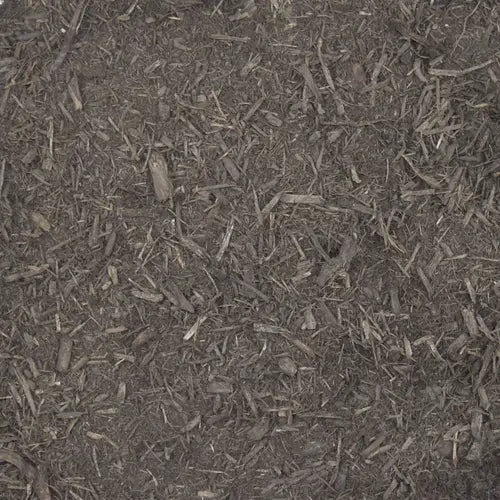
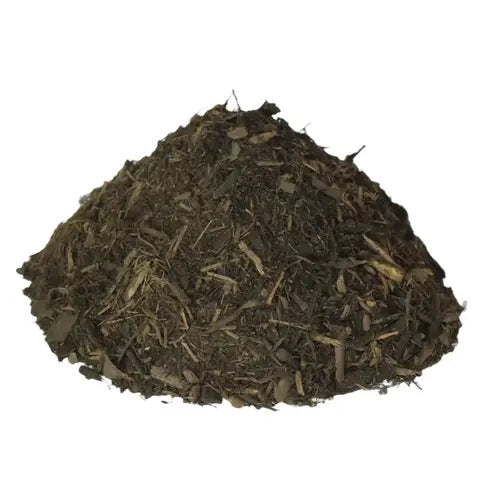
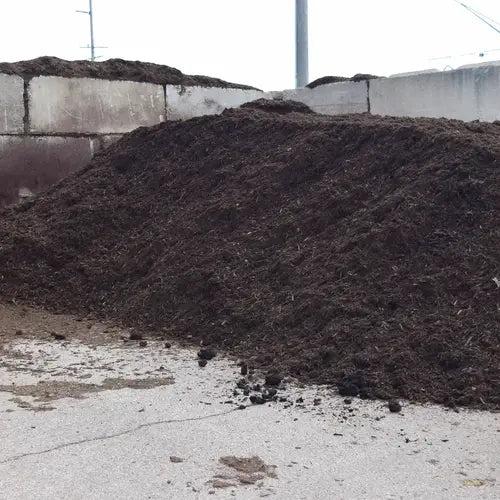
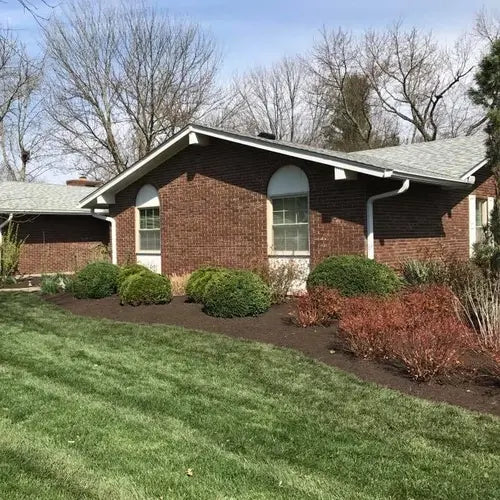


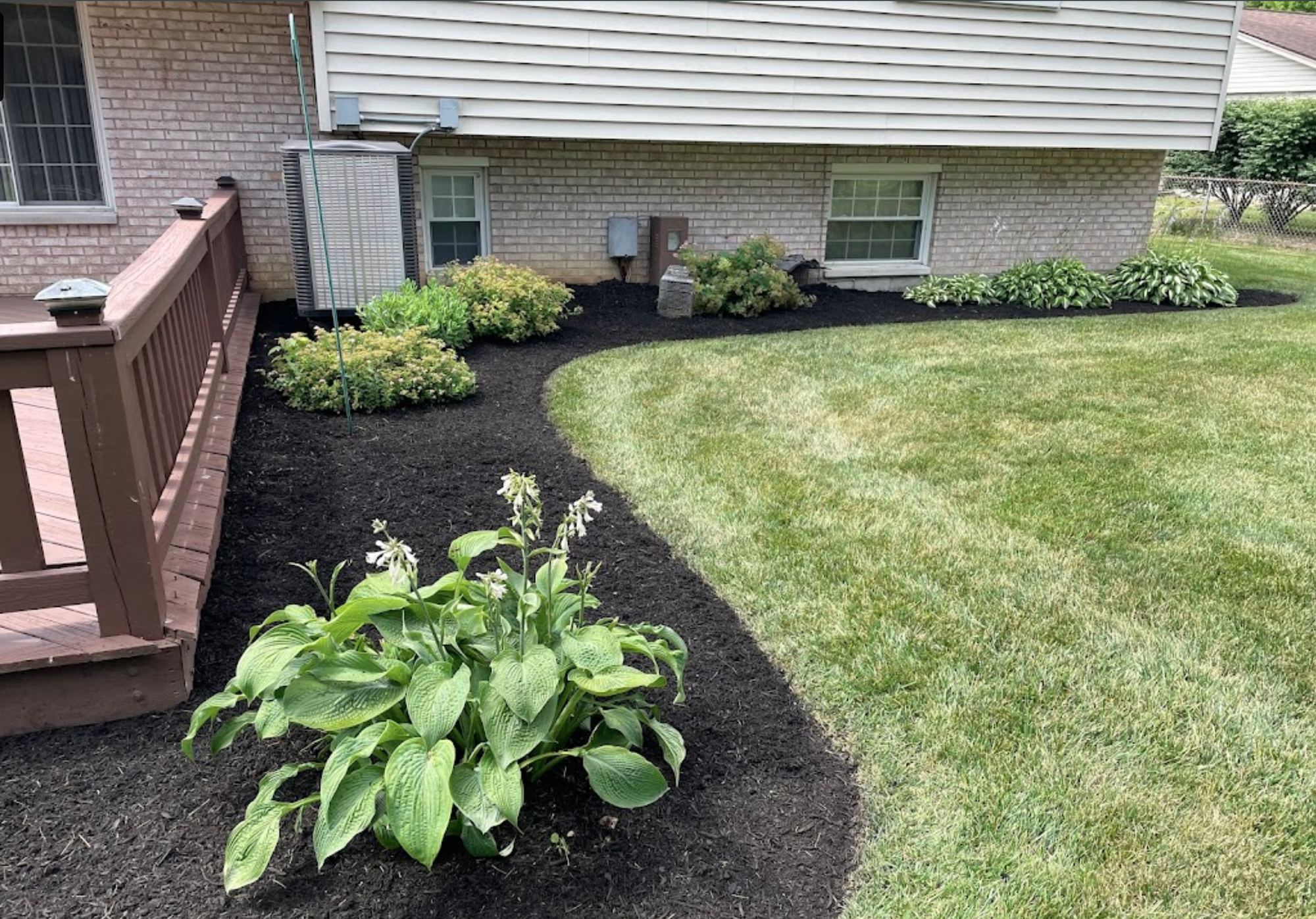
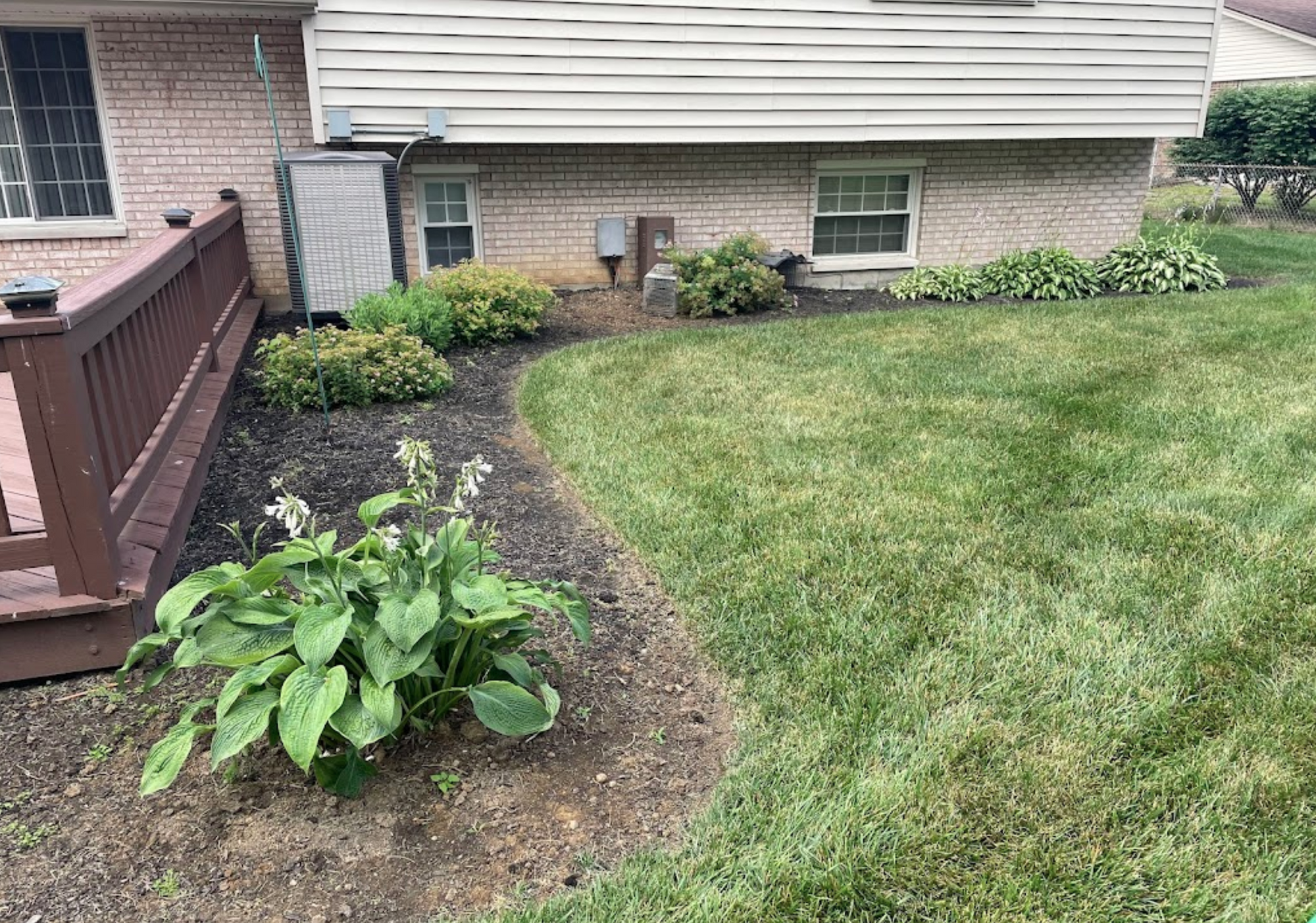
Our delivery was delayed but the new brown color mulch is a nice upgrade to our landscaping.
About this mulch
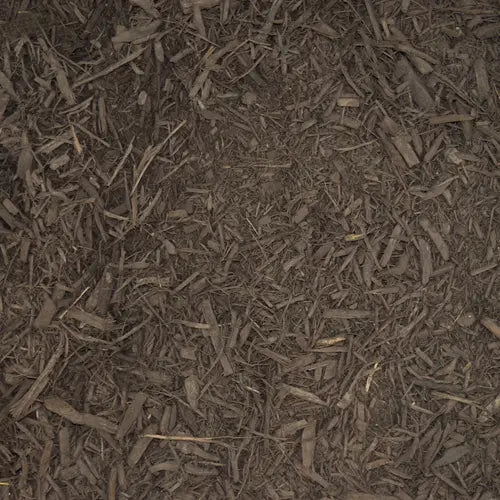
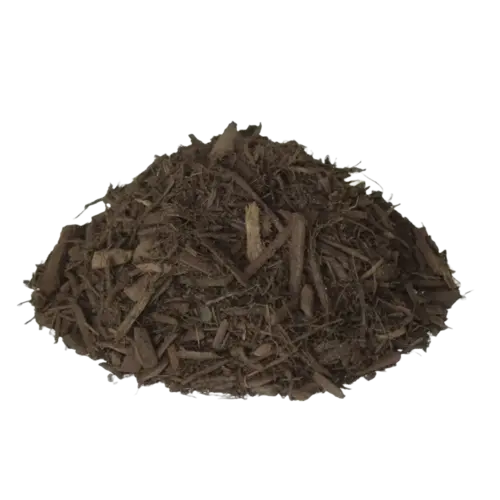
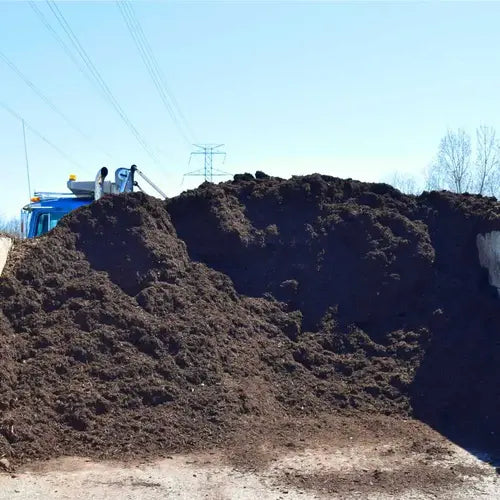
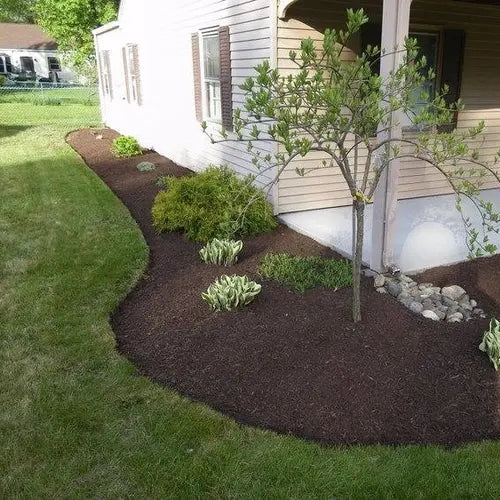
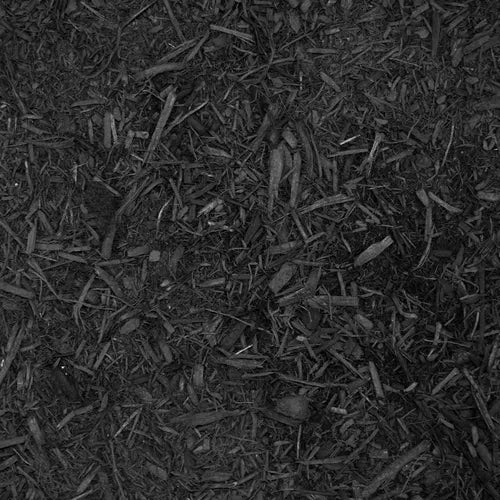
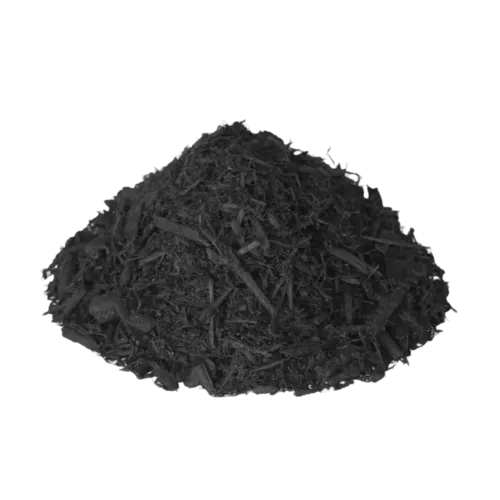
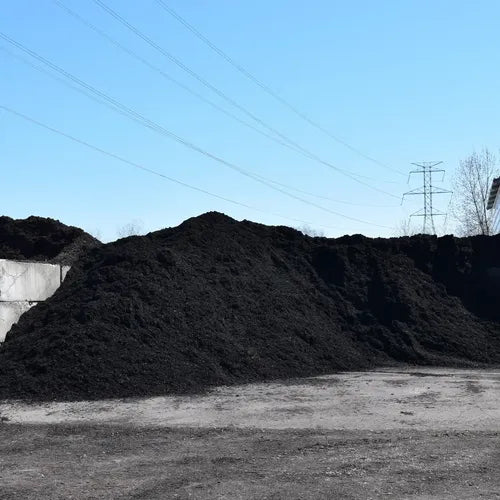
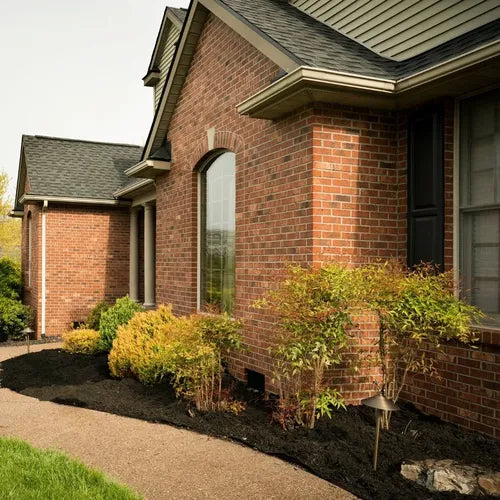
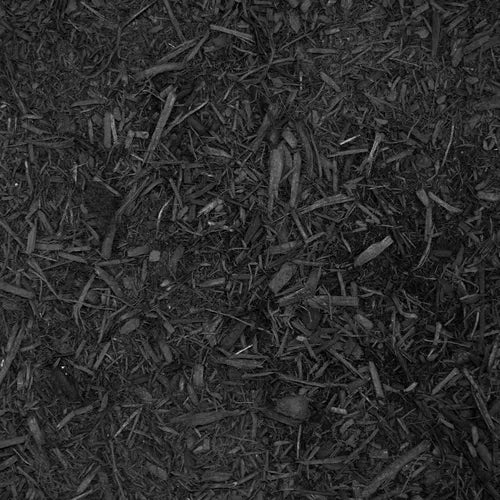
Warm brown double shredded mulch with lasting color that looks freshly applied for weeks. Spreads smooth, stays put, and gives beds a natural, polished appearance.
Our delivery was delayed but the new brown color mulch is a nice upgrade to our landscaping.
Tell us what you're looking for
Thanks! We received your request.
Something went wrong. Please try again.
How Much Material Do I Need?
How Much Material Do I Need?
A 3-inch depth is recommended for most Terryville plant beds to adequately insulate sandy loam soil and suppress weeds through the long zone 7a growing season. For pathways or high-foot-traffic areas, 2 inches of a coarser mulch type is generally sufficient.
Use our free mulch calculator
What is a yard?
What is a yard?
FAQs
FAQs
Terryville Mulch Delivery
Terryville Mulch Delivery
Regular price
$64.00
per
yard
Regular price
Sale price
$64.00
Unit price
per
Shipping calculated at checkout.
Minimum of 3 yard
Couldn't load pickup availability
Hand-picked local yards
4,000+ regional deliveries
Dedicated support
Why order through Mulch Mound
The best local mulch, without the guesswork.
We hand-pick and partner with the best yards in your region, keep only the ones our buyers rate well, and back each load with our guarantee.
Mulch Mound Guarantee
If your mulch isn't the quantity or quality you ordered, we'll make it right.
About this mulch
Warm brown double shredded mulch with lasting color that looks freshly applied for weeks. Spreads smooth, stays put, and gives beds a natural, polished appearance.
Our delivery was delayed but the new brown color mulch is a nice upgrade to our landscaping.
How Much Material Do I Need?
How Much Material Do I Need?
A 3-inch depth is recommended for most Terryville plant beds to adequately insulate sandy loam soil and suppress weeds through the long zone 7a growing season. For pathways or high-foot-traffic areas, 2 inches of a coarser mulch type is generally sufficient.
Use our free mulch calculator
What is a yard?
What is a yard?
FAQs
FAQs
Tell us what you're looking for
Thanks! We received your request.
Something went wrong. Please try again.
How It Works
Getting started is easy — just follow these simple steps
1
Choose your Mulch
Make sure you adjust the quantity to your home's needs. You can use our calculator to estimate how much you'll need.
2
Select your delivery date
Select a delivery date you'd like for the product to be dropped off at your home
3
Sit back and wait
Sit back, wait, and let us work our magic to make sure the highest quality product is delivered to your driveway.

Mulch Mound made it so easy! So happy with the pricing, turn around time, delivery and product. I submitted my online order on a Thursday. The mu...
Read full review
Mulch Mound made it so easy! So happy with the pricing, turn around time, delivery and product. I submitted my online order on a Thursday. The mulch was delivered to the designated location by a local landscape company at 8:30 a.m. the following Saturday morning. We had the job completed by that afternoon. We chose the natural brown mulch, and the plant beds are beautiful.

Good quality, great price, fast delivery. All online - no submitting forms and waiting for days for quotes.
Getting mulch should be this easy fr...
Read full review
Good quality, great price, fast delivery. All online - no submitting forms and waiting for days for quotes.
Getting mulch should be this easy from everyone. Only Mulch Mound is ACTUALLY this simple.
Calculate mulch for your Terryville project
For Terryville's Sandy Loam type of soil, we recommend 2-3 inches for best weed suppression and moisture retention
Try Our CalculatorMeasure the length and width of each bed in feet and multiply to get square footage, then use our calculator to find the cubic yards needed for a 3-inch depth. Terryville's sandy loam beds often have irregular shapes around trees and foundation plantings, so measuring each zone separately gives you the most accurate total. Adding 10 percent to your final estimate accounts for settling and the uneven spots that are common in loose native soil.

Best Mulch Choice for Terryville Lawns
Most yards in the Terryville area sit on Sandy Loam type of soil. Sandy loam soil in Terryville has a naturally loose, open texture that drains quickly and struggles to retain the nutrients that plant roots depend on through the long growing season. Without a protective mulch layer, those nutrients leach down through the soil profile with every rain event, leaving beds noticeably depleted by midsummer.
Hardwood Mulch
Hardwood mulch breaks down into fine organic particles that work into the upper layer of sandy loam soil over time, gradually improving its ability to hold moisture and nutrients between rain events. In Terryville's climate, this slow enrichment process means each year of hardwood mulch application leaves your beds in measurably better condition than the year before.
Mulch Types We Deliver in Terryville
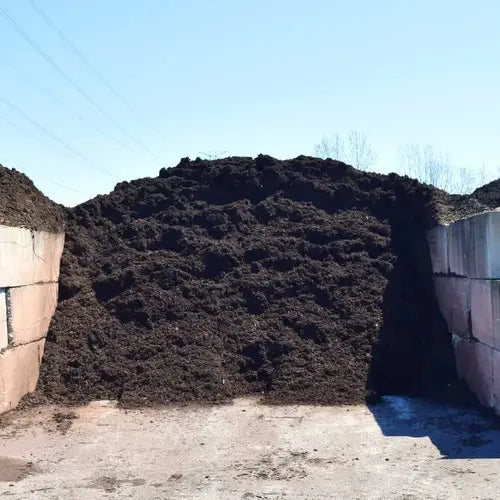
Mulch Mound offers bulk mulch delivery in Terryville by the cubic yard, bringing fresh material straight to your driveway or project site. Whether you are refreshing existing beds or starting from scratch, ordering in bulk saves time and gives you the right amount for any size yard.
Dyed Black Mulch
Bold and modern, dyed black mulch creates striking contrast against green plantings and stone borders. Available in double shredded or triple shredded, it holds its deep color through New York springs and spreads cleanly in any size bed.
Dyed Brown Mulch
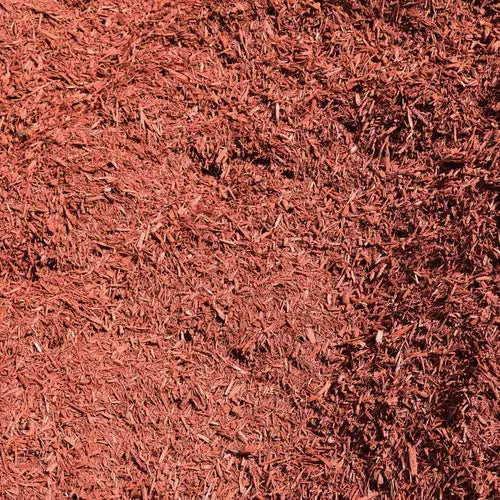
Warm and versatile, dyed brown mulch pairs naturally with the mixed plantings and wooded settings common in this part of New York. Choose from double shredded or triple shredded to match the texture and coverage your project calls for.
Natural Brown Mulch
For a completely undyed option, natural brown mulch delivers a warm earthy tone straight from the wood itself. The double shredded or triple shredded texture works well in both detail beds and larger landscape areas around Terryville homes.
Cedar Mulch
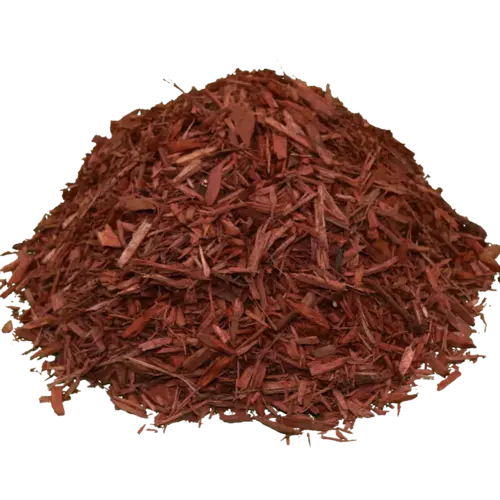
Aromatic and durable, cedar mulch provides natural insect deterrent properties along with a pleasant fragrance. The double shredded texture decomposes slowly, making it a smart pick for perennial beds and foundation plantings that stay protected through cold New York winters.
Complete Your Outdoor Mulch Project
Pair your mulch order with a bulk topsoil delivery to refresh nutrient levels in your sandy loam beds before mulching, or add a decorative stone border to frame your beds and keep mulch from migrating during Terryville's heavier rainfall events. Both products are available for delivery alongside your mulch order.

Service area
Areas we deliver mulch in Terryville, New York
Mulch Mound Pro Tip
Pull mulch back a few inches from the base of shrubs and tree trunks every time you apply a fresh layer. Terryville's humid zone 7a summers create conditions where mulch piled against woody stems traps moisture and encourages fungal rot at the crown. Keeping a clear ring around the base of each plant costs nothing and significantly extends the health and lifespan of your landscape investment across the long growing season.
Mulch Mound Pro Tip
Apply your fall mulch layer in late October, just before Terryville's average first frost around the 27th. This timing locks in soil warmth from the growing season and gives perennial roots a buffer against the temperature swings that zone 7a experiences in early winter. Waiting until after a hard freeze reduces the insulating benefit because the soil has already lost much of its stored heat and the mulch has less warmth to hold in.
Mulch Mound Pro Tip
Terryville's 46 inches of annual rainfall is enough to compact and erode sandy loam beds over time, especially on sloped areas or along foundation borders where water gains speed before it hits your planting zones. A well-applied mulch layer absorbs rainfall impact before it strikes the soil surface, reducing crusting and keeping beds from washing out during heavy storms. Refreshing thin spots each spring before the rainy season peaks is one of the simplest ways to protect your soil structure and keep your beds looking sharp all season.
The Unique Landscape of Terryville
Terryville's native sandy loam soil drains quickly, which means plant beds can dry out faster than homeowners expect, especially during the stretches between the area's 46 inches of annual rainfall. Mulch acts as a buffer layer that slows moisture loss, keeping root zones consistently hydrated without constant watering. Terryville's zone 7a growing season runs from early April through late October, giving plants a long window where soil temperature regulation really matters. Applying mulch in spring after the last frost around April 7 helps warm soil stay warm, while a fresh fall layer before the October 27 first frost insulates roots heading into winter. The area's modest 154-foot elevation means wind exposure is a real factor in open beds, and a firm mulch layer helps anchor soil particles against drying breezes. Without a consistent mulch layer, Terryville's sandy loam loses organic matter quickly and compacts under heavy rainfall, making weed pressure significantly worse over time.