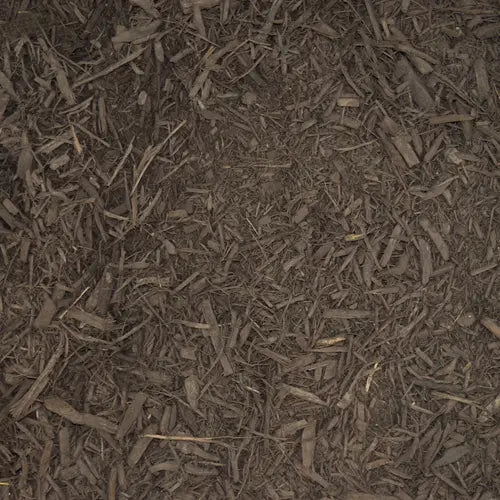
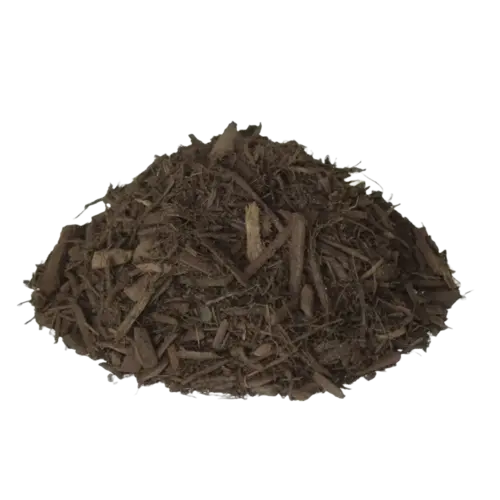
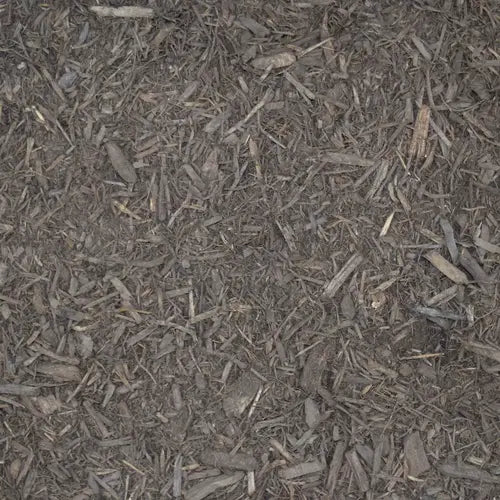
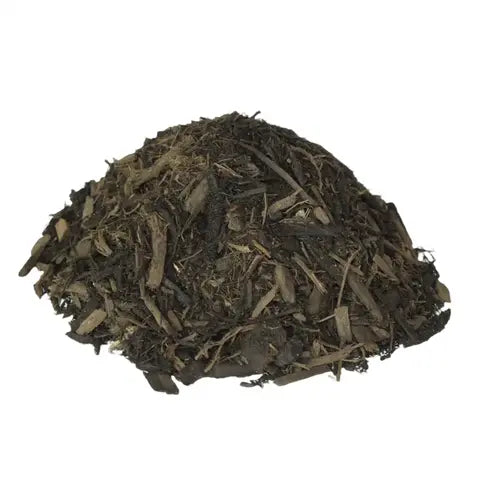
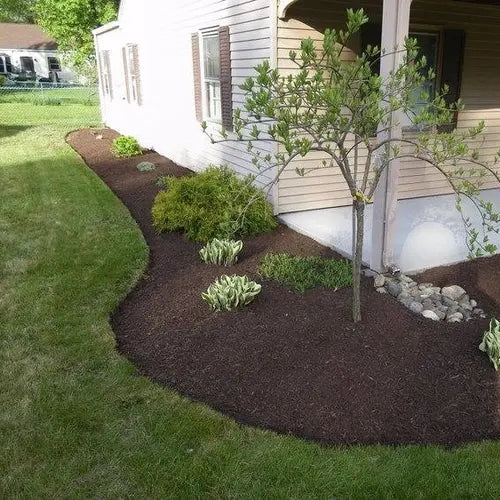
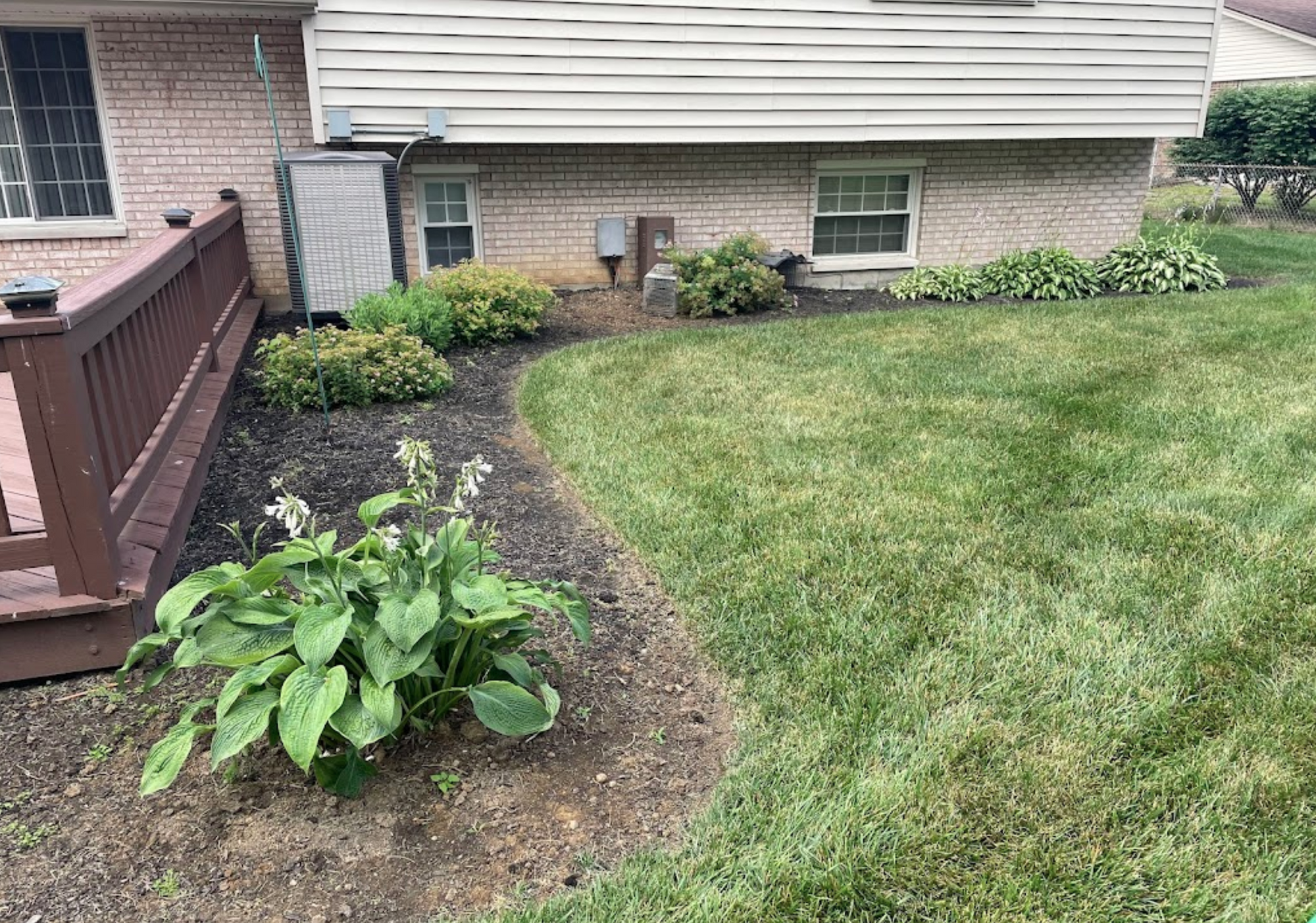
Warm brown double shredded mulch with lasting color that looks freshly applied for weeks. Spreads smooth, stays put, and gives beds a natural, polished appearance.
Mulch Mound made it so easy! So happy with the pricing, turn around time, delivery and product. I submitted my online order on a Thursday. The mulch was delivered to the designated location by a local landscape company at 8:30 a.m. the following Saturday morning. We had the...
Tell us what you're looking for
Thanks! We received your request.
Something went wrong. Please try again.
How Much Material Do I Need?
For The Villages's sandy soil, apply mulch at a consistent 3-inch depth across all planting beds, as anything shallower will dry out too quickly in the Zone 9b heat. Ornamental beds near structures can go up to 4 inches deep for maximum moisture protection during the peak summer months.
Use our free mulch calculator
What is a yard?
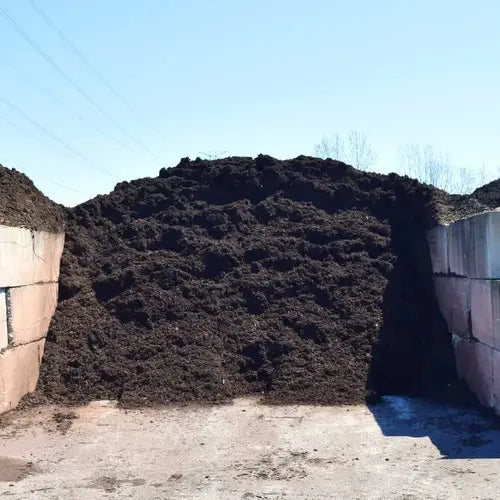
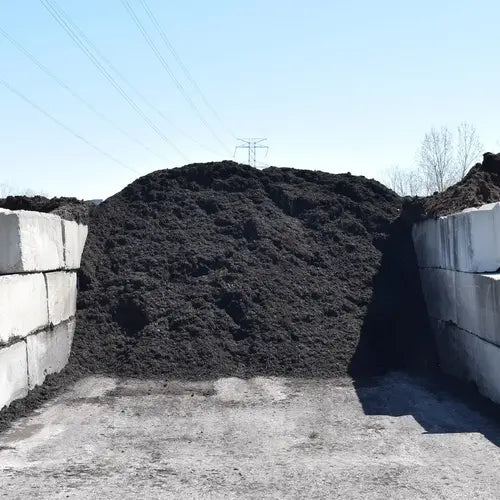
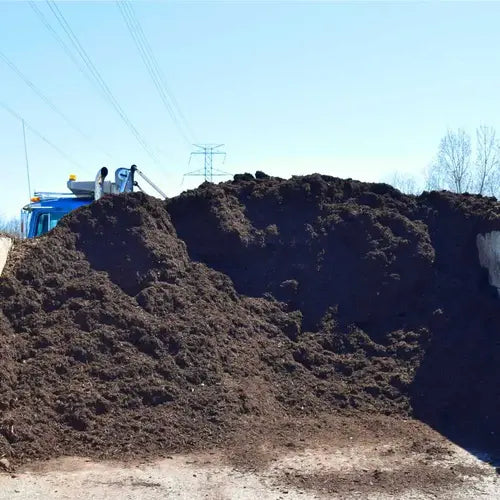
A yard is approximately 27 cubic feet. As a general guideline, one yard of material can cover an area of about 100-160 square feet at a 2-3 inch depth.
We can't take orders for this right now. Tell us what you need and we'll get back to you.
What do you need?
Thanks! We received your request.
Something went wrong. Please try again.
Hand-picked local yards
4,000+ regional deliveries
Dedicated support
Why order through Mulch Mound
The best local mulch, without the guesswork.
We hand-pick and partner with the best yards in your region, keep only the ones our buyers rate well, and back each load with our guarantee.
Mulch Mound Guarantee
If your mulch isn't the quantity or quality you ordered, we'll make it right.
About this mulch
Warm brown double shredded mulch with lasting color that looks freshly applied for weeks. Spreads smooth, stays put, and gives beds a natural, polished appearance.
Mulch Mound made it so easy! So happy with the pricing, turn around time, delivery and product. I submitted my online order on a Thursday. The mulch was delivered to the designated location by a local landscape company at 8:30 a.m. the following Saturday morning. We had the...
How Much Material Do I Need?
For The Villages's sandy soil, apply mulch at a consistent 3-inch depth across all planting beds, as anything shallower will dry out too quickly in the Zone 9b heat. Ornamental beds near structures can go up to 4 inches deep for maximum moisture protection during the peak summer months.
Use our free mulch calculator
What is a yard?
A yard is approximately 27 cubic feet. As a general guideline, one yard of material can cover an area of about 100-160 square feet at a 2-3 inch depth.
Mulch Mound made it so easy! So happy with the pricing, turn around time, delivery and product. I submitted my online order on a Thursday. The mu...
Read full review
Mulch Mound made it so easy! So happy with the pricing, turn around time, delivery and product. I submitted my online order on a Thursday. The mulch was delivered to the designated location by a local landscape company at 8:30 a.m. the following Saturday morning. We had the job completed by that afternoon. We chose the natural brown mulch, and the plant beds are beautiful.
Good quality, great price, fast delivery. All online - no submitting forms and waiting for days for quotes. Getting mulch should be this easy fr...
Read full review
Good quality, great price, fast delivery. All online - no submitting forms and waiting for days for quotes. Getting mulch should be this easy from everyone. Only Mulch Mound is ACTUALLY this simple.
I highly recommend Mulch Mound. The quality of the mulch is very good. The ordering system on their website makes it very easy. The delivery driver...
Read full review
I highly recommend Mulch Mound. The quality of the mulch is very good. The ordering system on their website makes it very easy. The delivery driver did a great job placing the mulch on the driveway. To finish off, the pricing was very reasonable as well.
To estimate mulch needs for your beds in The Villages, measure the length and width of each bed in feet, multiply to get square footage, then divide by 100 to find how many cubic yards you need at a 3-inch depth. Because The Villages soil is so sandy and drains quickly, erring on the side of a slightly thicker application will give your plants better protection through the dry spells that often follow the summer rains. Adding up all your bed areas before ordering ensures you cover everything in one delivery.
Mulch vs. No Mulch: The Difference
In The Villages's Zone 9b climate, organic mulch breaks down faster than in cooler regions, which means the choice between natural and dyed products affects how soon you will need to refresh your beds. Natural hardwood mulch fades to a silvery gray over several months but contributes more organic matter to your nutrient-poor sandy soil as it decomposes. Dyed mulch holds its color considerably longer under the Florida sun, making it a popular choice for high-visibility areas where curb appeal is a priority throughout the year.
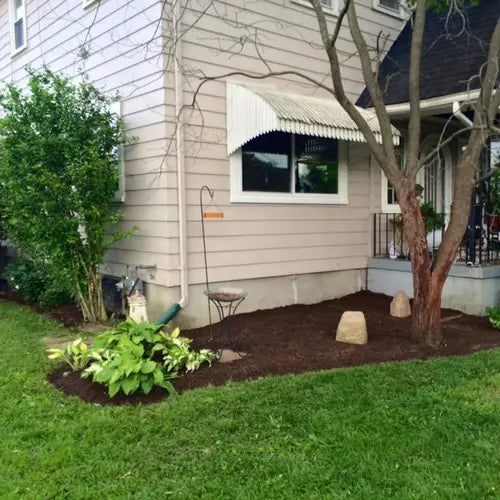
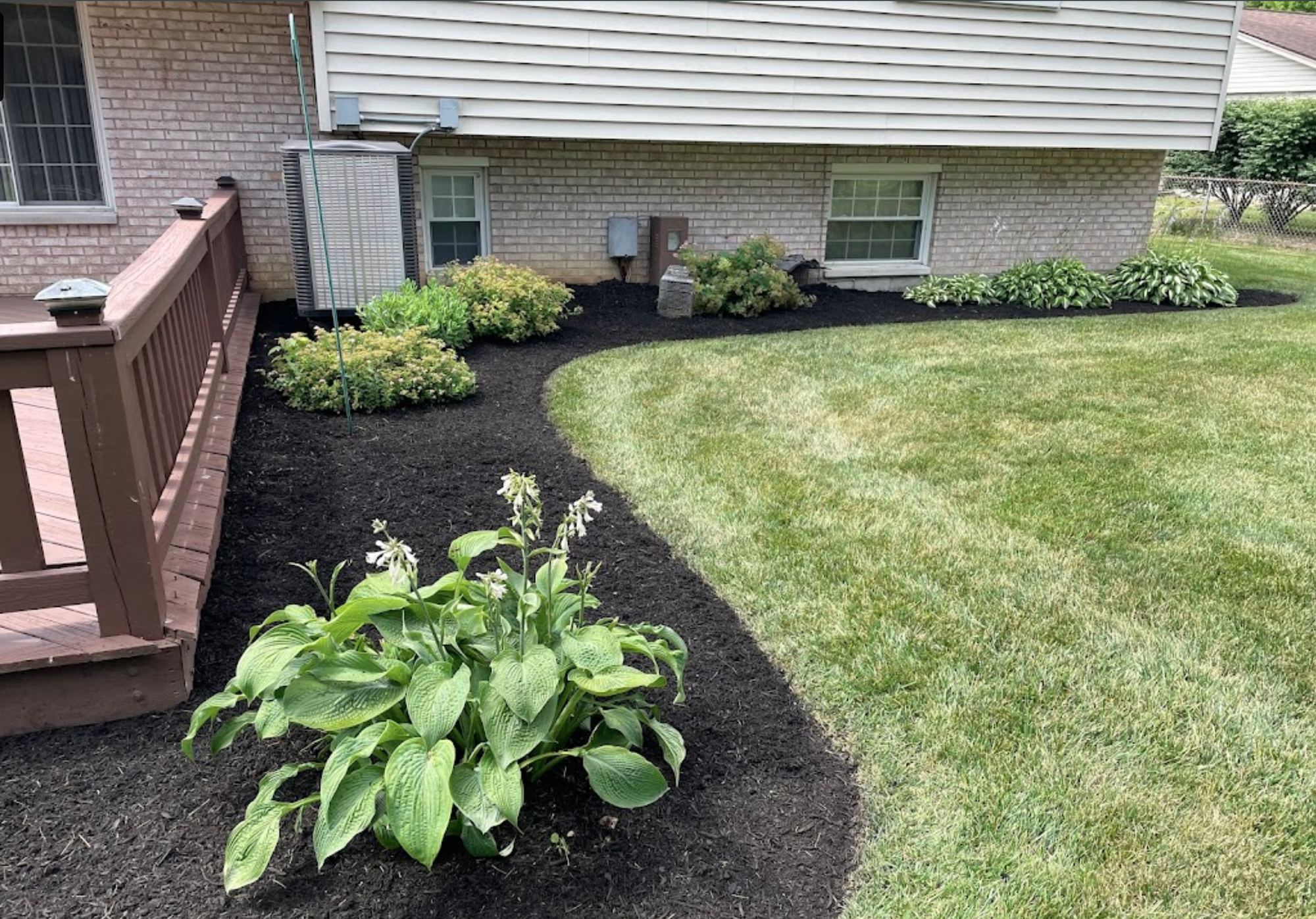
Before
After
Best Mulch Choice for The Villages Lawns
Most yards in the The Villages area sit on Sandy type of soil. The Villages's sandy soil holds almost no organic matter and loses moisture rapidly between rain events, making plant bed establishment challenging without amendment or a strong protective mulch layer. Without that layer, even well-watered beds can show drought stress within a day or two of the last rain.
Hardwood Mulch
Hardwood mulch breaks down into humus over time, and in The Villages's sandy soil this decomposition is especially valuable because it introduces organic matter that sand almost completely lacks, gradually improving water retention and nutrient availability in the root zone with each passing season.
Mulch Types We Deliver in The Villages
Mulch Mound delivers bulk mulch by the cubic yard straight to your door, making bulk mulch delivery in The Villages fast and simple for homeowners and landscapers alike. Florida's sandy soil and year-round sun mean a good mulch layer is essential for holding moisture and keeping beds looking their best.
Dyed Black Mulch
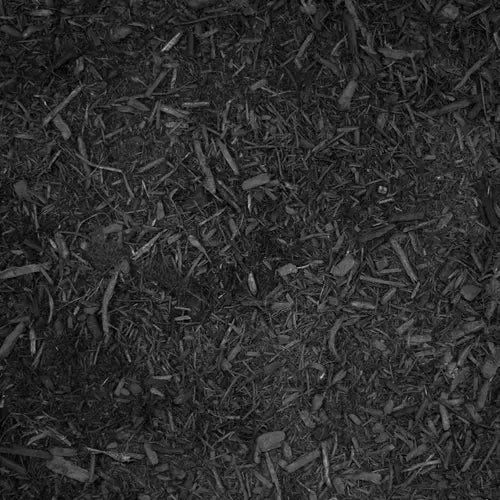
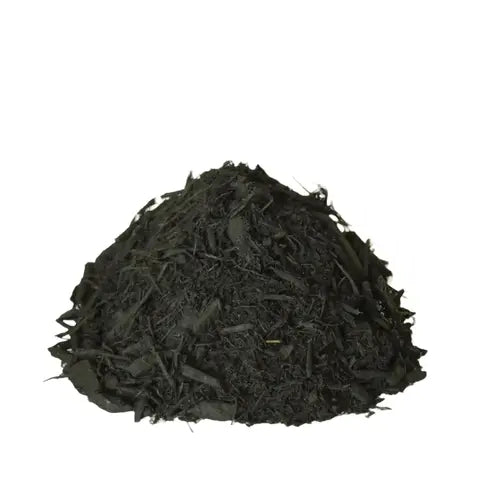
Bold black double shredded mulch that creates a striking contrast against bright tropical plantings and light-colored edging common in central Florida landscapes. The rich color holds through heavy afternoon rains and intense summer sun, making it a favorite for homeowners who want beds that look freshly done all season.
Dyed Brown Mulch
Warm brown double shredded mulch with lasting color that blends naturally with the earthy tones found in central Florida landscaping. It stays fresh and vibrant for weeks under direct sun, and the smooth texture makes spreading around palms, shrubs, and flowering plants quick and effortless.
Natural Brown Mulch
Undyed double shredded mulch with a warm earthy tone straight from the wood itself. A solid choice for central Florida homeowners who prefer a clean organic look without colorants. The smooth texture spreads flat easily over sandy soil and breaks down gradually to feed the ground beneath over time.
Complete Your Outdoor Mulch Project
If your beds suffer from poor nutrient retention due to The Villages's sandy soil, consider pairing mulch with a quality garden soil or amendment to build up the planting layer before mulching. Adding decorative stone borders around your mulched beds creates clean edges that help contain the mulch during heavy summer rainstorms.
In The Villages, pull mulch back a few inches from the base of palms, crape myrtles, and other ornamentals before the wet season begins in June. The combination of Zone 9b heat and summer humidity creates ideal conditions for crown rot and fungal disease if mulch is piled directly against plant stems. A small gap around the base of each plant costs nothing and can prevent costly losses during the months when your landscape is under the most stress.
Mulch Mound Pro Tip
The Villages experiences a genuine frost window from roughly December 11 through February 15, which is easy to underestimate in such a warm climate. Before a predicted cold front, a fresh application of mulch over the root zones of cold-sensitive tropicals and perennials adds meaningful insulation. Even an inch or two of additional mulch depth can raise soil temperature by several degrees, which is often the difference between a plant recovering and one that does not make it through a cold snap.
Mulch Mound Pro Tip
With 52 inches of annual rainfall concentrated heavily in the summer months, mulch in The Villages does double duty as a stormwater manager. A properly mulched bed absorbs rainfall more slowly than bare sandy soil, reducing the sheet flow that carries away topsoil and fertilizer during heavy downpours. Keeping beds consistently mulched through the rainy season means less fertilizer lost to runoff, healthier plants, and fewer weeds germinating in the exposed sandy gaps that appear after a hard rain.
Frequently Asked Questions
Click a question to see the answer
Answer
How thick should I apply mulch in The Villages given how fast the sandy soil dries out?
In The Villages, a 3-inch layer is the minimum recommended depth because sandy soil loses surface moisture very quickly between rain events. During the hottest months from June through September, that depth helps maintain consistent soil moisture even when days pass without rain. Avoid going much deeper than 4 inches around the root crowns of shrubs and palms, as excess depth can trap moisture against stems and invite fungal issues in the humid climate.
Answer
Will mulch really help with weeds in my beds here in The Villages?
Yes, and it matters more here than in many other parts of the country. The Villages receives around 52 inches of rain per year, much of it concentrated in summer, which creates ideal germination conditions for weed seeds. A consistent 3-inch mulch layer blocks the sunlight those seeds need to sprout and physically prevents many of them from ever reaching the soil surface. Refreshing your mulch each spring before the rainy season is the most effective way to stay ahead of summer weed flushes.
Answer
Does mulch break down faster here than up north where I used to live?
It does, noticeably so. The Villages sits in USDA Zone 9b, where heat and humidity keep microbial activity running at high levels for most of the year. Organic mulch that might last two full seasons in a northern climate often needs refreshing after just one season here. That accelerated breakdown is actually a benefit for your sandy soil over time, because the decomposing material adds organic matter that helps retain nutrients and water in a soil type that naturally holds very little of either.
Answer
Is dyed mulch safe to use in my vegetable or herb garden beds?
Most reputable dyed mulches use carbon-based colorants that are considered safe, but if you are growing edibles it is generally better to use a natural undyed hardwood mulch. In The Villages's warm climate, mulch breaks down relatively quickly and the material will eventually be incorporated into your soil, so using a natural product around food plants is a sensible precaution. Save the colored mulch for ornamental beds, foundation borders, and pathway edges where appearance is the priority.
Answer
What is the best time of year to put down fresh mulch in The Villages?
Late February or early March is ideal timing in The Villages. By mid-February your last frost risk has passed and the summer rainy season has not yet begun, giving you a window to get mulch down before the heat and heavy rains arrive. Applying mulch at this time locks in early spring soil moisture, suppresses the first flush of warm-season weeds, and gives beds a clean look heading into the months when your landscape will be most active and visible.
Answer
My yard has a lot of oak trees. Does that affect which mulch I should choose?
The Villages and the surrounding area have many live oaks, and their leaf litter creates a slightly acidic surface layer on its own. If you have acid-loving plants like azaleas, camellias, or blueberries, this is actually an advantage, and a natural hardwood mulch will complement that environment well. For plants that prefer more neutral conditions, topping the natural leaf layer with fresh hardwood mulch helps buffer acidity while still feeding the sandy soil with organic material as it breaks down.
Answer
How do I keep mulch from washing out of my beds during heavy summer storms?
The Villages gets intense afternoon thunderstorms during the summer wet season that can move loose mulch quickly. Using a chunkier shredded hardwood mulch instead of a fine texture helps because the larger pieces interlock and resist displacement better. Installing a low border of stone or steel edging around bed perimeters is the most reliable solution, and it also helps define your beds visually. On slopes, a deeper initial application of 3 to 4 inches gives the mulch enough mass to stay in place during heavy downpours.
The Unique Landscape of The Villages
The Villages sits on sandy, nutrient-poor soil that drains water almost as fast as it falls from the sky. During the summer wet season, beds can swing from saturated to bone-dry within days, stressing roots and making consistent plant growth difficult. A proper layer of mulch acts as a buffer against these extremes, slowing evaporation during dry spells and reducing runoff during heavy downpours. The region's Zone 9b heat accelerates organic breakdown, meaning mulch in The Villages works harder and disappears faster than it would in cooler climates. Keeping beds covered year-round is essential for protecting shallow root systems from both the summer sun and the brief but real frost window between December 11 and February 15.