




Very happy with the ease of ordering. Delivery went exactly as planned. Garden soil looks great and couldn’t be happier.
About this soil
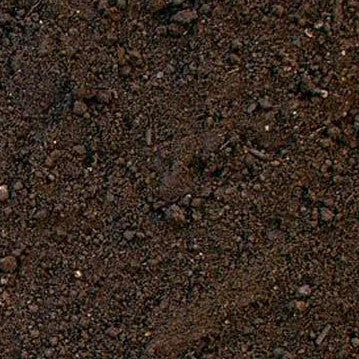
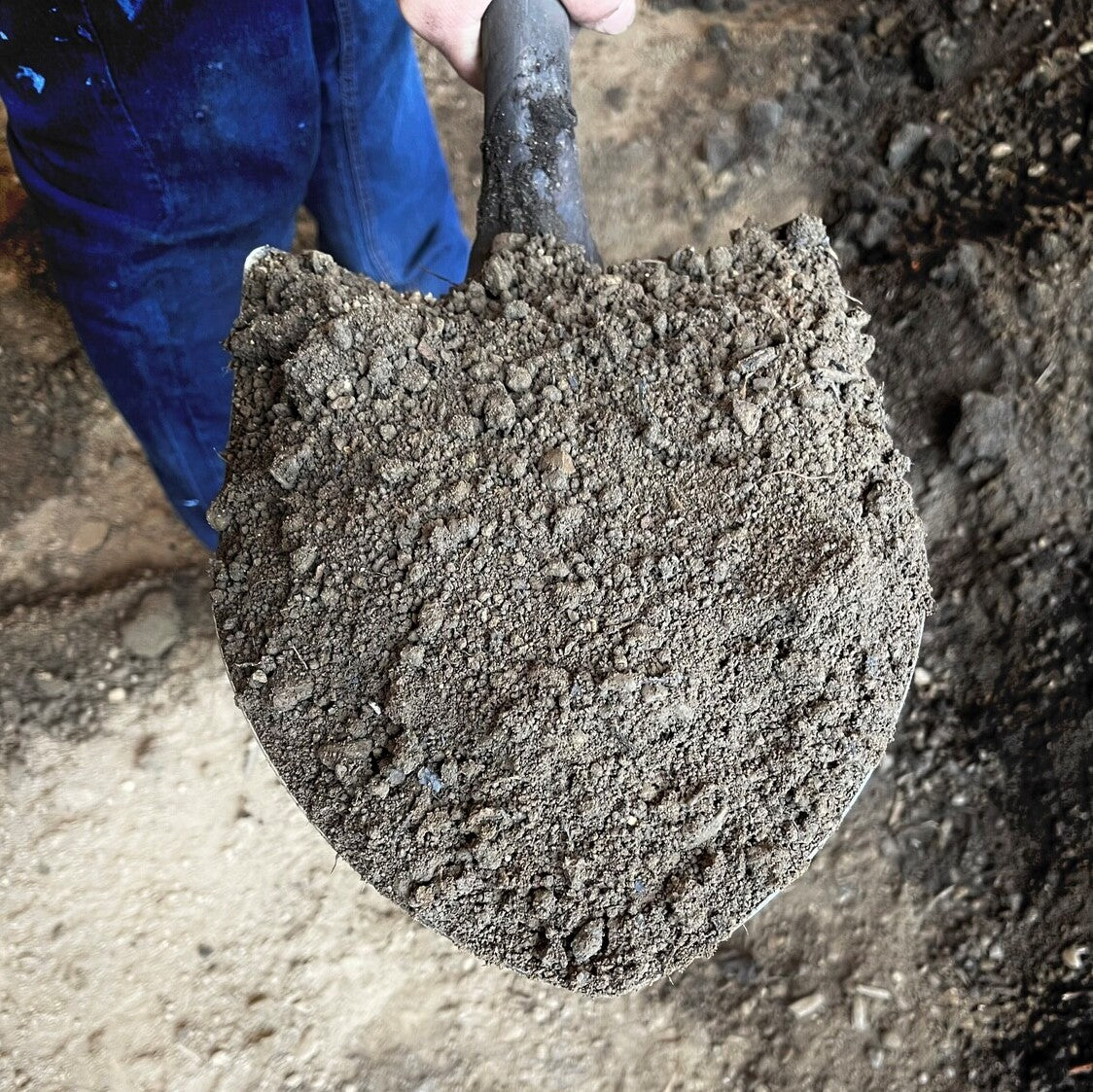
Screened topsoil with a fine, even texture. Ideal for new lawns, sod prep, and raised garden beds.
Very happy with the ease of ordering. Delivery went exactly as planned. Garden soil looks great and couldn’t be happier.
Tell us what you're looking for
Thanks! We received your request.
Something went wrong. Please try again.
How Much Material Do I Need?
How Much Material Do I Need?
For lawn prep in Thornton, plan on 3 to 4 inches of soil over loosened subgrade, and for raised beds fill to within two inches of the top rail. Order about 10 percent extra to account for settling.
Use our free soil calculator
What is a Yard?
What is a Yard?
FAQs
FAQs
Thornton Soil Delivery
Thornton Soil Delivery
Regular price
$64.00
per
Yard
Regular price
Sale price
$64.00
Unit price
per
Shipping calculated at checkout.
Minimum of 3 Yard
Couldn't load pickup availability
Not currently available
We can't take orders for this right now. Tell us what you need and we'll get back to you.
Hand-picked local yards
4,000+ regional deliveries
Dedicated support
Why order through Mulch Mound
The best local , without the guesswork.
We hand-pick and partner with the best yards in your region, keep only the ones our buyers rate well, and back each load with our guarantee.
Mulch Mound Guarantee
If your isn't the quantity or quality you ordered, we'll make it right.
About this soil
Screened topsoil with a fine, even texture. Ideal for new lawns, sod prep, and raised garden beds.
Very happy with the ease of ordering. Delivery went exactly as planned. Garden soil looks great and couldn’t be happier.
How Much Material Do I Need?
How Much Material Do I Need?
For lawn prep in Thornton, plan on 3 to 4 inches of soil over loosened subgrade, and for raised beds fill to within two inches of the top rail. Order about 10 percent extra to account for settling.
Use our free soil calculator
What is a Yard?
What is a Yard?
FAQs
FAQs
Tell us what you're looking for
Thanks! We received your request.
Something went wrong. Please try again.

How It Works
Getting started is easy — just follow these simple steps
1
Choose your soil
Make sure you adjust the quantity to your home's needs. You can use our calculator to estimate how much you'll need.
2
Select your delivery date
Select a delivery date you'd like for the product to be dropped off at your home
3
Sit back and wait
Sit back, wait, and let us work our magic to make sure the highest quality product is delivered to your driveway.

Really appreciate the care and follow thru that this company had with our order. A hiccup came up but they were quick to respond and address all co...
Read full review
Really appreciate the care and follow thru that this company had with our order. A hiccup came up but they were quick to respond and address all concerns, which made our garden day a success! Thank you for your prompt care.

Highest compliments. Great driver.
Website is easy to navigate. Just a seamless process. 5 stars!!
Need Help Calculating How Much Soil You Need?
Use our NEW Trace from Satellite tool to get an estimate for your project based on an aerial view of your property
Try Our CalculatorMeasure the area in feet, length times width, then decide your depth in inches before you calculate. For raised beds, use the interior dimensions and the actual fill height rather than the frame height, since you rarely fill to the very top. One cubic yard covers about 162 square feet at 2 inches or 81 square feet at 4 inches.
Complete Your Outdoor Soil Project
Pair your soil with a few yards of compost for the initial amendment, plus mulch to cap the finished beds so the surface does not crust in our dry wind. Many Thornton customers also add a load of squeegee or road base if they are building paths alongside new planting areas.
Mulch Mound Pro Tip
Break up the clay before you add anything on top. If you spread six inches of beautiful garden mix directly onto compacted Thornton subsoil, water hits that interface and stops, creating a soggy layer and shallow roots. Rent a tiller or a ripper, loosen the native clay four to six inches deep, then blend the first inch or two of new soil into it so roots pass through the transition without hitting a wall.
Mulch Mound Pro Tip
Test before you amend. A basic CSU soil test costs less than one yard of material and will tell you whether your Thornton lot has salt buildup, which is common in newer subdivisions built on former farm ground and in areas that get heavy winter deicer runoff. High salts mean you want low salt compost, not manure based products, and it changes how much gypsum, if any, is worth applying.
Mulch Mound Pro Tip
Grade with drainage in mind. Thornton gets most of its 16 inches in short, intense bursts, so a flat bed or a low spot next to the house becomes a temporary pond. Keep a minimum quarter inch per foot fall away from the foundation for the first ten feet, and shape planting beds slightly crowned rather than dished. Swales that carry runoff to turf areas will do more for your water bill than any single amendment.
The Unique Landscape of Thornton
Most Thornton neighborhoods were scraped flat during construction, leaving homeowners with compacted, low organic alkaline clay subsoil rather than real topsoil. That native clay holds nutrients well but drains poorly, crusts after every storm, and turns to concrete once the 16 inch annual rainfall runs out in midsummer. Bringing in quality screened topsoil, garden mix, or compost is how Thornton yards get a rootable layer that grass, vegetables, and perennials can actually establish in. At 5,351 feet the growing window between the May 5 last frost and the October 5 first frost is short, so plants cannot afford to spend weeks fighting dense soil. Good soil up front is the difference between a lawn that limps and one that fills in by July.