About this soil

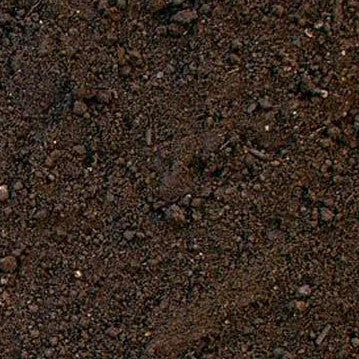
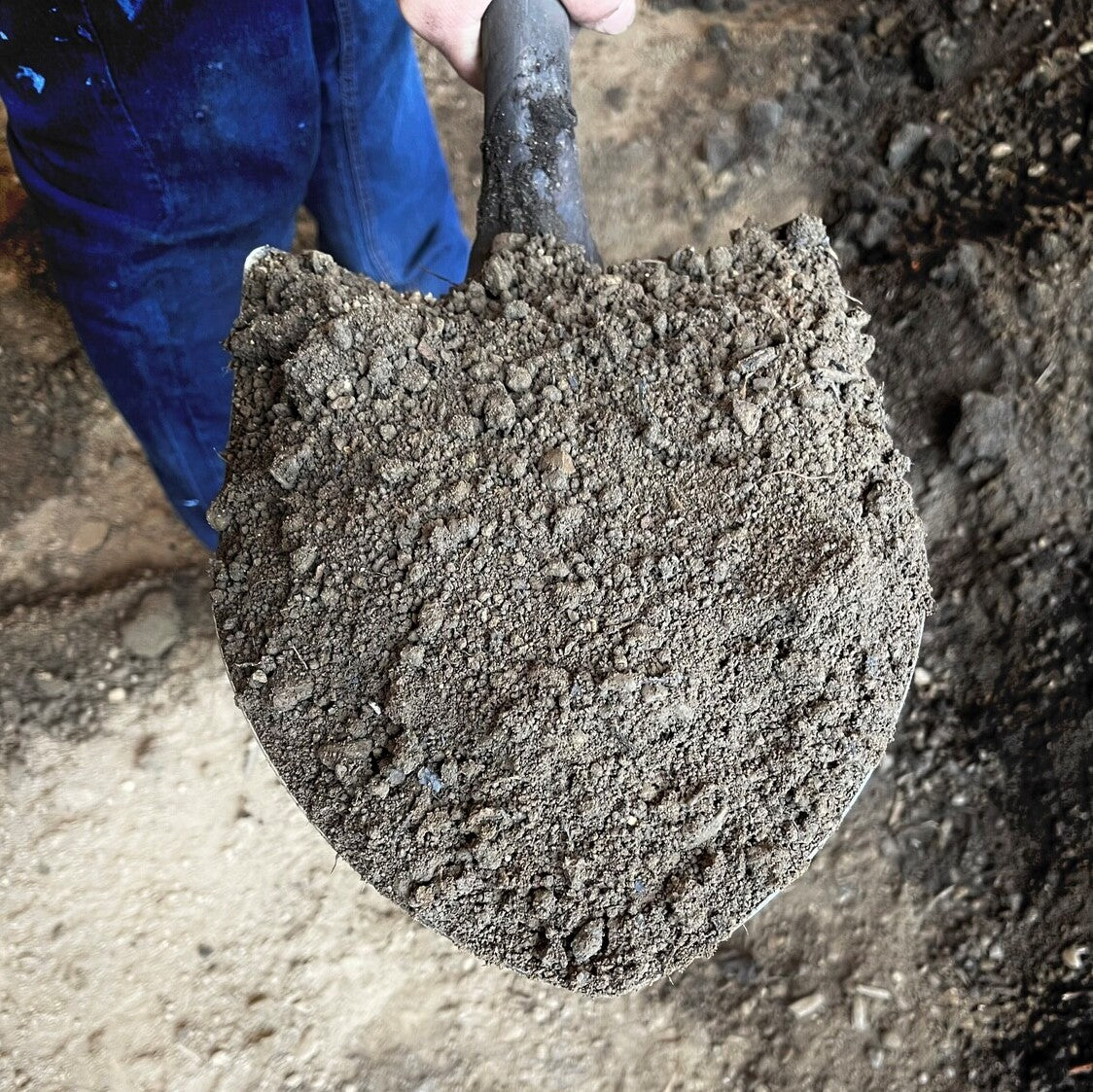
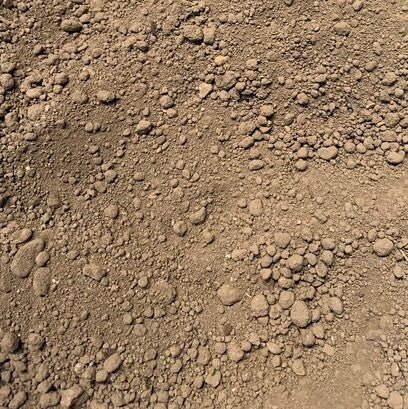
Quality topsoil for lawns, gardens, and landscape projects. Nutrient rich and ready to support strong root development and healthy plant establishment.

I got 3 yards of dirt to create a garden bed on the side of my house and to help fill my new raised garden beds. We had enough dirt to do all of this and fill some holes in the yard! Thanks 😃

Tucson Soil Delivery

Tucson Soil Delivery

4.7
137 reviews
Regular price $55.00 per yard
Regular price Sale price $55.00
Sale Sold out
Type
Style
Minimum of 3
1 tree planted for every order

About this soil

Quality topsoil for lawns, gardens, and landscape projects. Nutrient rich and ready to support strong root development and healthy plant establishment.

I got 3 yards of dirt to create a garden bed on the side of my house and to help fill my new raised garden beds. We had enough dirt to do all of this and fill some holes in the yard! Thanks 😃

Over Tucson's sandy caliche, plan for at least 6 inches of topsoil for ornamental beds and 4 inches for lawn areas to give roots a reasonable growing zone above the hardpan. Raised beds should be at least 12 inches deep so that Tucson's summer heat does not bake the entire root zone during the long hot season.
Use our free soil calculator

A yard is approximately 27 cubic feet. As a general guideline, one yard of material can cover an area of about 100-160 square feet at a 2-3 inch depth.

View full details

How It Works

Getting started is easy — just follow these simple steps

1

Choose your soil

Make sure you adjust the quantity to your home's needs. You can use our calculator to estimate how much you'll need.

2

Select your delivery date

Select a delivery date you'd like for the product to be dropped off at your home

3

Sit back and wait

Sit back, wait, and let us work our magic to make sure the highest quality product is delivered to your driveway.

What Tucson Customers Like About Our Soil

4.7
out of 5 based on 137 reviews
Google Reviews

Need Help Calculating How Much Soil You Need?

Use our NEW Trace from Satellite tool to get an estimate for your project based on an aerial view of your property

Try Our Calculator
📍

For raised beds, multiply length by width by depth in feet and divide by 27 to convert to cubic yards. For lawn leveling in Tucson where monsoon erosion often creates uneven low spots, estimate an average depth across the affected area rather than measuring only the deepest points. It is better to order slightly more than you think you need so you have material to fine-tune the grade before it sets and dries.

Complete Your Outdoor Soil Project

Finish your soil project by topping beds with a quality wood chip mulch to protect your investment from Tucson's intense evaporation and direct sun. Decorative stone borders or pathway gravel around your soil areas add a clean finished look and help manage monsoon runoff before it erodes your carefully graded beds.

Map of Tucson, Arizona

Areas We Deliver Soil in Tucson, Arizona

No cities found for this region.

See All Locations

Frequently Asked Questions

Click a question to see the answer

Answer

How much topsoil do I need to cover caliche hardpan in my Tucson yard?

For planting beds over caliche, a minimum of 6 to 8 inches of quality topsoil gives most plants enough rooting depth to establish well. For lawns and groundcovers, 4 inches is often sufficient for grass seed or sod to take hold. If the caliche layer is very close to the surface you may also want to break it up with a pick or roto-tiller before adding soil to improve drainage below the new layer.

Answer

Can I use bulk topsoil to level out my Tucson yard after monsoon erosion?

Yes, and it is one of the most common uses for bulk soil delivery in Tucson. The summer monsoon season brings intense short-duration storms that can wash out low spots, erode edges of planted areas, and create drainage problems in just a few seasons. Filling low spots and re-grading with topsoil before the next monsoon season helps redirect runoff and prevents repeated erosion in the same vulnerable areas.

Answer

What kind of soil works best for raised vegetable beds in Tucson's climate?

A blended garden soil with compost mixed in is ideal for raised beds in Tucson. The blend provides the drainage that Zone 9b heat demands while retaining enough moisture and nutrients to support productive vegetable growing from late February through May and again from September through November. Pure topsoil without organic content tends to compact and harden in Tucson's heat, so a mix with compost is far more forgiving across multiple planting seasons.

Answer

Will topsoil I order stay loose or will it harden like caliche over time?

Quality imported topsoil will stay workable much longer than native caliche, but all soils in Tucson tend to dry out and crust on the surface during the long dry season. Mixing in compost at installation and topping beds with mulch significantly slows this process and keeps the soil structure open for roots and beneficial organisms even through the driest months of the year.

Answer

Is there a best time of year to do major soil work in Tucson?

Late February through April is ideal. Tucson's last average frost falls around February 18th, so late February gives you a frost-safe window to start grading and bed prep. The spring months are also the driest and mildest of the year, making it much easier to work with bulk soil before the triple-digit heat of May and June arrives and before monsoon rains complicate grading and settling.

Answer

How do I improve drainage in a Tucson yard that floods during monsoon storms?

Grading with topsoil to direct water away from structures and toward natural drainage paths is the first step. In areas where water pools repeatedly, adding a layer of coarse soil or gravel beneath the topsoil can help break through the caliche hardpan below and create a more permeable soil profile. Pairing topsoil grading with decorative stone in drainage swales is a common and effective approach in Tucson landscapes.

Answer

How many cubic yards of soil do I need for a 4 by 8 foot raised bed that is 12 inches deep?

A 4 by 8 foot raised bed at 12 inches deep holds about 1.2 cubic yards of soil. Most Tucson gardeners build raised beds at least 12 inches deep to give roots enough room to stay above the caliche layer and access consistent moisture. If you are building multiple beds, ordering in bulk is far more cost-effective than buying bagged soil at a hardware store.

Mulch Mound Pro Tip

When filling raised beds in Tucson, mix your bulk garden soil with about 25 to 30 percent compost by volume before filling the frame. Straight topsoil compacts quickly in the desert heat and loses its open structure within one or two seasons. The compost addition keeps the mix loose, feeds beneficial soil microbes, and significantly improves water retention during the long dry stretches between Tucson's rainy periods.

Mulch Mound Pro Tip

If you are grading your Tucson yard with topsoil before the monsoon season, pay close attention to slope direction around your home's foundation. Tucson's monsoon storms can dump an inch of rain in under an hour, and even modest slopes toward the foundation can funnel large volumes of water toward your house in a single storm event. A gentle grade of 1 inch per 10 feet sloping away from the structure makes a significant practical difference.

Mulch Mound Pro Tip

Tucson's growing season runs in two distinct halves, a warm spring season ending in late May and a second season from September through early December before the first frost around December 3rd. When you prep soil in late February after the last frost, plan your bed layout to support crops in both windows. Building deep, well-amended beds from the start means you will not need to re-amend between each planting cycle.

The Unique Landscape of Tucson

Tucson's native soil is dominated by sandy caliche, a mixture of sand and calcium carbonate hardpan that resists water infiltration, drains nutrients quickly, and makes it nearly impossible to establish healthy plant beds without amendment. Even in Zone 9b where the growing season stretches close to year-round, plants struggle to thrive in unamended caliche because roots cannot penetrate the hardpan and organic matter depletes rapidly in the desert heat. Bringing in quality topsoil or garden soil is not just a convenience in Tucson, it is often a necessity for anyone serious about growing vegetables, flowers, or lush ornamental beds. At an elevation of 2,410 feet, Tucson also experiences stronger temperature swings than lower-desert cities, and rich soil with good structure helps buffer root zones from those extremes. Whether you are grading a new lawn area, filling raised beds, or leveling out erosion damage from the monsoon season, the right soil is the foundation of every successful Tucson landscape project.
