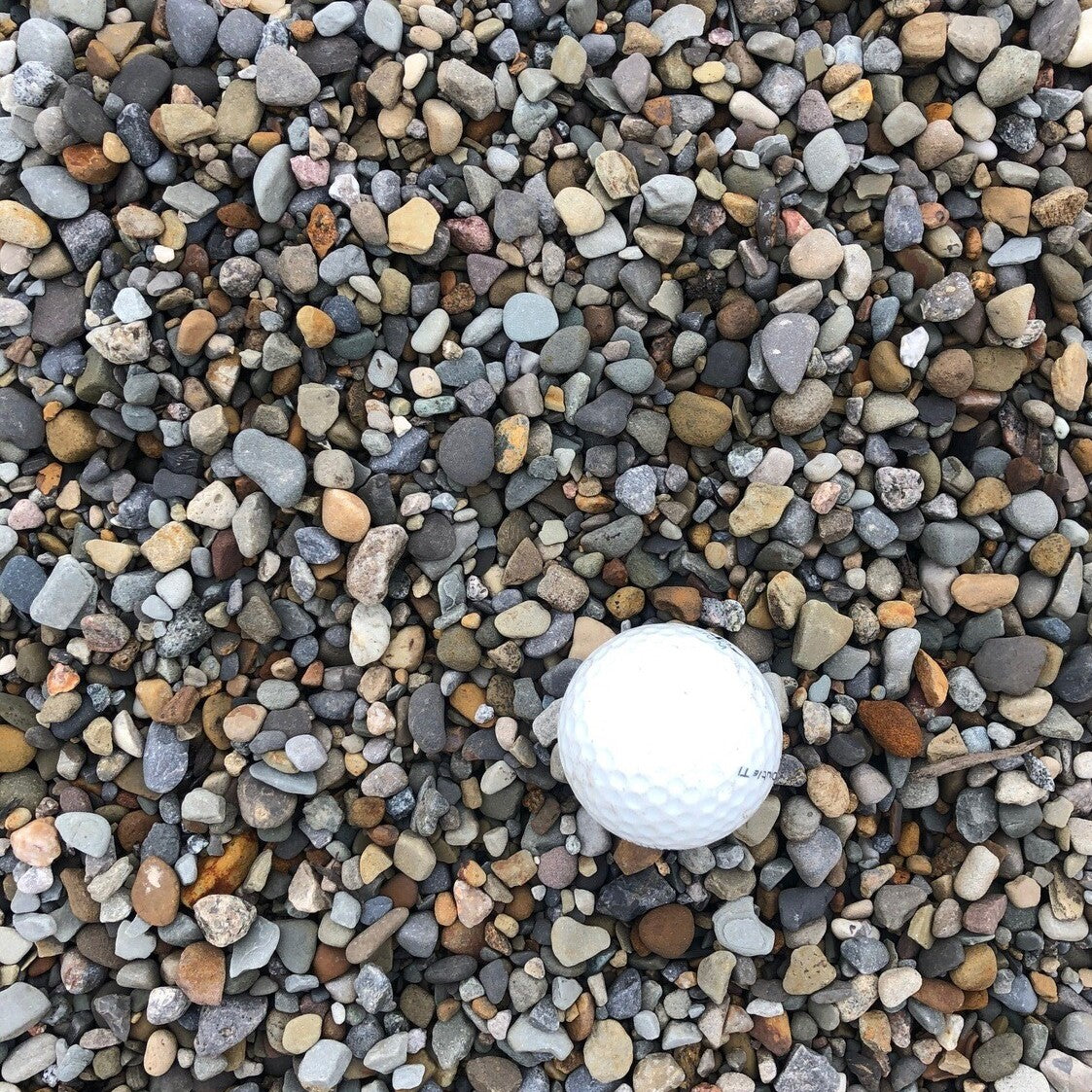
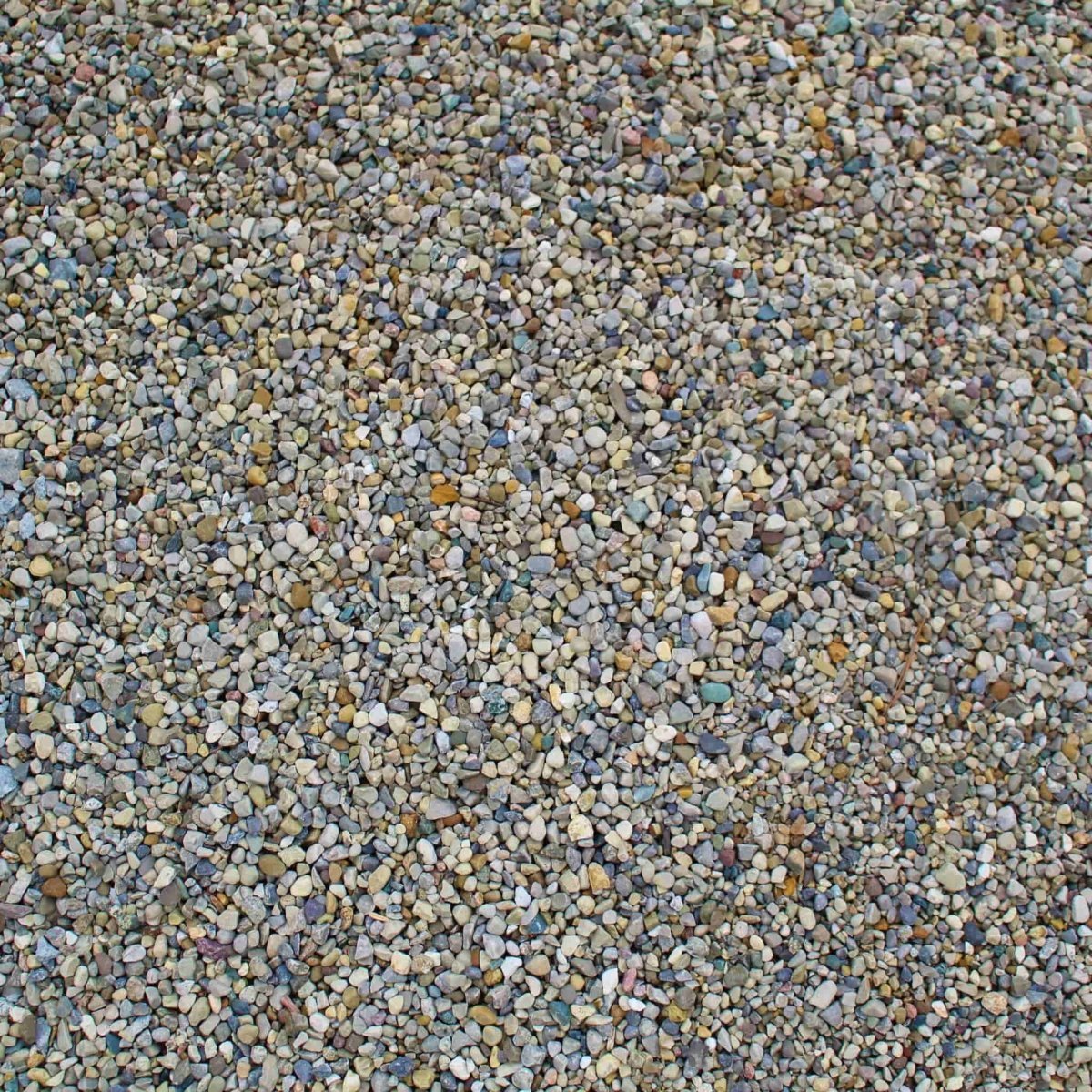
Classic pea gravel with smooth, rounded edges and natural earth tones. A versatile favorite for pathways, patios, drainage, and decorative ground cover.
Classic pea gravel with smooth, rounded edges and natural earth tones. A versatile favorite for pathways, patios, drainage, and decorative ground cover.
The driver nailed it on putting the gravel I ordered in front of my trailer and between the sidewalk. Very satisfied with how my flowerbeds look now.
How Much Material Do I Need?
For most Tucson xeriscape and pathway projects, a 2 to 3 inch depth of decorative stone provides good weed control and visual coverage over the sandy caliche base. Foundation borders and drainage swales typically benefit from a slightly deeper 3 to 4 inch layer for better flow management during the concentrated rain events of monsoon season.
Use our free stone calculator
What is a yard?
A yard is approximately 27 cubic feet. As a general guideline, one yard of material can cover an area of about 100-160 square feet at a 2-3 inch depth.
For decorative stone, measure your project area in square feet and use the general rule that 1 ton of gravel or crushed stone covers roughly 80 to 100 square feet at a 2 inch depth. In Tucson where many xeriscape projects cover large areas of dry caliche ground, ordering slightly more than your estimate prevents the frustration of thin spots that look patchy and unfinished. Measure irregular beds by breaking them into rectangles and adding the sections together before converting to tons.
Complete Your Outdoor Stone Project
Combine your stone order with quality topsoil to build planting pockets within your xeriscape design where desert-adapted plants can get a nutrient boost above the native caliche. Adding wood chip mulch in adjacent planted bed areas creates a balanced, layered landscape that handles Tucson's rainfall variability and intense heat better than stone or mulch alone.
Before laying any decorative stone in Tucson, take time to grade the soil surface so water naturally flows away from your home and toward your yard's drainage points. Tucson's monsoon storms are short and intense, and a flat or reverse-sloped stone bed will funnel water toward your foundation rather than away from it. A 30-minute grading effort with a landscape rake before laying stone prevents years of drainage and erosion problems.
Mulch Mound Pro Tip
Install a quality commercial-grade weed barrier fabric under all stone installations, especially over Tucson's sandy caliche which harbors opportunistic weed seeds that germinate explosively after monsoon rain. Consumer-grade barrier fabric breaks down quickly under Tucson's UV exposure, so investing in a heavier professional product is worth the extra cost. Overlap fabric edges by at least 6 inches and pin them securely so monsoon runoff does not shift the material and expose gaps.
Mulch Mound Pro Tip
In Tucson's frost season, which runs from around December 3rd through February 18th, stone landscapes have a clear advantage over organic groundcovers because they are completely unaffected by freeze-thaw cycles. Use the cooler frost window to install new stone areas since the lower temperatures make physical labor far more comfortable and the ground is easier to grade before spring planting season begins. Stone laid during winter will be fully settled and ready when the busy spring landscape season arrives.
The Unique Landscape of Tucson
Stone is one of the most practical and visually appropriate landscape materials for Tucson, where water conservation, low maintenance, and heat tolerance are the primary criteria for any outdoor project. In a city that receives only about 12 inches of rain per year and endures months of intense sun, stone groundcover eliminates evaporation entirely from the areas it covers and requires no irrigation, fertilizer, or seasonal replacement. Tucson's sandy caliche soil also makes stone an excellent choice for drainage management, since permeable gravel and crushed stone allow monsoon runoff to spread and infiltrate slowly rather than pooling on the surface or eroding planted areas. At an elevation of 2,410 feet, Tucson experiences enough frost activity between December 3rd and February 18th to damage organic groundcovers in exposed areas, while stone holds up through the freeze-thaw cycle without degrading. Whether you are creating a water-wise xeriscape, lining a dry river bed, or framing a pathway through a desert garden, stone works with Tucson's natural environment rather than against it.
Frequently Asked Questions
Click a question to see the answer
Answer
What depth of decorative gravel should I use for a xeriscape bed in Tucson?
A 2 to 3 inch depth is standard for decorative gravel in xeriscape beds in Tucson. This depth is enough to suppress weeds effectively, gives the bed a finished and uniform look, and is permeable enough to let monsoon rain infiltrate rather than run off. Going deeper than 3 inches adds cost without meaningful benefit and can make it harder to plant accent succulents or cacti through the gravel layer.
Answer
Does crushed stone help with drainage in a Tucson yard affected by caliche hardpan?
Crushed stone is one of the best tools for managing drainage in yards where caliche creates a nearly impermeable layer near the surface. By filling low spots, swales, and pathway areas with coarse crushed stone, you create a permeable zone where monsoon runoff can spread out, slow down, and gradually infiltrate rather than sheeting across the surface and eroding planted areas. Pairing crushed stone drainage channels with a weed barrier underneath also keeps them functional for years with minimal upkeep.
Answer
Will decorative stone get too hot for my Tucson landscape in summer?
Dark stone varieties like black volcanic rock can reach very high surface temperatures during Tucson's summer months when ground-level radiant heat is already intense. If you have plants nearby, choosing lighter-colored stone like tan or buff decomposed granite or river pebble helps reflect heat rather than absorbing it. Stone used in heavily shaded areas or on north-facing exposures stays much cooler and is a great option close to patios and outdoor seating areas.
Answer
What type of stone works best for a desert pathway in Tucson?
Decomposed granite is by far the most popular pathway material in Tucson because it compacts well, is comfortable to walk on, and blends naturally with the desert landscape. Crushed quartzite and pea gravel are also common choices, though pea gravel can shift underfoot more than decomposed granite. Adding a stabilizer to decomposed granite pathways hardens the surface and prevents it from scattering during Tucson's intense monsoon downpours.
Answer
How do I keep my gravel beds from washing out during Tucson's monsoon season?
Grading the soil surface beneath your gravel with a slight pitch so water drains along a defined path rather than across the whole bed is the most effective strategy. Installing a quality weed barrier fabric before laying stone also anchors the material somewhat. In areas where monsoon flow is concentrated, using larger river rock rather than fine gravel prevents the material from migrating during heavy rain events that dump large volumes of water in a very short time.
Answer
Is it worth using stone around my home's foundation in Tucson?
Yes, and it is one of the most practical uses of stone in a Tucson landscape. A crushed gravel border 12 to 18 inches wide around the foundation keeps moisture away from the structure during monsoon rains, discourages pest harborage compared to organic mulch, and requires no maintenance from year to year. It also creates a clean visual separation between the structure and the planted landscape that looks polished and intentional.
Answer
Can I use stone instead of mulch in a Tucson plant bed?
Stone is a great substitute for mulch in low-maintenance beds planted with desert-adapted species like agave, prickly pear, desert spoon, and brittlebush. These plants evolved in rocky desert environments and actually prefer the reflected heat and fast drainage that stone provides. However, for beds with more water-dependent plants or lawn areas, organic mulch does a better job of retaining soil moisture and should be used instead of or alongside stone.





 +5
+5



