
About this soil

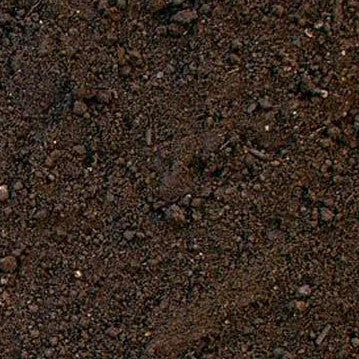
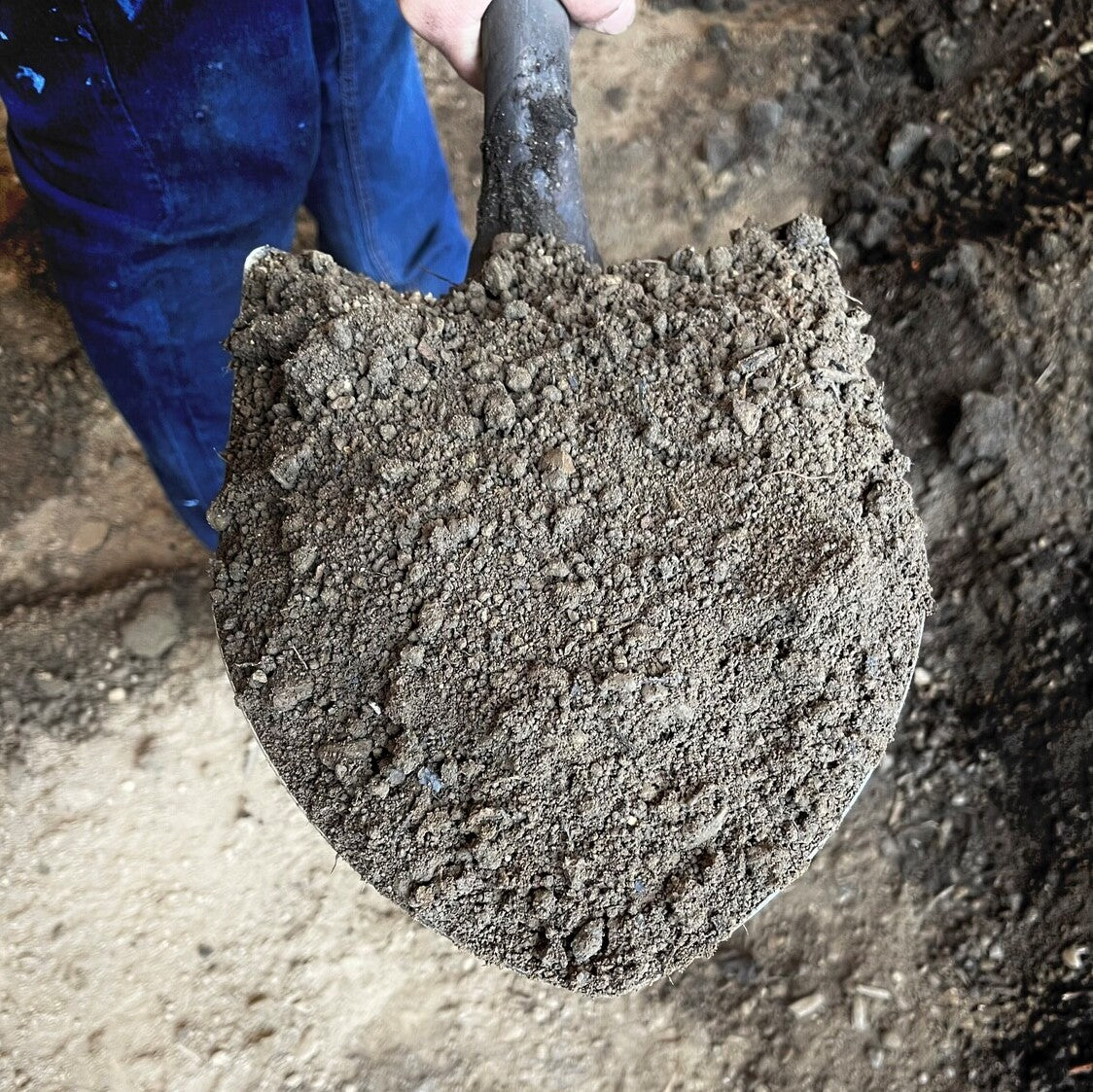
Quality topsoil for lawns, gardens, and landscape projects. Nutrient rich and ready to support strong root development and healthy plant establishment.

I got 3 yards of dirt to create a garden bed on the side of my house and to help fill my new raised garden beds. We had enough dirt to do all of this and fill some holes in the yard! Thanks 😃

Utica Soil Delivery

Utica Soil Delivery

4.7
137 reviews
Regular price $55.00 per yard
Regular price Sale price $55.00
Sale Sold out
Type
Style
Minimum of 3
1 tree planted for every order

About this soil

Quality topsoil for lawns, gardens, and landscape projects. Nutrient rich and ready to support strong root development and healthy plant establishment.

I got 3 yards of dirt to create a garden bed on the side of my house and to help fill my new raised garden beds. We had enough dirt to do all of this and fill some holes in the yard! Thanks 😃

For lawn leveling in Utica, a half-inch to 1-inch layer of topsoil is typically enough to correct minor grading issues in silt loam-based yards without overwhelming the existing soil profile. For new garden beds or raised beds, a minimum of 6 to 8 inches of quality topsoil gives plant roots the depth they need to perform through the full Utica growing season from May through early October.
Use our free soil calculator

A yard is approximately 27 cubic feet. As a general guideline, one yard of material can cover an area of about 100-160 square feet at a 2-3 inch depth.

View full details

How It Works

Getting started is easy — just follow these simple steps

1

Choose your soil

Make sure you adjust the quantity to your home's needs. You can use our calculator to estimate how much you'll need.

2

Select your delivery date

Select a delivery date you'd like for the product to be dropped off at your home

3

Sit back and wait

Sit back, wait, and let us work our magic to make sure the highest quality product is delivered to your driveway.

What Utica Customers Like About Our Soil

4.7
out of 5 based on 137 reviews
Google Reviews

Need Help Calculating How Much Soil You Need?

Use our NEW Trace from Satellite tool to get an estimate for your project based on an aerial view of your property

Try Our Calculator
📍

Measure the length, width, and desired depth of your project area in feet and multiply all three numbers together, then divide by 27 to convert cubic feet to cubic yards. For Utica lawn leveling projects, a half-inch to 1-inch application over a large area adds up faster than most homeowners expect, so calculating carefully before ordering avoids the cost of a second delivery. Rounding up by 10 percent also accounts for settling that is common in Utica's freeze-thaw climate throughout the winter and early spring.

Complete Your Outdoor Soil Project

Finish your soil project with a layer of bulk mulch to protect newly placed beds from Utica's heavy spring rains, or add decorative stone borders around graded areas to hold edges in place and reduce erosion during the Mohawk Valley's wet shoulder seasons.

Map of Utica, New York

Areas We Deliver Soil in Utica, New York

No cities found for this region.

See All Locations

Frequently Asked Questions

Click a question to see the answer

Answer

What kind of soil should I use to level my Utica lawn?

For lawn leveling in Utica, a screened topsoil that is compatible with the area's native silt loam works best. Avoid sandy fill mixes, which can create a drainage interface that interrupts water movement between the new soil and the silt loam below, leading to dry patches above and soggy ground beneath. A blended topsoil with organic matter will knit well with Utica's existing soil profile and support healthy turf establishment through the summer.

Answer

How deep should I add topsoil for a new garden bed in Utica?

For in-ground garden beds in Utica, adding 6 to 8 inches of quality topsoil on top of loosened native silt loam gives roots the rich, workable environment they need during the short growing season. Because Utica's silt loam compacts over winter, tilling the native soil before adding new topsoil ensures the two layers connect properly and water does not pool at the interface between them.

Answer

Can I use bulk topsoil to fix low spots that collect water in my yard?

Yes, and in Utica this is one of the most common reasons homeowners order bulk soil. With nearly 49 inches of rainfall per year, low spots in Utica lawns become persistent wet areas that kill grass and invite mosquitoes throughout the growing season. Building up those areas with a compactable topsoil and regrading the slope toward a natural drainage path solves the problem at the source rather than just managing symptoms season after season.

Answer

When is the best time to add topsoil in Utica?

Late spring after May 7 is ideal for adding topsoil in Utica because the ground has thawed and dried out enough to work without compacting it underfoot during the process. Early fall from late August through mid-September is also a strong window for lawn leveling projects because the soil is still warm enough for grass seed to germinate before the October 6 first frost closes the growing season.

Answer

How much soil do I need for a raised bed in Utica?

A standard 4-by-8-foot raised bed that is 12 inches deep requires roughly 0.4 cubic yards of soil. If you are building multiple beds, it is more economical to order a full yard and keep a small reserve for topping off beds after settling. In Utica's climate, raised bed soil typically settles 1 to 2 inches over the first winter and benefits from a small top-dressing each spring before the May planting window opens.

Answer

Is Utica's native silt loam good enough to use for raised beds on its own?

Utica's native silt loam is reasonably fertile, but it compacts too easily to perform well alone in a raised bed where drainage is critical. Straight silt loam in a confined raised bed will become dense and waterlogged, particularly given Utica's high annual rainfall totals. A blended topsoil with compost and coarser organic material gives raised beds the loose, well-draining structure that vegetable and flower roots need throughout the growing season.

Answer

Can I use bulk soil to improve drainage around my house foundation?

Bulk topsoil can be used to regrade the ground around a foundation so that water flows away from the house rather than pooling against it. In Utica, where freeze-thaw cycles and high annual rainfall create persistent moisture pressure on foundations, proper grading with a compactable fill soil is one of the most effective long-term protective measures a homeowner can take. The graded soil should slope at least 6 inches downward over the first 10 feet away from the structure for meaningful results.

Mulch Mound Pro Tip

Before spreading new topsoil over compacted Utica silt loam, run a core aerator or tiller over the existing ground to break up the surface crust that builds up over winter. This roughed-up surface gives the new soil something to bond with, preventing a slick interface layer that water can travel along horizontally rather than soaking straight down. Skipping this step is one of the most common reasons new topsoil erodes or slides after heavy spring rains in the Mohawk Valley.

Mulch Mound Pro Tip

If you are building raised beds in Utica, line the bottom with a layer of coarse wood chips or small gravel before adding topsoil. This internal drainage layer prevents the silt loam-heavy native ground beneath from wicking up and compacting into your bed mix over time. The extra 2 to 3 inches of drainage material at the base keeps root zones loose and workable even after Utica's wettest spring seasons.

Mulch Mound Pro Tip

Time your topsoil delivery for a period when Utica weather forecasts show at least two or three dry days ahead. Freshly delivered topsoil that gets saturated by heavy rain before it is spread becomes difficult to work and can wash into low spots or driveways. Planning around Utica's weather window, especially in April and May when storms arrive frequently from the west, makes the grading project go much more smoothly from start to finish.

The Unique Landscape of Utica

Utica's native silt loam is a workable soil, but years of construction activity, foot traffic, and seasonal freeze-thaw cycles often leave residential lots with compacted, uneven, or nutrient-depleted ground that struggles to support healthy plantings. Grade work and garden bed preparation in Utica requires quality bulk topsoil that can integrate with the existing silt loam without creating drainage barriers at the interface layer where old and new soil meet. The Mohawk Valley's 49 inches of annual rainfall means any low spots in a lawn or landscape will collect standing water reliably, making proper leveling with good fill soil a practical necessity rather than a cosmetic project. Raised beds built with blended topsoil give Utica gardeners more control over the root environment during the short growing season between May 7 and October 6. Investing in quality bulk soil before planting sets the foundation for landscapes that handle Utica's winters and wet springs without constant remediation.
