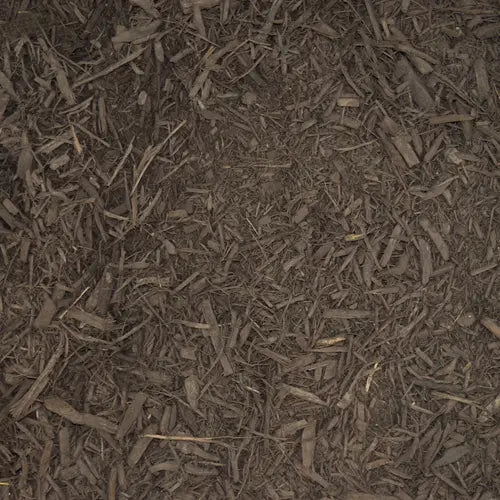
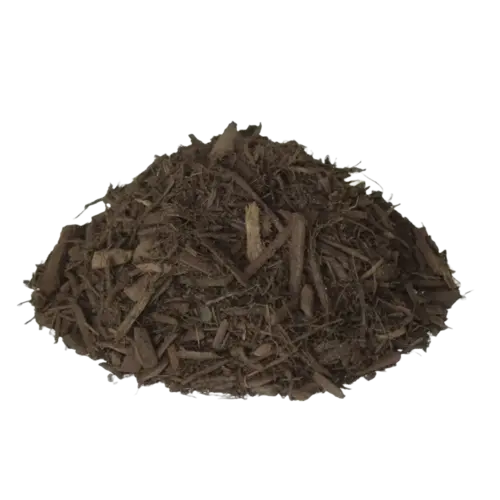
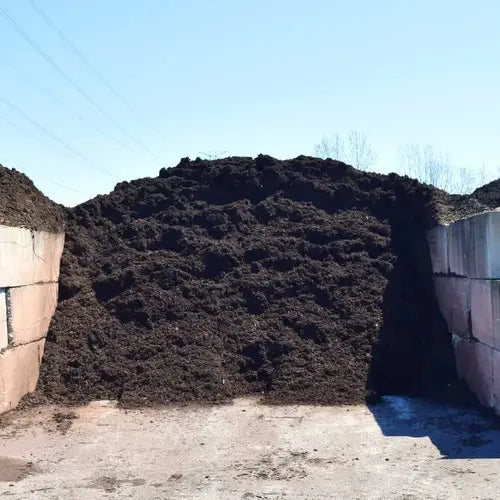
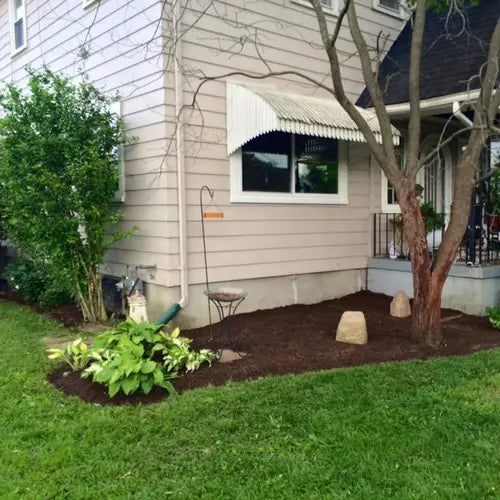
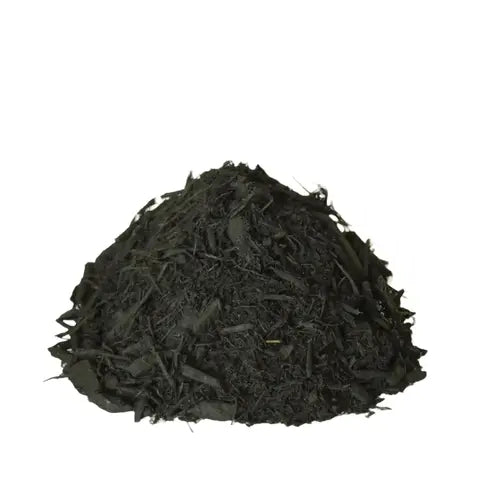
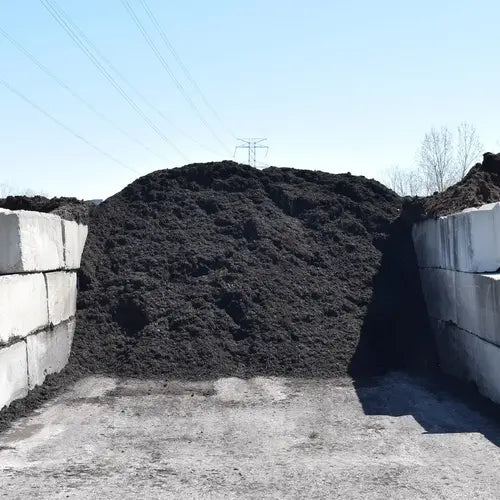
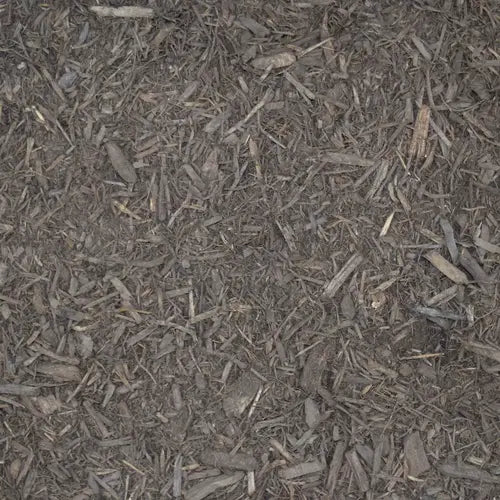
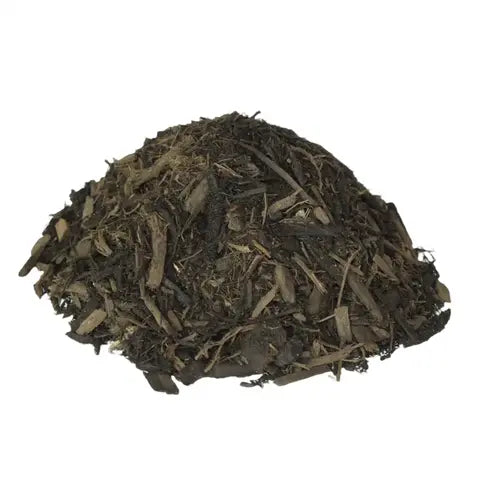
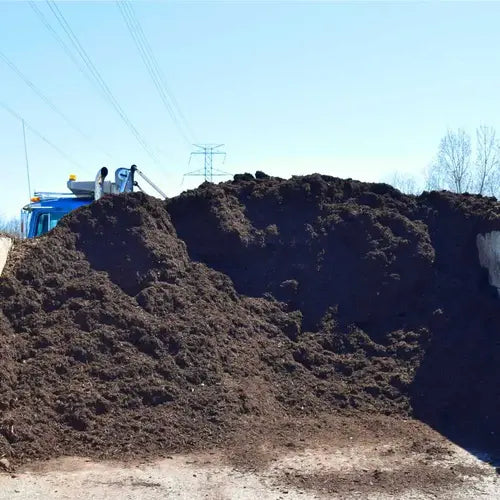
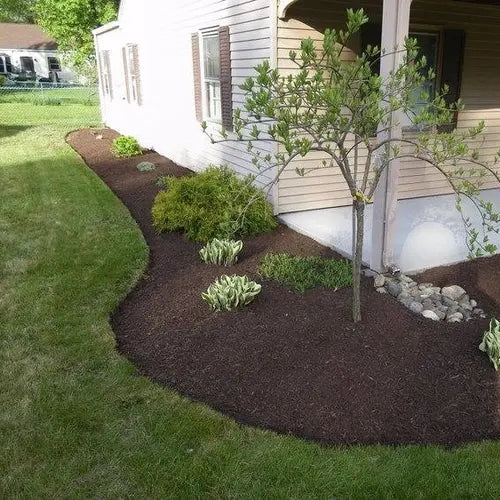
Warm brown double shredded mulch with lasting color that looks freshly applied for weeks. Spreads smooth, stays put, and gives beds a natural, polished appearance.
Great experience with mulch mound. Their online calculator made it easy to estimate how many yards of mulch I needed and delivery was quick. I would definitely recommend them for your future projects.
Tell us what you're looking for
Thanks! We received your request.
Something went wrong. Please try again.
How Much Material Do I Need?
In Victoria's clay soil, apply mulch at 3 to 4 inches deep to achieve meaningful moisture retention and weed suppression without creating waterlogging conditions around root crowns. Shallower applications break down and compact too quickly in our summer heat and typically need refreshing within a single season before they have done their job.
Use our free mulch calculator
What is a yard?
A yard is approximately 27 cubic feet. As a general guideline, one yard of material can cover an area of about 100-160 square feet at a 2-3 inch depth.
We can't take orders for this right now. Tell us what you need and we'll get back to you.
What do you need?
Thanks! We received your request.
Something went wrong. Please try again.
Hand-picked local yards
4,000+ regional deliveries
Dedicated support
Why order through Mulch Mound
The best local mulch, without the guesswork.
We hand-pick and partner with the best yards in your region, keep only the ones our buyers rate well, and back each load with our guarantee.
Mulch Mound Guarantee
If your mulch isn't the quantity or quality you ordered, we'll make it right.
About this mulch
Warm brown double shredded mulch with lasting color that looks freshly applied for weeks. Spreads smooth, stays put, and gives beds a natural, polished appearance.
Great experience with mulch mound. Their online calculator made it easy to estimate how many yards of mulch I needed and delivery was quick. I would definitely recommend them for your future projects.
How Much Material Do I Need?
In Victoria's clay soil, apply mulch at 3 to 4 inches deep to achieve meaningful moisture retention and weed suppression without creating waterlogging conditions around root crowns. Shallower applications break down and compact too quickly in our summer heat and typically need refreshing within a single season before they have done their job.
Use our free mulch calculator
What is a yard?
A yard is approximately 27 cubic feet. As a general guideline, one yard of material can cover an area of about 100-160 square feet at a 2-3 inch depth.
Great experience with mulch mound. Their online calculator made it easy to estimate how many yards of mulch I needed and delivery was quick. I woul...
Read full review
Great experience with mulch mound. Their online calculator made it easy to estimate how many yards of mulch I needed and delivery was quick. I would definitely recommend them for your future projects.
We needed mulch for our HOA common areas. Local providers were all holding high prices even for 40 yards of mulch. Mulch mound was easy to wowith...
Read full review
We needed mulch for our HOA common areas. Local providers were all holding high prices even for 40 yards of mulch. Mulch mound was easy to wowith & has great price for natural mulch + delivery schedule options. They called before delivery to ensure Delivery was exactly where we wanted it.
Delivery was on time and great quality Mulch. Got it done in a reasonable time and yard looks great. Couldn’t be happier!!! Thank you and will us...
Read full review
Delivery was on time and great quality Mulch. Got it done in a reasonable time and yard looks great. Couldn’t be happier!!! Thank you and will use again!!
Measure each bed's length and width in feet and multiply to get square footage, then add all your beds together for a running total. For Victoria's clay soil conditions, we recommend planning for a full 3 to 4 inch depth rather than a light topdress, since the compaction here means beds benefit from a more substantial layer to see real results. Divide your total square footage by 108 to get the number of cubic yards needed for a 3 inch depth.
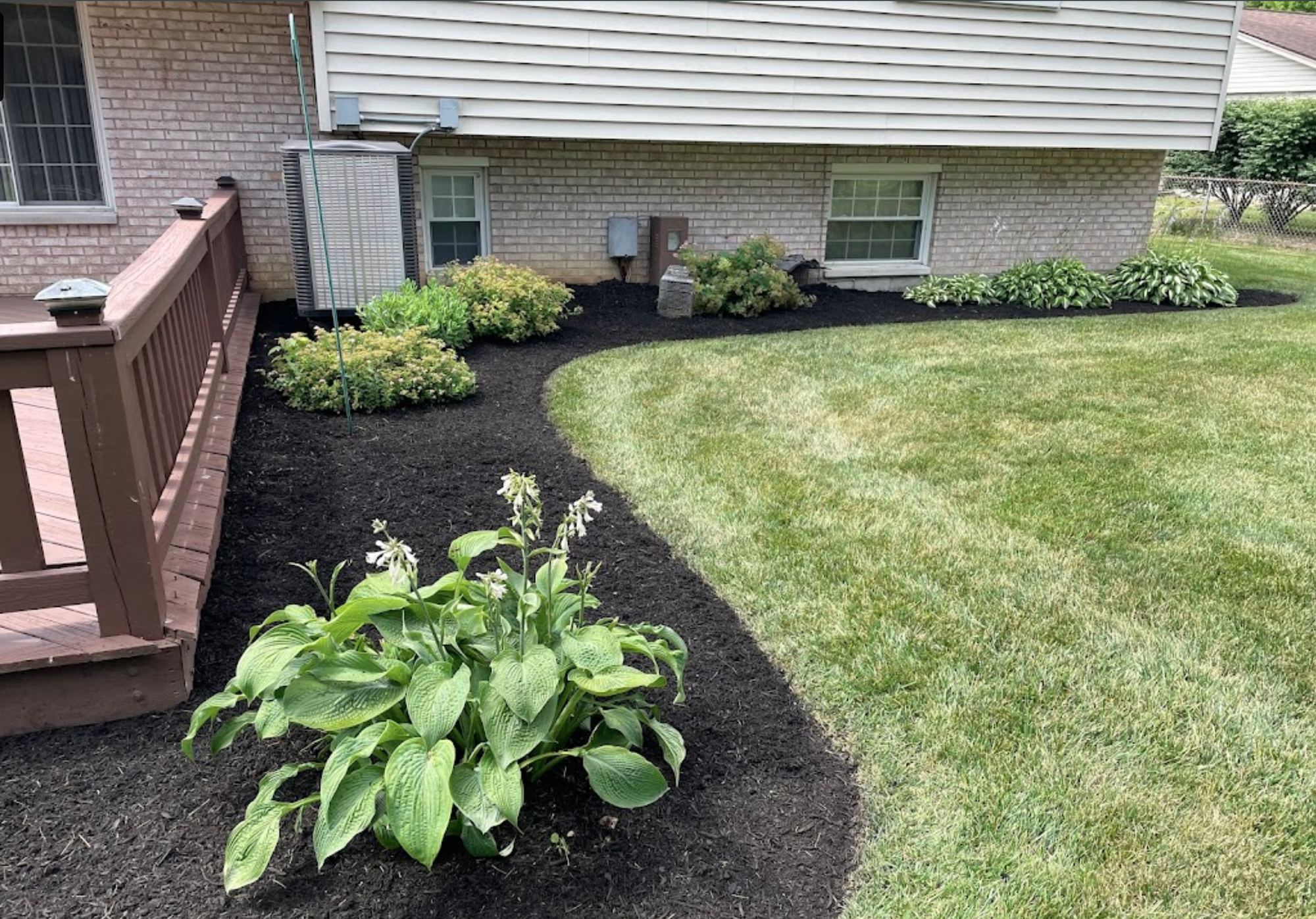
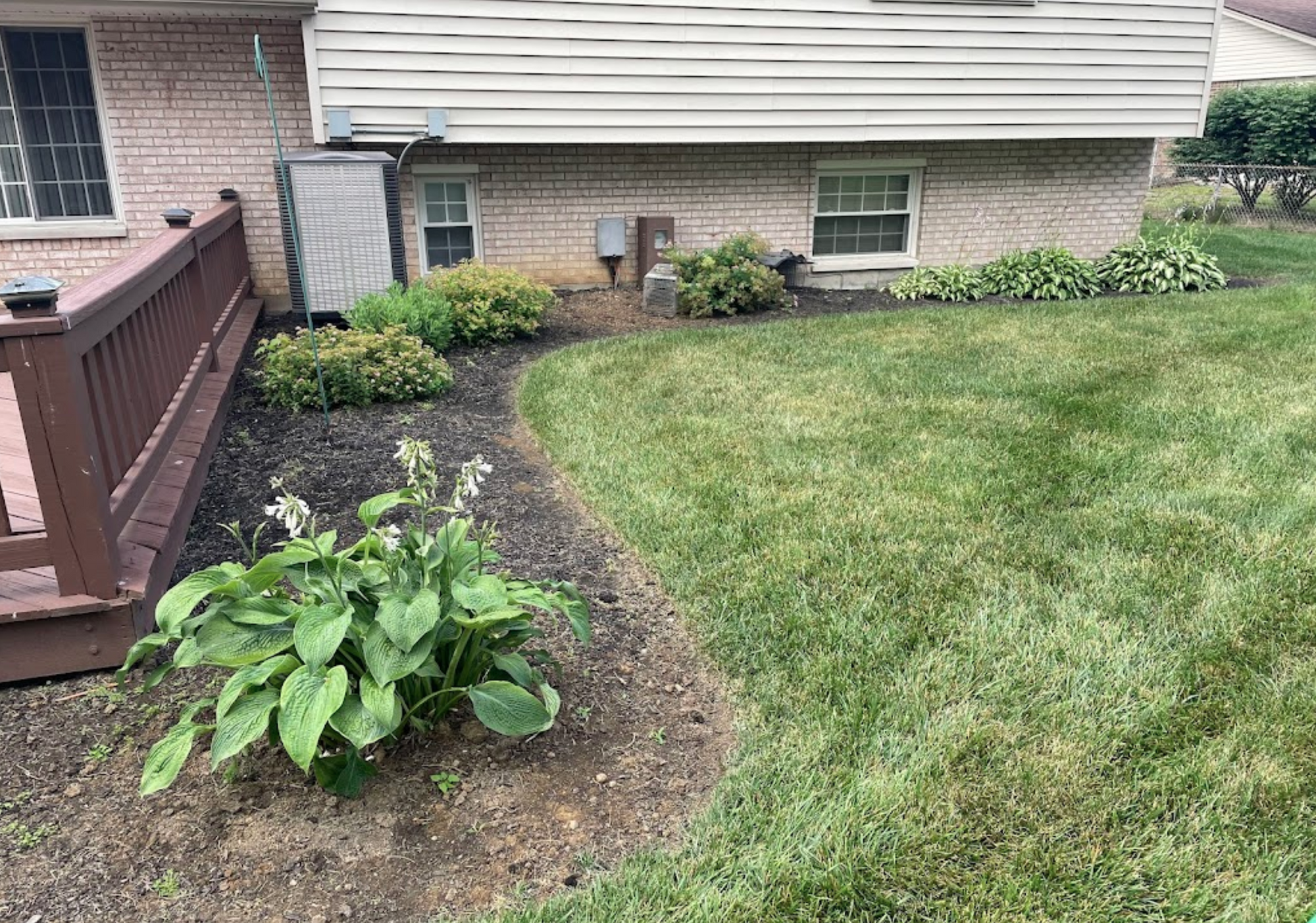
Mulch vs. No Mulch: The Difference
Victoria's combination of intense UV exposure, prolonged summer heat, and occasional heavy rain events creates meaningfully different performance conditions for natural and dyed mulch products. Natural hardwood mulch breaks down faster in Zone 9a's warmth, feeding your clay soil with organic matter across the season but requiring more frequent refreshing, typically every 12 to 18 months. Dyed mulch holds its appearance longer under our strong sun and delivers more consistent curb appeal between refresh cycles, making it a popular choice for high-visibility front beds in Victoria neighborhoods.
Before
After
Best Mulch Choice for Victoria Lawns
Most yards in the Victoria area sit on Clay type of soil. Victoria's clay soil compacts easily and creates dense conditions that limit oxygen and water movement around plant roots, making the type of mulch you choose more than just a cosmetic decision for your beds.
Hardwood Mulch
Hardwood mulch breaks down steadily into Victoria's clay soil, contributing organic matter that gradually improves soil structure, reduces compaction, and creates better drainage pathways over multiple seasons, which is precisely what clay needs to support vigorous, healthy plant roots long term.
Mulch Types We Deliver in Victoria
Victoria's hot summers and heavy clay soils make proper mulching essential for keeping beds moist and roots protected. We deliver bulk mulch by the cubic yard straight to your driveway or job site, so you get the volume you need without multiple trips to a store. Whether you are refreshing a front-yard landscape or covering a large property, bulk mulch delivery in Victoria has never been more straightforward.
Dyed Black Mulch
A bold choice for homeowners who want beds that stand out against light-colored brick facades and lush green lawns common across south Texas. Available in a double shredded style, it spreads smoothly and holds its deep color through intense summer heat and heavy seasonal rainfall. A popular pick for accent beds and landscape borders.
Dyed Brown Mulch
Warm brown tones blend naturally with the earthy clay soils and traditional home styles found throughout this part of Texas. This double shredded mulch spreads evenly and keeps its fresh, polished look for weeks even after the region's heavy summer downpours. A reliable go-to for large planting beds and tree rings.
Natural Brown Mulch
For landscapes where a subtle, organic appearance matters most, this undyed double shredded mulch delivers an honest wood tone that suits the coastal Gulf climate well. It pairs naturally with native plantings and mixed beds, giving the surrounding greenery room to stand out without competing color demanding attention.
Complete Your Outdoor Mulch Project
If your beds need regrading or soil improvement before mulching, our bulk topsoil and garden soil blends work well for building up the low spots that are common in Victoria's flat clay terrain. For a clean, lasting edge between beds and lawn areas, our stone and gravel options hold mulch in place through Victoria's heavier storm events and give your landscape a finished, structured look.
Victoria's clay soil tends to form a sealed surface crust after heavy rains, and spreading mulch directly on that crust without loosening it first limits how well moisture moves down to your roots. Before spreading, use a hand cultivator to break up the top inch of soil in your beds. This simple step dramatically improves how well mulch and rainfall work together through the growing season and gives your plants access to the water they need between storms.
Mulch Mound Pro Tip
If you are planting new shrubs or perennials in Victoria between late February and early April, wait until after your last frost around March 2 before laying your full mulch layer. Mulching too early in a mild late winter can keep soil temperatures slightly cooler than ideal for root establishment in young transplants. Once plants show active new growth, apply your complete 3 to 4 inch layer and you will carry far less watering burden through the long summer ahead.
Mulch Mound Pro Tip
With Victoria receiving about 41 inches of rain per year, much of it arriving in irregular and intense bursts, mulch acts as a critical buffer between rainfall intensity and your soil surface. Heavy downpours on bare clay create immediate runoff and surface erosion across the flat terrain common throughout Victoria. A consistent mulch layer absorbs the initial impact of rain, slows surface flow, and gives water time to infiltrate into the soil rather than running off your beds entirely.
Frequently Asked Questions
Click a question to see the answer
Answer
How deep should I apply mulch given Victoria's clay soil?
In Victoria's clay soil, aim for 3 to 4 inches of mulch over your plant beds. Clay already drains slowly, so going beyond 4 inches can trap too much moisture against root crowns and encourage rot, especially after our heavier spring rains. That depth still gives you meaningful weed suppression and moisture retention through the dry summer stretches without creating a soggy environment around your plants.
Answer
Will adding mulch make my drainage problems worse since I already have clay soil?
Applied correctly, mulch actually improves drainage over time rather than hurting it. As organic mulch breaks down into Victoria's clay, it contributes organic matter that loosens the soil structure and creates small channels for water movement. The key is not piling it directly against plant stems or structures where pooling could become a problem, and keeping it pulled back from any areas that already collect standing water.
Answer
Does mulch really make a difference during Victoria's summer heat?
Yes, and the difference is significant here. Victoria summers push soil surface temperatures well above air temperature on bare ground. A 3 to 4 inch mulch layer can keep the soil underneath noticeably cooler, which protects shallow roots and reduces how often you need to water during the hottest months of July and August. Plants in mulched beds consistently perform better through our summer than those in exposed, bare clay.
Answer
When is the best time of year to put down fresh mulch in Victoria?
Early spring, just after our last frost around March 2, is the ideal window to lay fresh mulch before summer heat builds. That timing also lets you smother early spring weeds before they establish. A light refresh in October helps insulate roots heading into our mild but real winter, with first frost typically arriving around December 11, giving plants a better chance of coming through undamaged.
Answer
How long does dyed mulch hold its color in Victoria's climate?
Dyed mulch typically holds color well for 9 to 12 months in Victoria's conditions. Our strong UV exposure does fade color faster than in northern climates, but most dyed products are formulated to resist that fading through the season. Heavy rain events can cause some initial surface dye runoff, so it is worth waiting 24 hours after delivery before irrigating or if a storm is in the forecast.
Answer
I have heard mulch near my foundation attracts termites. Is that a real concern in Victoria?
The concern is legitimate in Victoria given our warm, humid Zone 9a climate, which supports termite activity virtually year round. The best practice is to keep all mulch pulled back 6 inches from your foundation and exterior walls. Using an inorganic border of gravel or stone directly against the foundation and starting mulch several inches out dramatically reduces that risk while still giving your beds the coverage they need.
Answer
How many cubic yards of mulch do I need for my Victoria yard?
For a 3 inch application depth, one cubic yard of mulch covers about 108 square feet. Most Victoria homeowners with typical front and back planting beds totaling 500 to 800 square feet will need 5 to 8 cubic yards for a complete refresh. Measure your bed lengths and widths, multiply each for individual square footage, add them together for your total, and our calculator will handle the rest.
The Unique Landscape of Victoria
Victoria's heavy clay soil creates a frustrating cycle of waterlogging after rains followed by cracking and hardening during dry stretches, and a proper mulch layer is one of the most effective tools for breaking that cycle. With 41 inches of annual rainfall arriving unevenly across the seasons, exposed plant beds lose moisture rapidly between rain events and develop a sealed crust that sheds water rather than absorbing it. A consistent 3 to 4 inch mulch layer moderates soil temperature during Victoria's long, intense summers and gives roots a buffer against the brief but real freeze risk that arrives around December 11 and clears around March 2. Mulch also feeds the soil biology that clay desperately needs, because organic matter breaking down over time loosens compaction and improves the drainage that clay naturally resists. Keeping beds mulched year round in Zone 9a is less of a seasonal chore and more of a continuous soil improvement strategy that pays off across every growing season.