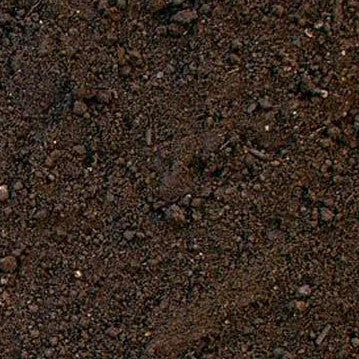
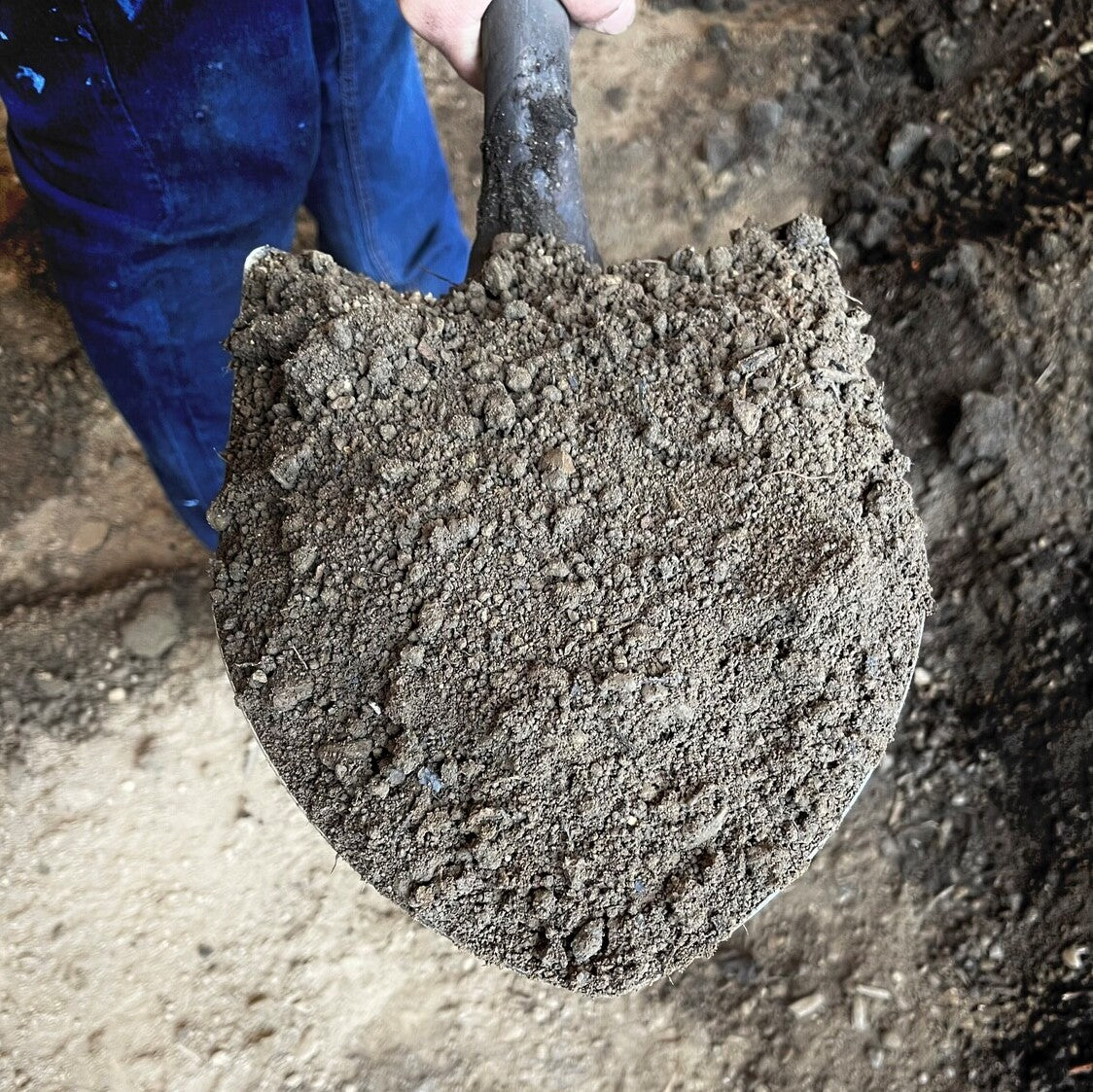
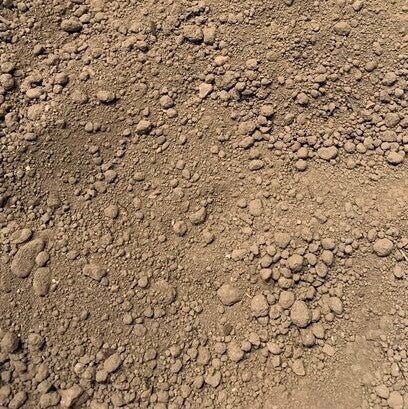
Quality topsoil for lawns, gardens, and landscape projects. Nutrient rich and ready to support strong root development and healthy plant establishment.
I got 3 yards of dirt to create a garden bed on the side of my house and to help fill my new raised garden beds. We had enough dirt to do all of this and fill some holes in the yard! Thanks 😃
Quality topsoil for lawns, gardens, and landscape projects. Nutrient rich and ready to support strong root development and healthy plant establishment.
I got 3 yards of dirt to create a garden bed on the side of my house and to help fill my new raised garden beds. We had enough dirt to do all of this and fill some holes in the yard! Thanks 😃
How Much Material Do I Need?
For lawn grading and low spot repair in Victoria, plan for 2 to 4 inches of topsoil across problem areas as a minimum effective fill depth to address the drainage issues that clay terrain produces. For new garden beds being built above Victoria's native clay, a full 10 to 12 inch depth of blended garden soil gives plants the best possible start and avoids the stunted root growth that comes from fighting through clay too early.
Use our free soil calculator
What is a yard?
A yard is approximately 27 cubic feet. As a general guideline, one yard of material can cover an area of about 100-160 square feet at a 2-3 inch depth.
I got 3 yards of dirt to create a garden bed on the side of my house and to help fill my new raised garden beds. We had enough dirt to do all of th...
Read full review
I got 3 yards of dirt to create a garden bed on the side of my house and to help fill my new raised garden beds. We had enough dirt to do all of this and fill some holes in the yard! Thanks 😃
Placing an order online was so easy. Delivery was on time. When the driver realized we had a newly poured driveway they erred on the side of cautio...
Read full review
Placing an order online was so easy. Delivery was on time. When the driver realized we had a newly poured driveway they erred on the side of caution and opted not ti drive in it. The company even sent me a message explaining that call. Would recommend!
For grading and fill projects, measure the length and width of each area in feet and estimate the average depth of fill needed in inches, then divide that depth by 12 to convert to feet before multiplying everything together for cubic footage. Victoria's flat terrain often means fill depth varies significantly across a single yard, so taking measurements at several points and averaging them gives you a more accurate order quantity. Our calculator handles the cubic yard conversion once you have your square footage and target depth.
Complete Your Outdoor Soil Project
After grading and building your beds with bulk soil, finishing with a layer of mulch is essential in Victoria to protect your investment from the baking summer heat and from surface erosion during heavy rains. If you are creating defined bed edges or pathways around your new planting areas, our stone and gravel options pair well with freshly built beds to provide clean, lasting borders that hold their shape through Victoria's wet seasons.
Can I till bulk topsoil into my existing Victoria clay to improve it, or do I need to replace it entirely?
Tilling quality topsoil or a garden blend into the top 6 to 8 inches of Victoria's clay is one of the most effective ways to improve it for gardening without a full replacement. The key is incorporating enough volume to actually change the texture, typically at least 3 to 4 inches of imported soil worked in thoroughly. Simply laying a thin layer on top of clay without tilling leaves a hard interface layer that roots struggle to cross, so integration is essential.
Answer
What is the difference between topsoil and garden soil for my Victoria planting beds?
Topsoil is a natural mineral soil well suited for grading, filling low spots, and lawn repair where you need volume and a stable base without needing nutrient content. Garden soil or a blended mix includes compost and organic amendments that improve drainage and nutrient availability, making it the better choice for planting beds in Victoria where the native clay needs real help to support vegetables or ornamental plantings through our long growing season.
Answer
How much soil do I need to fix the low spots in my Victoria yard?
To raise a low area by 2 inches across a 200 square foot section you need roughly 1.25 cubic yards of soil. Victoria's flat terrain means many yards have multiple low spots that collect water after heavier rains. It is worth mapping out all your problem areas before ordering so you can address everything in a single delivery rather than making multiple smaller purchases throughout the season.
Answer
Is bulk soil safe to use for a vegetable garden in Victoria?
Yes, our topsoil and garden blends are suitable for vegetable gardens. For food production in Victoria, the garden blend or a mix with compost content is the better choice because Victoria's native clay is typically low in organic matter. The additional nutrients and improved drainage of a blended mix give vegetables a much stronger start, and our long Zone 9a growing season means your investment in good soil pays off across two or even three planting cycles per year.
Answer
When should I add bulk soil before starting a new garden bed in Victoria?
The best timing is a few weeks before your planting target date. For spring gardens in Victoria that means getting soil down by mid to late February so it can settle before your last frost passes around March 2. For fall gardens, adding soil in August allows time to prep beds before the ideal fall planting window in September and October, which is one of the most productive growing periods in Victoria's climate for cool-season crops.
Answer
Will freshly placed bulk soil wash away during one of Victoria's heavy rain events?
Freshly placed loose soil is vulnerable to erosion during heavy rains, and Victoria does experience those events, particularly in spring and early fall. The most effective protection is applying a layer of mulch over new soil immediately after grading or bed building. On any sloped areas, straw or erosion mat can also help until plant roots begin holding the soil in place and the ground starts to stabilize.
Answer
How deep should I build a raised bed in Victoria if I am growing above the clay?
For most vegetables and ornamentals in Victoria, a raised bed with 10 to 12 inches of good garden soil gives roots enough room to stay entirely above the problematic clay layer below. This is especially important in Zone 9a where heat-sensitive root crops like carrots and potatoes need loose, well-drained soil to develop properly. For deeper-rooted perennials and larger shrubs, 12 to 16 inches of quality soil provides even greater long-term benefit.
Mulch Mound Pro Tip
Victoria's clay soil shrinks noticeably during dry summer months and expands after rain, and this cycle can shift newly graded areas over time. When filling low spots or building up grade, add about 10 to 15 percent more soil than your calculated volume to account for natural settling and compression. Watering your new soil in after placing it helps it consolidate faster and gives you a more accurate picture of the final grade before you begin planting.
Mulch Mound Pro Tip
For vegetable gardening in Victoria, timing your soil prep to align with our two most productive growing windows makes a real difference in how well your plants perform. Prepare spring beds in late January and February so soil has time to settle and warm slightly before transplanting after March 2. For fall crops, prep beds in August when summer heat begins to ease, so you are fully ready to plant cool-season greens, broccoli, and root vegetables in September for harvest running through December.
Mulch Mound Pro Tip
When building raised beds above Victoria's clay, consider laying a thin layer of coarse gravel or expanded shale at the base of the bed before adding your garden soil. This drainage break layer prevents the hard interface problem where roots hit the clay hardpan and spread sideways rather than growing downward. It also creates a buffer that keeps your raised bed soil from becoming waterlogged after the heavy concentrated rainfall events that Victoria receives as part of its 41 inch annual total.
The Unique Landscape of Victoria
Victoria's native clay soil is defined by two persistent problems that directly undermine landscaping and gardening success: it stays waterlogged after rains and then hardens to near concrete consistency during dry periods. Adding quality topsoil or a blended garden mix to your project areas provides a workable foundation that drains better and supports root development from the moment you plant. The flat topography common across Victoria makes proper grading especially important, because low spots collect water during storms and remain saturated long after rainfall ends, damaging roots and creating muddy problem areas. Importing bulk soil lets you raise those low areas, build proper slope away from structures, and create raised bed environments where plants can thrive above the drainage limitations of the native ground. In Zone 9a, the growing season runs nearly year round between our last frost around March 2 and first frost around December 11, so investing in the right soil foundation pays dividends across multiple planting cycles every year.






 +2
+2


