





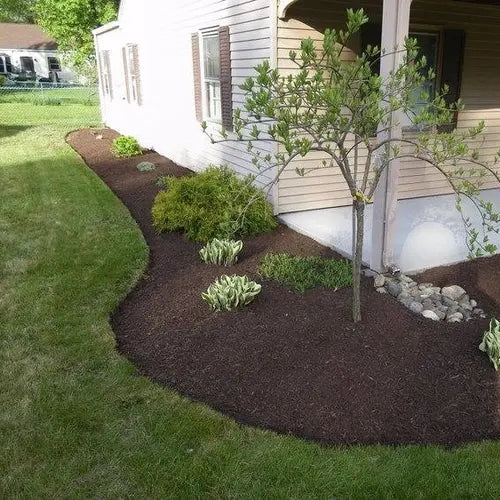





Website was easy to use. Mulch was delivered on time and exactly where specified. It makes our front yard look great just in time for spring!
About this mulch
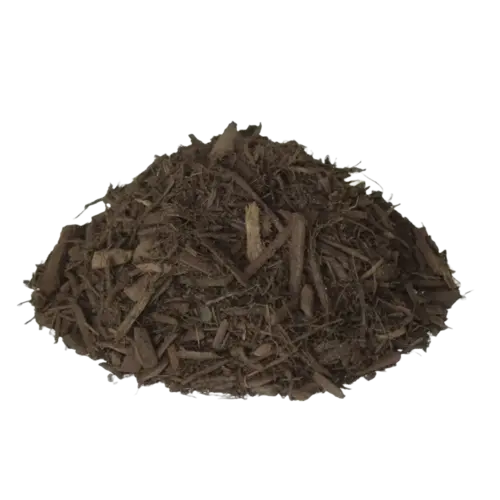
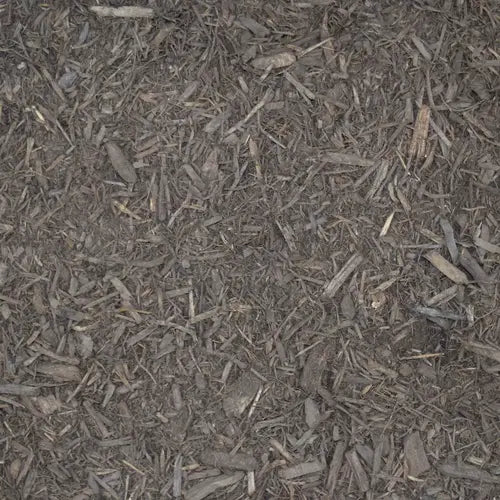
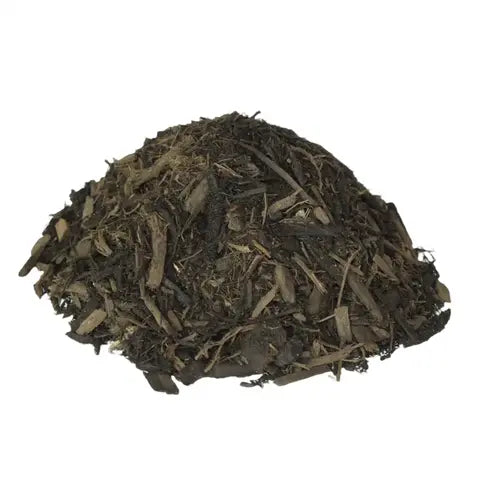
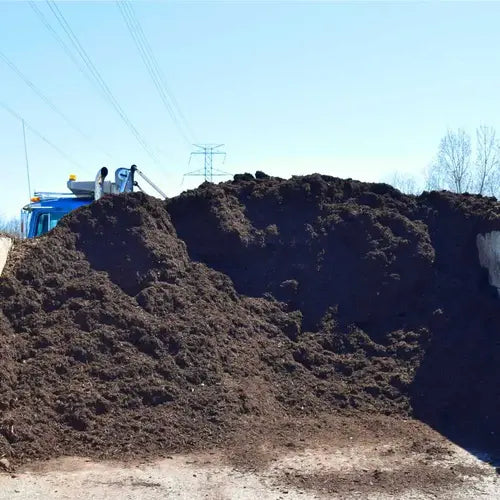
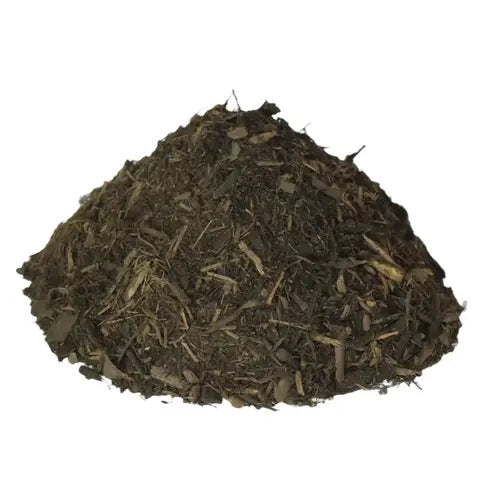
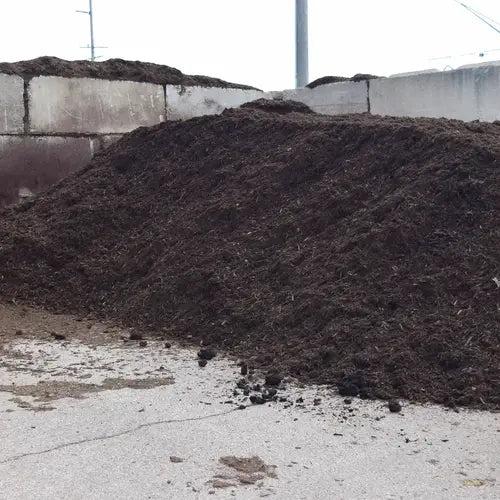
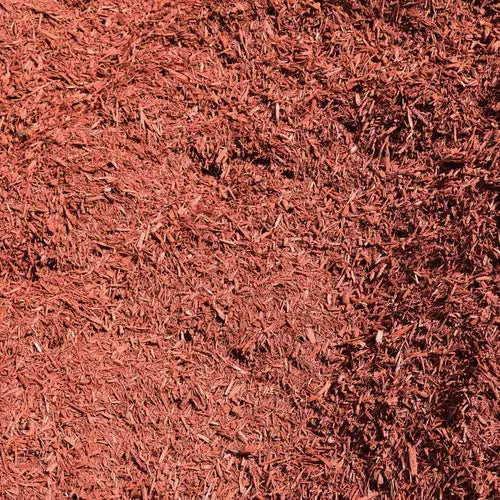
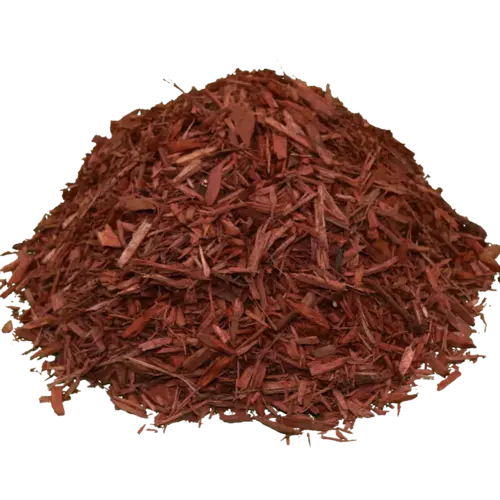
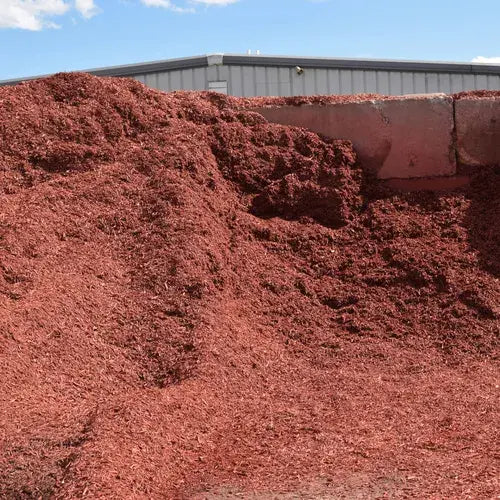
Double-shredded mulch dyed a rich, even brown that holds its color through the season.
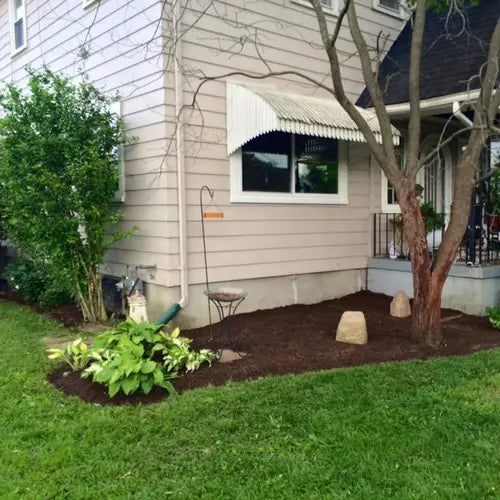
Website was easy to use. Mulch was delivered on time and exactly where specified. It makes our front yard look great just in time for spring!
Tell us what you're looking for
Thanks! We received your request.
Something went wrong. Please try again.
How Much Material Do I Need?
How Much Material Do I Need?
Plan on three inches for established beds and two inches around shallow rooted azaleas and dogwoods that are common in Wake Forest yards. One cubic yard covers about 108 square feet at three inches deep.
Use our free mulch calculator
What is a yard?
What is a yard?
FAQs
FAQs
Wake Forest Mulch Delivery
Wake Forest Mulch Delivery
Regular price
$64.00
per
Yard
Regular price
Sale price
$64.00
Unit price
per
Shipping calculated at checkout.
Minimum of 3 Yard
Couldn't load pickup availability
Not currently available
We can't take orders for this right now. Tell us what you need and we'll get back to you.
Hand-picked local yards
4,000+ regional deliveries
Dedicated support
Why order through Mulch Mound
The best local , without the guesswork.
We hand-pick and partner with the best yards in your region, keep only the ones our buyers rate well, and back each load with our guarantee.
Mulch Mound Guarantee
If your isn't the quantity or quality you ordered, we'll make it right.
About this mulch
Double-shredded mulch dyed a rich, even brown that holds its color through the season.
Website was easy to use. Mulch was delivered on time and exactly where specified. It makes our front yard look great just in time for spring!
How Much Material Do I Need?
How Much Material Do I Need?
Plan on three inches for established beds and two inches around shallow rooted azaleas and dogwoods that are common in Wake Forest yards. One cubic yard covers about 108 square feet at three inches deep.
Use our free mulch calculator
What is a yard?
What is a yard?
FAQs
FAQs
Tell us what you're looking for
Thanks! We received your request.
Something went wrong. Please try again.

How It Works
Getting started is easy — just follow these simple steps
1
Choose your Mulch
Make sure you adjust the quantity to your home's needs. You can use our calculator to estimate how much you'll need.
2
Select your delivery date
Select a delivery date you'd like for the product to be dropped off at your home
3
Sit back and wait
Sit back, wait, and let us work our magic to make sure the highest quality product is delivered to your driveway.

Prompt, accommodating, lovely mulch.

I am very happy with Mulch Mound service and with the triple shredded mulch. It looks great, and I would use them again.
Calculate mulch for your Wake Forest project
For Wake Forest's type of soil, we recommend 2-3 inches for best weed suppression and moisture retention
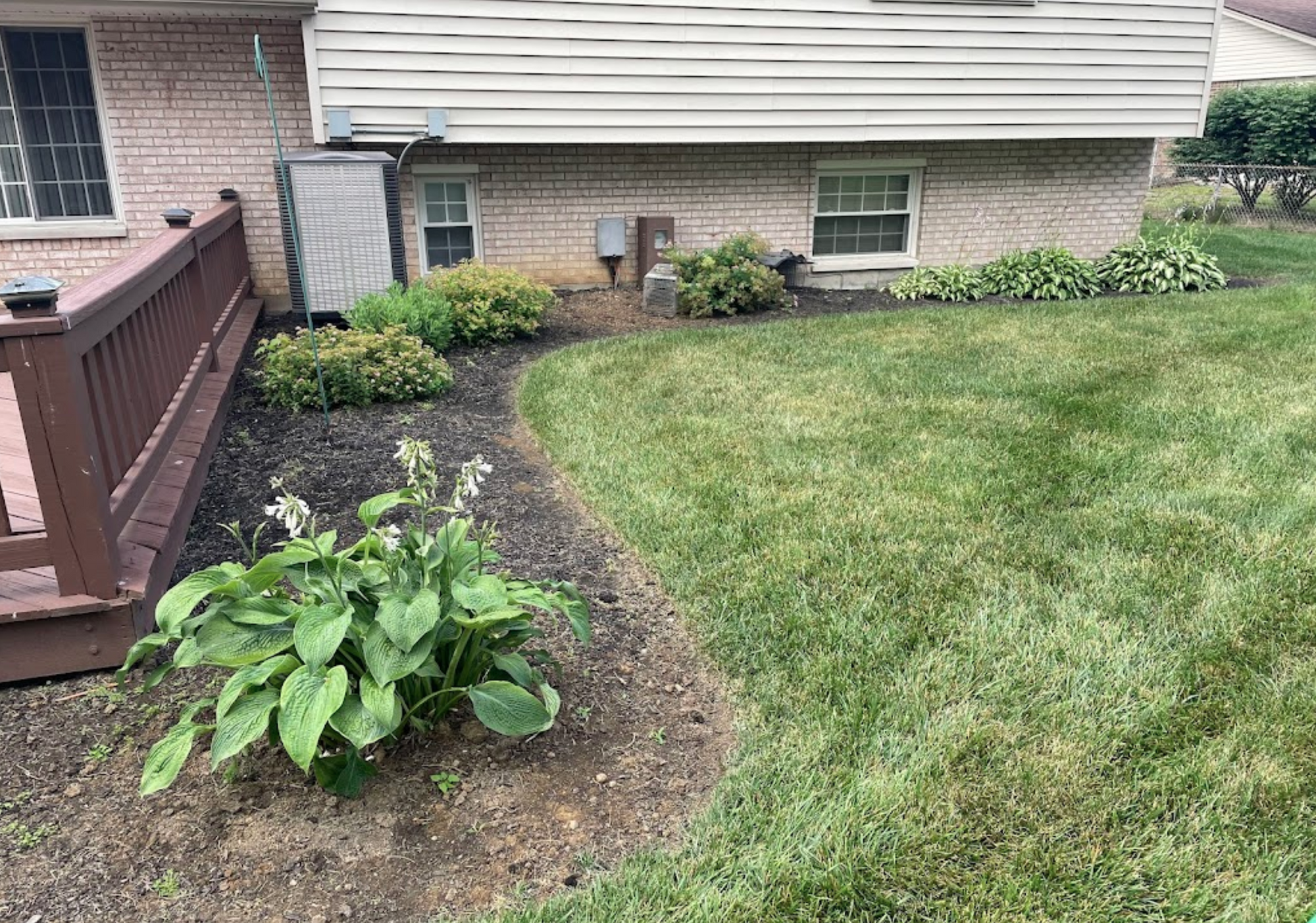
Try Our CalculatorMeasure each bed separately rather than guessing at your whole yard, since Wake Forest lots are usually a mix of curved foundation beds, tree rings, and a strip along the property line. Break odd shapes into rectangles and circles, add the square footage together, then plug that number in with your target depth. Round up to the next half yard so you are not short at the far end of the bed.


Best Mulch Choice for Wake Forest Lawns
Most yards in the Wake Forest area sit on type of soil. Wake Forest red clay is dense, slow draining, and prone to forming a hard crust that new roots struggle to penetrate. Plant beds built directly on untouched clay often stay soggy in winter and rock hard by August, which stresses shrubs from both directions.
Hardwood Mulch
Shredded hardwood mulch is the best fix because it breaks down slowly at the soil line, feeding earthworms and fungi that tunnel through compacted clay and open real drainage channels. Each season a little more of that hardwood becomes humus, and over three or four years Wake Forest homeowners see beds that finally crumble instead of crack.
Complete Your Outdoor Mulch Project
Pair your mulch with a few yards of compost or garden soil to amend the clay underneath before you spread, and add pea gravel or river rock for downspout splash zones where mulch always washes out. Landscape edging keeps everything in place after our heavy summer downpours.
Service area
Areas we deliver mulch in Wake Forest, North Carolina
Mulch Mound Pro Tip
Before you spread a single shovel, run a garden fork or broadfork through the top few inches of your red clay beds. Wake Forest clay compacts hard after winter rain and mulch laid over a sealed surface just sits there. Loosening the top layer lets water and air move down instead of sheeting off toward the lawn. It takes an extra hour and doubles the value of everything you put on top.
Mulch Mound Pro Tip
Build a shallow saucer, not a volcano, around trees. Mulch piled against a trunk holds Wake Forest humidity right where bark should stay dry, and that is how young maples and crepe myrtles rot at the base. Keep a three inch ring of bare soil at the trunk and taper mulch outward to the drip line. The roots that actually feed the tree are out there anyway, not against the stem.
Mulch Mound Pro Tip
Water your beds thoroughly the day before mulching, especially in a dry April. Dry red clay repels water, and a fresh mulch layer over parched soil can shed the next inch of rain right off the surface. Wetting the ground first means moisture is already stored below and your mulch immediately starts holding it in rather than blocking it out. This single step keeps new plantings alive through their first Wake Forest summer.
The Unique Landscape of Wake Forest
Wake Forest sits on heavy red Piedmont clay that bakes into a crust by late June and holds water like a bathtub after a thunderstorm. Mulch is the buffer between that clay and your plants, keeping soil temperatures steadier through Zone 8a summers that regularly push past 95 degrees. With roughly 46 inches of rain a year, much of it arriving in short heavy bursts, a proper mulch layer stops raindrop impact from sealing the clay surface and washing fines onto your driveway. It also buys you a longer growing window, protecting shallow roots from the first frost around November 5 and helping beds warm evenly after the last frost near April 2. Because Wake Forest lots often slope toward creeks feeding the Neuse basin, mulch doubles as erosion control on beds that would otherwise gully out. Over a few seasons, shredded hardwood breaking down at the soil line is one of the few things that genuinely loosens compacted red clay.