




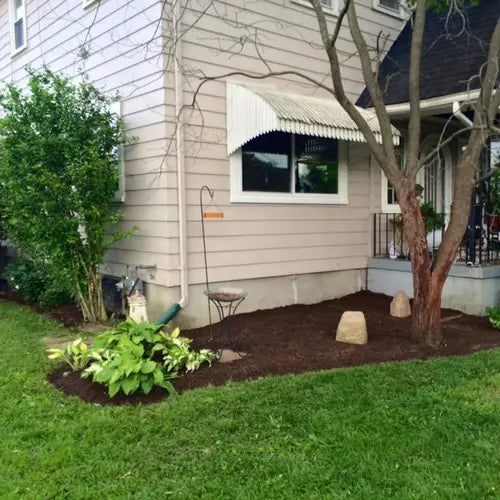


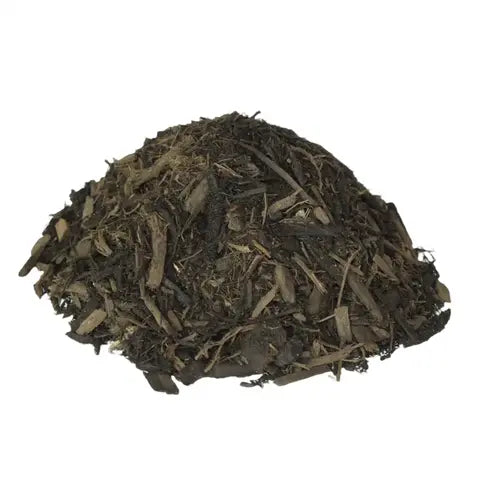

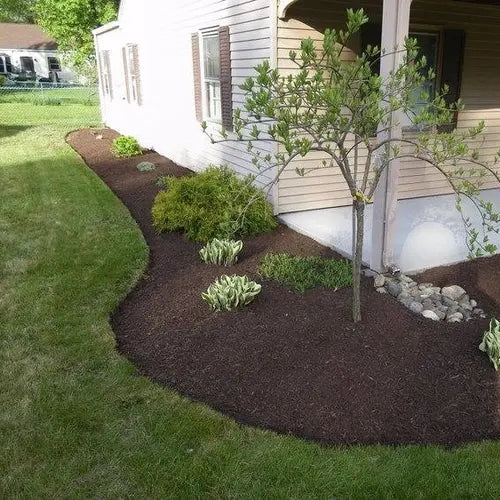

Our delivery was delayed but the new brown color mulch is a nice upgrade to our landscaping.
About this mulch
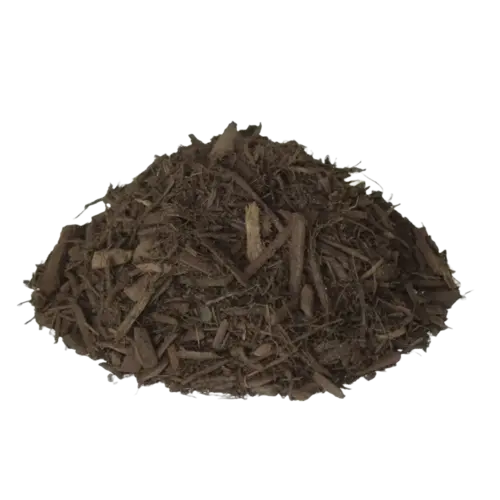
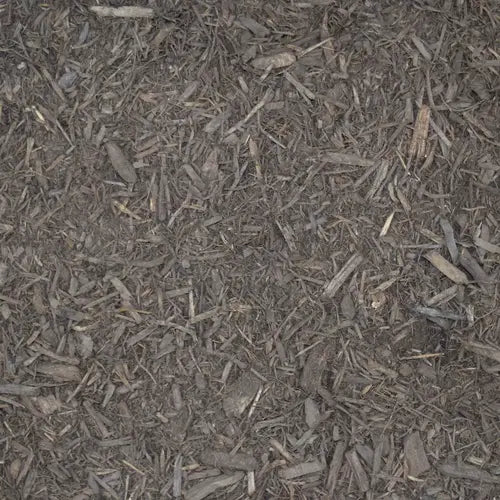
Warm brown double shredded mulch with lasting color that looks freshly applied for weeks. Spreads smooth, stays put, and gives beds a natural, polished appearance.
Our delivery was delayed but the new brown color mulch is a nice upgrade to our landscaping.
Tell us what you're looking for
Thanks! We received your request.
Something went wrong. Please try again.
How Much Material Do I Need?
How Much Material Do I Need?
For Waldwick's sandy loam soil, a 3-inch layer is the minimum recommended depth to meaningfully slow evaporation and suppress weeds through the growing season. Beds in especially sunny or wind-exposed spots may benefit from going closer to 4 inches to account for faster surface drying between rain events.
Use our free mulch calculator
What is a yard?
What is a yard?
FAQs
FAQs
Waldwick Mulch Delivery
Waldwick Mulch Delivery
Regular price
$64.00
per
yard
Regular price
Sale price
$64.00
Unit price
per
Shipping calculated at checkout.
Minimum of 3 yard
Couldn't load pickup availability
Not currently available
We can't take orders for this right now. Tell us what you need and we'll get back to you.
Hand-picked local yards
4,000+ regional deliveries
Dedicated support
Why order through Mulch Mound
The best local mulch, without the guesswork.
We hand-pick and partner with the best yards in your region, keep only the ones our buyers rate well, and back each load with our guarantee.
Mulch Mound Guarantee
If your mulch isn't the quantity or quality you ordered, we'll make it right.
About this mulch
Warm brown double shredded mulch with lasting color that looks freshly applied for weeks. Spreads smooth, stays put, and gives beds a natural, polished appearance.
Our delivery was delayed but the new brown color mulch is a nice upgrade to our landscaping.
How Much Material Do I Need?
How Much Material Do I Need?
For Waldwick's sandy loam soil, a 3-inch layer is the minimum recommended depth to meaningfully slow evaporation and suppress weeds through the growing season. Beds in especially sunny or wind-exposed spots may benefit from going closer to 4 inches to account for faster surface drying between rain events.
Use our free mulch calculator
What is a yard?
What is a yard?
FAQs
FAQs
Tell us what you're looking for
Thanks! We received your request.
Something went wrong. Please try again.

How It Works
Getting started is easy — just follow these simple steps
1
Choose your Mulch
Make sure you adjust the quantity to your home's needs. You can use our calculator to estimate how much you'll need.
2
Select your delivery date
Select a delivery date you'd like for the product to be dropped off at your home
3
Sit back and wait
Sit back, wait, and let us work our magic to make sure the highest quality product is delivered to your driveway.

Mulch Mound made it so easy! So happy with the pricing, turn around time, delivery and product. I submitted my online order on a Thursday. The mu...
Read full review
Mulch Mound made it so easy! So happy with the pricing, turn around time, delivery and product. I submitted my online order on a Thursday. The mulch was delivered to the designated location by a local landscape company at 8:30 a.m. the following Saturday morning. We had the job completed by that afternoon. We chose the natural brown mulch, and the plant beds are beautiful.

Good quality, great price, fast delivery. All online - no submitting forms and waiting for days for quotes.
Getting mulch should be this easy fr...
Read full review
Good quality, great price, fast delivery. All online - no submitting forms and waiting for days for quotes.
Getting mulch should be this easy from everyone. Only Mulch Mound is ACTUALLY this simple.
Calculate mulch for your Waldwick project
For Waldwick's Sandy Loam type of soil, we recommend 2-3 inches for best weed suppression and moisture retention
Try Our CalculatorStart by walking your beds with a measuring tape and recording the length and width of each area in feet. Multiply length by width to get square footage, then divide by 100 to find the number of cubic yards needed for a 3-inch layer, which is the right depth for Waldwick's fast-draining sandy loam. If you have curved or irregularly shaped beds, break them into rectangular sections and add the totals together before placing your order.
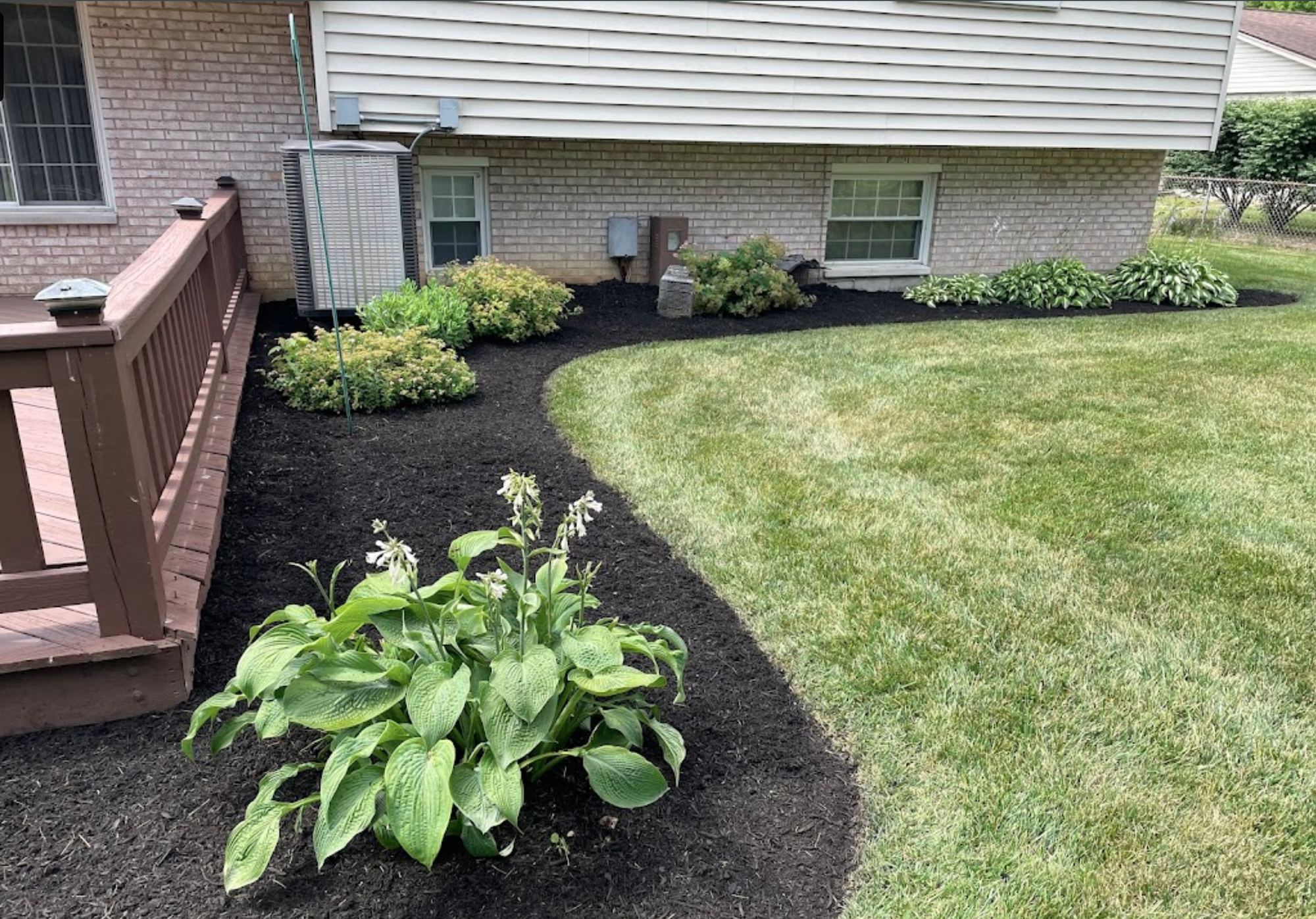
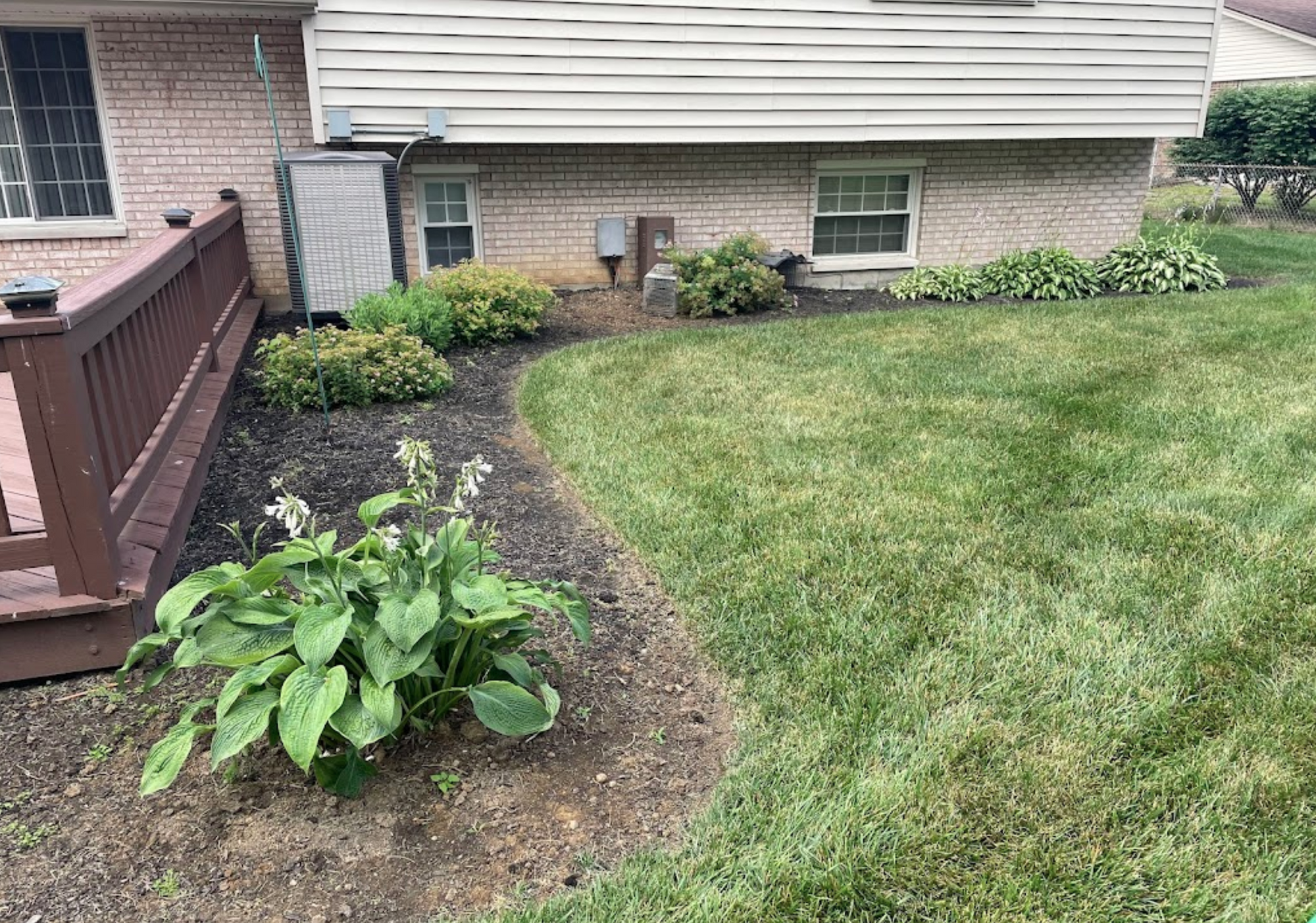

Best Mulch Choice for Waldwick Lawns
Most yards in the Waldwick area sit on Sandy Loam type of soil. Waldwick's sandy loam drains quickly and holds very little organic matter on its own, which means plant beds can become nutrient-depleted and moisture-stressed without a protective surface layer to slow evaporation between rain events. Choosing the right mulch is less about aesthetics alone and more about giving your soil the consistent support it needs to sustain healthy root development through the full growing season.
Hardwood Mulch
Hardwood mulch is particularly well suited to Waldwick's sandy loam beds because as it breaks down over one to two seasons, it releases organic matter directly into the upper soil layer. That organic matter acts like a slow-release amendment, improving the soil's ability to hold both moisture and nutrients, which are exactly the two things that sandy loam consistently struggles to retain on its own.
Mulch Types We Deliver in Waldwick
Mulch Mound delivers fresh bulk mulch by the cubic yard to homeowners and landscapers throughout the area. If you have been searching for bulk mulch delivery in Waldwick, we offer direct-to-driveway service with no middleman. Choose your variety, tell us how much you need, and we take care of the rest.
Dyed Black Mulch
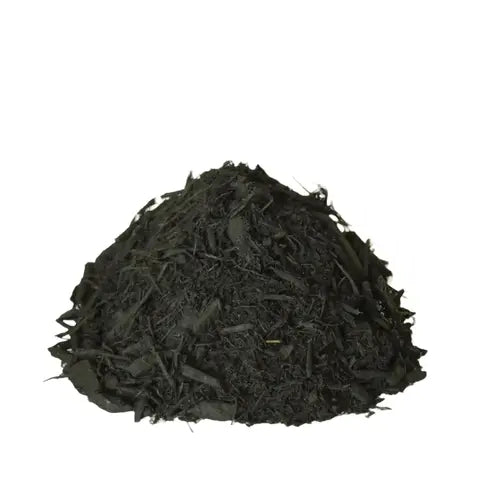
Dyed Black is a top pick for the colonial and cape-style homes common across this part of Bergen County. The rich, bold color makes garden borders and foundation beds pop from the curb, and the double shredded texture spreads evenly and holds up well through the wet springs this region sees.
Dyed Brown Mulch
Dyed Brown offers a warm tone that pairs naturally with the wooded backyards and mixed shrub plantings common in this part of New Jersey. The double shredded cut spreads flat and holds color well into summer, giving any bed a polished, freshly maintained look.
Natural Brown Mulch
Natural Brown suits gardeners who prefer an honest, undyed look that ages gracefully alongside the landscape. It comes in double shredded for a smooth, even spread or triple shredded for a finer texture that works well around perennials and in tight planting beds throughout the yard.
Cedar Mulch
Cedar is well suited for entryway beds and foundation plantings where its natural fragrance and insect deterrent properties make a noticeable difference. The fine double shredded texture spreads easily, and the slow decomposition rate means less topping off over the course of the growing season.
Complete Your Outdoor Mulch Project
Pairing mulch with a quality garden soil gives Waldwick plant beds the nutrient foundation that sandy loam cannot provide on its own, setting roots up for strong growth from the first thaw in April. Consider adding a stone border or pathway edge to define your beds and prevent mulch from migrating onto the lawn during heavy Bergen County rain events.


Service area
Areas we deliver mulch in Waldwick, New Jersey
Mulch Mound Pro Tip
Waldwick's sandy loam loses nitrogen quickly because it does not hold nutrients the way heavier soils do. Before laying fresh mulch each spring, scratch a slow-release fertilizer into the top inch of soil so nutrients are available to roots before they get covered. This two-step approach, feeding the soil first and then mulching over it, gives perennials and shrubs a noticeably stronger start after the last frost clears around April 15.
Mulch Mound Pro Tip
Edge your beds cleanly before spreading mulch each season so material stays where you want it. A sharp half-moon edger cuts a crisp separation between lawn and bed, which is especially important in Waldwick where sandy loam shifts easily and grass creeps into open beds without much resistance. A defined edge also keeps mulch from spreading onto turf, reducing the spot weeding and cleanup you would otherwise do through summer.
Mulch Mound Pro Tip
Waldwick receives about 48 inches of rain per year, and while that sounds like plenty, it arrives unevenly and heavy storms can wash thin mulch layers off slopes and pile material against plant crowns, which causes rot at the base. Always rake mulch so it sits in a donut shape around stems and trunks rather than mounding up against them, and walk your beds after significant storms to redistribute any material that has shifted or accumulated where it should not be.
The Unique Landscape of Waldwick
Waldwick's native sandy loam soil drains quickly, which means plant beds dry out faster than homeowners expect, especially during the dry stretches that occasionally interrupt the area's 48 inches of annual rainfall. A consistent layer of mulch acts as a buffer, slowing evaporation and keeping root zones from experiencing the wide moisture swings that stress shrubs and perennials through the summer. With a first frost typically arriving around October 23 and the last frost holding until mid-April, Waldwick gardens face a meaningful freeze-thaw cycle that can heave roots and damage soil structure without adequate insulation overhead. Mulch also suppresses the opportunistic weeds that thrive in the light, open texture of sandy loam, where seeds germinate easily with minimal competition from the soil itself. Keeping beds mulched year-round is one of the most practical investments a Waldwick homeowner can make for both plant health and curb appeal.