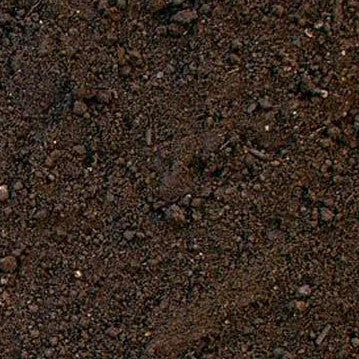
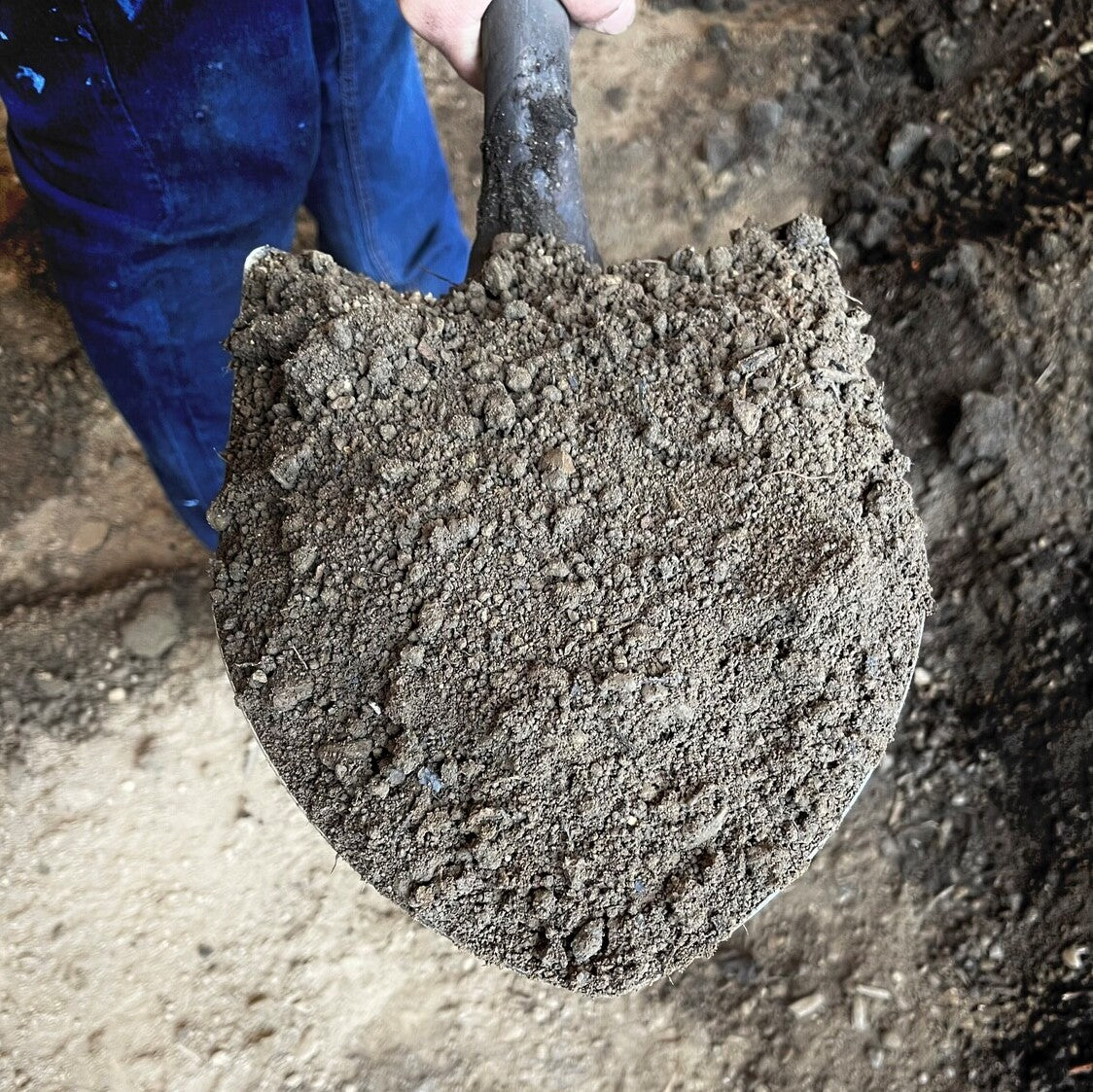
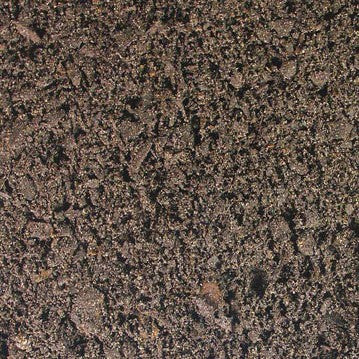
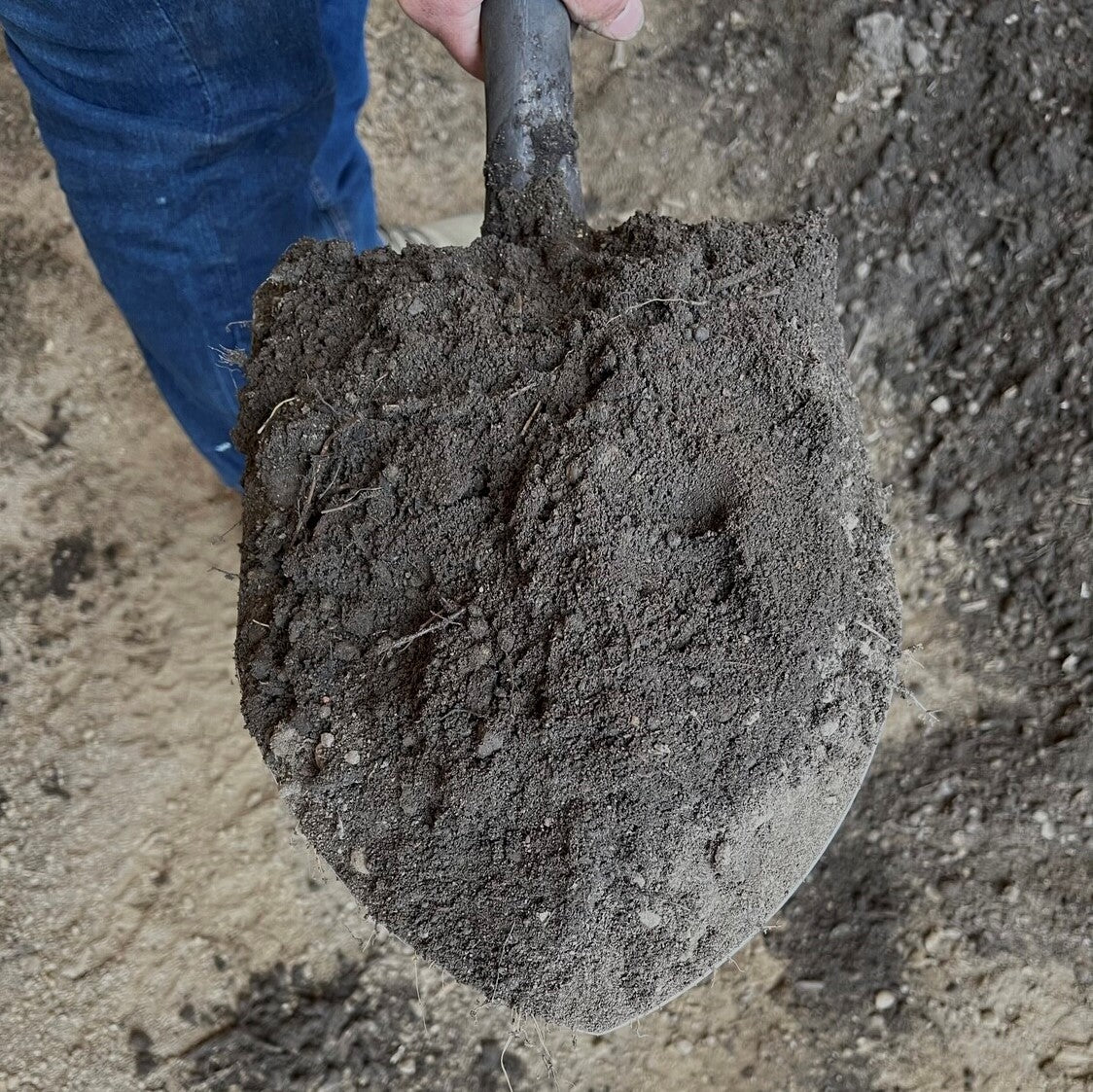
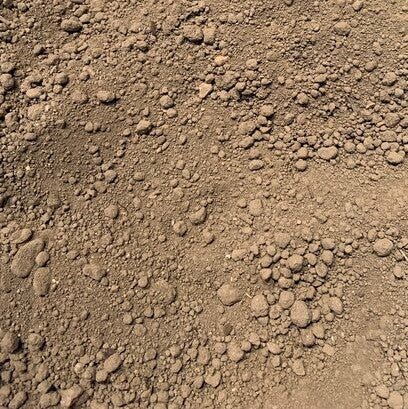
Quality topsoil for lawns, gardens, and landscape projects. Nutrient rich and ready to support strong root development and healthy plant establishment.
This review compares my experience with Mulch Mound compared to another local company that has delivered soil to me. The soil purchased from Mulch Mound was for two more of my large raised beds for flowers and vegetables-- I have 8 total beds. 1st- the ordering process was v...
Quality topsoil for lawns, gardens, and landscape projects. Nutrient rich and ready to support strong root development and healthy plant establishment.
This review compares my experience with Mulch Mound compared to another local company that has delivered soil to me. The soil purchased from Mulch Mound was for two more of my large raised beds for flowers and vegetables-- I have 8 total beds. 1st- the ordering process was v...
How Much Material Do I Need?
For new planting beds in Waldwick, 6 to 12 inches of quality soil gives roots a nutritious and moisture-retentive layer above the native sandy loam. For lawn topdressing and leveling, spreading a quarter to half inch at a time allows grass to grow back through without smothering, and you can repeat applications across multiple seasons to gradually improve the surface.
Use our free soil calculator
What is a yard?
A yard is approximately 27 cubic feet. As a general guideline, one yard of material can cover an area of about 100-160 square feet at a 2-3 inch depth.
This review compares my experience with Mulch Mound compared to another local company that has delivered soil to me. The soil purchased from Mulch...
Read full review
This review compares my experience with Mulch Mound compared to another local company that has delivered soil to me. The soil purchased from Mulch Mound was for two more of my large raised beds for flowers and vegetables-- I have 8 total beds. 1st- the ordering process was very easier with Mulch Mound and I was impressed with the follow-ups regarding my order and delivery. The soil calculator was easy to use but would not let me order 1.5 yards so I have too much left over soil. The wait time for delivery was very short and the actual delivery was excellent. The soil was deposited in the exact location requested. The biggest difference between the two companies was the quality of the soil. The Mulch Mound was not adequately ground up or pulverized. There a significant number of larger and smaller dirt clumbs that seemed to be clay and very difficult to break up. In fact, I have a 12 inch bolder of dirt that is solid. I never have had big dirt clods or a boulder with the other company. So, I am not sure if the Mulch Mound dirt is just landfill dirt or actual garden soil with compost like the other company, The other reviews were very positive about their soil quality so I may have just received a lower quality batch. I just hope this will be good for growing.
To estimate soil needs, measure the length and width of the area in feet and decide on your target depth. Multiply length by width by depth in feet, then divide by 27 to convert cubic feet into cubic yards. For Waldwick lawn leveling projects, even a half-inch depth across a large lawn area can add up to more material than expected, so running the math before you order helps you avoid a second delivery or ending up short.
Complete Your Outdoor Soil Project
After building up your soil base, finishing beds with a layer of mulch locks in the moisture that Waldwick's sandy loam would otherwise lose too quickly between rain events. Stone edging or decorative gravel along pathways and bed borders keeps fresh soil in place and reduces erosion during the heavy spring storms that are common across Bergen County.
What kind of soil should I use to level low spots in my Waldwick lawn?
For lawn leveling in Waldwick, screened topsoil or a topsoil and sand blend works well because it spreads thinly and grass grows back up through it quickly. Because Waldwick's native soil is already sandy loam, a similar blend integrates smoothly without creating a hard or compacted layer that could interfere with drainage or root growth in those repaired areas.
Answer
How much soil do I need to fill a raised vegetable bed?
A standard raised bed that is 4 feet wide, 8 feet long, and 12 inches tall requires about 1.2 cubic yards of soil. For Waldwick vegetable gardens, using a blended mix with compost built in gives your plants the nutrient density and moisture retention that native sandy loam cannot provide on its own, which makes a real difference in productivity through the hot and occasionally dry stretches of July and August.
Answer
Can I use bulk topsoil to improve my existing Waldwick garden beds?
Yes, adding a few inches of quality topsoil on top of existing beds and working it in is one of the most effective ways to address the nutrient and moisture retention issues common to Waldwick's sandy loam. Doing this in spring before the last frost passes around April 15 gives the soil time to settle and integrate before your plants hit their peak growing period.
Answer
My backyard pools water after heavy rain. Can adding soil fix that?
Regrading low areas with clean fill or topsoil can redirect surface water away from the house and problem zones. Waldwick sees fairly heavy storm events through spring and fall, so proper grading that directs runoff toward planted areas or a drainage outlet rather than letting it pool near foundations is a worthwhile investment that bulk soil deliveries make practical and affordable.
Answer
When is the best time to add topsoil to my lawn in Waldwick?
Early spring, just after the last frost clears around April 15, is an ideal window for lawn topdressing in Waldwick. The soil is workable, cool-season grass is beginning to grow actively, and rainfall is typically consistent enough to help the fresh soil settle and knit into the existing turf. A fall topdressing before October 23 is also effective, especially when combined with overseeding thin or bare areas.
Answer
Is bulk soil delivery worth it compared to buying bags at a hardware store?
For any project larger than a couple of small containers, bulk delivery is significantly more economical in Waldwick. A single cubic yard of topsoil is equivalent to roughly 14 standard 40-pound bags, and bulk pricing per cubic yard is a fraction of the per-bag cost. For raised beds, lawn repairs, or grading work, the savings on bulk delivery pay for themselves quickly on almost any real project.
Answer
How deep should I go when adding soil to a new planting area?
For shrub and perennial beds in Waldwick, aim for at least 12 inches of quality soil so roots have room to establish without hitting the native sandy layer too quickly. For lawn areas, a topdressing of half an inch to one inch is usually enough to fill depressions and improve the surface without smothering existing grass. Vegetable beds do best with at least 12 inches of rich blended soil for good root depth and consistent moisture through the summer growing season.
Mulch Mound Pro Tip
When filling raised beds in Waldwick, resist the urge to use straight topsoil all the way to the top. Blend topsoil with a quality compost at roughly a two-to-one ratio so the mix holds moisture and nutrients far better than native sandy loam. This combination drains well enough to prevent root rot while retaining enough water to carry plants through the dry stretches that occasionally follow Waldwick's spring rains and arrive more frequently in late summer.
Mulch Mound Pro Tip
If you are grading near your foundation in Waldwick, slope the soil so it falls away from the house at about one inch per foot for the first six feet out. Flat or inward-sloping ground around foundations allows water to pool and eventually find its way into basements, especially during the heavy spring storms that move through Bergen County. Getting the grade right before planting or laying sod saves significant headaches in the seasons ahead.
Mulch Mound Pro Tip
Waldwick sits at 228 feet of elevation in Bergen County with enough wind exposure to dry out freshly placed soil quickly before plants establish. After adding new topsoil to a bed or lawn area, water thoroughly and plan to irrigate consistently for the first two to three weeks. Covering bare soil with a light straw layer while grass seed germinates also reduces wind erosion and keeps moisture in contact with the seed, which improves germination rates considerably.
The Unique Landscape of Waldwick
Waldwick's native sandy loam is a workable foundation but it comes with real limitations for homeowners trying to grow lush lawns, productive vegetable gardens, or thriving perennial beds. Sandy loam holds nutrients loosely and releases them quickly, which means plants in unamended beds often show signs of stress by midsummer even in a year with near-normal rainfall. The area's 48 inches of annual precipitation helps, but because sandy loam drains so freely, much of that water moves past the root zone before plants have a chance to use it. Imported topsoil or blended garden soil lets you correct those deficiencies in targeted areas without having to overhaul the entire yard. Whether you are grading a low spot that collects water after storms, building a raised vegetable bed, or refreshing a tired lawn area, the right soil makes a measurable difference in how your plants perform from one season to the next.