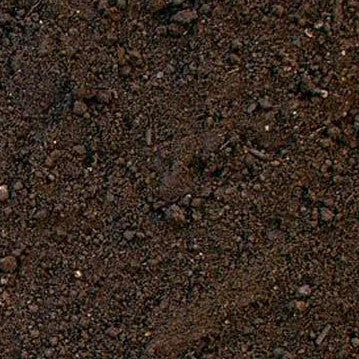
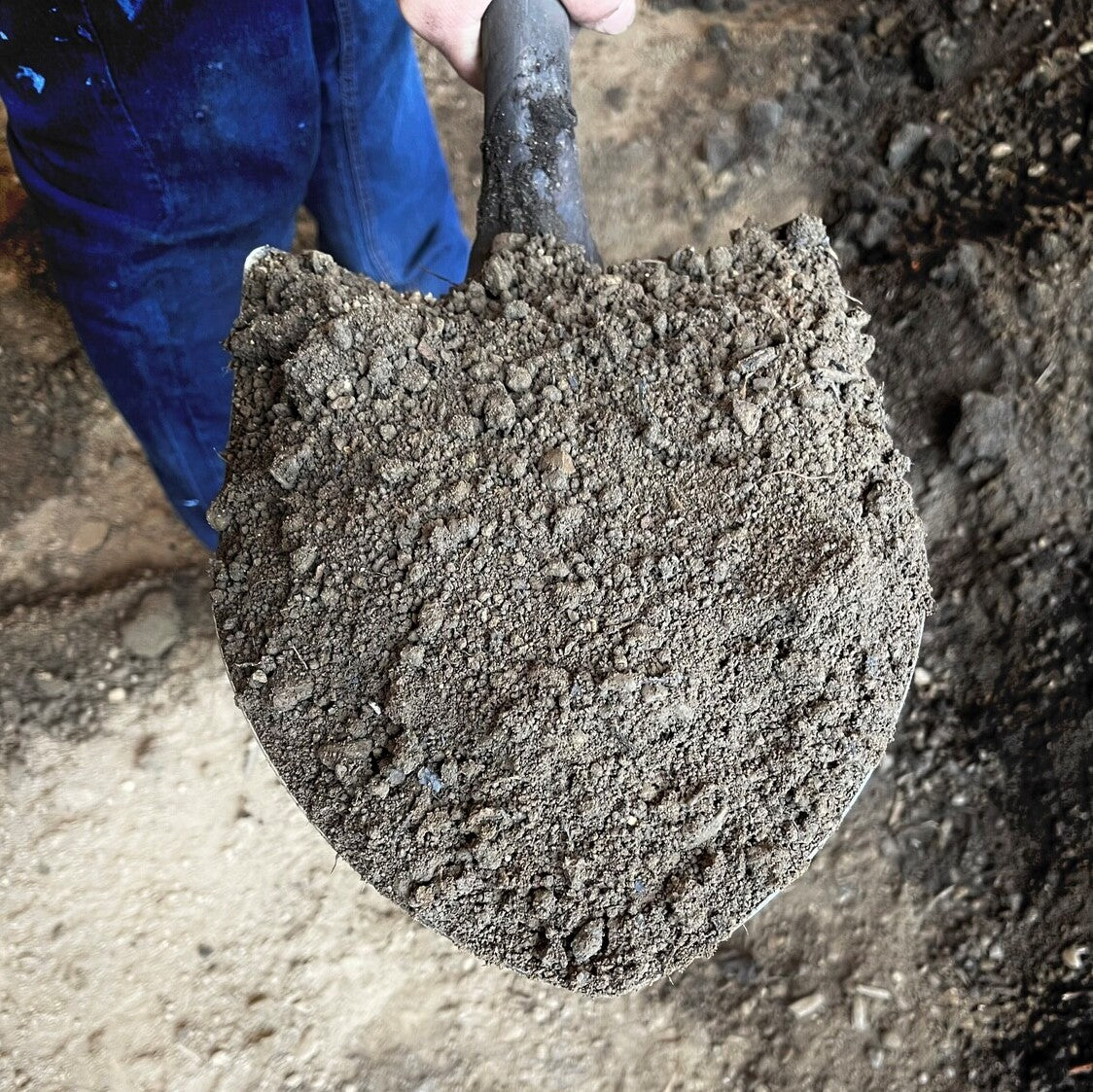
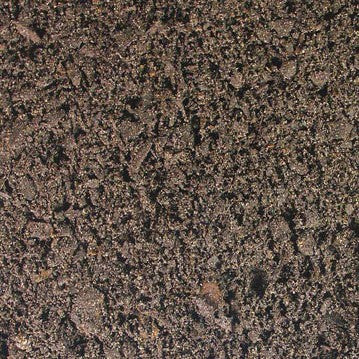
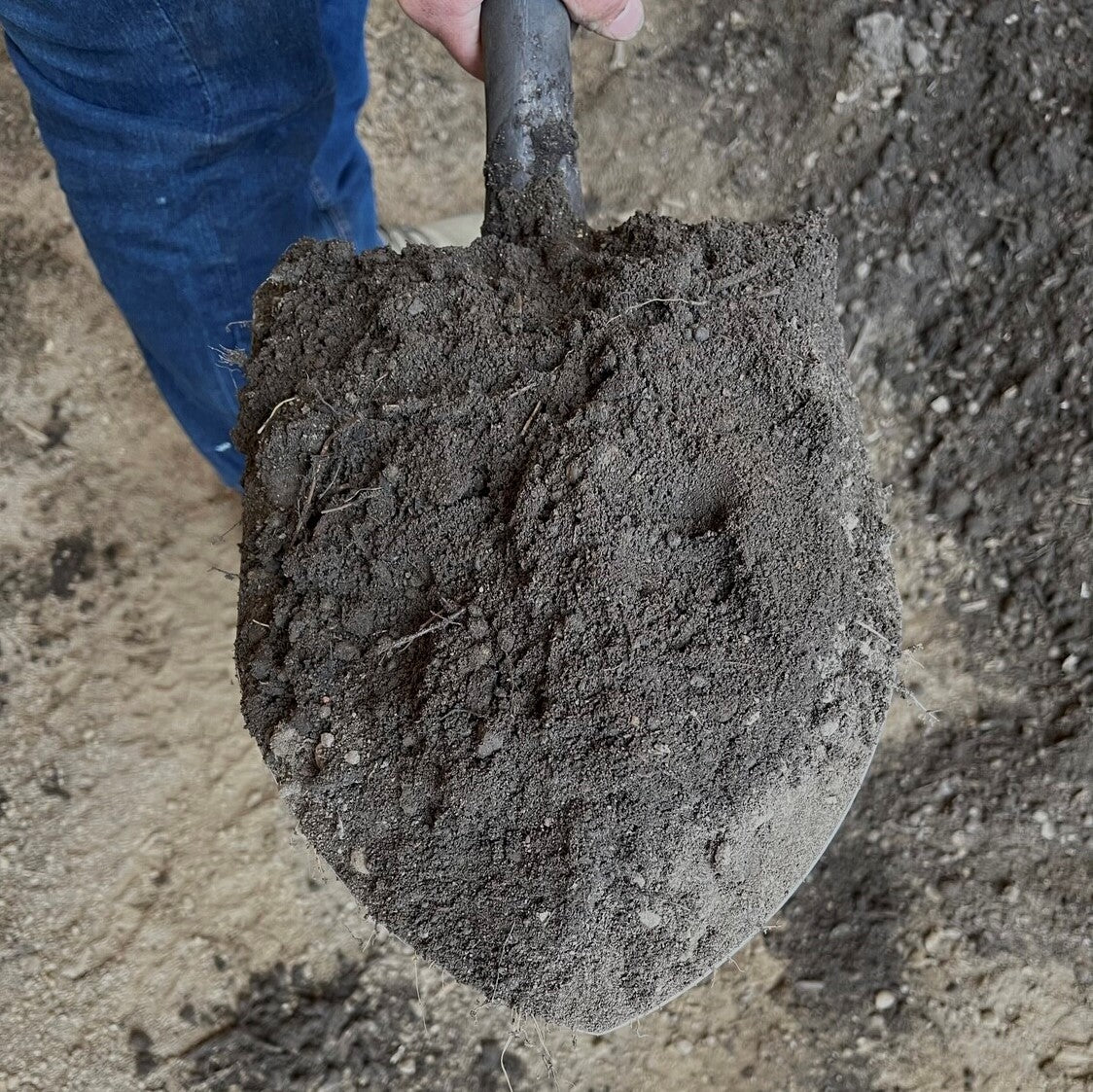
My experience with Mulch Mound was great and super easy. I ordered two yards of screened topsoil and was able to get it delivered within 2 days. They came in my requested time frame (afternoon) and dropped it off where I asked on my driveway. The topsoil was exactly what was a...
Tell us what you're looking for
Thanks! We received your request.
Something went wrong. Please try again.
How Much Material Do I Need?
Plan on four to six inches for new lawn areas, twelve inches of garden mix for vegetable beds, and one to two inches of compost as an annual top dress. One cubic yard covers roughly 160 square feet at two inches or 55 square feet at six inches.
Use our free soil calculator
What is a Yard?
A yard is approximately 27 cubic feet. As a general guideline, one yard of material can cover an area of about 100-160 square feet at a 2-3 inch depth.
My experience with Mulch Mound was great and super easy. I ordered two yards of screened topsoil and was able to get it delivered within 2 days. They came in my requested time frame (afternoon) and dropped it off where I asked on my driveway. The topsoil was exactly what was a...
How Much Material Do I Need?
Plan on four to six inches for new lawn areas, twelve inches of garden mix for vegetable beds, and one to two inches of compost as an annual top dress. One cubic yard covers roughly 160 square feet at two inches or 55 square feet at six inches.
Use our free soil calculator
What is a Yard?
A yard is approximately 27 cubic feet. As a general guideline, one yard of material can cover an area of about 100-160 square feet at a 2-3 inch depth.
My experience with Mulch Mound was great and super easy. I ordered two yards of screened topsoil and was able to get it delivered within 2 days. Th...
Read full review
My experience with Mulch Mound was great and super easy. I ordered two yards of screened topsoil and was able to get it delivered within 2 days. They came in my requested time frame (afternoon) and dropped it off where I asked on my driveway. The topsoil was exactly what was advertised, clean with no rocks or other debris. The price was reasonable. I plan to use them again in a couple weeks to order compost for my garden beds.
Measure the length and width of the area in feet, then decide your depth in inches before you calculate, since depth drives soil volume more than most people expect. A 500 square foot area needs about 3 yards at two inches but over 9 yards at six inches. Order about ten percent extra, because soil settles and compacts once it is spread and watered in.
Complete Your Outdoor Soil Project
Round out the job with grass seed or sod for new lawn areas, and hardwood mulch to cap amended beds so the fresh soil does not crust over in the sun. A yard of compost worked in first makes any screened topsoil delivery perform better over Warren clay.
Frequently Asked Questions
Click a question to see the answer
Answer
Why is the soil in my Warren yard so bad if the neighborhood is old?
Age does not help much. Warren's postwar and 1960s subdivisions were built by stripping topsoil off the whole parcel, grading the clay loam flat, and spreading a thin layer back over the finished lots. Decades of mowing and foot traffic compacted what was left. Most yards here have three to five inches of usable soil over dense clay, and the fix is adding organic matter at the surface year after year.
Answer
How much topsoil do I need to fix a low spot in my lawn?
For dips under two inches deep, screen soil directly over the existing grass and the turf grows through it. For anything deeper, cut the sod out, fill with screened topsoil, tamp lightly, and reseed or resod. Warren lots are flat enough that low spots hold water for days after a heavy rain, so fill slightly proud of grade because clay loam settles noticeably over the first season.
Answer
What is the difference between topsoil and garden mix for my raised beds?
Screened topsoil is mineral soil, good for grading and filling but too dense on its own for a raised bed sitting over Warren clay. Garden mix blends topsoil with compost so it drains and feeds at the same time. For a vegetable bed here, garden mix is the better choice because our clay subsoil underneath already provides the water holding capacity, and you want the top twelve inches to be loose.
Answer
When can I start working soil in the spring in Warren?
Usually mid to late April, but go by feel not the calendar. Clay loam that is still saturated from snowmelt will smear and compact if you dig it, and that damage lasts all season. Squeeze a handful and it should crumble apart, not ribbon. In a typical Warren spring that happens a week or two after our April 15 last frost date, sometimes into early May if March was wet.
Answer
Can I just add sand to my clay to improve drainage?
Do not do it. Sand mixed into clay loam at small ratios makes something closer to concrete, and Warren homeowners try this every year with bad results. Compost and aged organic matter are what open up clay, because they create structure and feed the soil life that builds pore space. If you truly want to change the profile, you need to add sand at more than half the total volume, which is a full soil replacement, not an amendment.
Answer
How deep should soil be for a new lawn in Warren?
Four to six inches of quality soil over the existing base gives grass roots enough room to survive a Warren August. Anything under three inches and the turf will go dormant and brown by mid July, since the clay below stays too dense for roots to reach moisture. Rototill the top two inches of existing ground before spreading so the new layer bonds instead of forming a shelf.
Answer
Will topsoil help with the standing water in my back yard?
Sometimes, if the issue is a shallow dip you can regrade. Warren's back lot lines are often the low point of a whole block, and adding soil there just pushes the problem to a neighbor. Grade soil to move water toward the street or a drain, and amend with compost so the clay loam absorbs more before it pools. For persistent standing water, a French drain paired with regrading is the real answer.
Mulch Mound Pro Tip
Do not create a soil shelf. If you dump six inches of loose topsoil straight onto compacted Warren clay, roots grow sideways at the boundary and water perches there instead of draining. Scratch or till the top two inches of the existing ground first, then spread half your soil, mix, and spread the rest. That blended transition zone is the difference between a lawn that survives August and one that does not.
Mulch Mound Pro Tip
Top dress your lawn with a quarter inch of compost each fall, right after Labor Day and well before the October 26 first frost. Warren clay compacts every summer from mowing and foot traffic, and a thin annual compost layer works down through worm activity over winter. Do it after core aerating and the plugs pull compost into the holes. Three years of this and your soil profile changes noticeably.
Mulch Mound Pro Tip
Build raised beds tall enough to matter. A four inch frame over Warren clay loam gives you almost nothing, since roots hit dense subsoil immediately and drown after a heavy rain. Go twelve inches minimum, sixteen for tomatoes and root crops. Fill with garden mix and leave the bottom open to the native soil so worms move up and roots can eventually reach down once the clay softens.
The Unique Landscape of Warren
Warren was built on flat, poorly drained clay loam, and most of the subdivisions here had their topsoil scraped and sold before the foundations went in. What is left in a lot of yards is four inches of thin fill over compacted subsoil, which is why lawns brown out in August and vegetable beds underperform. Bringing in screened topsoil, garden mix, or compost is not optional in Warren, it is how you rebuild what construction removed. Our 34 inches of annual rainfall means water arrives steadily but clay loam holds it at the surface, so blending organic matter into the top eight inches does more for drainage than any single amendment. With a growing window from roughly April 15 to October 26, Warren gardeners get about 194 frost free days to work with and good soil is what makes those days count. Grade matters too, since flat lots near the Red Run and Bear Creek drains need soil sloped away from foundations, not piled level against them.