




Very happy with the ease of ordering. Delivery went exactly as planned. Garden soil looks great and couldn’t be happier.
About this soil
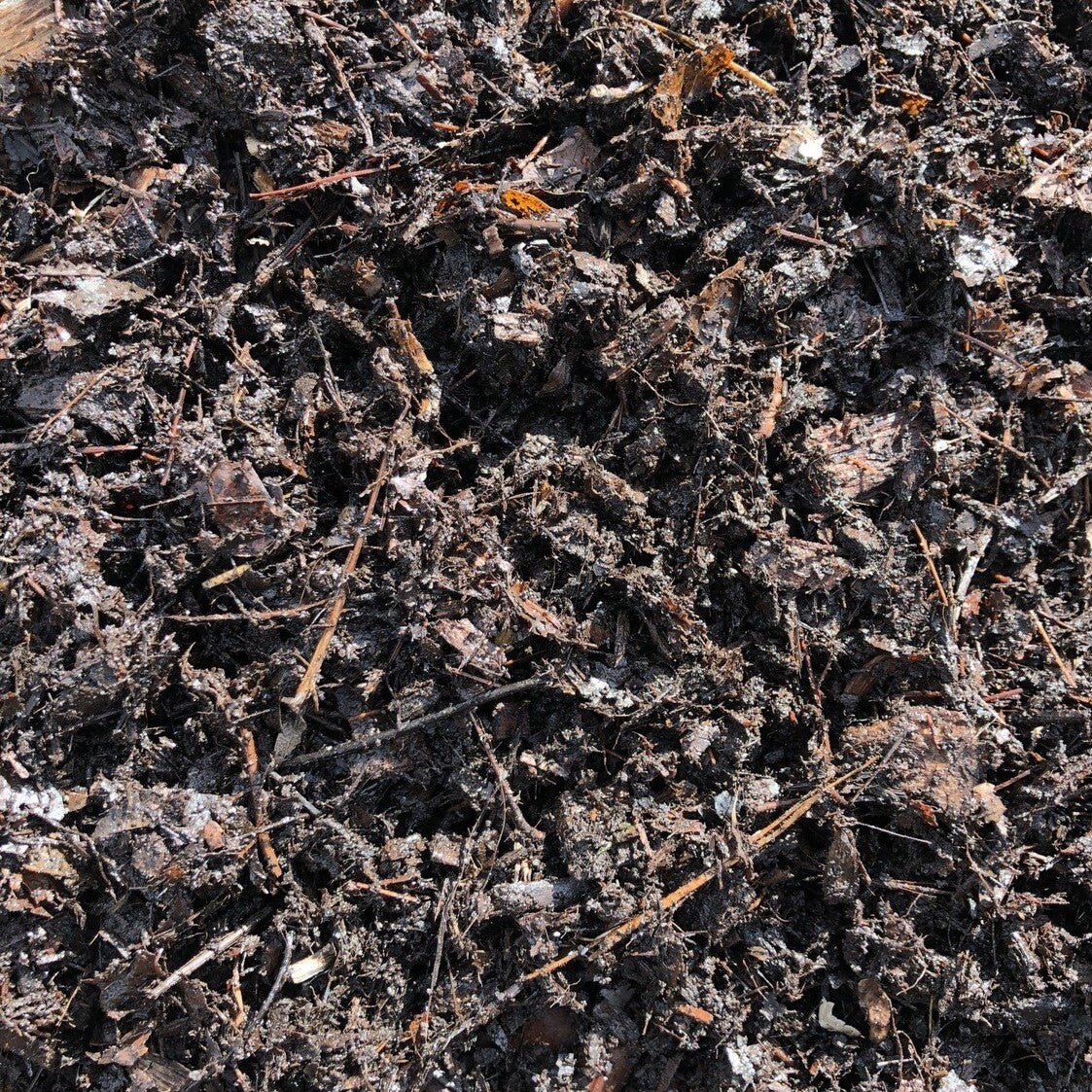
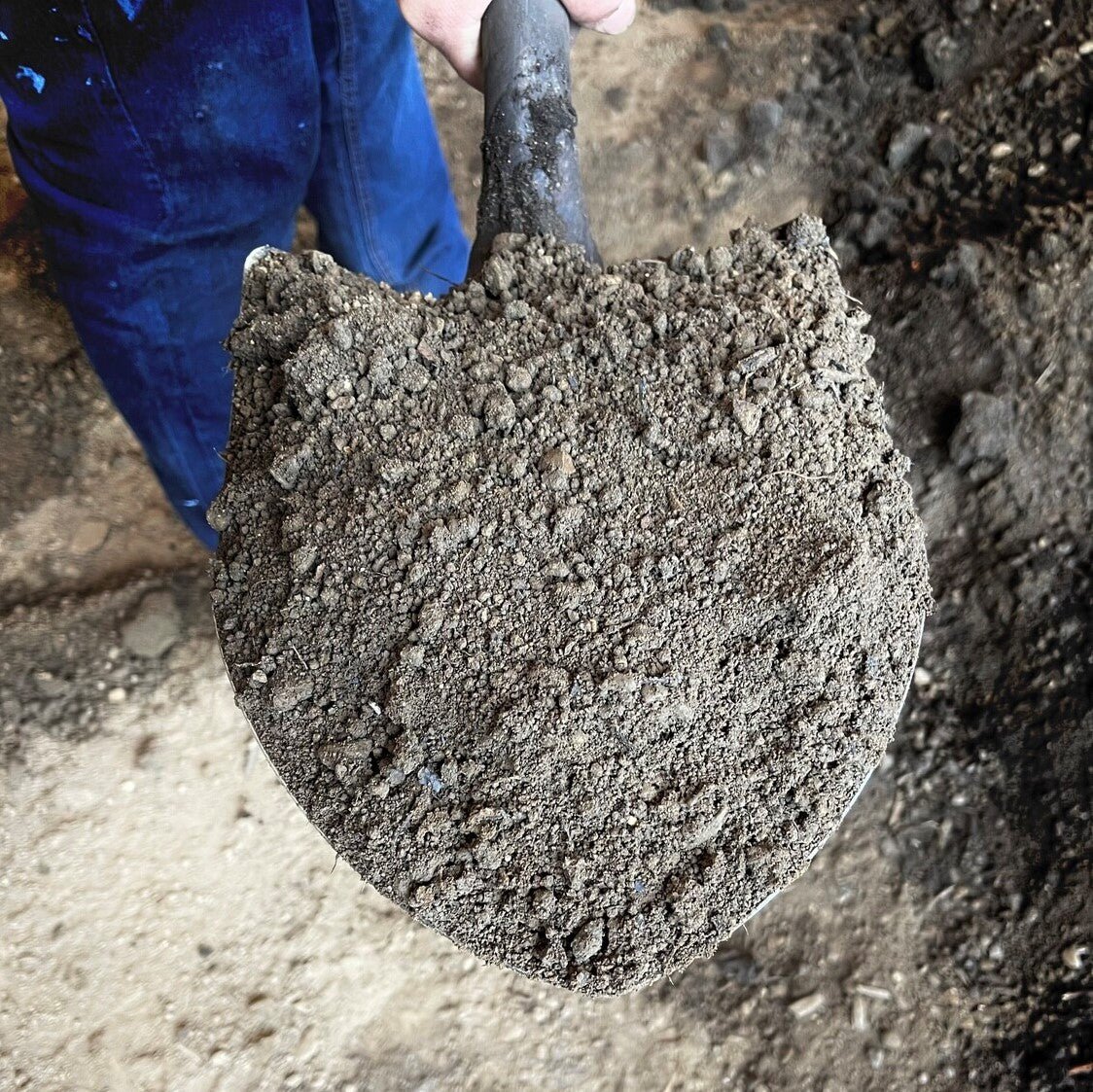
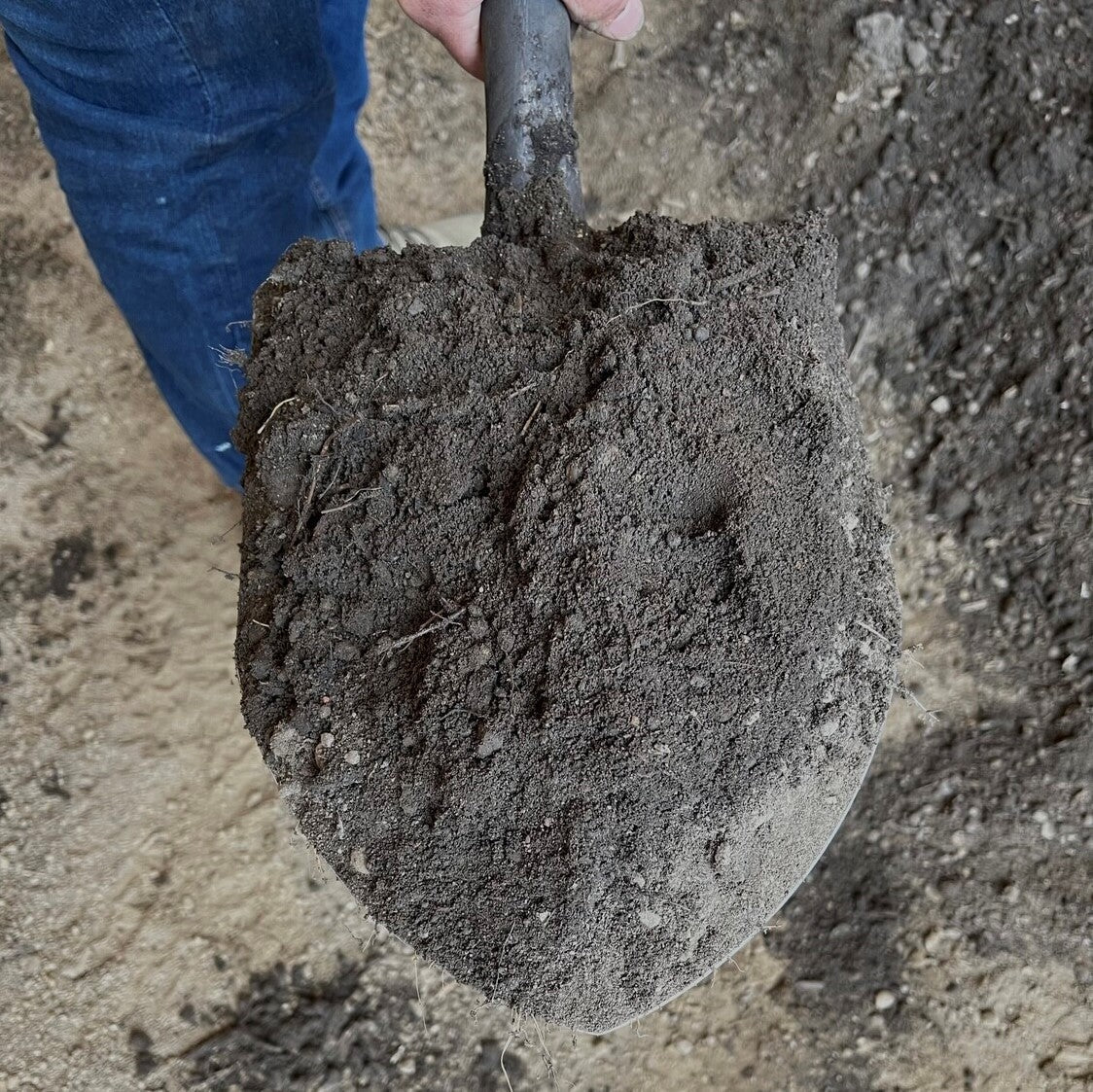
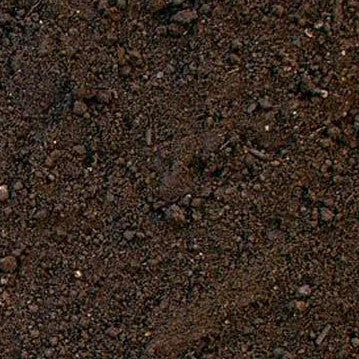
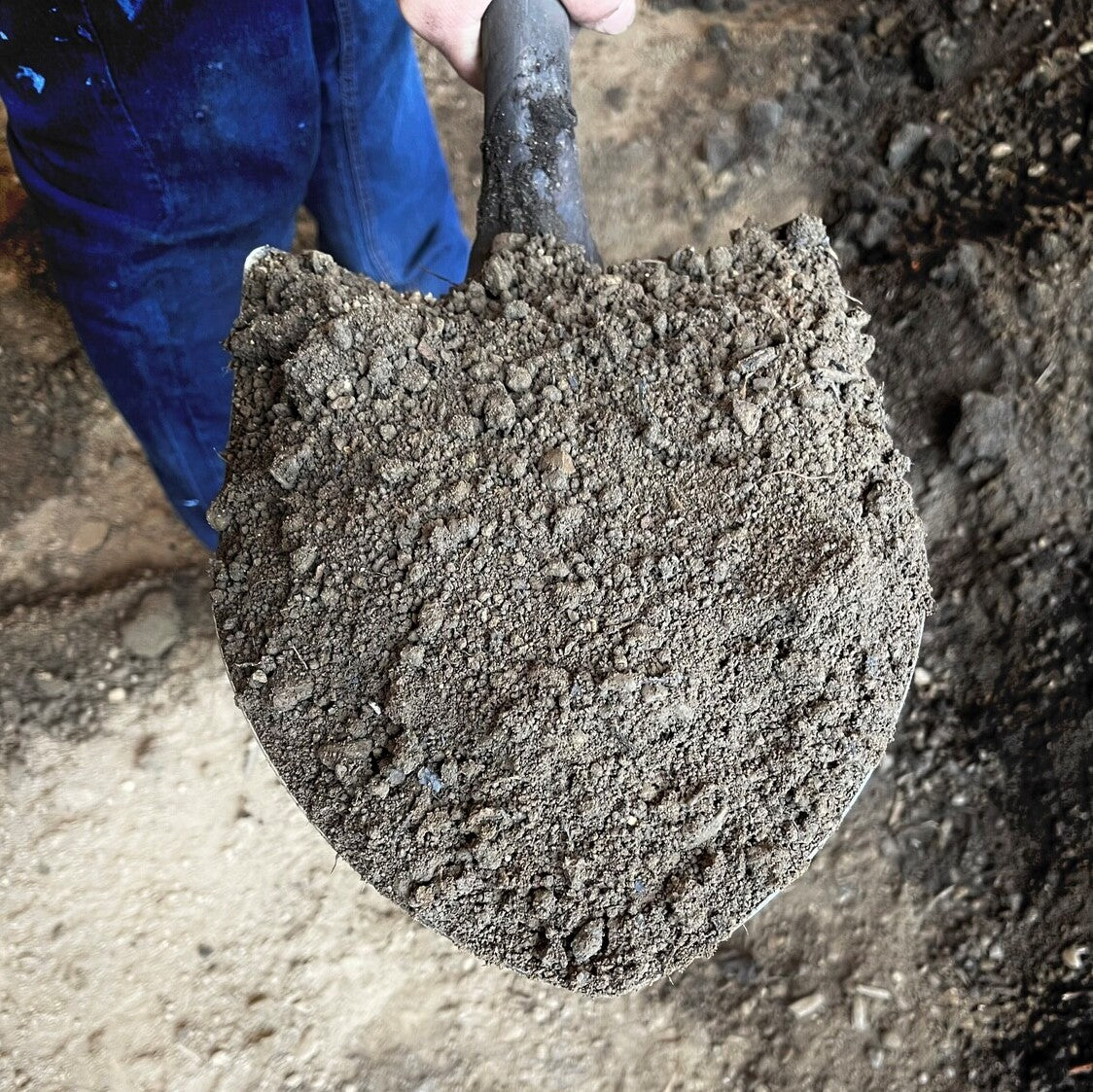
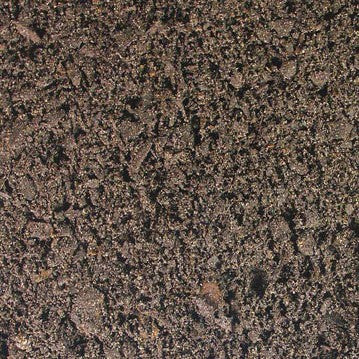
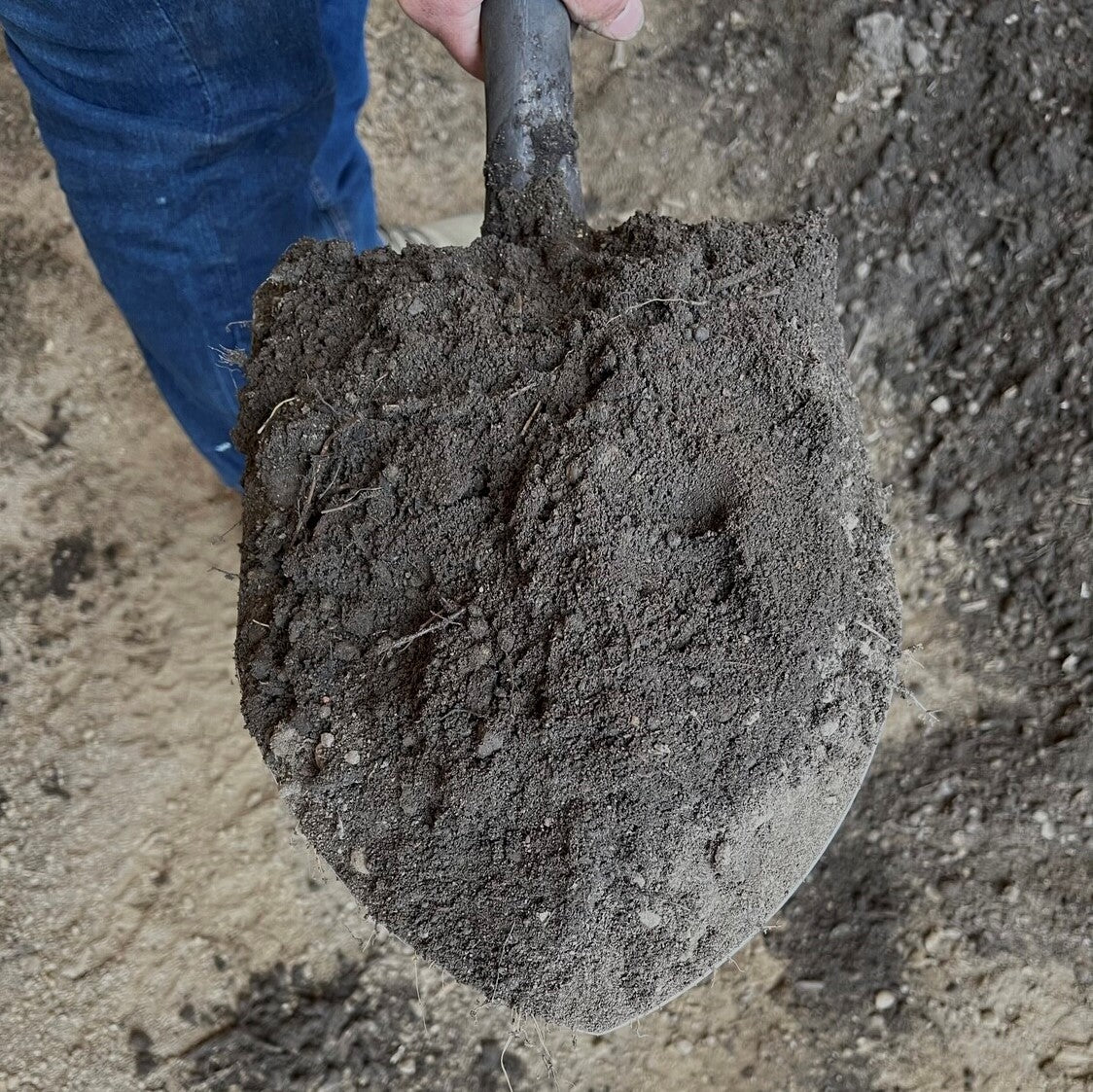
Screened topsoil filtered clean of rocks, roots, and debris. Smooth, consistent texture that is ready for lawns, gardens, raised beds, and finish grading.
Very happy with the ease of ordering. Delivery went exactly as planned. Garden soil looks great and couldn’t be happier.
Tell us what you're looking for
Thanks! We received your request.
Something went wrong. Please try again.
How Much Material Do I Need?
How Much Material Do I Need?
Start with your square footage and target depth. Waukegan projects can range from a light lawn smoothing to a deep raised bed fill.
Use our free soil calculator
What is a yard?
What is a yard?
What is a yards?
What is a yards?
FAQs
FAQs
Waukegan Soil Delivery
Waukegan Soil Delivery
Regular price
$49.00
per
yard
Regular price
Sale price
$49.00
Unit price
per
Shipping calculated at checkout.
Minimum of 3 yard
Couldn't load pickup availability
Not currently available
We can't take orders for this right now. Tell us what you need and we'll get back to you.
Hand-picked local yards
4,000+ regional deliveries
Dedicated support
Why order through Mulch Mound
The best local soil, without the guesswork.
We hand-pick and partner with the best yards in your region, keep only the ones our buyers rate well, and back each load with our guarantee.
Mulch Mound Guarantee
If your soil isn't the quantity or quality you ordered, we'll make it right.
About this soil
Screened topsoil filtered clean of rocks, roots, and debris. Smooth, consistent texture that is ready for lawns, gardens, raised beds, and finish grading.
Very happy with the ease of ordering. Delivery went exactly as planned. Garden soil looks great and couldn’t be happier.
How Much Material Do I Need?
How Much Material Do I Need?
Start with your square footage and target depth. Waukegan projects can range from a light lawn smoothing to a deep raised bed fill.
Use our free soil calculator
What is a yard?
What is a yard?
What is a yards?
What is a yards?
FAQs
FAQs
Tell us what you're looking for
Thanks! We received your request.
Something went wrong. Please try again.
How It Works
Getting started is easy — just follow these simple steps
1
Choose your soil
Make sure you adjust the quantity to your home's needs. You can use our calculator to estimate how much you'll need.
2
Select your delivery date
Select a delivery date you'd like for the product to be dropped off at your home
3
Sit back and wait
Sit back, wait, and let us work our magic to make sure the highest quality product is delivered to your driveway.

Really appreciate the care and follow thru that this company had with our order. A hiccup came up but they were quick to respond and address all co...
Read full review
Really appreciate the care and follow thru that this company had with our order. A hiccup came up but they were quick to respond and address all concerns, which made our garden day a success! Thank you for your prompt care.

Highest compliments. Great driver.
Website is easy to navigate. Just a seamless process. 5 stars!!
Need Help Calculating How Much Soil You Need?
Use our NEW Trace from Satellite tool to get an estimate for your project based on an aerial view of your property
Try Our CalculatorWhether you're filling raised beds or leveling a Waukegan yard, our satellite tool helps estimate soil needs. Trace the area, choose your depth—shallow for top-dressing, deeper for new beds—and see the yardage before ordering.
Soil Types We Deliver in Waukegan
Mulch Mound delivers bulk topsoil by the yard in Waukegan, making it easy to handle lawn repairs, garden builds, and grading jobs without hauling bags from a store. We sell by the cubic yard so you get exactly what your project calls for. The heavy clay-based soils common in this part of northeastern Illinois often need amendment or a clean topsoil layer to get the results you want.
Top Soil
Available in screened or unscreened grades, our topsoil suits everything from lawn establishment to finish grading around older residential properties common in this part of northeastern Illinois. Screened topsoil is filtered free of rocks and roots for a smooth, consistent finish, while unscreened is a practical choice for bulk fill jobs.
Gardening Blend
A ready-to-use mix of topsoil and organic amendments that works well for raised beds, flower gardens, and new planting areas. Available in standard and premium grades, it offers good drainage and solid nutrition, making it a popular pick for home gardeners working against the region's dense native clay.
Garden Compost
Rich, finished compost loaded with organic matter that improves nutrient levels, boosts water retention, and builds the kind of living soil plants thrive in. A great amendment for tired garden beds that have been repeatedly planted through the short growing season this part of northern Illinois gets.
Planting Mix
Formulated for trees, shrubs, and perennials, this all-purpose mix promotes strong root establishment with the right balance of drainage and moisture retention. A practical choice for landscape beds and new plantings where the existing clay soil needs improvement before roots can take hold.
Complete Your Outdoor Soil Project
Healthy Waukegan beds start with good soil. Layer mulch over it to suppress weeds and regulate temperature on clay loam ground. Stone frames the edges.

Service area
Areas we deliver soil in Waukegan, Illinois
- Antioch, Illinois
- Beach Park, Illinois
- Buffalo Grove, Illinois
- Deerfield, Illinois
- Fox Lake, Illinois
- Gages Lake, Illinois
- Glencoe, Illinois
- Grayslake, Illinois
- Gurnee, Illinois
- Highland Park, Illinois
- Highwood, Illinois
- Johnsburg, Illinois
- Lake Bluff, Illinois
- Lake Forest, Illinois
- Libertyville, Illinois
- Lincolnshire, Illinois
- Lindenhurst, Illinois
- Mundelein, Illinois
- North Chicago, Illinois
- Northbrook, Illinois
- Park City, Illinois
- Prospect Heights, Illinois
- Round Lake, Illinois
- Round Lake Beach, Illinois
- Spring Grove, Illinois
- Vernon Hills, Illinois
- Wauconda, Illinois
- Wheeling, Illinois
- Zion, Illinois
Mulch Mound Pro Tip
Do not spread topsoil when rain is forecast in the next day or two. Runoff carries loose soil into streets, storm drains, and neighbors' yards, wasting your material and creating problems.
Mulch Mound Pro Tip
Rent a Bobcat or mini skid steer for jobs requiring more than 5 yards of soil. Hand spreading large quantities of topsoil takes forever, destroys your back, and wastes valuable time.
Mulch Mound Pro Tip
Calculate soil needs in cubic yards rather than weight for accurate ordering. A yard of topsoil weighs about 2,000 pounds but volume is what matters for determining coverage area at your desired depth.
The Unique Landscape of Waukegan
Good soil helps Waukegan plantings establish faster and keeps beds looking tidy after the first few weeks. Seasonal swings can compact areas and expose roots, especially along edges and slopes, and a refreshed top layer helps projects finish neater. Use it to top-dress, rebuild worn bed edges, and smooth low areas before seed. Avoid burying stems and plant crowns; keep soil below them and mulch after planting. Delivered soil makes it easier to do the job once and move on to planting.