


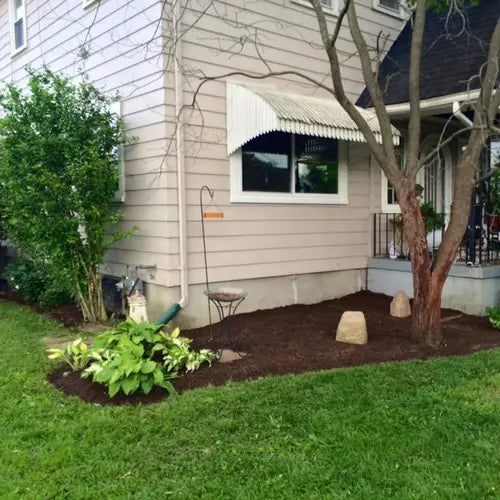


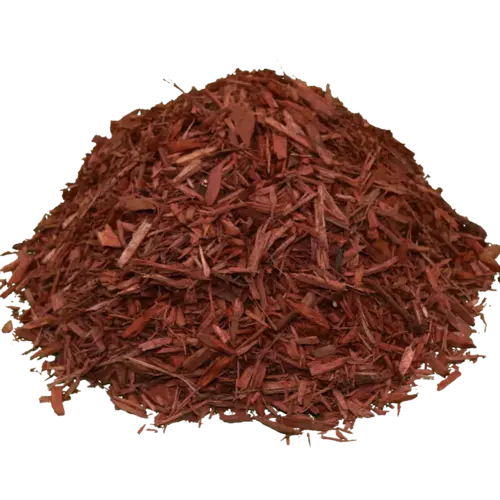
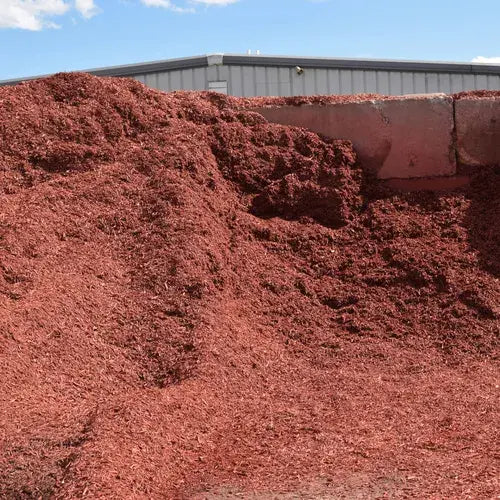


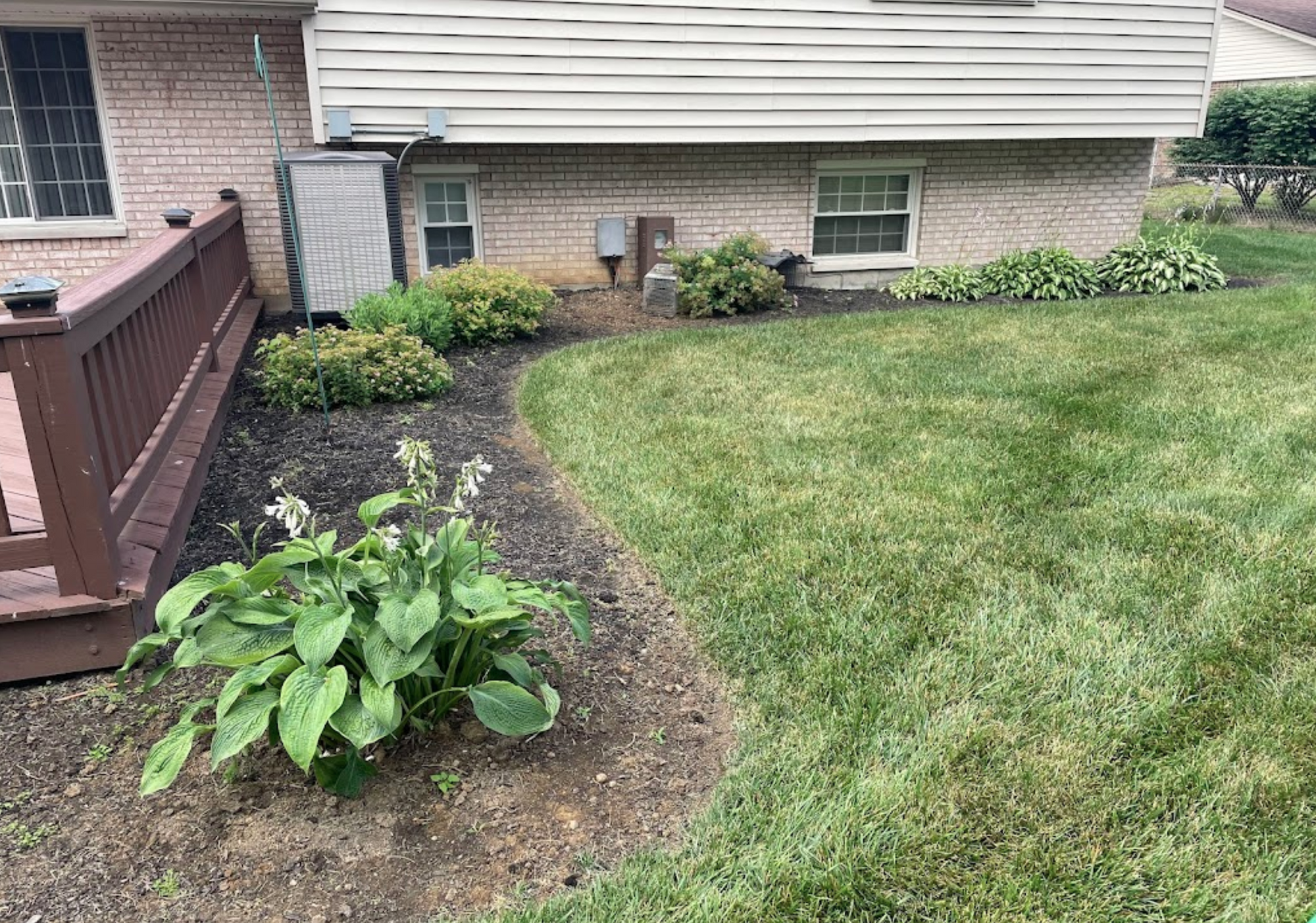
Our delivery was delayed but the new brown color mulch is a nice upgrade to our landscaping.
About this mulch
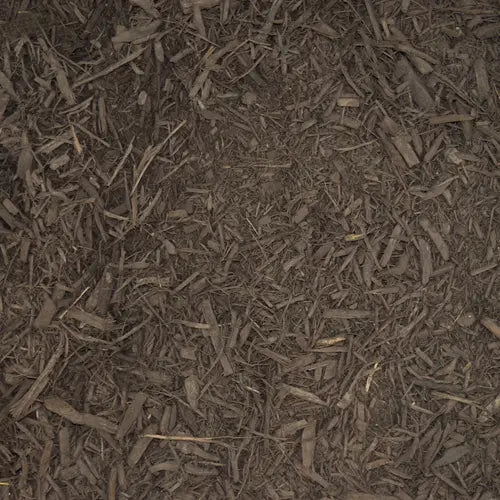
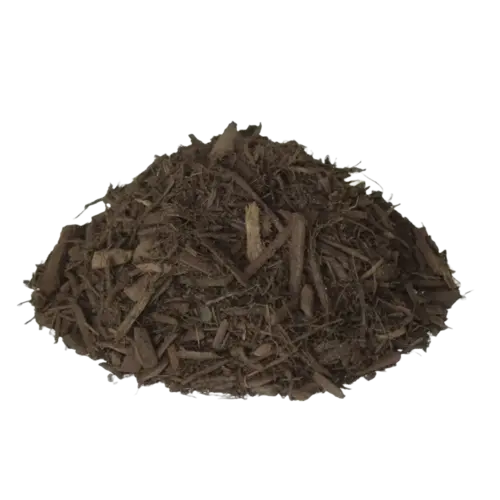
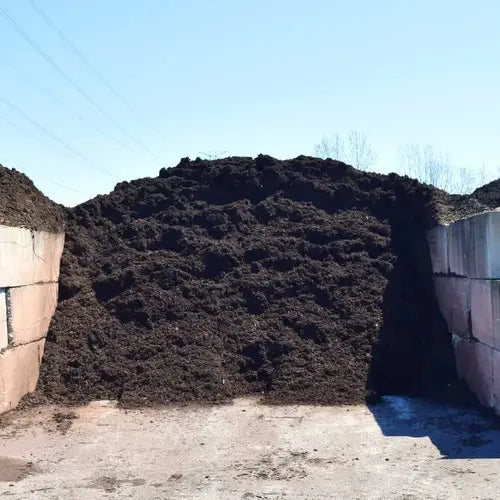
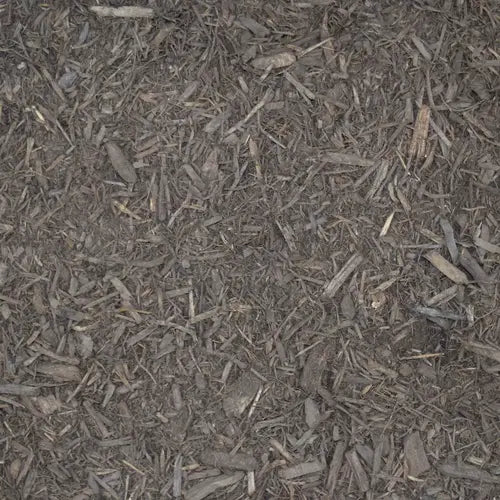
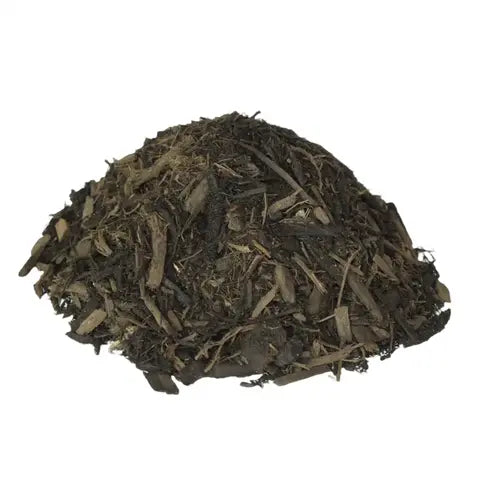
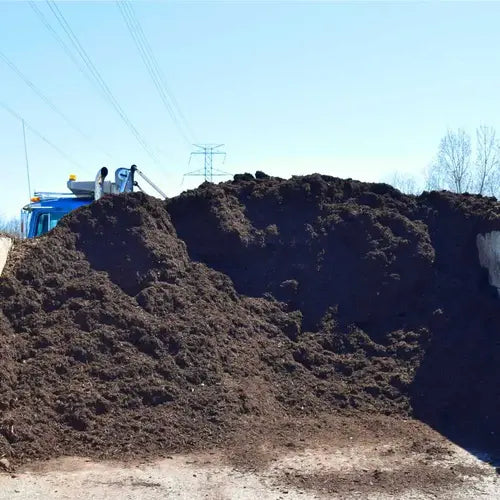
Warm brown double shredded mulch with lasting color that looks freshly applied for weeks. Spreads smooth, stays put, and gives beds a natural, polished appearance.
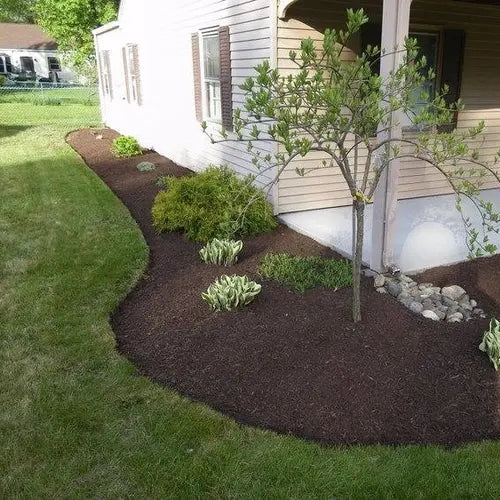
Our delivery was delayed but the new brown color mulch is a nice upgrade to our landscaping.
Tell us what you're looking for
Thanks! We received your request.
Something went wrong. Please try again.
How Much Material Do I Need?
How Much Material Do I Need?
For most Wentzville bed areas over clay soil, two to three inches of mulch provides the best balance of weed suppression and moisture regulation without risking root suffocation. Deeper applications are rarely beneficial here and can cause problems during wet stretches when clay drainage is already slow.
Use our free mulch calculator
What is a yard?
What is a yard?
FAQs
FAQs
Wentzville Mulch Delivery
Wentzville Mulch Delivery
Regular price
$78.00
per
yard
Regular price
Sale price
$78.00
Unit price
per
Shipping calculated at checkout.
Minimum of 3 yard
Couldn't load pickup availability
Not currently available
We can't take orders for this right now. Tell us what you need and we'll get back to you.
Hand-picked local yards
4,000+ regional deliveries
Dedicated support
Why order through Mulch Mound
The best local mulch, without the guesswork.
We hand-pick and partner with the best yards in your region, keep only the ones our buyers rate well, and back each load with our guarantee.
Mulch Mound Guarantee
If your mulch isn't the quantity or quality you ordered, we'll make it right.
About this mulch
Warm brown double shredded mulch with lasting color that looks freshly applied for weeks. Spreads smooth, stays put, and gives beds a natural, polished appearance.
Our delivery was delayed but the new brown color mulch is a nice upgrade to our landscaping.
How Much Material Do I Need?
How Much Material Do I Need?
For most Wentzville bed areas over clay soil, two to three inches of mulch provides the best balance of weed suppression and moisture regulation without risking root suffocation. Deeper applications are rarely beneficial here and can cause problems during wet stretches when clay drainage is already slow.
Use our free mulch calculator
What is a yard?
What is a yard?
FAQs
FAQs
Tell us what you're looking for
Thanks! We received your request.
Something went wrong. Please try again.
How It Works
Getting started is easy — just follow these simple steps
1
Choose your Mulch
Make sure you adjust the quantity to your home's needs. You can use our calculator to estimate how much you'll need.
2
Select your delivery date
Select a delivery date you'd like for the product to be dropped off at your home
3
Sit back and wait
Sit back, wait, and let us work our magic to make sure the highest quality product is delivered to your driveway.

Mulch Mound made it so easy! So happy with the pricing, turn around time, delivery and product. I submitted my online order on a Thursday. The mu...
Read full review
Mulch Mound made it so easy! So happy with the pricing, turn around time, delivery and product. I submitted my online order on a Thursday. The mulch was delivered to the designated location by a local landscape company at 8:30 a.m. the following Saturday morning. We had the job completed by that afternoon. We chose the natural brown mulch, and the plant beds are beautiful.

Good quality, great price, fast delivery. All online - no submitting forms and waiting for days for quotes.
Getting mulch should be this easy fr...
Read full review
Good quality, great price, fast delivery. All online - no submitting forms and waiting for days for quotes.
Getting mulch should be this easy from everyone. Only Mulch Mound is ACTUALLY this simple.
Calculate mulch for your Wentzville project
For Wentzville's Clay type of soil, we recommend 2-3 inches for best weed suppression and moisture retention
Try Our CalculatorMeasure the length and width of each bed in feet and multiply those numbers to get square footage. Wentzville's clay soil retains moisture well on its own, so you do not need to exceed three inches of depth, and going deeper can create soggy conditions during our wetter months. Divide total square footage by 108 to estimate cubic yards at a three-inch depth, or by 162 to estimate at two inches.

Best Mulch Choice for Wentzville Lawns
Most yards in the Wentzville area sit on Clay type of soil. Wentzville's clay soil compacts easily under foot traffic and equipment and tends to repel water once it dries out completely, creating a damaging boom and bust moisture cycle for plant roots in your beds. A mulch layer on top breaks that cycle by shading the soil surface and reducing the rapid evaporation that causes clay to crust and crack between rain events.
Hardwood Mulch
As hardwood mulch decomposes into Wentzville's clay soil over one to two seasons, it introduces organic matter that begins to break apart the tight clay particle structure, gradually improving both drainage and oxygen availability at the root zone. This is one of the few surface-level improvements a homeowner can make that delivers real, measurable changes to clay soil quality without requiring full bed excavation.
Mulch Types We Deliver in Wentzville
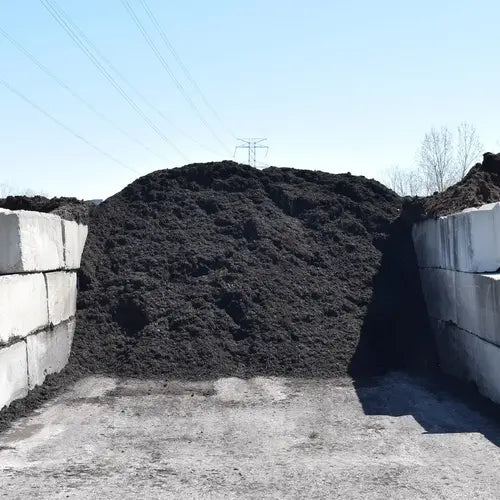
Mulch Mound makes bulk mulch delivery in Wentzville simple, bringing orders by the cubic yard directly to your driveway so you can skip the bags and get more done. We carry a focused selection of varieties chosen to suit the landscape styles, clay soils, and growing conditions common throughout this part of Missouri.
Dyed Black Mulch
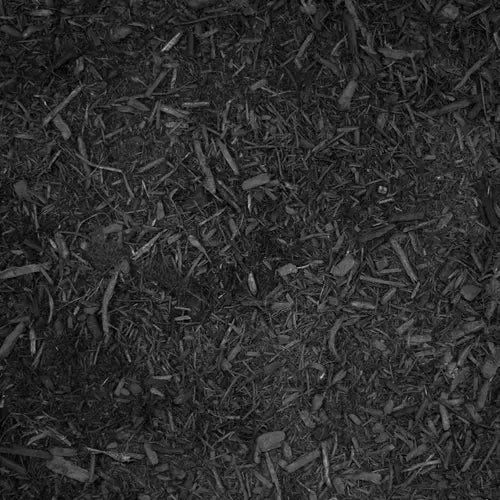
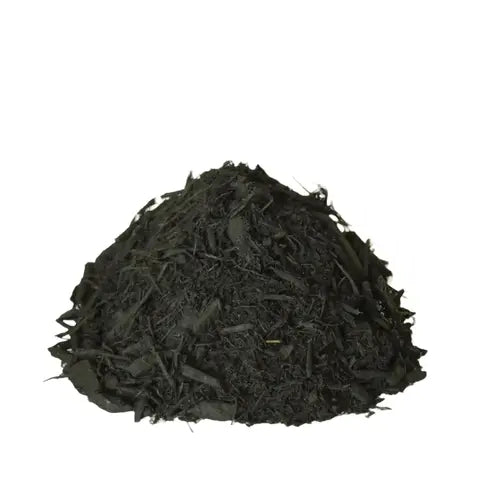
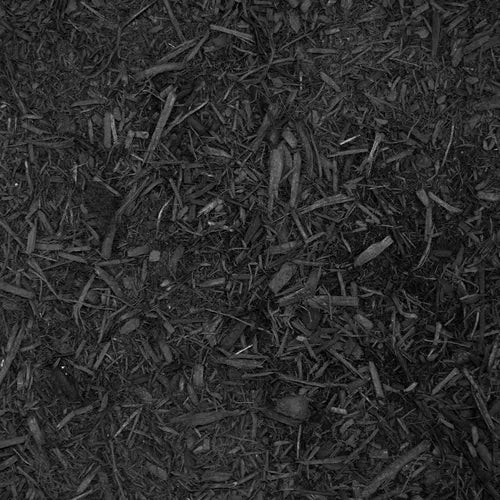
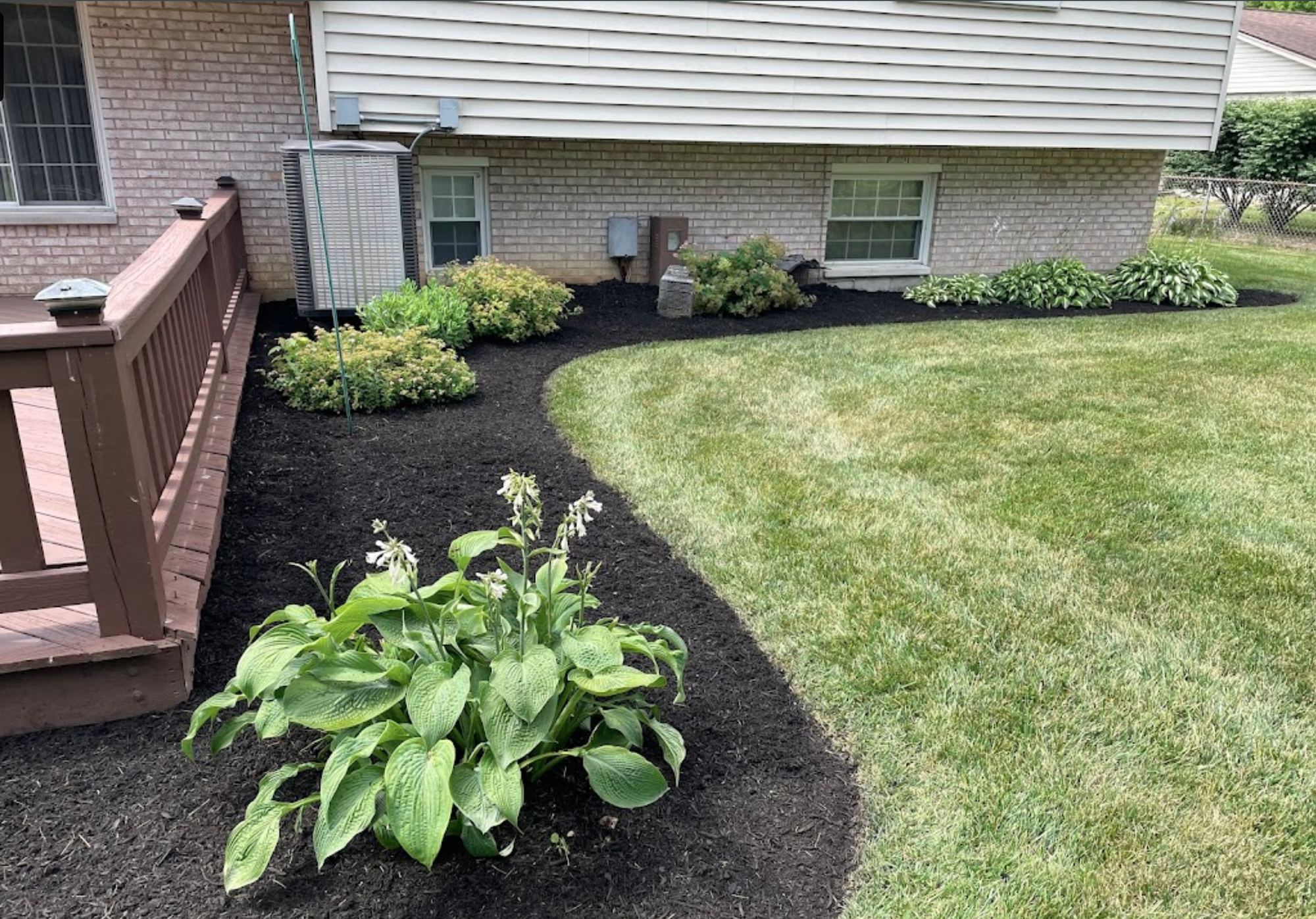
Bold double shredded black mulch that creates a sharp contrast against green plants and pale stone. The rich color holds well through hot Missouri summers and the smooth texture spreads evenly across beds of any shape. A popular choice for homeowners who want a clean, modern look in their landscape.
Dyed Brown Mulch
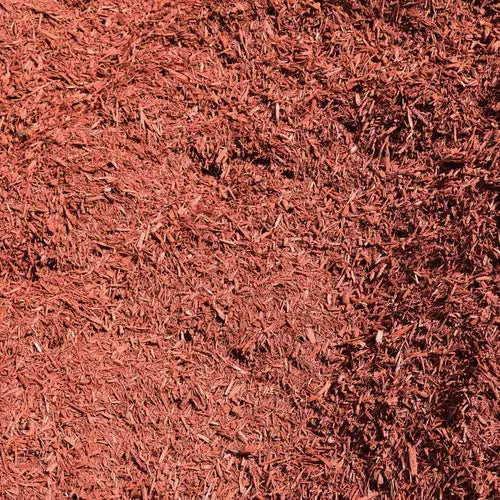
Warm double shredded brown mulch with lasting color that looks freshly applied long after it goes down. The natural tone pairs well with the brick and neutral siding common on homes in this part of Missouri. A versatile pick for any bed that needs to stay looking sharp.
Natural Brown Mulch
Undyed double shredded mulch with a warm, earthy tone that comes straight from the wood. Free of colorants, it suits homeowners who prefer a natural look that blends quietly into the landscape. It breaks down over time and adds organic matter to the heavy clay soils common in this region.
Cedar Mulch
Double shredded cedar mulch with a pleasant natural scent and properties that help repel insects from garden beds. The color holds well through a full growing season and the fine texture spreads easily. A solid pick for borders where moisture retention helps plants through the dry stretches of Missouri summers.
Complete Your Outdoor Mulch Project
If your clay beds need a nutrient boost before mulching, consider laying down a layer of our bulk garden soil blend first to give roots a better growing environment from the start. Stone edging or gravel borders along bed perimeters also help keep mulch in place when Wentzville downpours send water running across your landscape.


Service area
Areas we deliver mulch in Wentzville, Missouri
Mulch Mound Pro Tip
Keep mulch pulled two to three inches away from every tree trunk and shrub base in your Wentzville beds. Clay soil stays moist for extended periods after rain, and piling mulch against bark creates the consistently damp, warm environment where crown rot and fungal disease thrive. This is especially critical in late May and June when air temperatures are rising but soil moisture from spring rains is still high. That small gap around each plant base is one of the most impactful habits a local gardener can build.
Mulch Mound Pro Tip
Time your fresh spring mulch application for the two weeks following your last frost, typically late April in Wentzville. Putting mulch down while the ground is still cold and saturated from snowmelt or early spring rain slows soil warming and delays root activity in perennials and shrubs. Waiting until the soil begins to dry and warm up means your mulch starts doing the right job immediately, insulating warmth rather than blocking the heat your plants are waiting for after a zone 6b winter.
Mulch Mound Pro Tip
With 43 inches of annual rainfall in Wentzville, mulch erosion on sloped beds during summer downpours is a genuine problem worth planning for. Coarser shredded hardwood mulch interlocks as it settles and resists washing far better than finely ground or lightweight products. On any slope, consider laying mulch at a slightly deeper four-inch layer and placing natural stone borders along the downhill edge of your beds to catch material that shifts during the intense storm events that roll through our area from May through August.
The Unique Landscape of Wentzville
Wentzville sits on a base of heavy Missouri clay that stays waterlogged after spring rains and then bakes into a dense, cracked crust during July and August heat. A properly applied mulch layer acts as a buffer between that unforgiving clay surface and your plant roots, moderating the extreme moisture swings that are common in zone 6b landscapes. With 43 inches of annual rainfall, unprotected beds in Wentzville experience significant surface erosion during spring downpours, and mulch slows that runoff while keeping topsoil anchored in place. The roughly six-month growing window between the last frost around April 15 and the first frost around October 22 brings intense weed pressure to any bare bed, and a consistent mulch layer is the most effective way to suppress that growth without repeated chemical treatments. Keeping beds mulched also helps clay soil retain workable moisture during the dry stretches of late summer when Wentzville yards commonly crack at the surface.