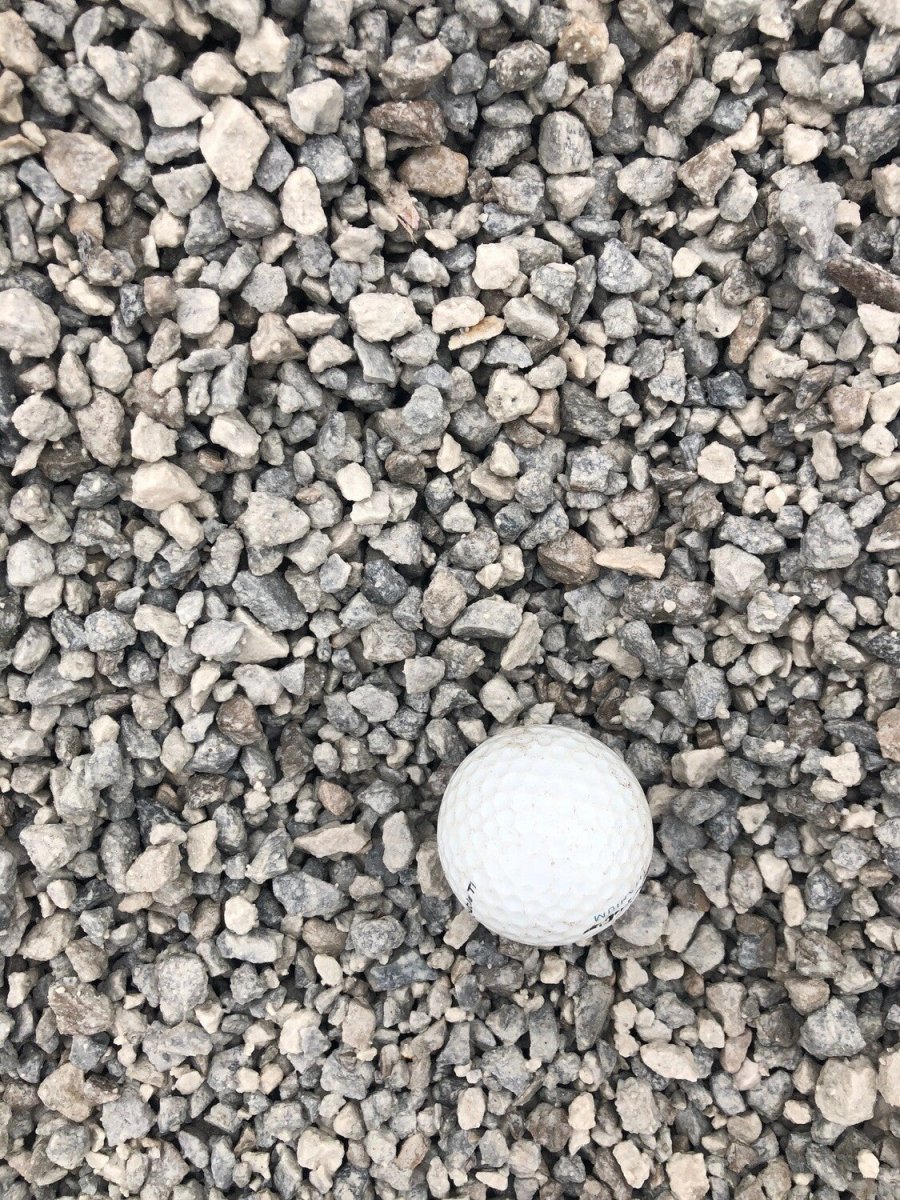
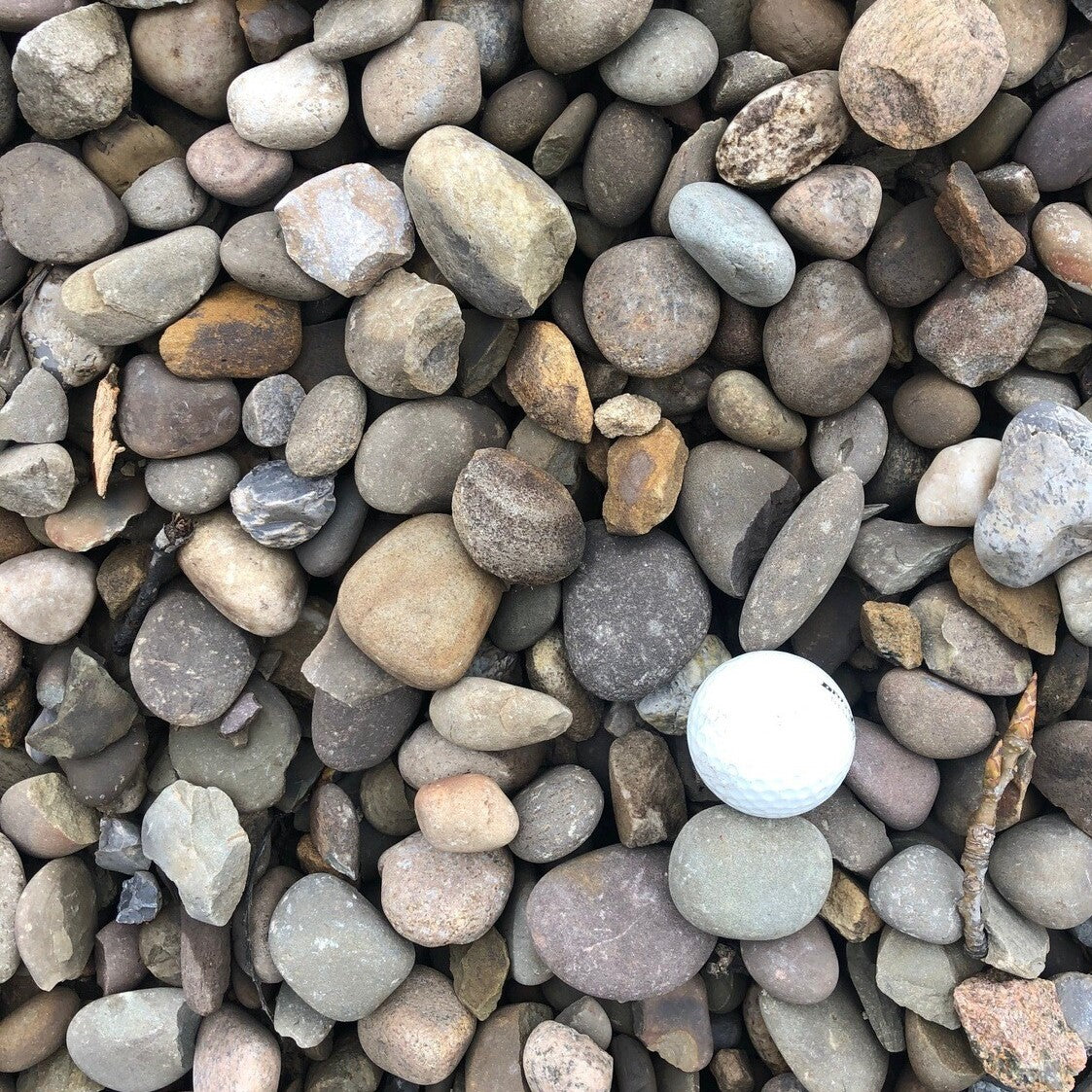
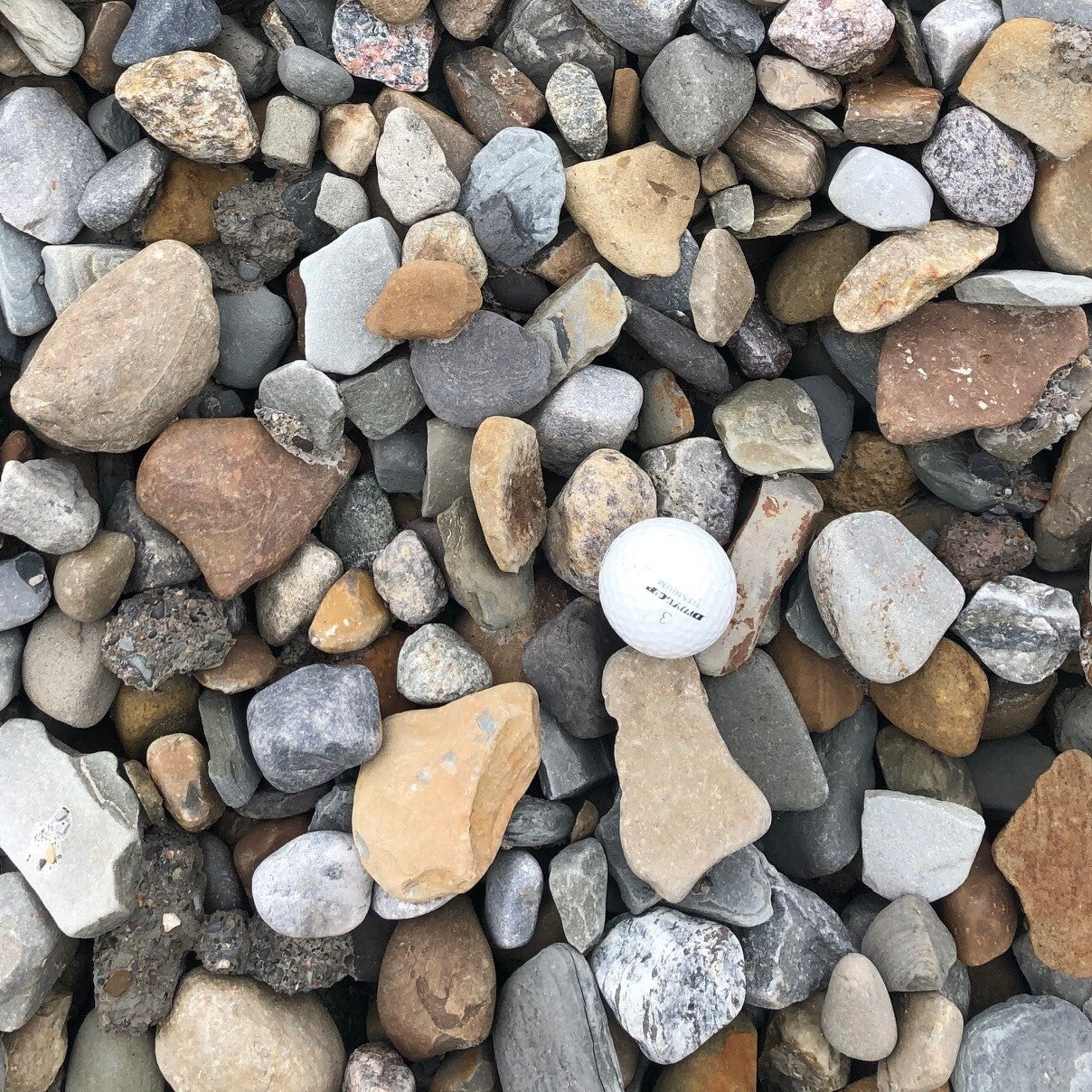
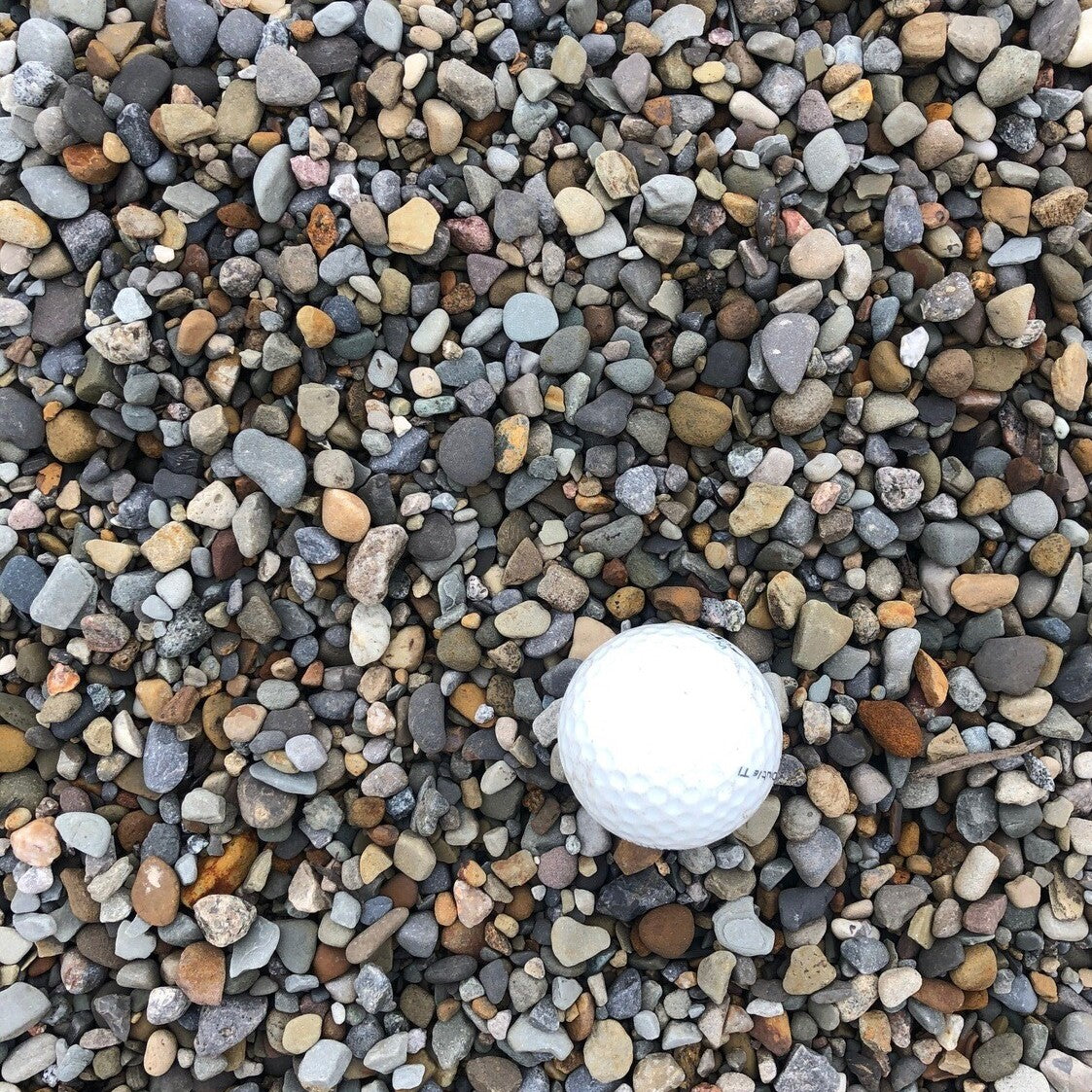
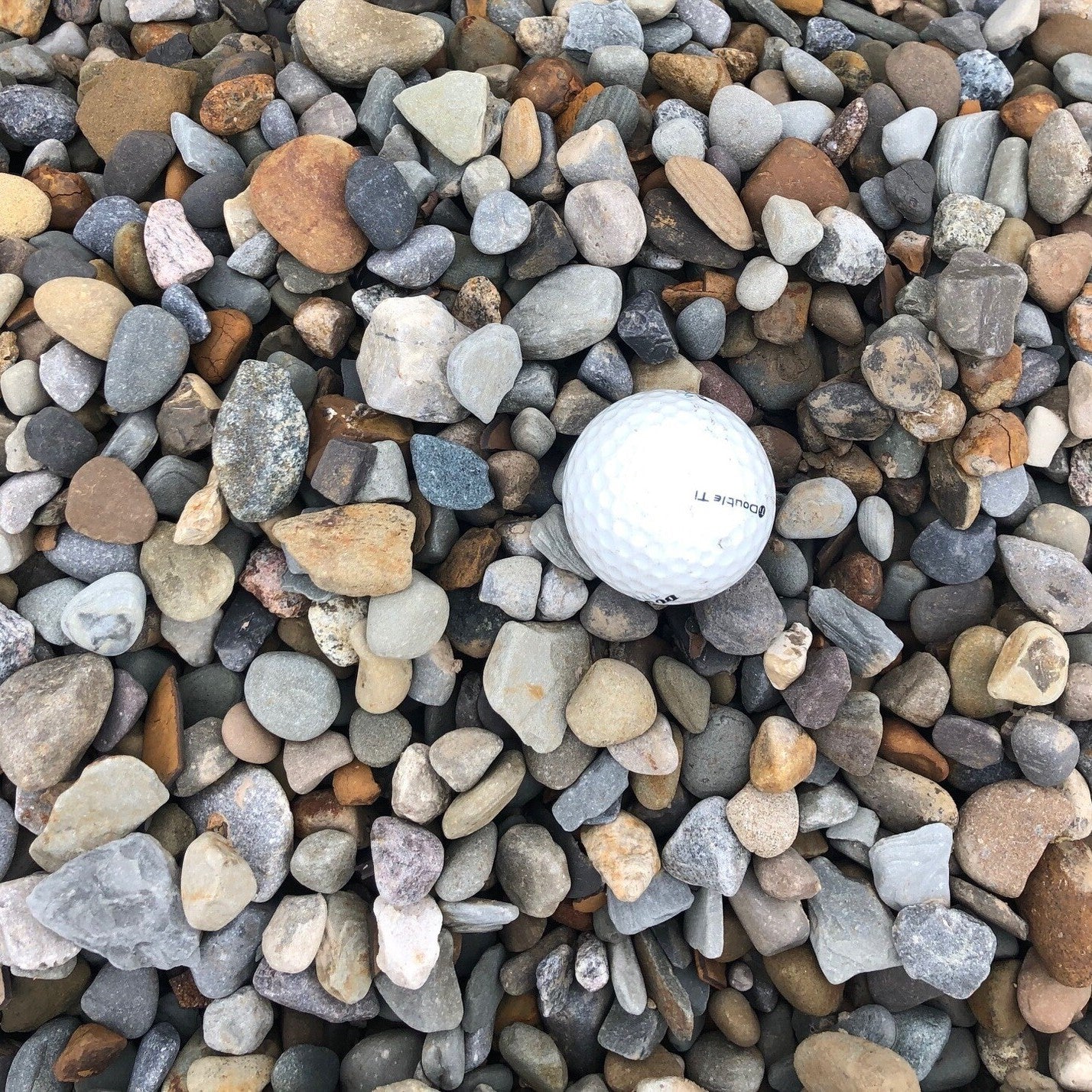
I contacted Mulch Mound for #57 river rocks and it was easy and fast to get a delivery right before the holiday weekend. Stone was delivered as promised and place exactly where I asked. Excellent service! I will be ordering mulch next!
Tell us what you're looking for
Thanks! We received your request.
Something went wrong. Please try again.
How Much Material Do I Need?
Decorative stone in beds looks best at 2 to 3 inches over fabric, drainage rock in a swale or splash zone wants 4 inches, and a compacted paver base needs 4 to 6 inches for walks and 8 inches for driveways.
Use our free gravel calculator
What is a yard?
A yard is approximately 27 cubic feet. As a general guideline, one yard of material can cover an area of about 100-160 square feet at a 2-3 inch depth.
I contacted Mulch Mound for #57 river rocks and it was easy and fast to get a delivery right before the holiday weekend. Stone was delivered as promised and place exactly where I asked. Excellent service! I will be ordering mulch next!
How Much Material Do I Need?
Decorative stone in beds looks best at 2 to 3 inches over fabric, drainage rock in a swale or splash zone wants 4 inches, and a compacted paver base needs 4 to 6 inches for walks and 8 inches for driveways.
Use our free gravel calculator
What is a yard?
A yard is approximately 27 cubic feet. As a general guideline, one yard of material can cover an area of about 100-160 square feet at a 2-3 inch depth.
I contacted Mulch Mound for #57 river rocks and it was easy and fast to get a delivery right before the holiday weekend. Stone was delivered as pro...
Read full review
I contacted Mulch Mound for #57 river rocks and it was easy and fast to get a delivery right before the holiday weekend. Stone was delivered as promised and place exactly where I asked. Excellent service! I will be ordering mulch next!
Stone sells by the ton, not the yard, so figure square footage times depth and then convert using roughly 1.4 tons per cubic yard for crushed limestone. Measure gravel driveways at the actual worn width, since edges spread wider than the driving surface. Round up, because coming back for a second half ton delivery costs more than the stone itself.
Complete Your Outdoor Stone Project
Order woven landscape fabric, paver base sand, and steel or aluminum edging alongside your stone so nothing migrates during our heavy spring rains. Many Westfield homeowners pair a stone drainage zone with mulch in the surrounding beds for the best of both.
Compact in lifts, never all at once. Spread crushed limestone base no more than 3 inches deep, wet it lightly, run a plate compactor over it, and then add the next lift. On Westfield silt loam subsoil a single thick lift only densifies at the surface and the bottom stays loose, which is exactly how a patio develops a low spot after its first winter of freeze thaw movement.
Mulch Mound Pro Tip
Set edging before the stone goes down. Flat Westfield lots move water sideways across the surface during heavy May storms, and loose river rock will float into the lawn where it meets a mower blade. A steel or aluminum edge sunk to grade holds the stone line and gives you a clean mowing edge. It also keeps turf rhizomes from creeping into the rock, which is the main way stone beds get weedy here.
Mulch Mound Pro Tip
Top off gravel driveways in early spring after the frost has fully left the ground. Zone 6a freeze thaw pushes stone upward and outward all winter, so by April you will find washboarding and thin spots along the wheel tracks. Grade the surface with a box blade or rake first to redistribute what is already there, then add a 1 to 2 inch topping. Crowning the center slightly sheds water instead of holding it in ruts.
The Unique Landscape of Westfield
Stone earns its place in Westfield yards mainly because of water. With 40 inches of rain a year falling on flat lots at roughly 900 feet of elevation, downspout outlets, side yard swales, and bed edges are constantly moving water and washing organic mulch out with it. Crushed stone and river rock stay put, drain freely, and do not need annual replacement the way mulch does in our humid climate. Stone also solves the freeze thaw problem, since our zone 6a winters heave anything set on unstabilized silt loam, and a compacted crushed limestone base under a patio or walk is what keeps pavers level into year five. On the practical side, gravel driveways and parking pads are common on the larger acreage lots around Westfield's edges, and those need periodic replenishment where traffic pushes stone aside. Finally, decorative stone around foundations keeps damp silt loam from splashing mud up your siding during heavy spring storms.
Frequently Asked Questions
Click a question to see the answer
Answer
What size stone do I use under pavers in Westfield?
Use compacted 53s or a similar crushed limestone with fines for the base, 4 to 6 inches deep for a walk and 8 inches or more for a driveway. Then set the pavers on a thin layer of coarse sand or number 8 chips. Our freeze thaw cycles are what wreck patios here, so the base depth and thorough compaction matter far more than the paver you choose.
Answer
How many tons of stone do I need for my driveway?
One ton of crushed limestone covers roughly 100 square feet at 2 inches deep. A 12 by 60 foot Westfield driveway is 720 square feet, so about 14 to 15 tons for a fresh 2 inch topping. For a full rebuild on soft silt loam plan on 6 to 8 inches of base rock plus a surface course.
Answer
Will river rock in my beds get weedy?
Eventually, yes. Westfield gets enough windblown seed and enough silt from splash and runoff that dust fills the voids between stones over a few years and weeds root right in it. A quality woven fabric underneath slows it considerably, and blowing leaves and debris off the rock each fall makes the biggest difference in how long it stays clean.
Answer
What should I put at the bottom of my downspouts?
Extend the downspout at least 6 feet from the foundation, then build a splash pad of 1 to 2 inch river rock or washed number 8 stone over fabric. Westfield roofs dump a lot of water in our short intense storms, and mulch or bare silt loam in that zone will scour into a trench by July. Stone spreads the impact and lets water infiltrate.
Answer
Can I install stone in the winter here?
Decorative stone yes, structural base no. You can spread river rock over fabric any time the ground is not snow covered. Compacting a base course requires unfrozen soil, so between late November and March in Westfield the ground is often too frozen or too saturated to compact properly, and a base set on frozen silt loam will settle when it thaws.
Answer
Does stone mulch make the soil around my plants too hot?
It does raise soil temperature, which is a real consideration during a Westfield July when we see stretches in the low 90s. Light colored stone reflects heat onto nearby shrubs and dries the top few inches of silt loam quickly. Use stone around drought tolerant plants, junipers, ornamental grasses, sedum, and stick with hardwood mulch around hydrangeas, hostas, and anything that wilts on a hot afternoon.
Answer
Do I need landscape fabric under crushed stone?
For drainage applications and decorative beds, yes, use a woven fabric so stone does not sink into soft Westfield silt loam. Under a compacted paver base, a geotextile separation fabric is a smart addition on poorly draining subsoil, which describes most subdivision lots here. Skip the thin plastic sheeting, it traps water on top and makes flat lots worse.
Answer
Is there a stone yard near Westfield?
Lining a downspout outlet or side yard swale with crushed stone is a common Westfield project, and the stone arrives at your driveway by the cubic yard. There is no need to haul it home from a stone yard or hunt down a quarry, because we deliver crushed stone and limestone right where you want it spread.