Start with your square footage and target depth. York projects can range from a light lawn smoothing to a deep raised bed fill.
Use our free soil calculator
What is a yard?
A yard is approximately 27 cubic feet. As a general guideline, one yard of material can cover an area of about 100-160 square feet at a 2-3 inch depth.
What is a yards?
A yard is approximately 27 cubic feet. As a general guideline, one yard of material can cover an area of about 10 feet by 10 feet at a few inches deep.
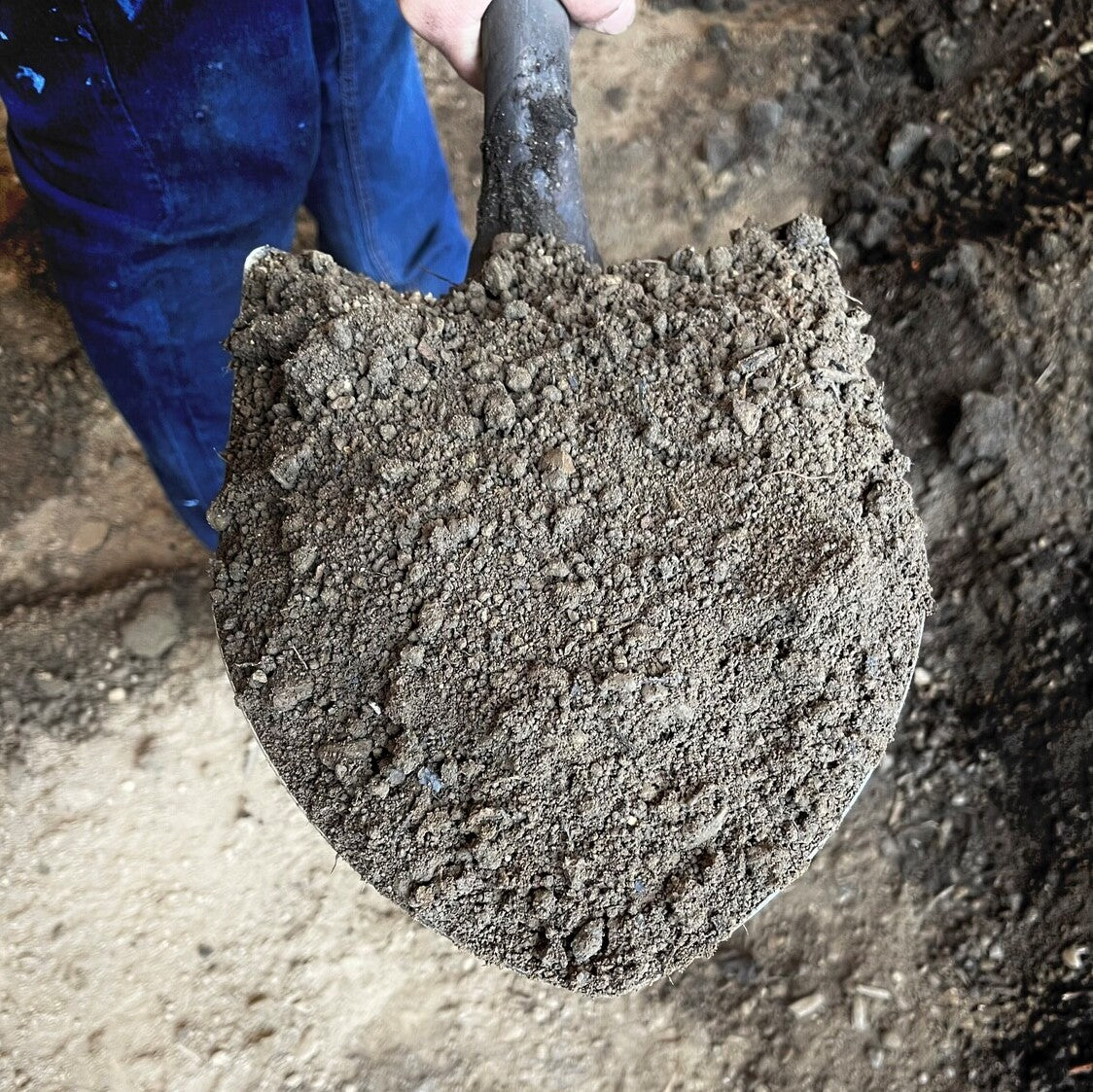
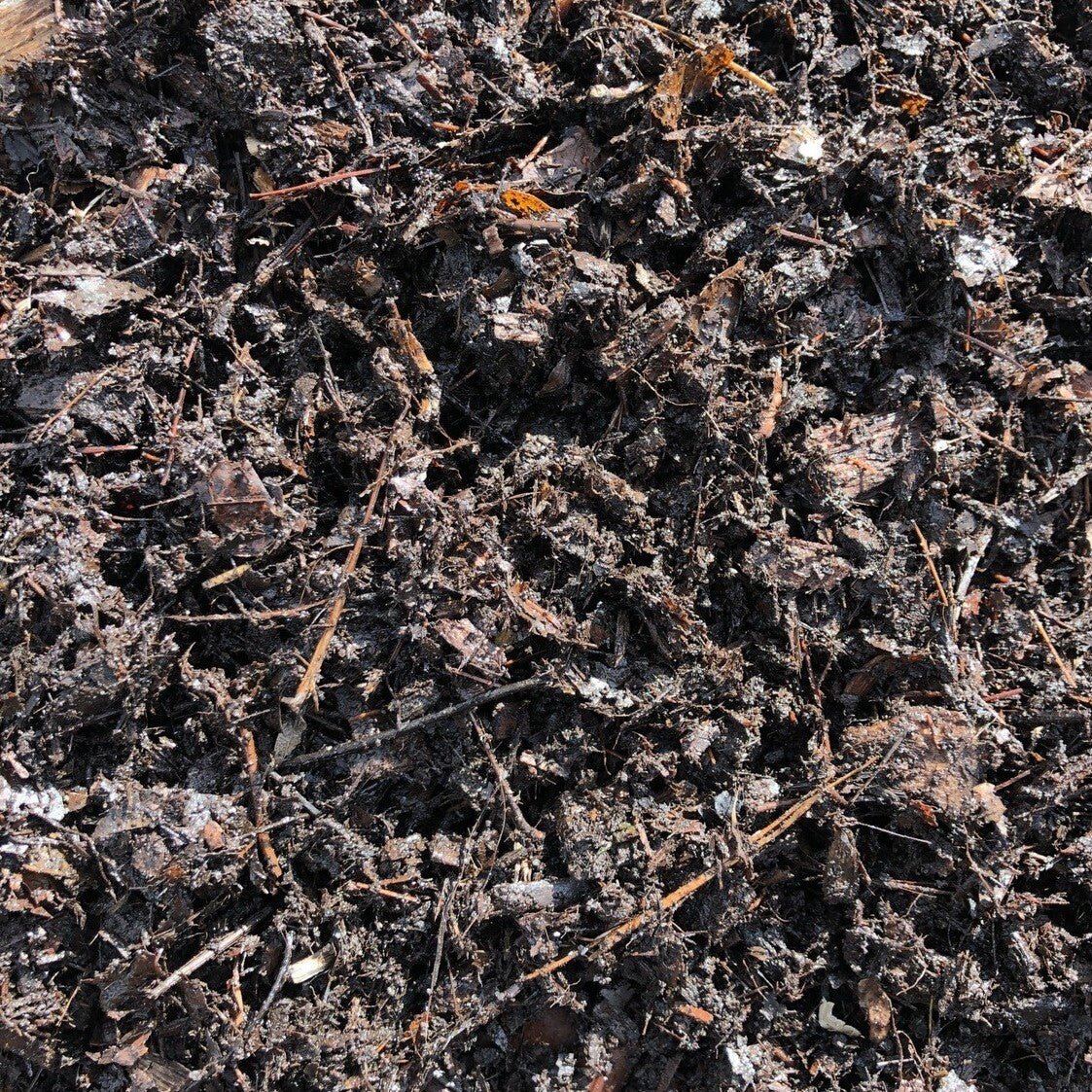
Spent mushroom substrate loaded with organic nutrients. Excellent for enriching garden beds, improving soil structure, and giving plants a slow release fertility boost.
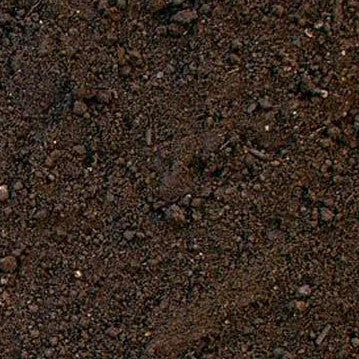
A balanced mix of topsoil and organic amendments ready for raised beds, flower gardens, and new planting areas. Good drainage, solid nutrients, easy to work with.
Engineered soil blend for rain gardens and bioretention areas. Balances drainage with moisture retention so stormwater filters naturally while plants thrive.
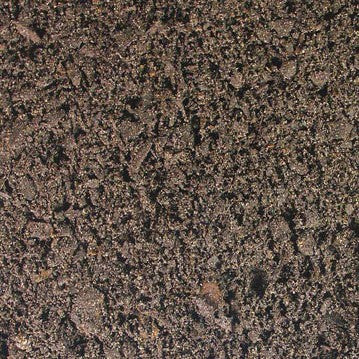
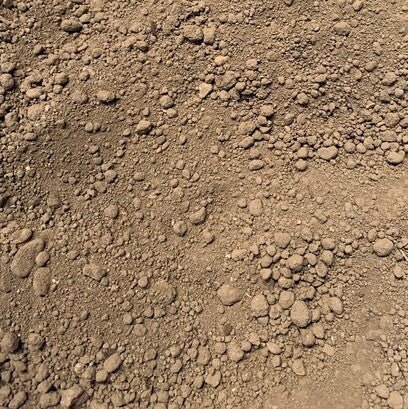
Screened topsoil filtered clean of rocks, roots, and debris. Smooth, consistent texture that is ready for lawns, gardens, raised beds, and finish grading.
Screened topsoil filtered clean of rocks, roots, and debris. Smooth, consistent texture that is ready for lawns, gardens, raised beds, and finish grading.
A balanced mix of topsoil and organic amendments ready for raised beds, flower gardens, and new planting areas. Good drainage, solid nutrients, easy to work with.
Screened topsoil filtered clean of rocks, roots, and debris. Smooth, consistent texture that is ready for lawns, gardens, raised beds, and finish grading.
Nutrient rich leaf compost that transforms tired soil. Improves structure, boosts water retention, and feeds the beneficial microorganisms that keep gardens healthy.
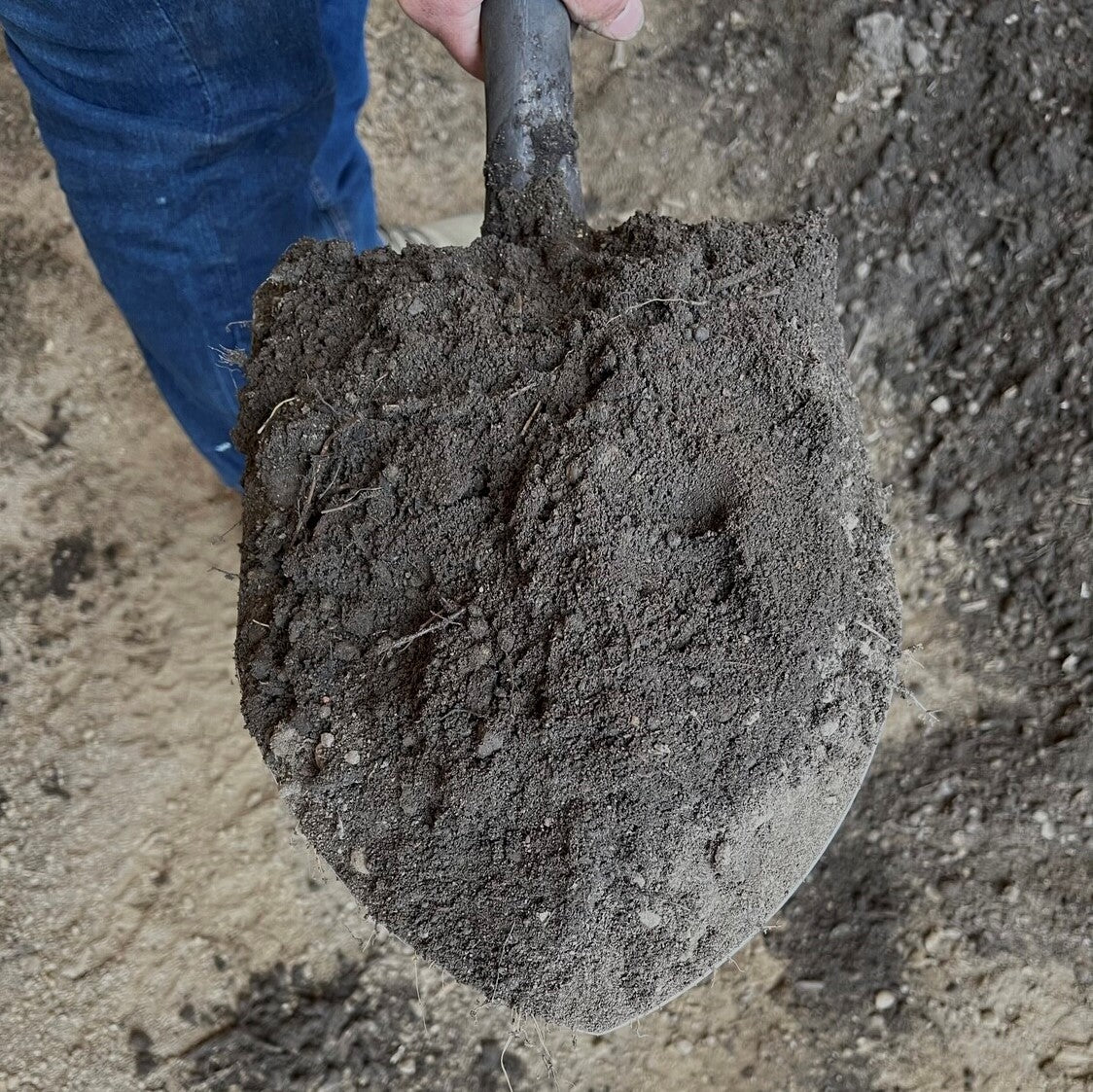
Quality topsoil for lawns, gardens, and landscape projects. Nutrient rich and ready to support strong root development and healthy plant establishment.
Quality topsoil for lawns, gardens, and landscape projects. Nutrient rich and ready to support strong root development and healthy plant establishment.
Quality topsoil for lawns, gardens, and landscape projects. Nutrient rich and ready to support strong root development and healthy plant establishment.
Quality topsoil for lawns, gardens, and landscape projects. Nutrient rich and ready to support strong root development and healthy plant establishment.
Quality topsoil for lawns, gardens, and landscape projects. Nutrient rich and ready to support strong root development and healthy plant establishment.
Mulch Mound is super reliable and high quality!
We have had trouble finding anyone who would deliver to a city location (alley access, tight allow...
Read full review
Mulch Mound is super reliable and high quality!
We have had trouble finding anyone who would deliver to a city location (alley access, tight allowances!) Mulch Mound came through, and got our delivery right on time and right on target!
The soil we had delivered is a good blend of sandy, clay, and compost, and it is perfect for filling our new raised garden beds.
Ordering is super easy, I love their easy to use webform.
Thanks Mulch Mound!
Soil projects usually involve filling, leveling, or prepping for planting. Trace your work area and select a depth to estimate yardage. Shallow depths handle lawn leveling well, while deeper fills suit beds and grading work in York.
Complete Your Outdoor Soil Project
Soil gets your beds ready for planting. Add mulch on top to protect roots and hold moisture in silt loam ground. Stone finishes York paths and edging.
Organics and gypsum help. Sand makes things worse. Add several inches of compost and work it into the top layer yearly.
Answer
What soil for containers?
Potting mix, not garden soil. Garden soil compacts in pots and drains poorly. Container plants need the aeration potting mix provides.
Answer
What's the difference between compost and topsoil?
Different roles—topsoil gives bulk and structure, compost provides nutrients and organic matter. Combining them works best.
Answer
How much soil do I need?
One cubic yard covers about 100 square feet at 3 inches deep. For raised beds, plan 12 inches minimum. Our calculator handles the math.
Answer
Do I need landscape fabric under soil?
Fabric isn't ideal under growing areas. Cardboard smothers grass better and biodegrades. Use fabric under gravel, not gardens.
Answer
Is bagged soil or bulk better?
Bulk is cheaper per yard and often higher quality. Bags work for tiny jobs. Anything over a few square feet, bulk delivery saves money.
Answer
What soil is best for raised beds?
Raised bed mix combines topsoil, compost, and drainage amendments. Better than using York's silt loam directly—especially for vegetables.
Mulch Mound Pro Tip
Do not spread topsoil when rain is forecast in the next day or two. Runoff carries loose soil into streets, storm drains, and neighbors' yards, wasting your material and creating problems.
Mulch Mound Pro Tip
Topsoil color indicates organic content and general quality. Darker soil generally has more organic matter and better fertility. Gray or pale soil usually means poor fertility and drainage issues.
Mulch Mound Pro Tip
Mix new topsoil into existing silt loam soil at bed edges rather than creating a sharp boundary between materials. Blending the transition zone helps water move naturally between layers without pooling.
The Unique Landscape of York
Good soil helps York plantings establish faster and keeps beds looking tidy after the first few weeks. Around York, Spring rain and freeze–thaw cycles can leave beds lumpy and wash out low spots. Great for gardens, borders, and any spot where you want a smoother grade and better planting layer. Keep the finish slightly high—soil settles—then touch up after the first good rain. With delivery, you can focus on grading and planting instead of hauling bags.