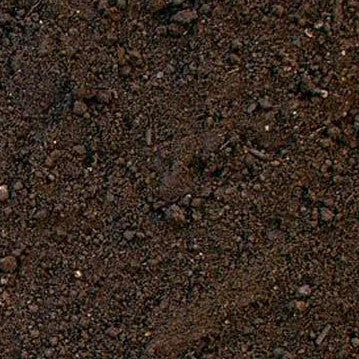
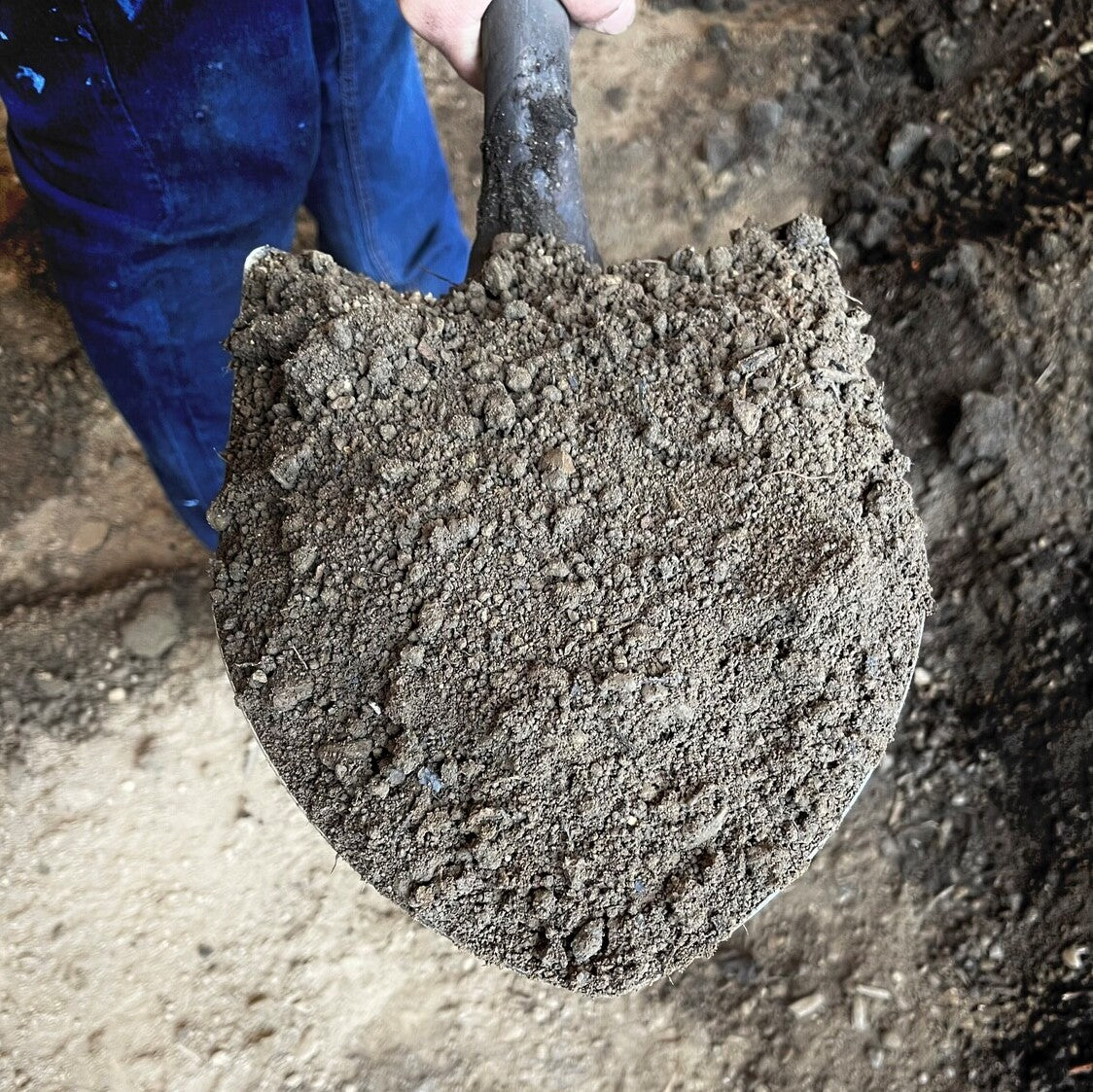
Quality topsoil for lawns, gardens, and landscape projects. Nutrient rich and ready to support strong root development and healthy plant establishment.
We got 3 yards of the gardening top soil. It was great quality, not many chunks and seems good for growing, just waiting for all my plants to love it.
We had more than enough soil to fill a raised bed we made and landscaped around a patio. I do wish we could do less than 3 yd...
Quality topsoil for lawns, gardens, and landscape projects. Nutrient rich and ready to support strong root development and healthy plant establishment.
We got 3 yards of the gardening top soil. It was great quality, not many chunks and seems good for growing, just waiting for all my plants to love it.
We had more than enough soil to fill a raised bed we made and landscaped around a patio. I do wish we could do less than 3 yd...
How Much Material Do I Need?
For establishing lawn over Rogers's compacted rocky clay subgrade, plan for at least 4 to 6 inches of quality topsoil to give grass roots a viable growing medium. Garden beds and raised planting areas benefit from 8 to 12 inches of amended soil to keep roots fully above the poorly draining native clay below.
Use our free soil calculator
What is a yard?
A yard is approximately 27 cubic feet. As a general guideline, one yard of material can cover an area of about 100-160 square feet at a 2-3 inch depth.
We got 3 yards of the gardening top soil. It was great quality, not many chunks and seems good for growing, just waiting for all my plants to love ...
Read full review
We got 3 yards of the gardening top soil. It was great quality, not many chunks and seems good for growing, just waiting for all my plants to love it.
We had more than enough soil to fill a raised bed we made and landscaped around a patio. I do wish we could do less than 3 yds delivered but I understand the limitations.
My only concern was we requested it on the top left of our driveway since we had mulch on the other side, they ended up pouring it on top of the mulch (it was covered with a tarp so not ruined) making it difficult to complete our landscaping in a timely fashion.
Measure your project area in feet and multiply length by width to get square footage, then multiply by your target depth expressed in feet and divide by 27 to convert cubic feet to cubic yards. Rogers's rocky clay subsoil often has low spots that are hard to see until you begin grading, so adding 15 percent to your estimate is a smart buffer. Ordering a little extra is especially worthwhile for large lawn areas on Rogers's rolling terrain, where elevation changes can hide significant volume needs that only become clear once work begins.
Complete Your Outdoor Soil Project
Topping finished soil beds with a 3-inch layer of hardwood mulch is one of the best things Rogers homeowners can do to protect new soil from erosion during spring storms and retain moisture through the hot zone 7a summer months. Decorative stone edging along bed perimeters helps hold both soil and mulch in place on Rogers's often sloped and rocky terrain.
Can I just add purchased soil on top of my Rogers clay and expect plants to do well?
Adding a quality soil layer on top of Rogers's clay is a solid first step, but plants will eventually hit that clay barrier as roots grow deeper and encounter the drainage problems embedded in the native subsoil. For the best outcome, till the top 4 to 6 inches of your native clay and mix in a portion of the new soil before adding the final layer on top. This transition zone helps roots move gradually from the amended layer into the native clay without hitting a hard boundary that stops growth cold.
Answer
How much soil do I need to level out low spots in my Rogers lawn?
For lawn leveling in Rogers, apply no more than half an inch to one inch of soil at a time so existing grass is not smothered. Measure the square footage of the low area and calculate based on a 0.5-inch depth to start. Because Rogers's clay base can settle unevenly after heavy spring rains, you may need a second light topdressing after the first application settles over several weeks, particularly in areas that drain slowly due to the underlying clay.
Answer
What kind of soil mix works best for raised garden beds in Rogers?
A blend of quality topsoil, compost, and a small amount of coarse perlite or aged pine bark is ideal for raised beds in Rogers. The goal is a mix that drains freely, since raised beds positioned over Rogers's clay can still experience waterlogging if the native soil beneath becomes saturated during spring. A ratio of roughly 60 percent quality topsoil and 40 percent compost gives you excellent structure and fertility for zone 7a vegetables, which need rich, well-drained growing medium to produce before the October 28 first frost closes the season.
Answer
Will bringing in and grading soil actually fix the drainage issues in my Rogers yard?
Strategic soil grading can redirect water away from problem areas and is an effective fix for flat or negatively graded Rogers yards that pool after rain. Adding soil to raise low spots and slope the grade away from structures helps significantly, though the underlying clay will still absorb water slowly no matter what. Pairing soil grading with a gravel French drain in the worst spots gives Rogers homeowners the most complete and long-lasting drainage solution available.
Answer
My Rogers yard had all the topsoil scraped off during construction. How much soil do I need to bring in?
Most landscapers recommend a minimum of 4 to 6 inches of quality topsoil over compacted subgrade to support lawn grass, and 8 to 12 inches for productive garden beds. Rogers's rocky clay subsoil is particularly unforgiving for grass roots, so erring toward 6 inches rather than 4 gives you a significantly better outcome during establishment. Calculate your square footage, convert your target depth to feet, multiply the two together, and divide by 27 to arrive at your cubic yard order.
Answer
When is the best time to bring in bulk soil and do grade work in Rogers?
Spring and fall are both productive windows for soil work in Rogers. The period just before the April 15 last frost date, in late March or early April, is ideal for lawn prep and new bed construction because the soil is workable but not yet baking in summer heat. Fall soil work done through September and into early October lets beds settle over winter, so they are perfectly ready when the zone 7a growing season opens again the following spring.
Answer
How do I keep newly placed soil from washing away on my sloped Rogers property?
Rogers's hilly Ozark terrain combined with 47 inches of annual rainfall is a challenging combination for freshly spread soil. Immediate seeding or sodding after grading is the best protection, since plant roots stabilize the soil surface quickly. On steeper slopes, erosion control blankets or a straw layer can protect bare soil through Rogers's intense spring rain season until vegetation establishes. Stone edging along the downhill edges of beds also keeps soil from migrating during the heavy events that Rogers gets each spring.
Mulch Mound Pro Tip
Rogers's growing season closes around October 28, so any major soil work or bed building should wrap up no later than early October to give the ground time to settle before frost arrives. Freshly placed soil that freezes and thaws repeatedly through winter can develop an uneven, clumpy surface by spring. Spreading and lightly compacting new soil in September or early October, then covering it with a thin layer of straw, results in a much more level and workable surface when the April planting window opens again.
Mulch Mound Pro Tip
When grading or adding soil to Rogers yards, always slope the finished grade away from your home's foundation at a rate of about one inch per foot for the first six feet out from the structure. Rogers's clay soil does not absorb water quickly, making foundation areas especially vulnerable to water intrusion after the region's heavy spring rain events. Getting the slope right during a soil project is one of the most cost-effective ways Rogers homeowners can protect their foundation from long-term moisture damage.
Mulch Mound Pro Tip
Rogers's rocky clay subsoil can have dramatically different density and depth from one part of a yard to another, depending on where rock outcrops sit close to the surface. Before ordering bulk soil for a large project, probe several spots across your yard with a metal rod to check for shallow stone. Knowing where you have only 2 to 3 inches before hitting rock helps you estimate how much fill you actually need rather than making assumptions based on surface area alone.
The Unique Landscape of Rogers
Rogers's native rocky clay creates a frustrating starting point for most landscaping and gardening projects in the area. The soil drains poorly after the region's heavy spring rains and then bakes into a cracked, nearly impenetrable surface during summer dry spells at 1,371 feet elevation. Many Rogers yards include areas of exposed rocky subsoil where builders scraped away topsoil during construction, leaving behind virtually no viable growing medium for grass or plants. Importing quality bulk soil is the most practical way to reclaim these stripped areas or to build raised garden beds that sidestep the native clay entirely. With the zone 7a growing season running from around April 15 to October 28, having properly structured and amended soil in place before planting time is one of the highest-impact investments a Rogers homeowner can make.




 +2
+2


