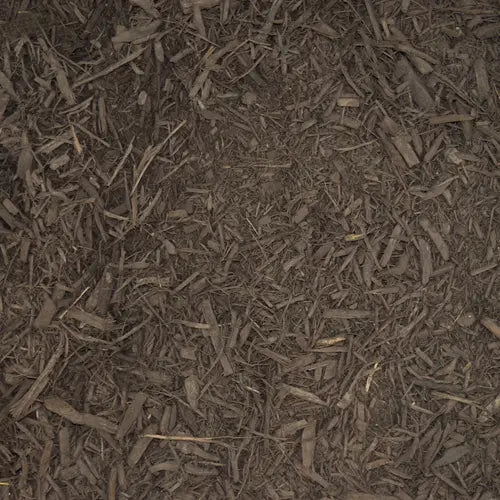
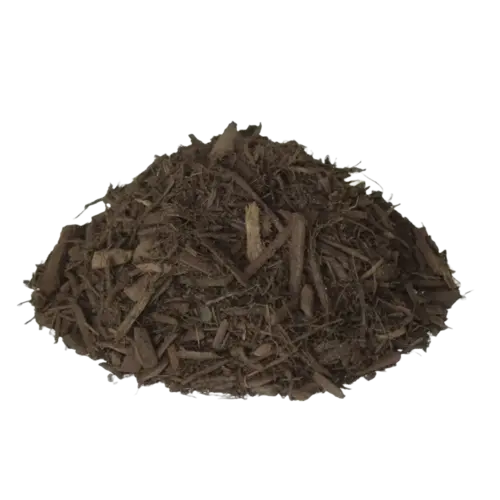
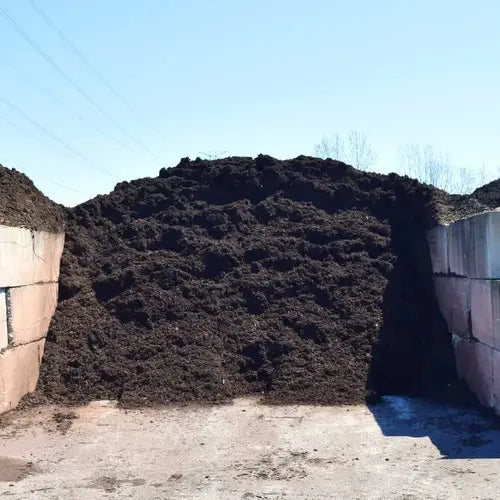
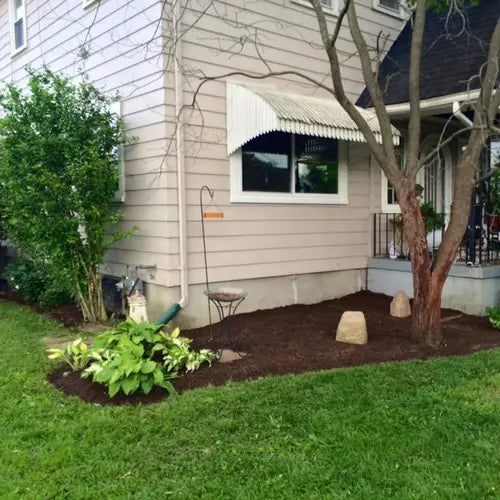
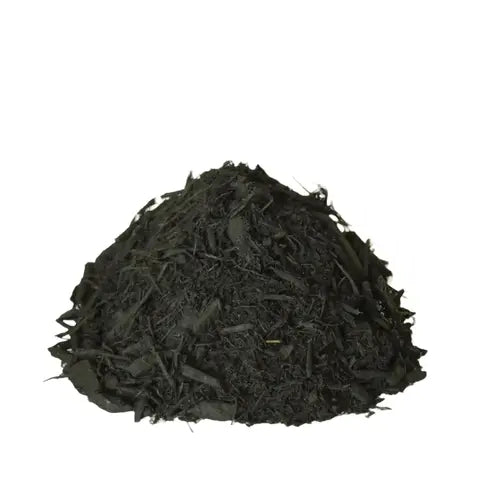
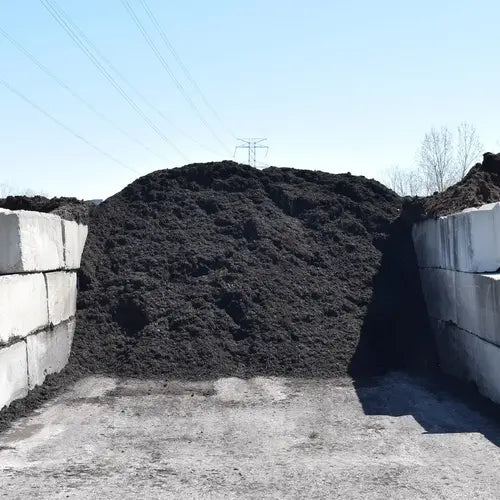
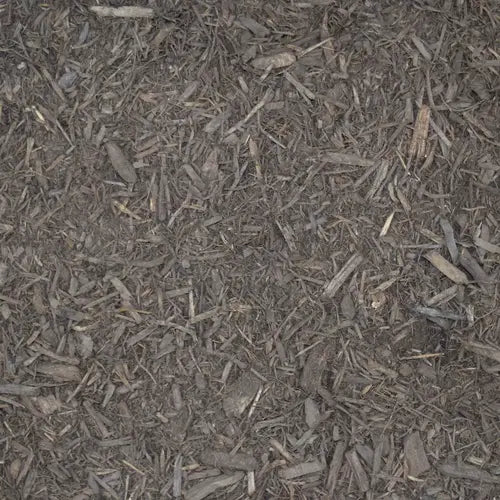
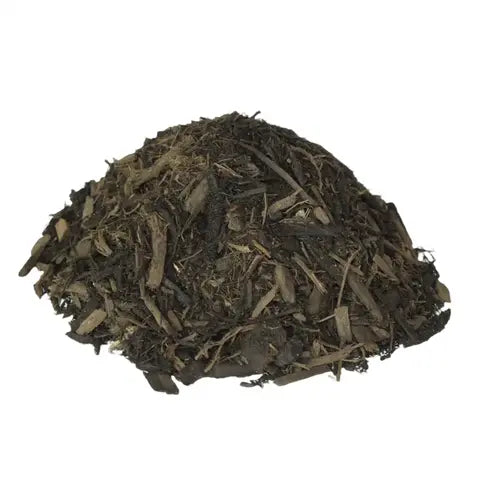
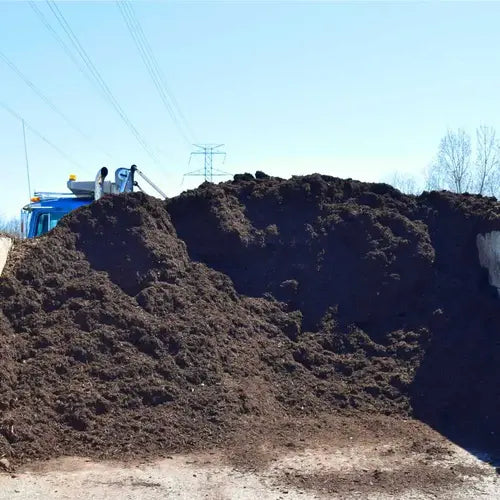
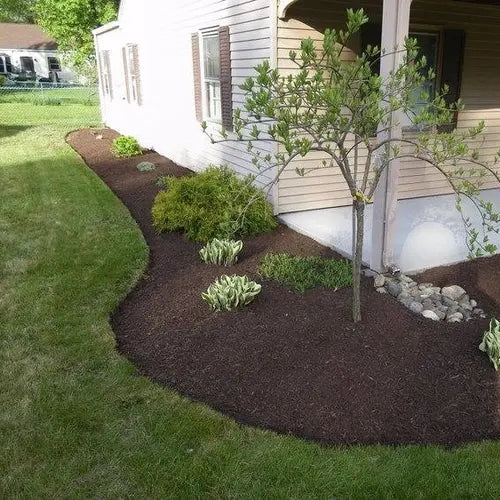
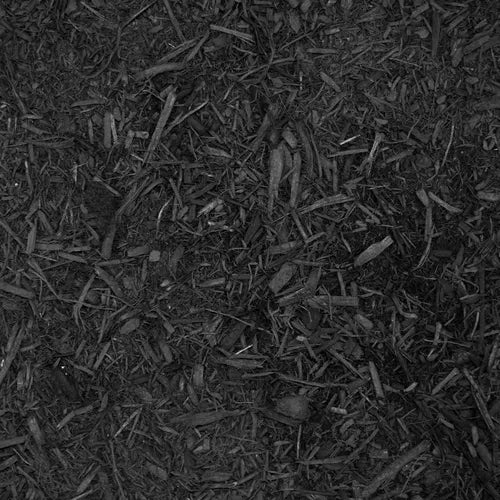
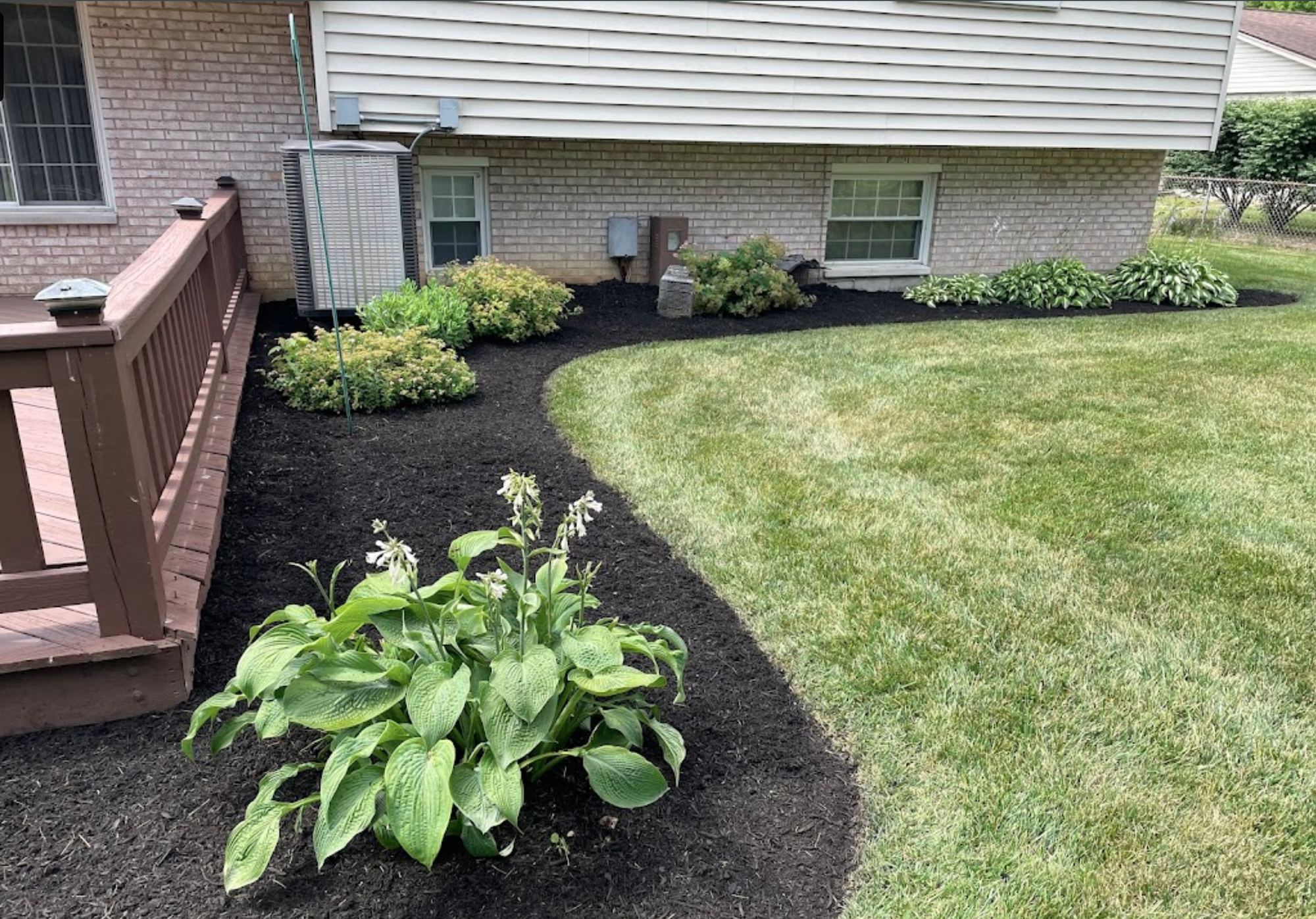
Warm brown double shredded mulch with lasting color that looks freshly applied for weeks. Spreads smooth, stays put, and gives beds a natural, polished appearance.
We needed mulch for our HOA common areas. Local providers were all holding high prices even for 40 yards of mulch. Mulch mound was easy to wowith & has great price for natural mulch + delivery schedule options. They called before delivery to ensure Delivery was exactly wher...
Tell us what you're looking for
Thanks! We received your request.
Something went wrong. Please try again.
How Much Material Do I Need?
For Rogers's rocky clay soil, a 3-inch application depth is recommended for established beds, while new beds built on freshly exposed compacted clay may benefit from a full 4 inches to buffer the harsh subsoil below. Avoid exceeding 4 inches in any single application over clay to prevent moisture from becoming trapped at the root zone.
Use our free mulch calculator
What is a yard?
A yard is approximately 27 cubic feet. As a general guideline, one yard of material can cover an area of about 100-160 square feet at a 2-3 inch depth.
We can't take orders for this right now. Tell us what you need and we'll get back to you.
What do you need?
Thanks! We received your request.
Something went wrong. Please try again.
Hand-picked local yards
4,000+ regional deliveries
Dedicated support
Why order through Mulch Mound
The best local mulch, without the guesswork.
We hand-pick and partner with the best yards in your region, keep only the ones our buyers rate well, and back each load with our guarantee.
Mulch Mound Guarantee
If your mulch isn't the quantity or quality you ordered, we'll make it right.
About this mulch
Warm brown double shredded mulch with lasting color that looks freshly applied for weeks. Spreads smooth, stays put, and gives beds a natural, polished appearance.
We needed mulch for our HOA common areas. Local providers were all holding high prices even for 40 yards of mulch. Mulch mound was easy to wowith & has great price for natural mulch + delivery schedule options. They called before delivery to ensure Delivery was exactly wher...
How Much Material Do I Need?
For Rogers's rocky clay soil, a 3-inch application depth is recommended for established beds, while new beds built on freshly exposed compacted clay may benefit from a full 4 inches to buffer the harsh subsoil below. Avoid exceeding 4 inches in any single application over clay to prevent moisture from becoming trapped at the root zone.
Use our free mulch calculator
What is a yard?
A yard is approximately 27 cubic feet. As a general guideline, one yard of material can cover an area of about 100-160 square feet at a 2-3 inch depth.
We needed mulch for our HOA common areas. Local providers were all holding high prices even for 40 yards of mulch. Mulch mound was easy to wowith...
Read full review
We needed mulch for our HOA common areas. Local providers were all holding high prices even for 40 yards of mulch. Mulch mound was easy to wowith & has great price for natural mulch + delivery schedule options. They called before delivery to ensure Delivery was exactly where we wanted it.
Delivery was on time and great quality Mulch. Got it done in a reasonable time and yard looks great. Couldn’t be happier!!! Thank you and will us...
Read full review
Delivery was on time and great quality Mulch. Got it done in a reasonable time and yard looks great. Couldn’t be happier!!! Thank you and will use again!!
Mulch Mound delivered a yard of pea gravel to us. Delivery was on time, driver was friendly and hit a bullseye on the “tarp target”. We used the ...
Read full review
Mulch Mound delivered a yard of pea gravel to us. Delivery was on time, driver was friendly and hit a bullseye on the “tarp target”. We used the pea gravel (which was diameter as specified) to fill several muskrat holes around our pond. I would definitely recommend Mulch Mound to a friend!
To estimate how much mulch you need for your Rogers beds, measure the length and width of each bed in feet and multiply to get square footage. Divide that number by 108 to get the cubic yards needed for a 3-inch depth, which is the recommended layer for Rogers's rocky clay. Add 10 percent to your total to account for uneven terrain and the natural settling that happens across Rogers's hilly Ozark foothills landscape.
Mulch vs. No Mulch: The Difference
Rogers's zone 7a climate brings warm, humid summers that accelerate organic decomposition, meaning both natural and dyed mulch will break down faster here than in cooler regions to the north. Natural hardwood mulch fades to a silver-gray within one season but contributes more organic matter back to Rogers's clay soil as it breaks down, slowly improving its structure over time. Dyed mulch holds its color longer through Rogers's rainy spring season, which is a genuine advantage for curb appeal, though it decomposes more slowly and contributes less organic value to the soil beneath.
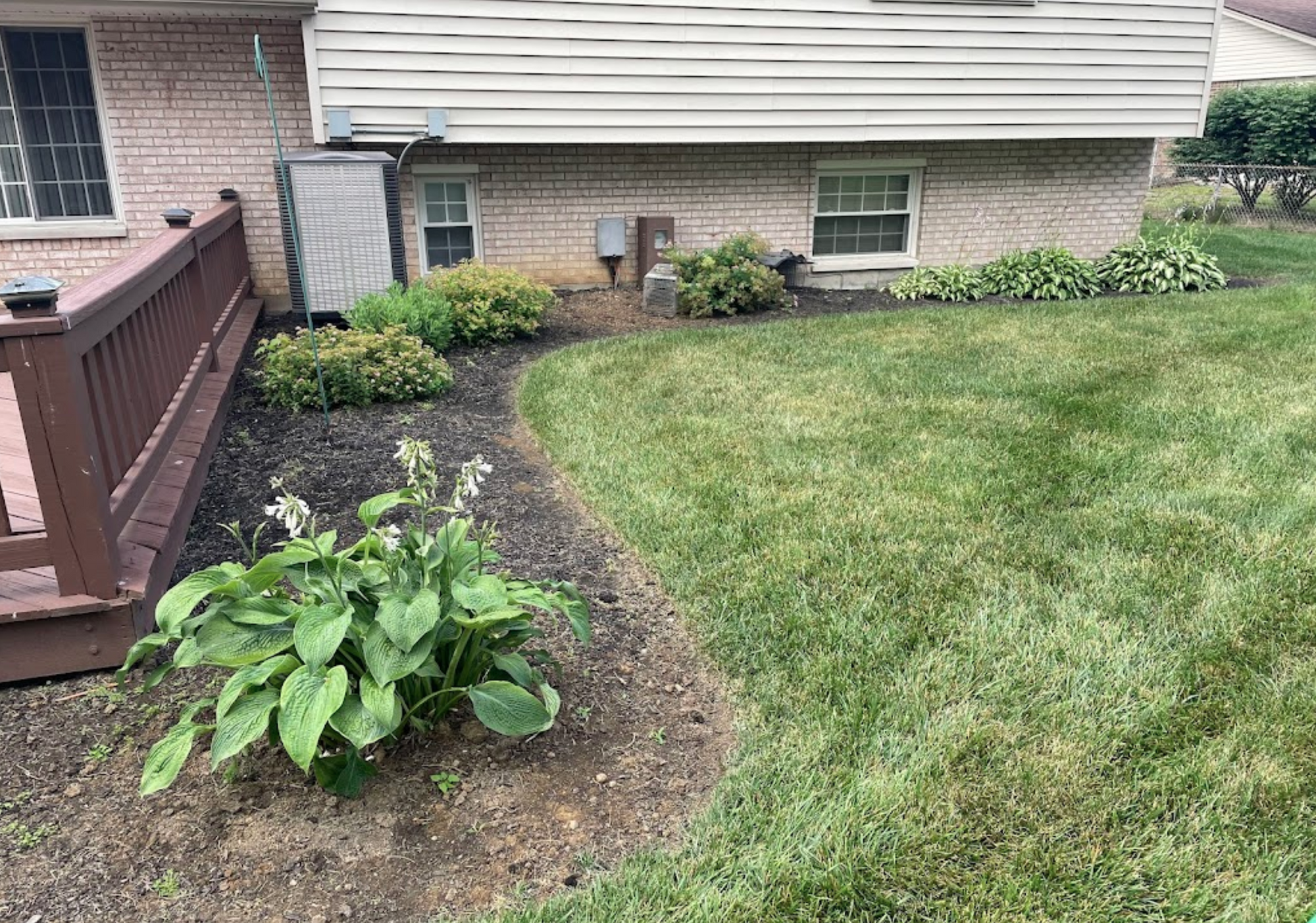
Before
After
Best Mulch Choice for Rogers Lawns
Most yards in the Rogers area sit on Rocky Clay type of soil. Rogers's rocky clay soil creates dense, compacted planting beds that suffocate roots and shed water rather than absorbing it, making the choice of mulch more consequential than it would be in looser, more forgiving soil types.
Hardwood Mulch
Hardwood mulch is particularly well suited to Rogers's rocky clay beds because as it decomposes it releases organic acids and carbon that help break up clay particles over time, gradually improving both drainage and root penetration in a soil type that would otherwise remain stubbornly dense season after season.
Mulch Types We Deliver in Rogers
Northwest Arkansas summers are warm and humid, and the region's heavy clay soils mean a good layer of mulch makes a real difference for moisture retention and weed control. If you are searching for bulk mulch delivery in Rogers, we bring it by the cubic yard straight to your property. Choose from dyed and natural varieties to match the look of your home and landscape.
Dyed Black Mulch
Dyed Black Mulch arrives in a double shredded cut that spreads smoothly over beds and borders. The bold, deep color creates sharp contrast against the green lawns and brick facades common throughout the area, and the colorfast formula holds up through Arkansas summer heat and heavy rain without fading quickly.
Dyed Brown Mulch
Dyed Brown Mulch is double shredded for a smooth, even spread that settles neatly around plantings. The warm tone complements the earthy brick and natural stone common in northwest Arkansas homes, and the lasting color stays looking fresh through weeks of summer sun and afternoon showers.
Natural Brown Mulch
Natural Brown Mulch is double shredded from untreated wood, giving it a clean earthy tone that blends naturally into the landscape. It suits gardeners who prefer no added dyes, and the smooth texture makes spreading easy across large beds in the clay soils typical of this part of Arkansas.
Complete Your Outdoor Mulch Project
If your Rogers beds are sitting on pure native clay, consider adding a layer of quality amended garden soil before mulching to give roots something nutrient-rich to grow into before hitting that rocky clay layer. Decorative stone works beautifully along bed borders and pathways in Rogers's hilly terrain, creating a clean edge that keeps mulch in place during heavy spring rains.
Rogers's rocky clay soil can form a hard surface crust that resists water penetration, especially after a dry July or August. Before spreading fresh mulch each spring, use a hand cultivator or garden fork to break up that surface crust in your beds. This one extra step dramatically improves how well the 3-inch mulch layer works with your soil rather than sitting on top of a sealed clay surface that sheds moisture instead of absorbing it.
Mulch Mound Pro Tip
Zone 7a in Rogers means your frost-free window closes around October 28, which does not leave much time for late-season planting recovery. Use mulch strategically in September and October to extend soil warmth around newly planted perennials and fall bulbs. The insulation a fresh mulch layer provides can give roots several extra weeks of active growth before the ground hardens, meaningfully improving winter survival rates on plants that might otherwise struggle through Rogers's coldest stretches.
Mulch Mound Pro Tip
Rogers receives about 47 inches of rain per year, and a large share of it arrives in heavy spring storms rather than gentle soaking events. After major rain events, pull mulch back slightly from the base of shrub stems and tree trunks to allow the crown area to dry out. Prolonged moisture trapped against bark in Rogers's humid spring conditions encourages fungal collar rot, particularly in the poorly drained low spots that are common in yards built on rocky clay.
Frequently Asked Questions
Click a question to see the answer
Answer
How deep should I apply mulch over Rogers's rocky clay soil?
In Rogers, a 3-inch layer is the sweet spot for most established beds. Rocky clay soil already struggles with compaction and water infiltration, so going too deep, say 5 or 6 inches, can trap moisture against plant crowns and create conditions for rot. Three inches gives you solid weed suppression and moisture retention without smothering roots or creating anaerobic conditions in the heavy clay layer just beneath the surface.
Answer
Will mulch help with the poor drainage I have in my yard due to the clay soil?
Mulch alone will not fix drainage in Rogers's rocky clay, but it plays a meaningful supporting role. A layer of organic mulch over clay beds slows surface runoff during heavy rain events, giving water more time to absorb rather than sheeting across the surface and carrying soil with it. For serious drainage issues in Rogers yards, pairing mulch with a soil amendment program or a gravel French drain solution will make a much more significant difference.
Answer
When is the best time of year to mulch my Rogers beds?
Early spring, right after the last frost around April 15, is the ideal window for Rogers homeowners. The soil is warming up and you want to lock in that warmth and suppress weeds before they germinate in the clay. A second application in mid-October, just before the first frost around October 28, helps insulate roots through winter. Rogers's clay soil holds cold longer than sandy soils, so that fall layer makes a real difference for the survival of perennials and newly established shrubs.
Answer
Does Rogers's 47 inches of annual rainfall wash mulch away from beds?
It can, especially on sloped beds or areas near downspouts. Rogers receives a large portion of its annual rainfall in concentrated spring and fall storm events rather than gentle steady rain, and that intensity can shift lighter mulch materials around. Hardwood mulch tends to knit together better than shredded pine over time, making it a more stable choice for sloped Rogers landscapes. A proper edging border along bed perimeters also goes a long way toward keeping mulch in place after a heavy storm.
Answer
How often do I need to replenish mulch in Rogers compared to other climates?
Most Rogers homeowners refresh their mulch once a year, typically in early spring. Zone 7a's warm, humid summers accelerate decomposition, so hardwood mulch breaks down faster here than it would in cooler climates farther north. The upside is that decomposed mulch adds organic matter to your clay soil over time, slowly improving its structure and drainage. Checking depth in late winter and topping off to 3 inches before the growing season opens is a reliable annual routine.
Answer
Is dyed mulch safe to use around my vegetable garden in Rogers?
Most dyed mulches use iron oxide or carbon-based colorants that are generally considered safe, but if you are growing edibles in Rogers, natural hardwood or undyed shredded mulch gives you more peace of mind. Dyed mulch is better suited to ornamental beds and foundation plantings where color retention through Rogers's rainy spring is a priority. Keep dyed product away from vegetable rows and you get the visual benefit in your decorative areas without any concern around your food crops.
Answer
My Rogers soil is extremely compacted. Will mulching eventually help loosen it?
Yes, over multiple seasons it will. As organic mulch decomposes into Rogers's rocky clay, it introduces organic matter that feeds soil microbes and helps break up compaction from the top down. The process is gradual, usually taking two to three years of consistent annual mulching before you notice a meaningful difference in how workable the soil feels. Pairing annual mulch applications with a compost-based soil amendment incorporated into the top few inches speeds the improvement considerably for Rogers's dense native clay.
The Unique Landscape of Rogers
Rogers sits at 1,371 feet in the Ozark foothills, where the native rocky clay soil drains poorly after rain yet bakes into a cracked, concrete-like surface during summer dry spells. That clay base creates a difficult environment for plant roots, making a consistent layer of mulch critical to moderating soil temperature and holding moisture between Rogers's frequent but unpredictable rain events. With 47 inches of annual rainfall spread unevenly across the year, bare beds are prone to erosion and weed pressure that takes hold quickly in zone 7a's warm growing season. Rogers gardeners also navigate a relatively short frost-free window, from around April 15 to October 28, so protecting root zones during the shoulder seasons is especially important. A proper mulch layer helps bridge those transitions, keeping soil workable longer and giving plants a stronger start each growing year.