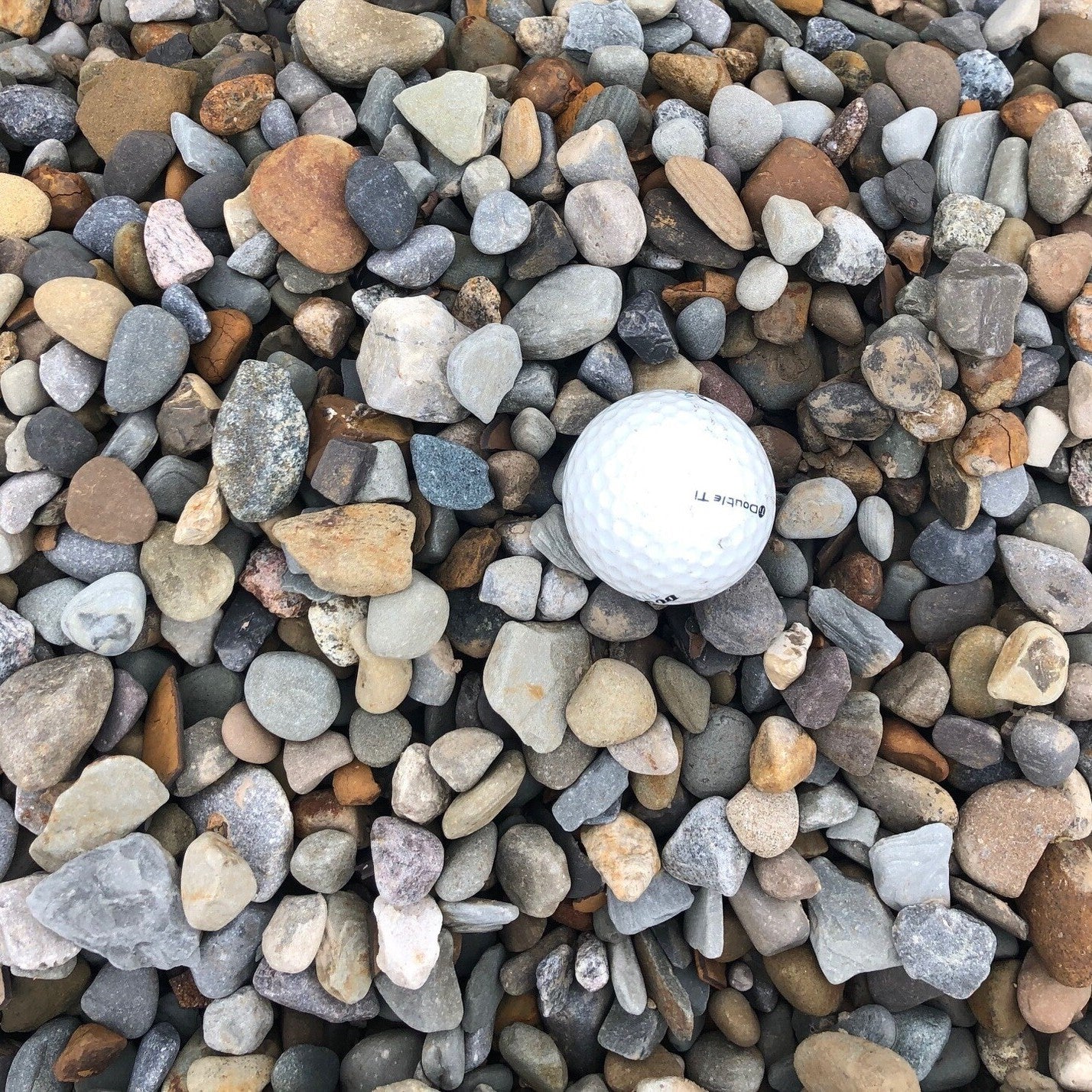
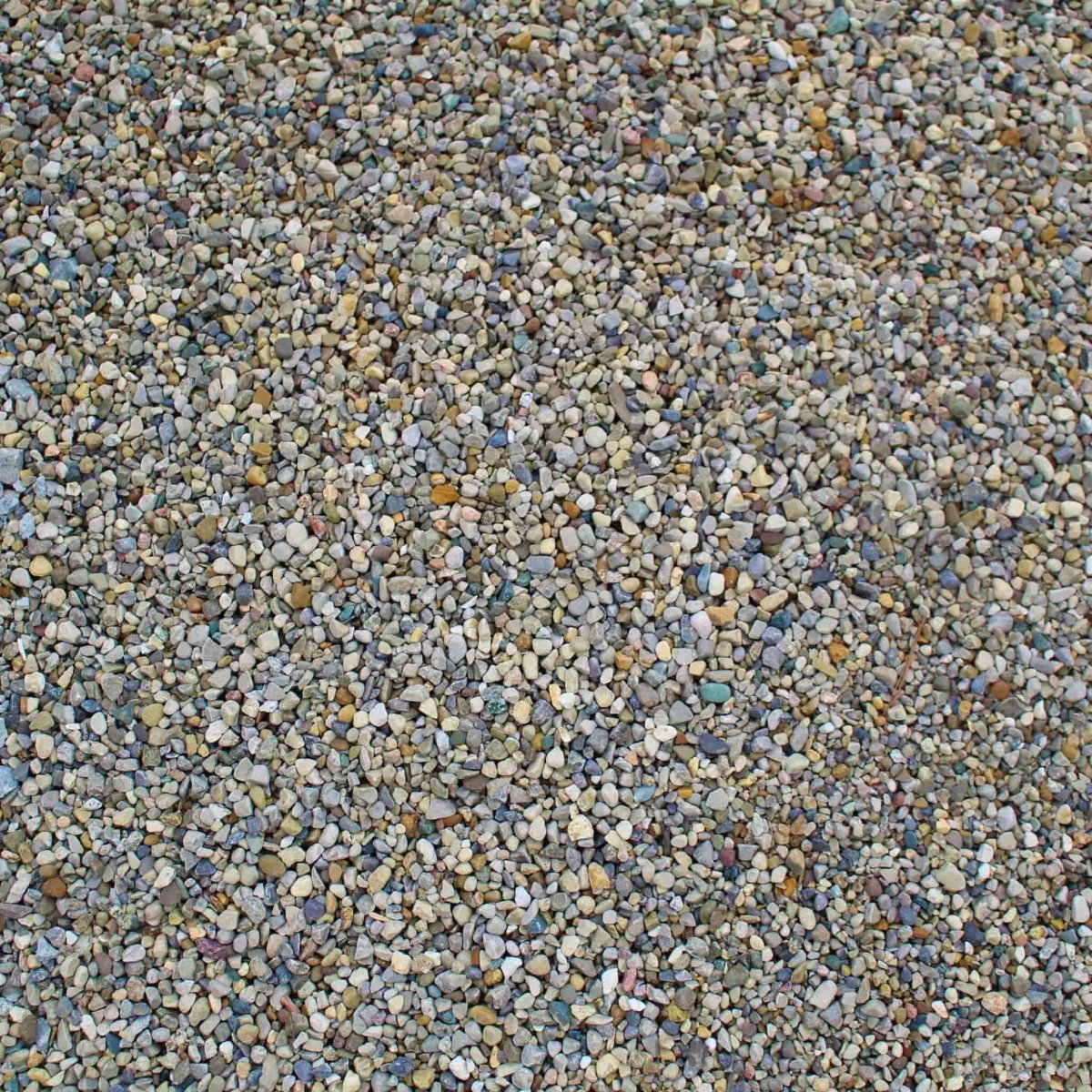
Number 57 crushed stone, angular limestone graded to about three quarters of an inch. The standard driveway, base and drainage gravel, it locks together under traffic and drains fast.
I used Mulch Mound to have 3 cubic yards of garden soil delivered. The process was easy and I love that I didn't have to call anyone. I placed my order online, picked my delivery date, laid out my tarp and the dirt was delivered. My delivery had to be pushed back, but I was ke...
Tell us what you're looking for
Thanks! We received your request.
Something went wrong. Please try again.
How Much Material Do I Need?
For drainage gravel applications in Rogers, plan for a minimum of 6 inches of depth in French drain trenches and dry creek beds to handle the high-intensity storm events that the region regularly experiences. Decorative surface applications like bed borders and pathway top layers need 2 to 3 inches of depth for a finished look that stays in place and covers the native clay below completely.
Use our free gravel calculator
What is a yard?
A yard is approximately 27 cubic feet. As a general guideline, one yard of material can cover an area of about 100-160 square feet at a 2-3 inch depth.
We can't take orders for this right now. Tell us what you need and we'll get back to you.
What do you need?
Thanks! We received your request.
Something went wrong. Please try again.
Hand-picked local yards
4,000+ regional deliveries
Dedicated support
Why order through Mulch Mound
The best local stone, without the guesswork.
We hand-pick and partner with the best yards in your region, keep only the ones our buyers rate well, and back each load with our guarantee.
Mulch Mound Guarantee
If your stone isn't the quantity or quality you ordered, we'll make it right.
About this stone
Number 57 crushed stone, angular limestone graded to about three quarters of an inch. The standard driveway, base and drainage gravel, it locks together under traffic and drains fast.
I used Mulch Mound to have 3 cubic yards of garden soil delivered. The process was easy and I love that I didn't have to call anyone. I placed my order online, picked my delivery date, laid out my tarp and the dirt was delivered. My delivery had to be pushed back, but I was ke...
How Much Material Do I Need?
For drainage gravel applications in Rogers, plan for a minimum of 6 inches of depth in French drain trenches and dry creek beds to handle the high-intensity storm events that the region regularly experiences. Decorative surface applications like bed borders and pathway top layers need 2 to 3 inches of depth for a finished look that stays in place and covers the native clay below completely.
Use our free gravel calculator
What is a yard?
A yard is approximately 27 cubic feet. As a general guideline, one yard of material can cover an area of about 100-160 square feet at a 2-3 inch depth.
I used Mulch Mound to have 3 cubic yards of garden soil delivered. The process was easy and I love that I didn't have to call anyone. I placed my o...
Read full review
I used Mulch Mound to have 3 cubic yards of garden soil delivered. The process was easy and I love that I didn't have to call anyone. I placed my order online, picked my delivery date, laid out my tarp and the dirt was delivered. My delivery had to be pushed back, but I was kept informed via text, which was great. So why not 5 stars? The description of garden soil on the website is "A balanced mix of topsoil and organic amendments ready for raised beds, flower gardens, and new planting areas. Good drainage, solid nutrients, easy to work with." What I got was more like fill dirt. It had a lot of gravel, a lot of clay, and random trash mixed in. I didn't test the soil to see if it actually had "amendments" because I already have compost and alpaca manure ready to add, but if I'd known the quality of the dirt was going to be the same as the bagged dirt I bought last year, I probably would have gotten 2 yards of top soil and a yard of leaf compost for better quality, especially since the leaf compost is cheaper. Photo of my mountain of dirt and just some of the trash I found in it.
Really appreciate the care and follow thru that this company had with our order. A hiccup came up but they were quick to respond and address all co...
Read full review
Really appreciate the care and follow thru that this company had with our order. A hiccup came up but they were quick to respond and address all concerns, which made our garden day a success! Thank you for your prompt care.
To calculate stone needed for a pathway or drainage bed in Rogers, measure length and width in feet and determine your target depth. Multiply all three dimensions together to get cubic feet, then divide by 27 to get cubic yards. Because Rogers's terrain is rarely perfectly flat, measuring depth at several points along your project area and averaging them accounts for the elevation variation common across Ozark foothills properties and helps you avoid coming up short on material.
Stone Types We Deliver in Rogers
Rogers homeowners and landscapers count on us for bulk gravel by the yard in Rogers, delivered straight to your driveway or job site without the hassle of multiple hardware store runs. Whether you are refreshing a backyard patio, improving drainage in northwest Arkansas clay soil, or finishing a new build, we load and drop off exactly the cubic yards you need. Our straightforward ordering process means you get the right stone, on time, at a fair bulk price.
Pea Gravel
Smooth, rounded, and easy to walk on, pea gravel is a go-to choice for Rogers yards where clay soil needs a permeable surface solution. Its warm earth tones complement the brick and wood exteriors common in this part of Arkansas, and it works equally well lining garden beds, filling pathways, or improving drainage around foundations.
Complete Your Outdoor Stone Project
Stone edging and gravel pathways pair naturally with mulched planting beds in Rogers, creating a clean visual boundary that also reduces the chance of mulch migrating during heavy spring rains. Adding quality amended soil to your planting areas before mulching completes a layered approach that addresses all of Rogers's main landscape challenges, from poor clay drainage to summer moisture loss, in one coordinated project.
Rogers's clay soil does not compact the same way sand or loam does, which means gravel pathways built directly on native clay can develop soft spots and rutting over time as the clay shifts with seasonal moisture changes. Laying a non-woven landscape fabric between the clay base and your gravel layer helps stabilize the surface and prevents clay from migrating up into your stone over multiple wet seasons. This one step dramatically extends the life of gravel pathways and patio areas in Rogers's variable climate.
Mulch Mound Pro Tip
Dry creek beds in Rogers need to be sized for the worst rain event you are likely to see, not just a typical spring shower. The region receives 47 inches of rain annually, and a meaningful portion arrives in intense storm systems rather than gentle steady rainfall. Designing your dry creek bed at least 12 to 18 inches wider than your initial instinct suggests gives you a buffer for peak flow events and prevents the bed from overtopping and eroding the surrounding clay during the most intense storms Rogers gets each spring.
Mulch Mound Pro Tip
Rogers's first frost typically arrives around October 28, and the freeze-thaw cycles that follow through winter can shift decorative stone on sloped surfaces more than homeowners expect. Before winter settles in, take a few minutes to rake stone borders and pathways back into shape and fill any low spots that developed during the fall rain season. This small fall maintenance task means your stone areas start the spring looking sharp rather than needing major rework after the last frost clears around mid-April.
The Unique Landscape of Rogers
Rogers's combination of rocky clay soil, hilly Ozark terrain, and 47 inches of annual rainfall creates persistent erosion and drainage challenges that decorative and functional stone is uniquely positioned to address. Hard surfaces like gravel pathways, dry creek beds, and drainage channels are especially practical here because they handle high-intensity storm runoff without washing away the way bare soil does. At 1,371 feet in the foothills, many Rogers yards have natural grade changes that are ideal for terracing with stone, creating level planting areas while reducing slope erosion at the same time. Stone also requires virtually no maintenance through Rogers's hot zone 7a summers, unlike mulch which decomposes and turf which demands consistent watering and mowing in the July and August heat. Whether used for drainage function or decorative finish, bulk stone is one of the most durable and low-maintenance landscape materials available to Rogers homeowners.
Frequently Asked Questions
Click a question to see the answer
Answer
What size gravel works best for drainage solutions over Rogers's clay soil?
For drainage applications over Rogers's rocky clay, a clean washed gravel in the 0.75-inch to 1.5-inch range is the standard go-to. This size is large enough to allow water to move freely through the voids without fine particles filling the gaps and causing clogs over time. French drains and dry creek beds built with this gravel size handle Rogers's high-intensity spring rainfall events well and continue functioning effectively for years with minimal upkeep.
Answer
How deep should gravel be for a pathway on my Rogers property?
A stable compacted gravel pathway in Rogers should have at least 4 inches of total depth, ideally built as a 2-inch base of crusher run topped by 2 inches of decorative gravel. Rogers's freeze-thaw cycle, which runs roughly from late October through mid-April, can shift and heave pathways that are not built on a properly compacted base. Taking the time to compact the sub-base before adding your decorative stone layer pays off in a level pathway that does not develop ruts or frost heaving after winter.
Answer
Can stone actually help with the erosion problems on my sloped Rogers yard?
Absolutely. Stone is one of the most effective erosion control tools available for Rogers's hilly Ozark terrain. A dry creek bed built with river rock channels water down slopes in a controlled way, preventing the gully erosion that is common in Rogers yards after intense spring storms. Riprap or larger angular stones placed at the base of slopes and along drainage paths absorb the energy of moving water and protect bare clay from scouring and washing away over time.
Answer
Will decorative gravel hold up well through Rogers's wet and stormy spring season?
Yes, quality decorative gravel handles Rogers's wet spring better than almost any other landscape surface material. Unlike mulch, which can float or shift significantly during a heavy downpour, stone stays in place and continues looking clean after the water recedes. The main post-storm task in Rogers is raking any fine debris like leaves or seed pods off the gravel surface once things dry out, which takes far less effort than refreshing and raking displaced mulch after a big spring storm.
Answer
What type of stone is best for a low-maintenance border around my Rogers home's foundation?
A 2-inch to 3-inch river rock or large pea gravel works very well for foundation borders in Rogers. Stone in this size range reflects heat away from the structure and keeps moisture from sitting against your foundation siding, which matters in Rogers's humid summers. It also eliminates the mulch-to-wood contact that can encourage termite activity and moisture rot, and unlike organic mulch it does not require annual replacement, making it a genuine set-it-and-maintain-rarely solution for Rogers foundation bed areas.
Answer
How much stone do I need for a dry creek bed in my Rogers yard?
A typical dry creek bed in Rogers is 2 to 3 feet wide and 6 to 8 inches deep with stone. Measure the total length of your planned creek bed, multiply by the width and depth in feet, then divide by 27 to get your cubic yards. Keep in mind that Rogers's clay soil does not absorb water quickly, so designing your dry creek bed with enough volume to carry peak flow from a major spring storm is more critical than sizing it for average rainfall events.
Answer
Is stone a good choice around the base of trees in my Rogers yard?
Stone can work well around trees in Rogers with a few important caveats. Avoid piling stone directly against the root flare, as this restricts oxygen to roots the same way excessive mulch can. A ring of decorative gravel beginning about 6 inches out from the trunk and extending several feet outward is a clean, low-maintenance option that also handles the surface root competition common in Rogers's clay, where roots spread wide rather than deep. Larger river rock works better than fine gravel in this application because it allows better air exchange at the soil surface.
Answer
Is there a stone yard near Rogers?
Lining a dry creek bed to handle Rogers's heavy spring runoff can mean hauling crushed stone home from a stone yard yourself, or having it delivered. Mulch Mound is not a stone yard or quarry, so there is no trip to make. You order online by the cubic yard and we drop it where you need it.