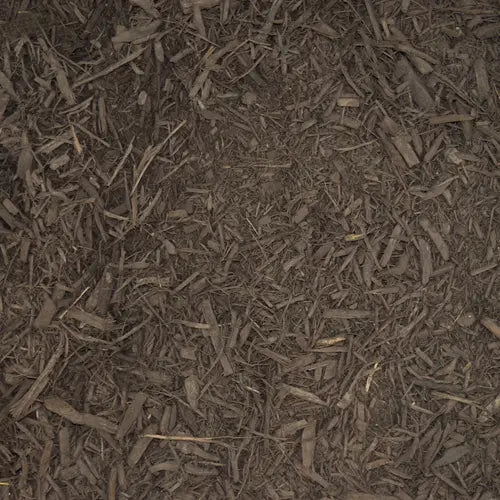
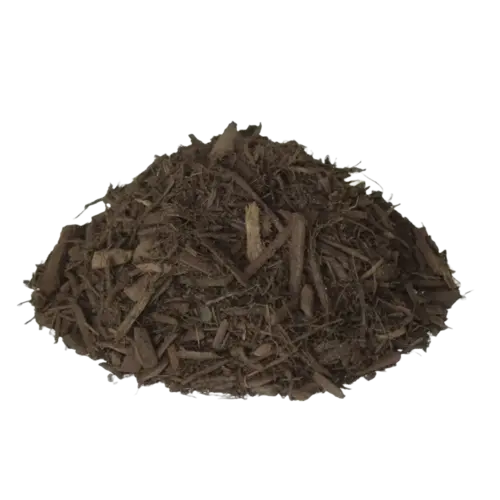
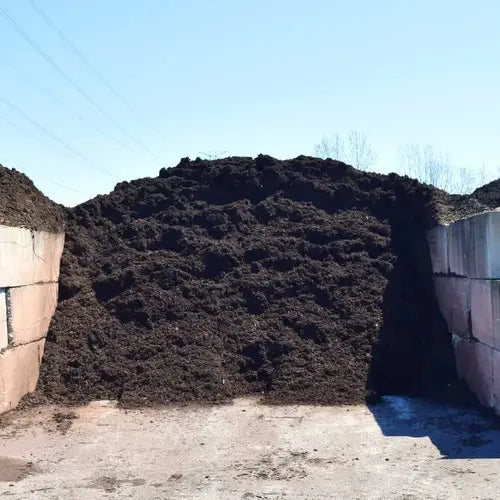
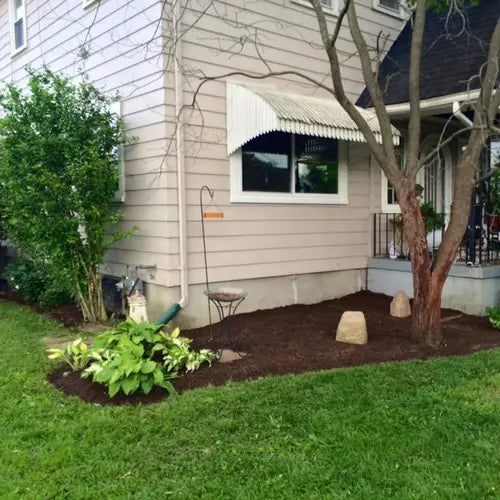
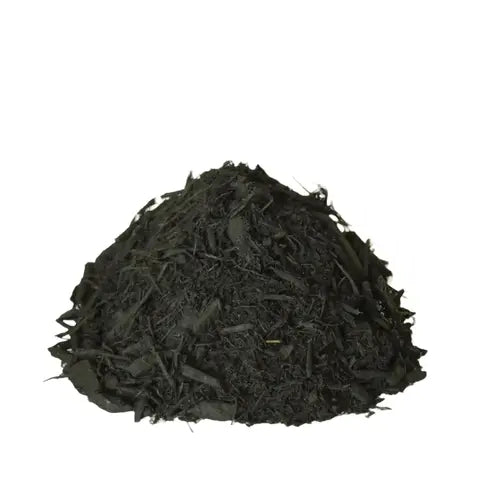
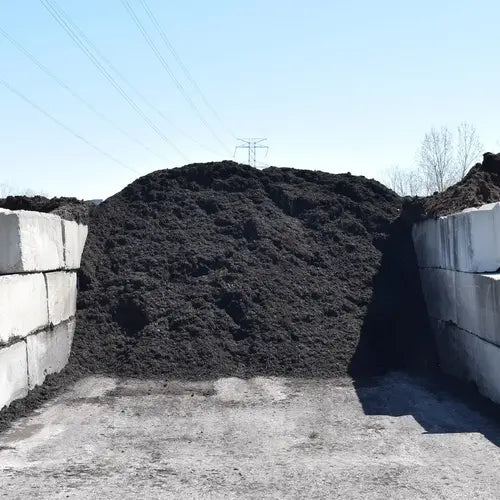
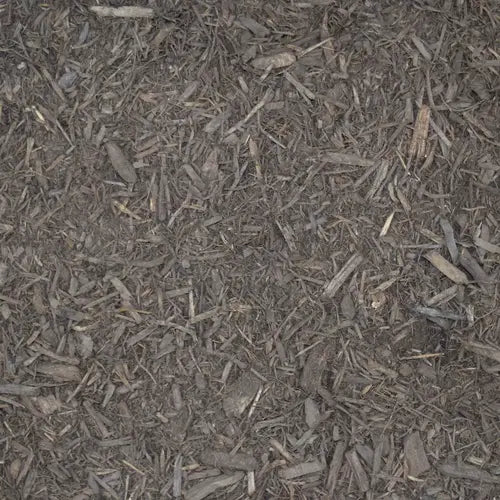
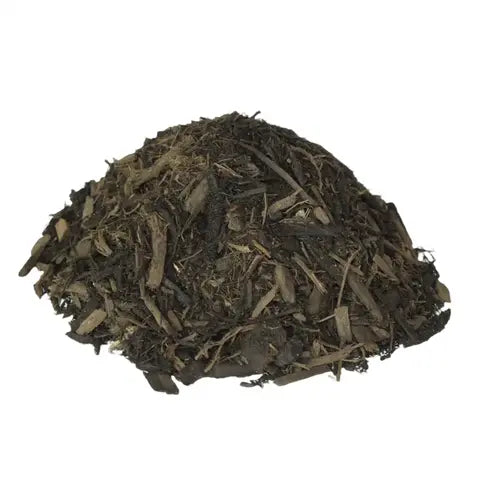
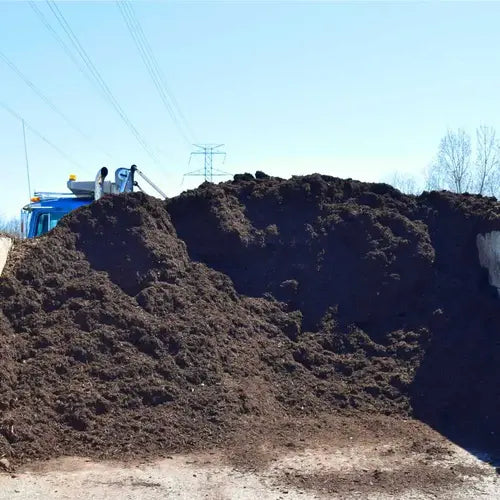
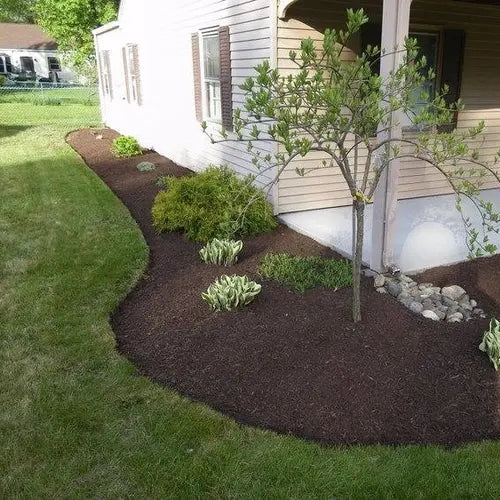
Warm brown double shredded mulch with lasting color that looks freshly applied for weeks. Spreads smooth, stays put, and gives beds a natural, polished appearance.
Delivery was on time and great quality Mulch. Got it done in a reasonable time and yard looks great. Couldn’t be happier!!! Thank you and will use again!!
Tell us what you're looking for
Thanks! We received your request.
Something went wrong. Please try again.
How Much Material Do I Need?
For Airmont's silt loam soil, aim for a consistent 3-inch layer in ornamental beds, as thinner applications wash away or compress quickly under the region's 50 inches of annual rain. A light 1 to 2 inch refresh is appropriate when topping off existing mulch that still has some depth remaining.
Use our free mulch calculator
What is a yard?
A yard is approximately 27 cubic feet. As a general guideline, one yard of material can cover an area of about 100-160 square feet at a 2-3 inch depth.
We can't take orders for this right now. Tell us what you need and we'll get back to you.
What do you need?
Thanks! We received your request.
Something went wrong. Please try again.
Hand-picked local yards
4,000+ regional deliveries
Dedicated support
Why order through Mulch Mound
The best local mulch, without the guesswork.
We hand-pick and partner with the best yards in your region, keep only the ones our buyers rate well, and back each load with our guarantee.
Mulch Mound Guarantee
If your mulch isn't the quantity or quality you ordered, we'll make it right.
About this mulch
Warm brown double shredded mulch with lasting color that looks freshly applied for weeks. Spreads smooth, stays put, and gives beds a natural, polished appearance.
Delivery was on time and great quality Mulch. Got it done in a reasonable time and yard looks great. Couldn’t be happier!!! Thank you and will use again!!
How Much Material Do I Need?
For Airmont's silt loam soil, aim for a consistent 3-inch layer in ornamental beds, as thinner applications wash away or compress quickly under the region's 50 inches of annual rain. A light 1 to 2 inch refresh is appropriate when topping off existing mulch that still has some depth remaining.
Use our free mulch calculator
What is a yard?
A yard is approximately 27 cubic feet. As a general guideline, one yard of material can cover an area of about 100-160 square feet at a 2-3 inch depth.
Delivery was on time and great quality Mulch. Got it done in a reasonable time and yard looks great. Couldn’t be happier!!! Thank you and will us...
Read full review
Delivery was on time and great quality Mulch. Got it done in a reasonable time and yard looks great. Couldn’t be happier!!! Thank you and will use again!!
Mulch Mound delivered a yard of pea gravel to us. Delivery was on time, driver was friendly and hit a bullseye on the “tarp target”. We used the ...
Read full review
Mulch Mound delivered a yard of pea gravel to us. Delivery was on time, driver was friendly and hit a bullseye on the “tarp target”. We used the pea gravel (which was diameter as specified) to fill several muskrat holes around our pond. I would definitely recommend Mulch Mound to a friend!
I can’t say enough good things about Mulch Mound! If you read my review below you will see I had a problem with my order. Mulch Mou...
Read full review
UPDATE!
I can’t say enough good things about Mulch Mound! If you read my review below you will see I had a problem with my order. Mulch Mound was quick to respond and solved the issue with my delivery. Will definitely be a customer next year.
First time purchase from Mulch Mound!! First what I liked! Easy to order online and straight forward pricing and delivery. The driver was on time and courteous and delivered my Mulch exactly where I requested! The product is of good quality and comparable to others I have purchased from before. Now what I DID’NT LIKE! I have been mulching the same house and yard for almost 20 years. I always order the same amount and don’t have any issues with covering the same area but this year I fell about a yard short. I was home when the mulch was delivered and when the driver dumped it I noticed that it seemed a bit less than I was used to. I didn’t apply it any thicker than usual and probably a bit thinner than usual because I was worried about running out.
To estimate your mulch needs for Airmont beds, measure the length and width of each bed in feet, multiply to get square footage, and then divide by 108 to find the cubic yards needed for a 3-inch layer. Airmont's heavy annual rainfall means that erring toward the full 3-inch depth is worthwhile since your mulch will break down faster here than in drier climates. Adding up all your bed areas before ordering in bulk saves money per cubic yard compared to buying in smaller quantities.
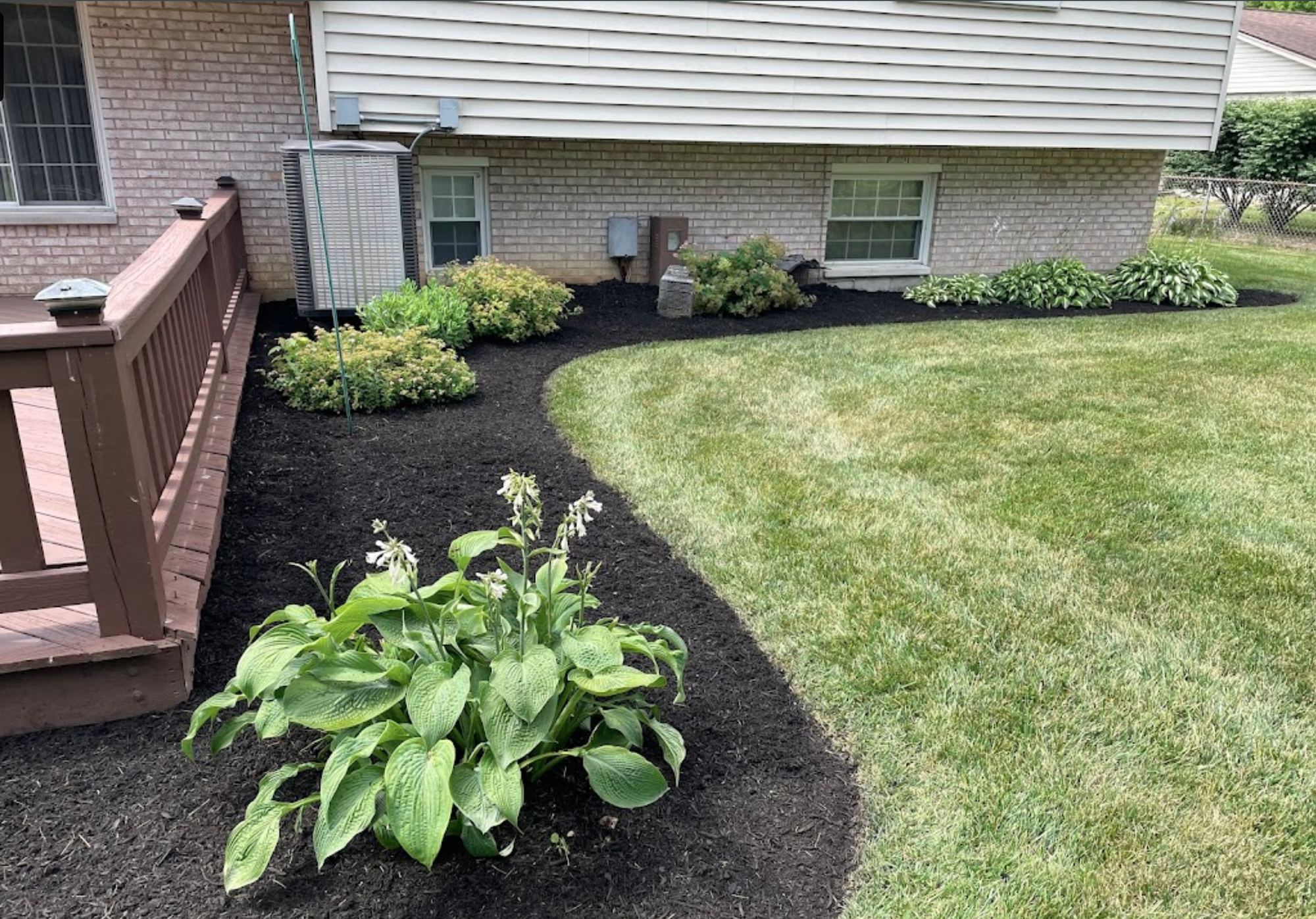
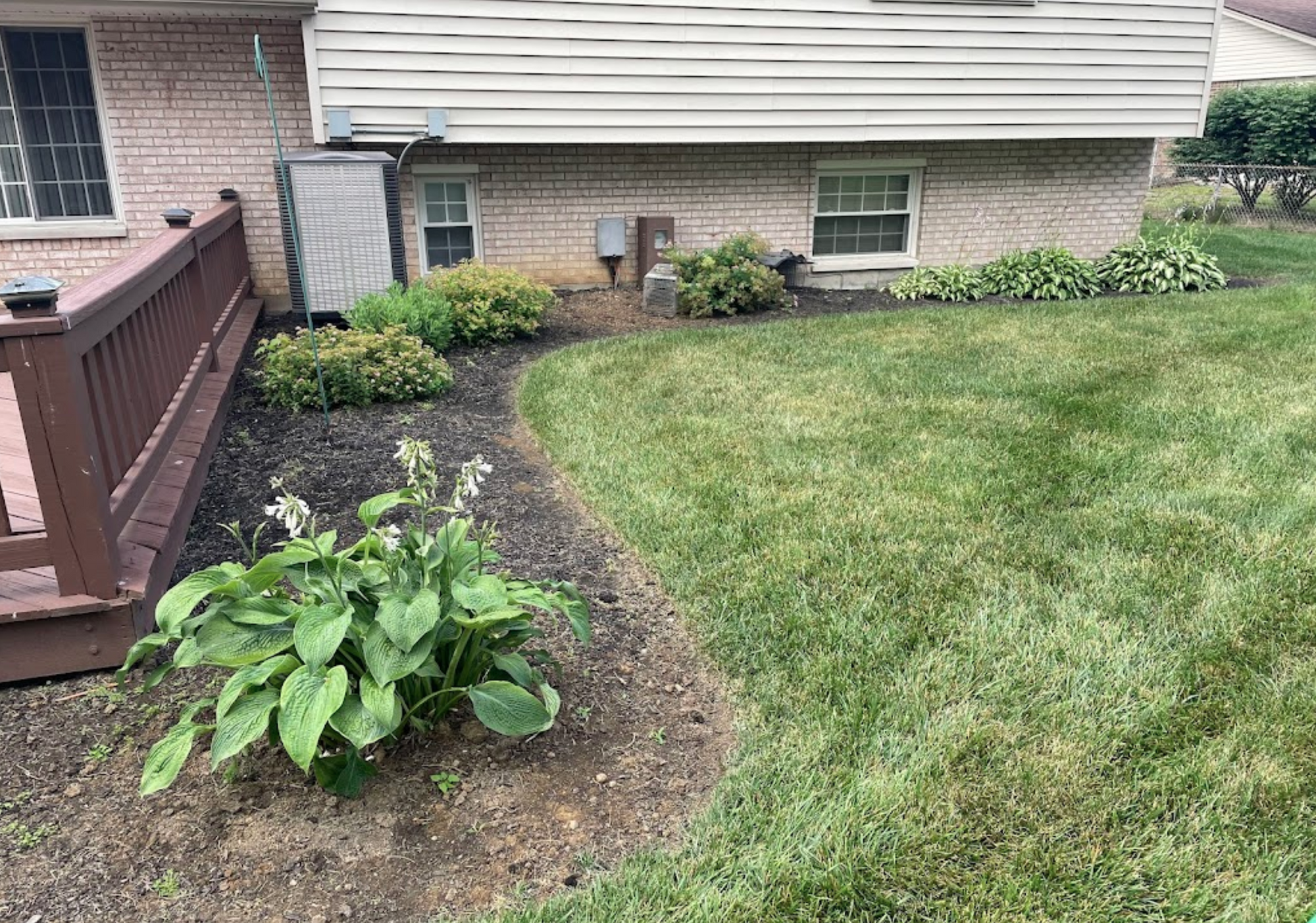
Mulch vs. No Mulch: The Difference
Airmont's combination of high annual rainfall and Zone 6b temperature swings means that natural hardwood mulch breaks down relatively quickly, typically within one to two seasons, feeding organic matter back into the silt loam soil below. Dyed mulch uses a wood base that decomposes at a similar rate but holds its color through the first growing season, making it a popular choice for high-visibility front yard beds. The choice between the two often comes down to whether you prioritize soil enrichment over curb appeal, and many Airmont homeowners use natural mulch in vegetable and perennial beds while choosing dyed mulch for foundation plantings.
Before
After
Best Mulch Choice for Airmont Lawns
Most yards in the Airmont area sit on Silt Loam type of soil. Airmont's silt loam soil holds moisture well but is also prone to compaction and surface crusting, which can stress plant roots and make it difficult for water to penetrate during heavy rains. Mulch creates a protective barrier that keeps the soil structure open, reduces compaction from rainfall impact, and helps maintain the loose, workable texture that plants need to thrive.
Hardwood Mulch
Hardwood mulch is particularly well-suited to Airmont's silt loam because as it decomposes, it contributes lignin-rich organic matter that binds silt particles together into more stable aggregates, improving the soil's long-term resistance to compaction and erosion. This slow release of organic material also supports microbial communities in the soil that cycle nutrients for plant uptake, making each season's mulch application a lasting investment in the health of your beds.
Mulch Types We Deliver in Airmont
Mulch Mound delivers bulk mulch by the cubic yard to homes throughout this corner of Rockland County, making it easy to freshen up beds without hauling bags from a store. If you have been searching for bulk mulch delivery in Airmont, we bring the material straight to your driveway. The region's warm summers and cold winters mean a well-chosen mulch layer earns its keep all year.
Dyed Black Mulch
A bold choice for beds and borders around the colonial and cape-style homes common in this part of New York, dyed black mulch holds its rich color through sun and rain. It comes in double shredded and triple shredded styles, with the finer option spreading especially smooth in tighter garden spaces.
Dyed Brown Mulch
Warm brown mulch suits the established shrub borders and foundation plantings typical of Rockland County properties. Available in double shredded and triple shredded, it blends naturally with the region's earthy soil tones and holds a polished, freshly tended appearance for weeks after delivery.
Natural Brown Mulch
For homeowners who prefer an undyed finish, natural brown mulch offers a warm earthy tone that comes straight from the wood. Choose double shredded or triple shredded, and either texture breaks down over time to benefit the clay-leaning soils common throughout this part of New York.
Cedar Mulch
Aromatic Canadian cedar is a smart pick for flower beds and foundation plantings where pest pressure is a seasonal concern. Available in double shredded, it lays smooth, releases a pleasant fragrance, and decomposes slowly so you need fewer top-ups through the growing season.
Complete Your Outdoor Mulch Project
If your Airmont beds are depleted or you are starting new planting areas, pairing mulch with a quality topsoil or garden blend helps rebuild the nutrient profile of silt loam that has been compacted or eroded over the years. Consider adding stone edging or crushed stone borders to define your beds and keep mulch contained during heavy Airmont rainstorms.
Airmont's silt loam soil compacts noticeably after a wet season, and fresh mulch applied over compacted ground will not perform as well as it should. Before spreading mulch each spring, use a garden fork to lightly loosen the top few inches of soil in your beds. This allows the decomposing mulch from previous years to work its way into the soil more effectively and gives new root growth a much easier path downward through the growing season.
Mulch Mound Pro Tip
Because Airmont sits at 586 feet of elevation, frost can arrive earlier in the fall than in nearby lower-lying areas. Apply your fall mulch layer by early October, well before the average October 15 first frost date, to give the insulating material time to settle and moderate soil temperature before the first freeze. This timing helps protect the root systems of newly planted perennials and shrubs through their first Zone 6b winter.
Mulch Mound Pro Tip
With 50 inches of annual rainfall distributed fairly evenly through the year, Airmont landscapes are rarely in drought but are frequently wet. Pull mulch back slightly from the crowns of plants during extended rainy stretches in late spring and early summer to allow air circulation and prevent fungal issues that thrive in consistently moist organic material. Vole activity under mulch also increases in wet years, so inspect your beds periodically and keep mulch pulled away from the base of young trees.
Frequently Asked Questions
Click a question to see the answer
Answer
How often should I replenish mulch in my Airmont garden beds?
Airmont's 50 inches of annual rainfall accelerates the breakdown of organic mulch compared to drier climates, so most homeowners find they need to top off beds once a year, typically in spring after the April 20 last frost has passed. A fresh 1 to 2 inch top-dressing each season keeps your depth at the ideal 3 inches and replenishes organic matter as the lower layers decompose into the silt loam below.
Answer
Will mulch help with the muddy, compacted soil I get in my beds after heavy rain?
Yes, and this is one of the most practical benefits for Airmont homeowners. Silt loam is prone to surface sealing when raindrops hit bare soil directly, forming a crust that resists water infiltration. A mulch layer absorbs the impact of rainfall, prevents that crusting effect, and keeps the soil structure open so water percolates rather than pooling or running off.
Answer
Is there a best time of year to apply mulch here in Airmont?
Spring application just after the last frost around April 20 is ideal because you allow the soil to warm naturally before covering it, which benefits early-season plant growth. A second application or top-off in fall before the October 15 first frost helps insulate root systems through the Zone 6b winter and reduces frost heave in perennial beds.
Answer
What depth of mulch should I apply in my Airmont yard?
Three inches is the standard recommendation for Airmont conditions. Given the high annual rainfall, going much thicker than 3 inches can trap excess moisture against plant crowns and create rot issues, while going thinner than 2 inches leaves the silt loam exposed to erosion during heavy storms. Keep mulch pulled a couple of inches away from tree trunks and shrub stems.
Answer
Does dyed mulch hold its color well given how much rain Airmont gets?
Dyed mulch does fade over time in any climate, and Airmont's 50 inches of annual rainfall does accelerate that fading compared to areas with less precipitation. Most dyed mulches look vibrant for the first season and begin to fade by late summer. Reapplying a fresh top layer each spring keeps your beds looking polished, and the faded material underneath continues to contribute organic matter to the soil.
Answer
Can mulch help protect my plants from the temperature swings we get in Airmont in spring?
Absolutely. At 586 feet of elevation, Airmont can experience late-season cold snaps even after the average last frost date of April 20, and the ground temperature fluctuates more dramatically here than at lower elevations. A 3-inch mulch layer acts as a thermal buffer, slowing how fast the soil heats and cools so plant roots are not stressed by overnight temperature drops in April and May.
Answer
Is natural hardwood mulch or dyed mulch better for my vegetable garden in Airmont?
For vegetable gardens in Airmont, natural hardwood mulch is the better choice because it breaks down into organic matter that improves the silt loam soil structure over time. Dyed mulches use colorfast pigments that are considered safe but are unnecessary near edible plants. Natural mulch also supports the beneficial microbial activity in Airmont's fertile silt loam that vegetable gardens depend on.
The Unique Landscape of Airmont
Airmont's silt loam soil is naturally prone to surface crusting and compaction when left exposed, making mulch an essential tool for protecting plant beds year-round. With roughly 50 inches of annual rainfall, bare soil in Airmont gardens can erode, wash into lawn edges, and lose valuable organic matter with each heavy rain event. A consistent mulch layer moderates soil temperature through the wide seasonal swings of Zone 6b, keeping root zones from freezing hard after the October 15 first frost and warming slowly enough in spring to protect perennials past the April 20 last frost date. Mulch also dramatically reduces weed pressure, which is especially stubborn in Airmont's moist, fertile silt loam where opportunistic weeds germinate quickly through the long growing season. Keeping beds mulched through the summer months slows moisture evaporation from the upper soil layer, reducing how often plants need supplemental watering even in dry stretches.