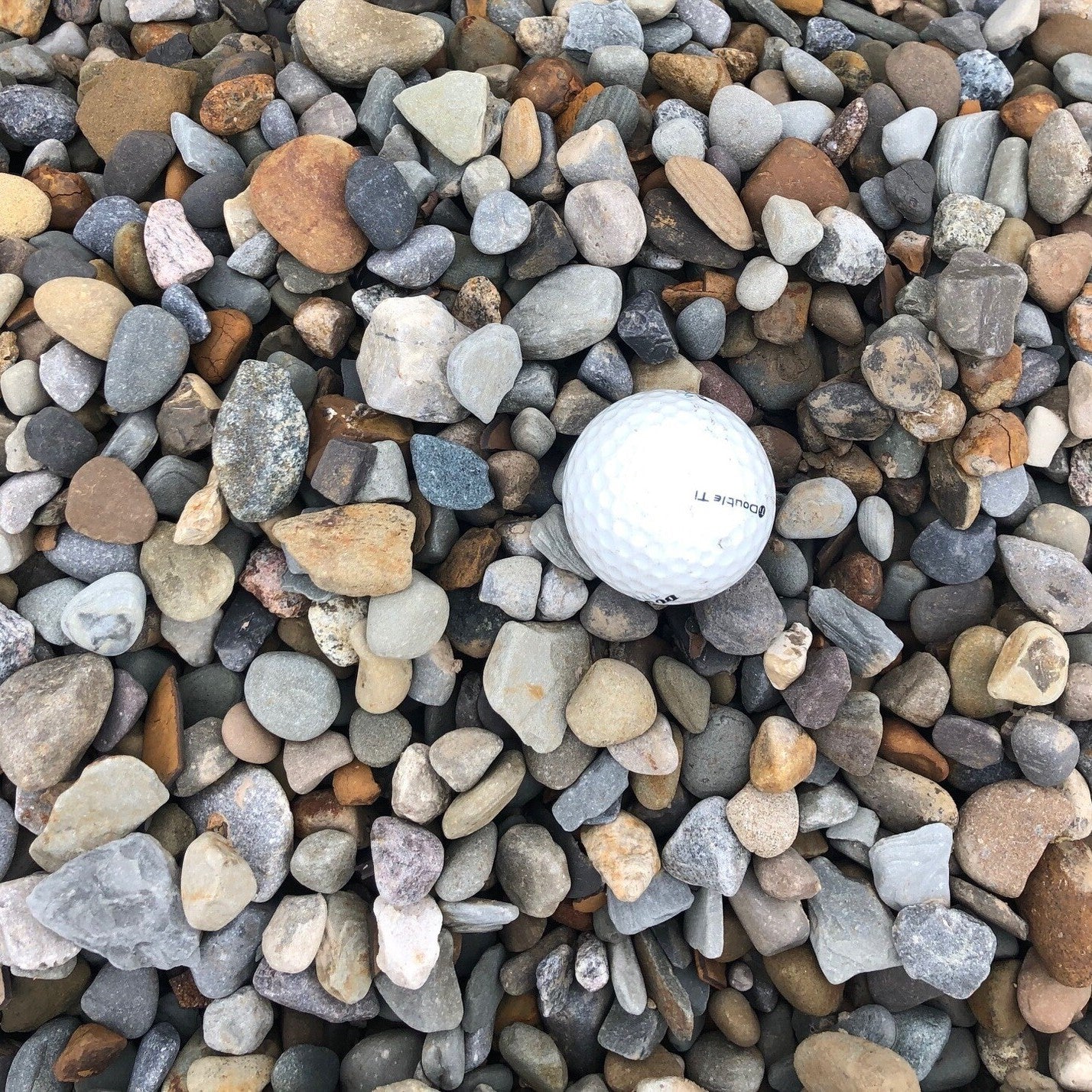
Number 57 crushed stone, angular limestone graded to about three quarters of an inch. The standard driveway, base and drainage gravel, it locks together under traffic and drains fast.
My experience with Mulch Mound was great and super easy. I ordered two yards of screened topsoil and was able to get it delivered within 2 days. They came in my requested time frame (afternoon) and dropped it off where I asked on my driveway. The topsoil was exactly what was a...
Tell us what you're looking for
Thanks! We received your request.
Something went wrong. Please try again.
How Much Material Do I Need?
For decorative stone beds and pathways in Airmont, a 3-inch depth is generally sufficient for aesthetic coverage and weed suppression on the native silt loam. For drainage applications in areas that receive concentrated runoff, plan for 4 to 6 inches of clean stone to handle the volume of water that Airmont's 50 inches of annual rainfall can generate during peak storm events.
Use our free gravel calculator
What is a yard?
A yard is approximately 27 cubic feet. As a general guideline, one yard of material can cover an area of about 100-160 square feet at a 2-3 inch depth.
We can't take orders for this right now. Tell us what you need and we'll get back to you.
What do you need?
Thanks! We received your request.
Something went wrong. Please try again.
Hand-picked local yards
4,000+ regional deliveries
Dedicated support
Why order through Mulch Mound
The best local stone, without the guesswork.
We hand-pick and partner with the best yards in your region, keep only the ones our buyers rate well, and back each load with our guarantee.
Mulch Mound Guarantee
If your stone isn't the quantity or quality you ordered, we'll make it right.
About this stone
Number 57 crushed stone, angular limestone graded to about three quarters of an inch. The standard driveway, base and drainage gravel, it locks together under traffic and drains fast.
My experience with Mulch Mound was great and super easy. I ordered two yards of screened topsoil and was able to get it delivered within 2 days. They came in my requested time frame (afternoon) and dropped it off where I asked on my driveway. The topsoil was exactly what was a...
How Much Material Do I Need?
For decorative stone beds and pathways in Airmont, a 3-inch depth is generally sufficient for aesthetic coverage and weed suppression on the native silt loam. For drainage applications in areas that receive concentrated runoff, plan for 4 to 6 inches of clean stone to handle the volume of water that Airmont's 50 inches of annual rainfall can generate during peak storm events.
Use our free gravel calculator
What is a yard?
A yard is approximately 27 cubic feet. As a general guideline, one yard of material can cover an area of about 100-160 square feet at a 2-3 inch depth.
My experience with Mulch Mound was great and super easy. I ordered two yards of screened topsoil and was able to get it delivered within 2 days. Th...
Read full review
My experience with Mulch Mound was great and super easy. I ordered two yards of screened topsoil and was able to get it delivered within 2 days. They came in my requested time frame (afternoon) and dropped it off where I asked on my driveway. The topsoil was exactly what was advertised, clean with no rocks or other debris. The price was reasonable. I plan to use them again in a couple weeks to order compost for my garden beds.
Really appreciate the care and follow thru that this company had with our order. A hiccup came up but they were quick to respond and address all co...
Read full review
Really appreciate the care and follow thru that this company had with our order. A hiccup came up but they were quick to respond and address all concerns, which made our garden day a success! Thank you for your prompt care.
To estimate how much stone you need for a path or bed in Airmont, measure the length and width in feet and decide on a depth, typically 3 to 4 inches for decorative areas and 4 to 6 inches for drainage applications. Multiply length by width by depth in feet and divide by 27 to get cubic yards. For drainage features on Airmont's slopes, it pays to go slightly deeper than the minimum recommendation since the higher rainfall volume here demands more void space in the stone layer to handle peak flow.
Stone Types We Deliver in Airmont
Mulch Mound makes it easy to order bulk stone by the cubic yard, delivered straight to your door. Whether you are searching for bulk gravel by the yard in Airmont or need a clean ground cover for a shaded residential yard, we bring material directly to your driveway or job site. Our selection is well suited to the clay-heavy soils and wooded landscapes common throughout this part of Rockland County.
Pea Gravel
Pea gravel brings smooth, rounded stones and warm earth tones to pathways, patios, and garden beds. Its excellent drainage makes it a practical choice where clay soils can hold moisture, and homeowners in wooded settings appreciate how it stays neat and complements natural surroundings without looking overly formal.
Complete Your Outdoor Stone Project
Stone borders and pathways pair naturally with fresh mulch in adjacent garden beds, and together they create a finished landscape that handles Airmont's heavy rainfall without eroding or looking worn through the season. For areas where you are also correcting grade or building new planting areas, bringing in topsoil to shape the ground before laying stone gives you a stable, well-drained base that improves the long-term performance of the installation.
In Airmont, stone paths that run through shaded areas under tree canopies can develop algae and moss growth due to the combination of high rainfall and limited sun exposure. Using a coarser angular crushed stone in these areas rather than smooth river rock reduces the surface area where moisture clings and makes the path far less slippery in wet conditions. A light pressure wash each spring keeps shaded stone looking clean without disturbing the base layer.
Mulch Mound Pro Tip
Airmont's silt loam soil expands and contracts with seasonal moisture changes, which can gradually shift the borders of stone features over time. Using metal or composite edging installed several inches deep on both sides of stone paths and beds helps contain the material through the freeze-thaw cycles of Zone 6b winters. This small investment during installation prevents the ongoing maintenance of raking stone back into place each spring after frost heave has pushed the edges inward.
Mulch Mound Pro Tip
For homeowners in Airmont dealing with downspout discharge areas that stay wet and eroded, creating a decorative dry creek bed from the downspout outlet to a lower point in the yard solves a drainage problem while adding visual interest to the landscape. Size the stone generously, using pieces 2 to 4 inches in diameter, so the channel can handle the concentrated flow from a roof during Airmont's heavy rain events. Lining the channel with landscape fabric before placing stone keeps it clean and prevents silt from gradually clogging the spaces between rocks over time.
The Unique Landscape of Airmont
Stone and gravel are some of the most practical and durable landscaping materials an Airmont homeowner can use, particularly given the area's significant annual rainfall and the drainage challenges that come with silt loam soil. Where mulch and grass struggle in consistently wet or high-traffic areas, stone provides a stable, long-lasting surface that will not wash away, compact, or decompose season after season. Crushed stone and gravel are especially effective in Airmont for managing water runoff, creating functional drainage channels, and lining the perimeter of foundations where soil tends to stay wet longest after a storm. Decorative stone brings a clean, low-maintenance aesthetic to paths, garden borders, and dry creek beds that enhances the visual appeal of Airmont landscapes without demanding seasonal upkeep. At 586 feet of elevation, Airmont properties often have grade changes that benefit from stone stabilization to prevent erosion on slopes during the heavy rain events that are common throughout the year.
Frequently Asked Questions
Click a question to see the answer
Answer
What type of stone works best for a garden pathway in Airmont that stays muddy after rain?
For chronically muddy paths in Airmont, crushed gravel with angular edges, sometimes called crusher run or processed gravel, is the most practical choice because the angular pieces lock together and resist shifting underfoot. Rounded pea gravel is attractive but tends to scatter and sink into Airmont's silt loam over time. A well-compacted base layer of crushed stone topped with a finer dressing gives you a path that stays firm and drains quickly even after a heavy rainstorm.
Answer
How much stone do I need to line the perimeter of my home's foundation in Airmont?
A standard foundation border in Airmont is typically 2 to 3 feet wide and 3 to 4 inches deep. For a 100-foot perimeter at that size, you would need approximately 2 to 3 cubic yards of stone. Keeping this border filled with crushed stone rather than soil or mulch helps direct Airmont's heavy rainfall away from the foundation instead of letting it pool and saturate the ground directly against the house.
Answer
Can I use decorative stone instead of mulch in some of my Airmont garden beds?
Yes, and it can be a great solution in Airmont for beds that receive a lot of foot traffic, stay consistently wet, or contain plants that prefer sharp drainage. Stone does not break down or wash away like organic mulch, and it will not contribute to the soggy conditions that some plants struggle with in Airmont's high-rainfall environment. Keep in mind that stone does not add organic matter to the soil the way mulch does, so it is best used with plants that are already established and do not need ongoing soil enrichment.
Answer
I have a slope in my Airmont backyard that erodes every time it rains hard. Would stone help?
Stone is one of the best solutions for erosion control on slopes in Airmont. A dry-laid stone channel or dry creek bed running down or across a slope intercepts runoff, slows its speed, and directs it to a safe outlet before it can carry soil away. For gentler slopes, a 3 to 4 inch layer of larger crushed stone or river rock held in place by landscape fabric provides long-term erosion protection without requiring any ongoing maintenance through the seasons.
Answer
What is the best stone for improving drainage in a consistently wet area of my Airmont yard?
Clean crushed stone, sometimes called drainage stone or clean stone, is the standard choice for improving drainage in wet areas because it creates a porous layer that allows water to move through freely rather than pooling on the surface. In Airmont, where 50 inches of annual rainfall can overwhelm low spots in the yard, a drainage bed of clean stone beneath a graded channel can substantially reduce standing water problems without the need for costly piped drainage systems.
Answer
How do I keep stone from sinking into the silt loam soil in my Airmont yard over time?
Silt loam's fine texture means that stone placed directly on it will gradually work its way downward, especially in high-rainfall areas like Airmont where repeated wetting and drying cycles create movement in the upper soil layers. Installing a permeable landscape fabric beneath your stone layer before spreading creates a separation barrier that keeps the stone on top while still allowing water to drain through. This step makes a significant difference in how long your stone installation maintains its intended look and function.
Answer
Is there a time of year that is best for installing stone paths or drainage features in Airmont?
Late spring through early fall is the most comfortable time to do stone work in Airmont from a practical standpoint, but stone can be installed at almost any time of year since it does not require soil to be in a specific condition. One advantage of fall installation before the October 15 first frost is that drainage features are in place before Airmont's wet spring, and stone paths are ready to handle foot traffic during the muddy shoulder season. Avoid installing stone during periods of active heavy rain when grading and final leveling would be difficult to accomplish accurately.