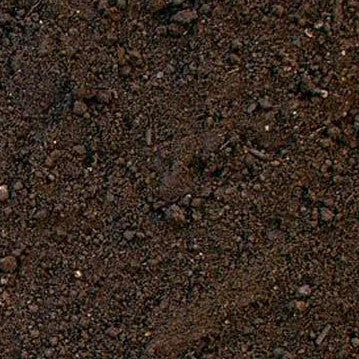
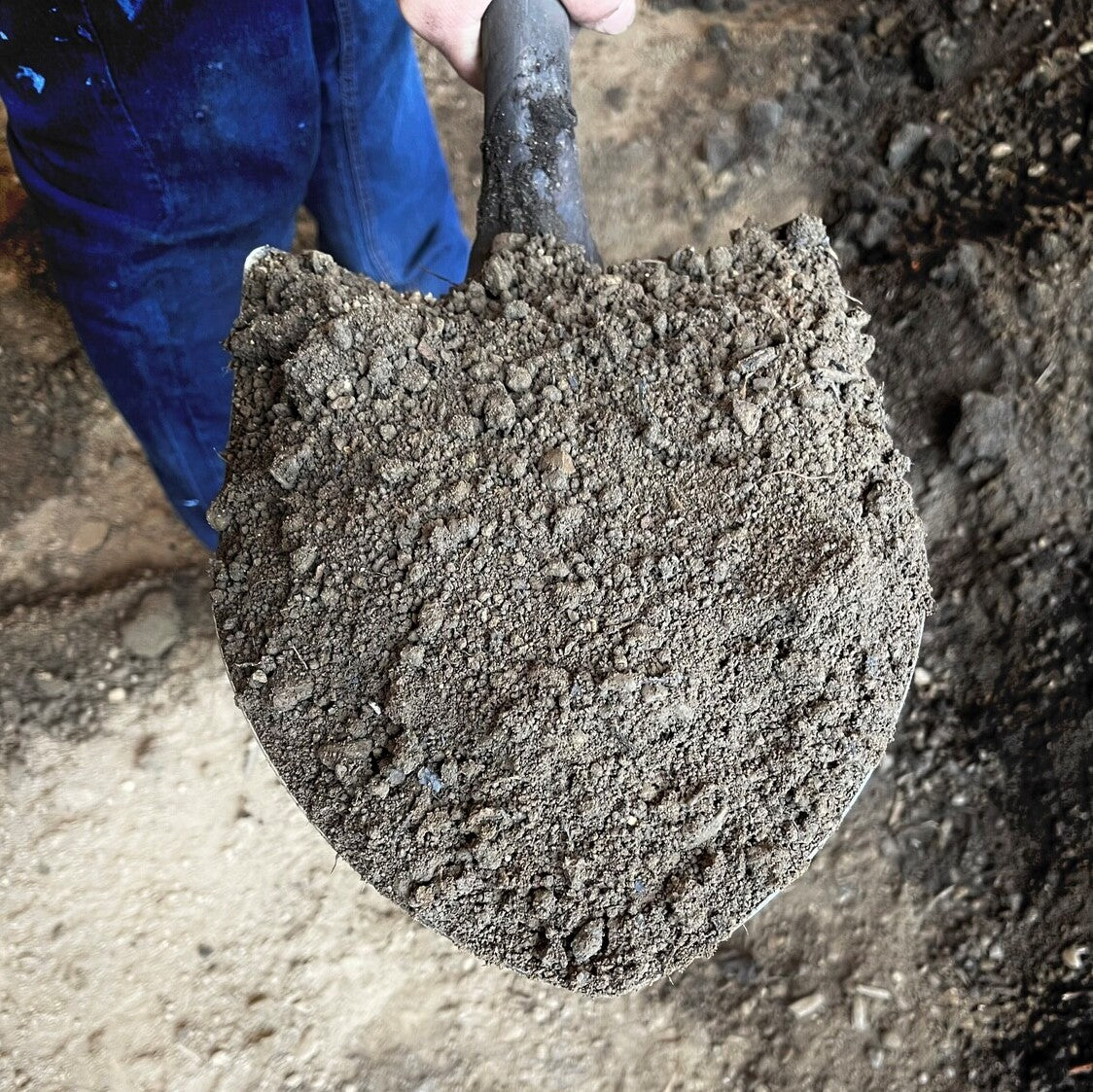
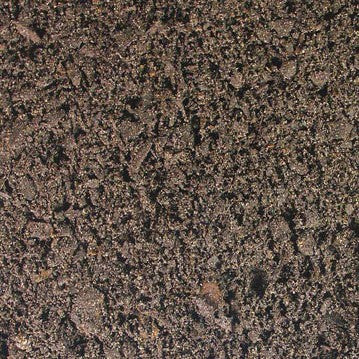
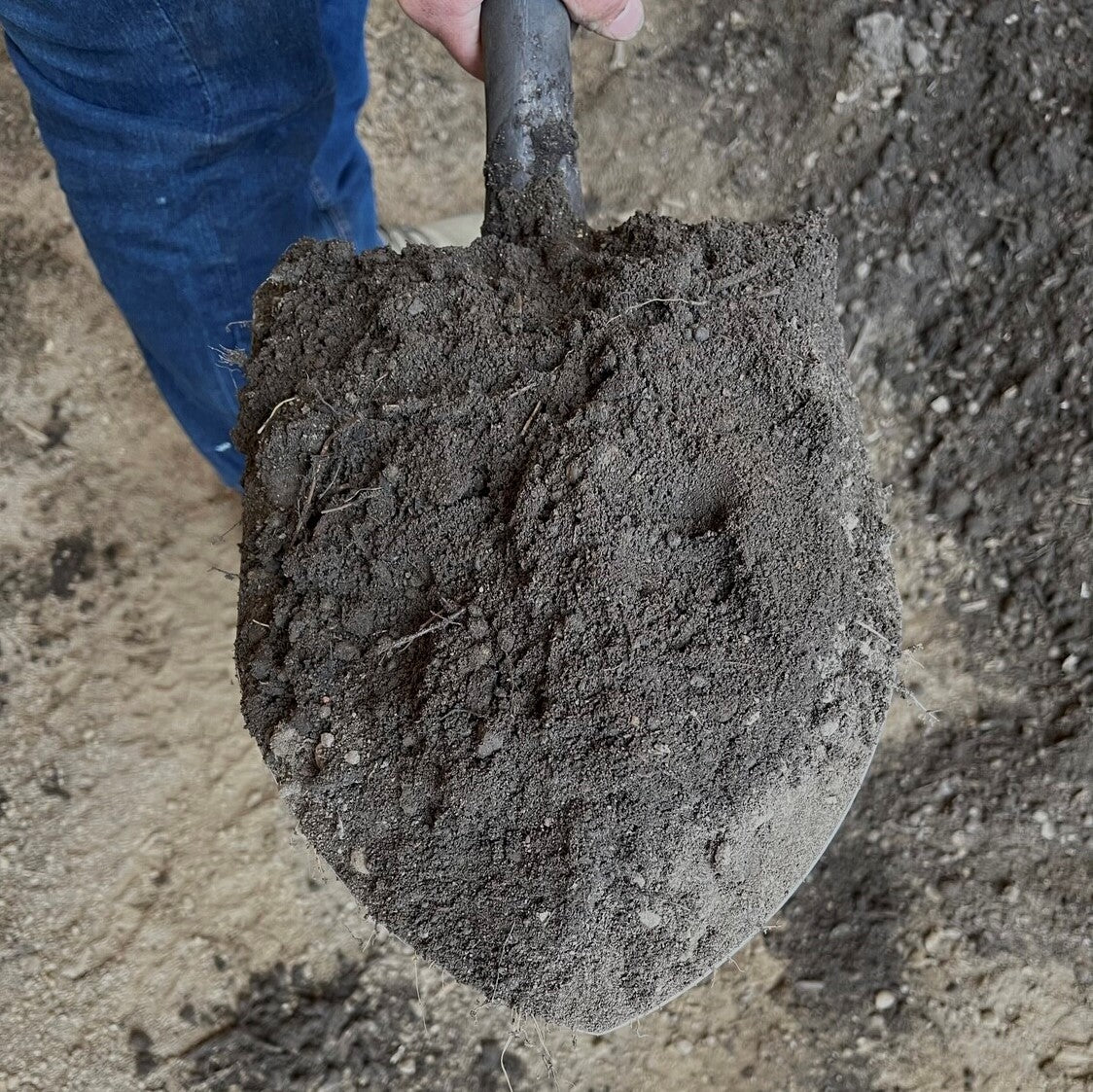
Quality topsoil for lawns, gardens, and landscape projects. Nutrient rich and ready to support strong root development and healthy plant establishment.
Had a great experience with Mulch Mound. I was searching for the most affordable soil delivery that could be here for memorial day weekend (this was less than a week before). They were the most affordable and earliest delivery I could find in the area. Booking was easy, delive...
Quality topsoil for lawns, gardens, and landscape projects. Nutrient rich and ready to support strong root development and healthy plant establishment.
Had a great experience with Mulch Mound. I was searching for the most affordable soil delivery that could be here for memorial day weekend (this was less than a week before). They were the most affordable and earliest delivery I could find in the area. Booking was easy, delive...
How Much Material Do I Need?
For lawn leveling in Airmont, a topdressing of 1 to 2 inches of screened topsoil is typically sufficient to smooth out low spots without smothering existing grass. For new garden beds or raised bed fills, plan for 6 to 12 inches of depth depending on what you are planting, since Airmont's growing conditions reward plants that have access to deep, workable, well-structured soil.
Use our free soil calculator
What is a yard?
A yard is approximately 27 cubic feet. As a general guideline, one yard of material can cover an area of about 100-160 square feet at a 2-3 inch depth.
Had a great experience with Mulch Mound. I was searching for the most affordable soil delivery that could be here for memorial day weekend (this wa...
Read full review
Had a great experience with Mulch Mound. I was searching for the most affordable soil delivery that could be here for memorial day weekend (this was less than a week before). They were the most affordable and earliest delivery I could find in the area. Booking was easy, delivery went well. The driver was responsive and did not make a mess dumping my soil :) The only complaint (why 4 starts instead of 5) was that they postponed my delivery by a day, and didn't communicate until after the delivery window. Not a huge deal, but inconvenient.
To calculate how much soil you need for a leveling or bed-building project in Airmont, measure the length and width of your target area in feet, then estimate the average depth of fill needed in inches. Multiply length by width by depth in feet and divide by 27 to convert cubic feet to cubic yards. Because Airmont's silt loam can settle slightly after delivery, especially following a rain event, it is wise to order about 10 percent more than your calculated amount to account for natural settling.
Complete Your Outdoor Soil Project
After grading and filling with topsoil, finishing your Airmont beds with a layer of mulch protects the new soil from erosion during heavy rains and keeps the surface from crusting over between watering events. For pathways, borders, or drainage channels alongside graded areas, crushed stone or decorative gravel pairs well with soil work and adds lasting structure to the finished landscape.
What is the difference between topsoil and garden soil, and which one do I need for my Airmont yard?
Topsoil is a screened mineral soil best suited for grading, filling low spots, and general lawn repair where you primarily need to add mass and establish a base layer. Garden soil or garden blend is enriched with compost and organic matter, making it better for vegetable beds, new planting areas, and raised beds where fertility and drainage matter more than sheer volume. Given Airmont's existing silt loam base, many homeowners use topsoil for larger grading work and reserve garden blend for smaller, high-priority growing areas.
Answer
My backyard has several low spots that flood after every hard rain. How much soil do I need to fix this?
Airmont's 50 inches of annual rainfall makes low-spot flooding a common complaint, and targeted grading with bulk topsoil is one of the most effective solutions. As a rough guideline, filling a low area that is 10 feet by 10 feet to a depth of 3 inches requires about 1 cubic yard of material. Measuring the length, width, and desired fill depth of each problem area before ordering helps you calculate a fairly precise quantity so you are not left with a large surplus.
Answer
When is the best time to bring in soil and work on my lawn or garden beds in Airmont?
The window from late April through early June is ideal in Airmont because the last frost typically falls around April 20 and the soil has had a chance to dry and firm up after the wet early spring. Soil work done too early in the season when the ground is saturated tends to compact the native silt loam and leave uneven results. Fall is also a productive season for soil work, particularly for lawn leveling, as long as you finish before the October 15 first frost so that grass seed has time to germinate and establish.
Answer
Can I use bulk topsoil to build up raised beds in my Airmont vegetable garden?
Bulk topsoil works as a base layer in raised beds, but for vegetable gardens in Airmont, blending it with a compost-rich garden mix gives you much better results. Straight topsoil can be dense enough to limit drainage in a contained raised bed, and Airmont's high rainfall means that raised beds with poor drainage can stay waterlogged for days at a time. A mix of roughly half screened topsoil and half garden blend creates a loose, fertile, well-drained growing environment that vegetable roots can move through easily.
Answer
The soil in my Airmont lawn has a heavy, compacted feel in spots. Will adding topsoil help?
Airmont's dominant soil type is silt loam, but some properties have pockets that behave more densely due to years of foot traffic and rainfall compaction. Adding a layer of screened topsoil over these areas improves the surface for grass growth, but for a lasting fix it helps to core aerate first, then topdress with a finer soil or compost blend that can work down into the existing soil profile. This approach takes advantage of Airmont's growing season to encourage grass roots to follow the improved soil deeper over time.
Answer
How deep should I go when adding soil for a new planting bed in Airmont?
For ornamental beds in Airmont, incorporating 4 to 6 inches of quality soil or garden blend into the existing silt loam gives most shrubs and perennials an excellent start. Vegetable gardens benefit from 8 to 12 inches of workable soil, especially if the existing ground is compacted. Since Airmont's native silt loam already has decent nutrient content and water-holding capacity, you do not need to replace the full depth but rather focus on improving the top layer where feeder roots are most active.
Answer
Is it worth amending the existing silt loam soil in Airmont or should I just bring in new topsoil?
Airmont's silt loam is actually a fairly fertile base to work with, and in many cases amending it with compost and a topsoil blend gives better long-term results than simply covering it with new material. The native silt loam has good water retention and a texture that many plants do well in once compaction is addressed. For significant grade changes or where the existing soil is very degraded, bringing in bulk topsoil makes more sense, but in most garden bed scenarios blending new soil into the existing silt loam produces a healthy growing environment without wasting material.
Mulch Mound Pro Tip
Airmont's silt loam soil has a tendency to compact badly when worked while wet, and early spring is notoriously moist in this area. Wait until the soil passes the squeeze test before starting any major grading or bed work. Grab a handful of native soil and squeeze it firmly. If it holds together and does not crumble when poked, it is still too wet to work properly. Tilling or grading compacted, wet silt loam creates dense clods that can persist for a full growing season and make plant establishment much harder.
Mulch Mound Pro Tip
When ordering bulk topsoil for lawn leveling in Airmont, keep in mind that the final grade should slope away from your home's foundation at a rate of about 1 inch per foot for the first 6 feet. Airmont's 50 inches of annual rainfall means that improper grading around foundations contributes to chronic basement moisture issues over time. Getting the grade right while you have equipment and material on site is far easier than making corrections after the fact.
Mulch Mound Pro Tip
If you are building new raised beds in Airmont, position them to take advantage of the roughly six-month growing season between the April 20 last frost and the October 15 first frost. Raised beds oriented on a north-south axis receive more even sun exposure throughout the day, and placing them away from large trees reduces competition from surface roots. In Zone 6b, raising the bed by 10 to 12 inches also helps the soil warm faster in spring, which can extend your planting window by a couple of valuable weeks.
The Unique Landscape of Airmont
Airmont's native silt loam soil is productive in many ways but presents real challenges for homeowners trying to establish new garden beds, level lawns, or build raised planting areas. Silt loam compacts easily under the weight of foot traffic and heavy rain, forming a dense layer that resists root penetration and causes water to pool on the surface rather than draining cleanly. With 50 inches of annual rainfall, poor drainage in low spots can become a persistent problem that damages grass, drowns plant roots, and creates muddy areas that are difficult to use or enjoy. Bringing in quality bulk topsoil or garden blend allows Airmont homeowners to correct grade issues, fill low spots, and create ideal growing environments for vegetables, flowers, and ornamental shrubs. The Zone 6b climate gives Airmont a solid growing season from late April through mid-October, and giving plants the best possible soil foundation from the start makes a significant difference in how well they perform through that window.