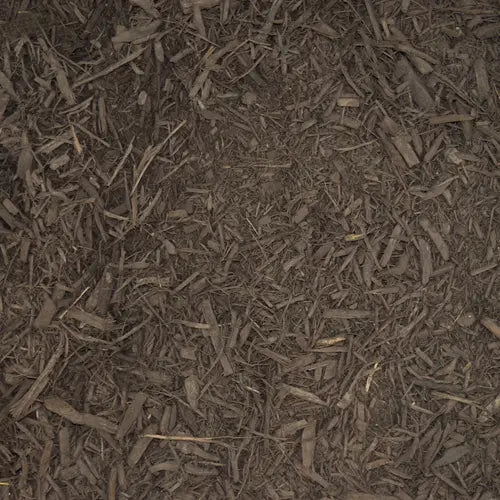
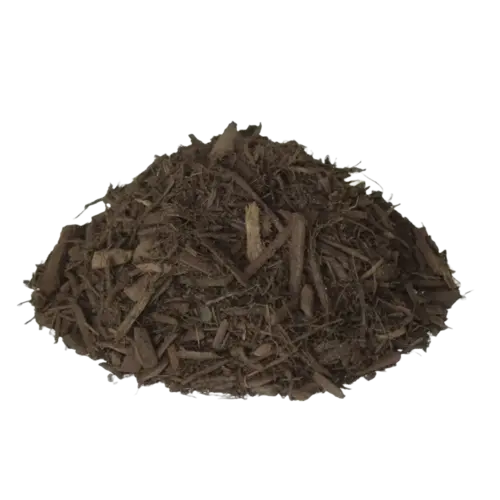
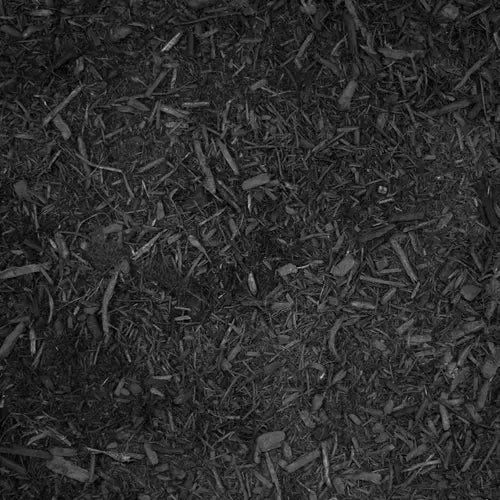
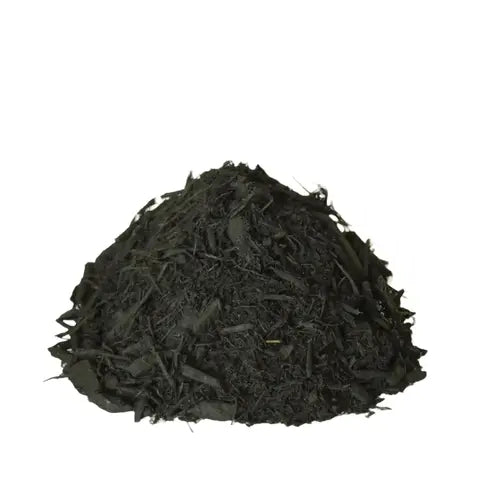
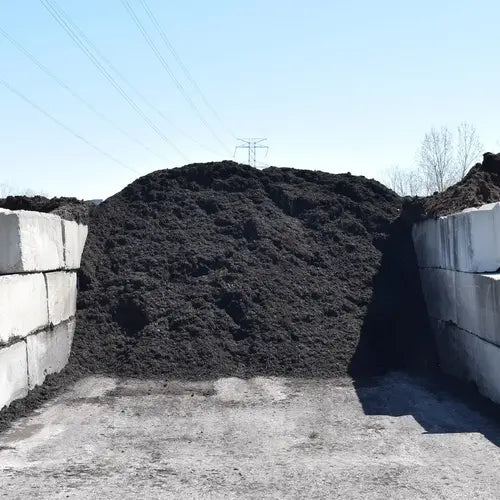
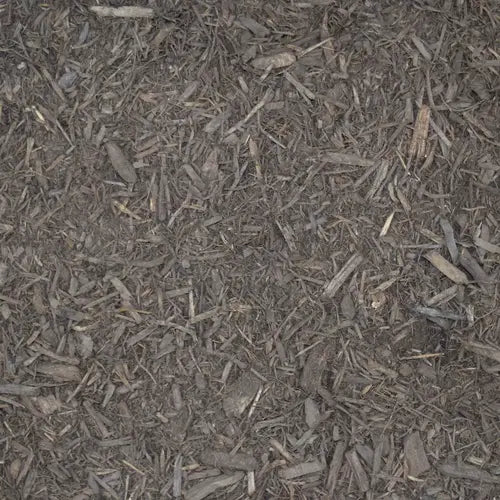
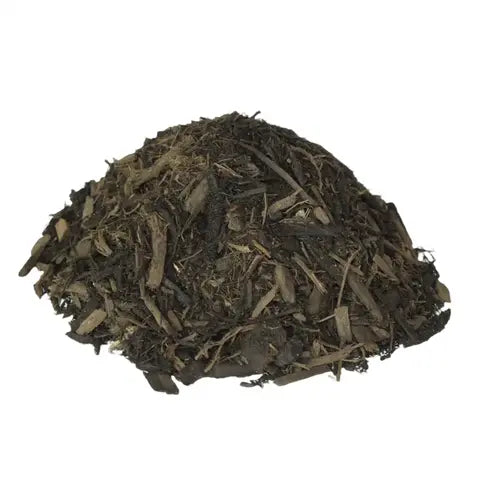
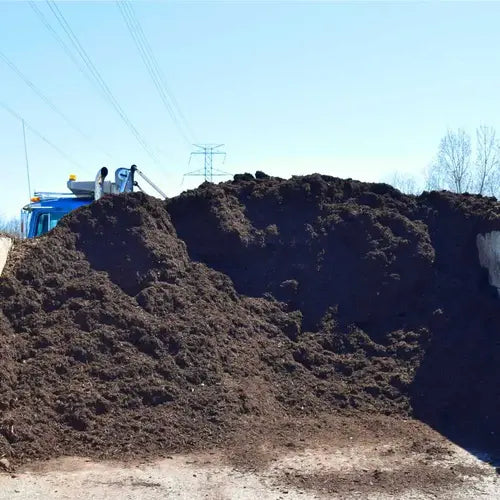
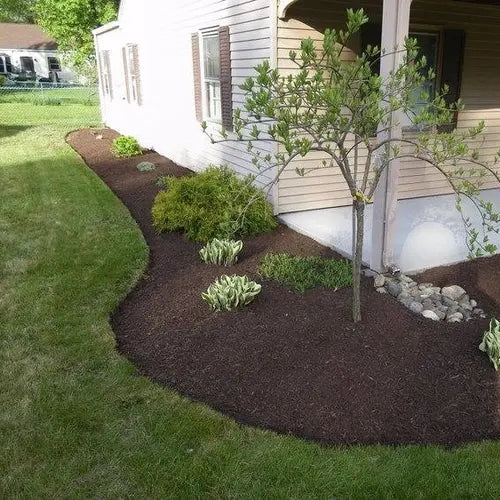
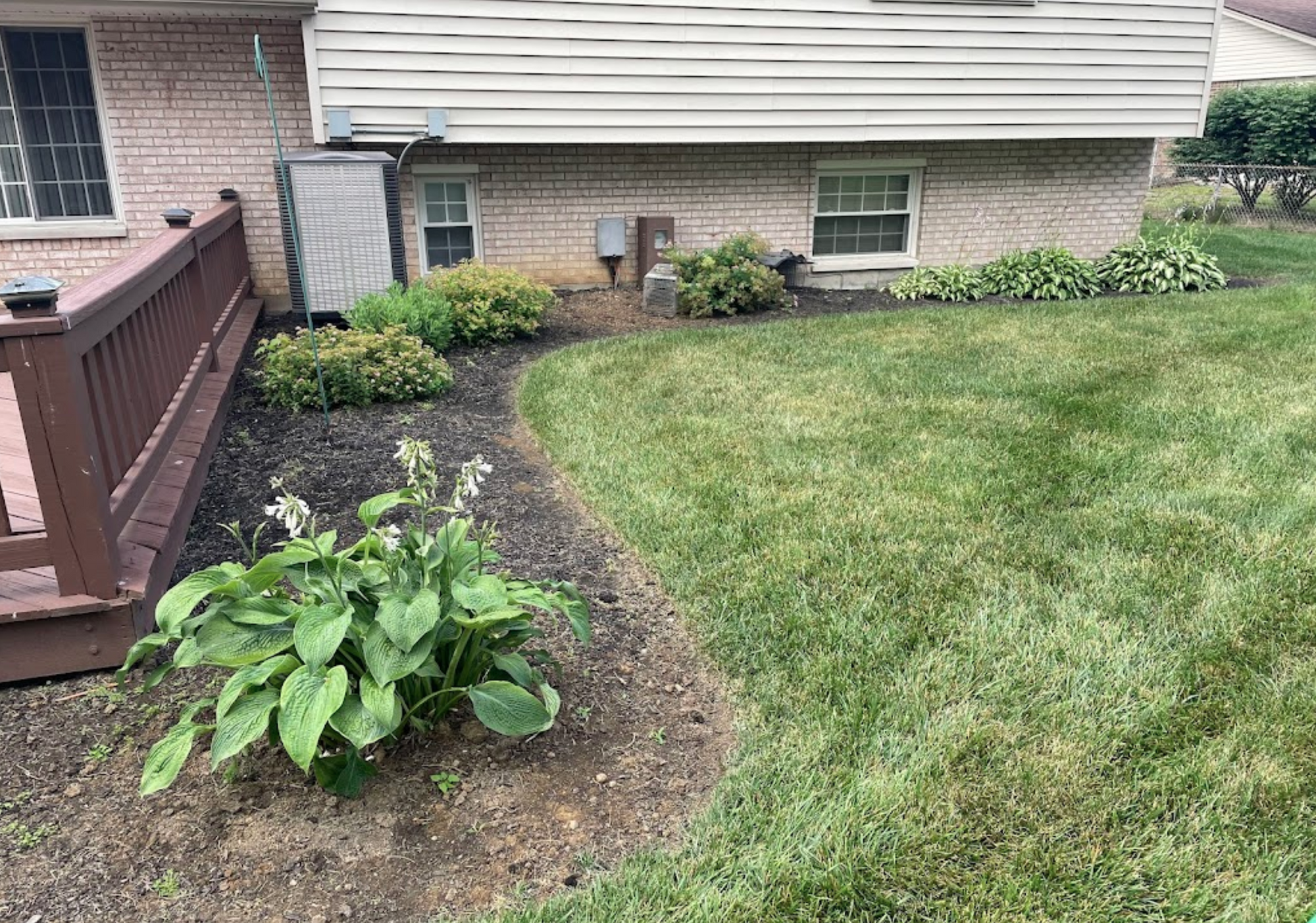
Warm brown double shredded mulch with lasting color that looks freshly applied for weeks. Spreads smooth, stays put, and gives beds a natural, polished appearance.
Mulch Mound made it so easy! So happy with the pricing, turn around time, delivery and product. I submitted my online order on a Thursday. The mulch was delivered to the designated location by a local landscape company at 8:30 a.m. the following Saturday morning. We had the...
Tell us what you're looking for
Thanks! We received your request.
Something went wrong. Please try again.
How Much Material Do I Need?
For most Altoona landscape beds, 3 inches of mulch is the right depth to protect silt loam from compaction and surface crusting through the growing season. Around trees and shrubs that remain in the ground through frost, a slightly thicker 4-inch layer helps buffer root zones through the October-to-April cold period at our elevation.
Use our free mulch calculator
What is a yard?
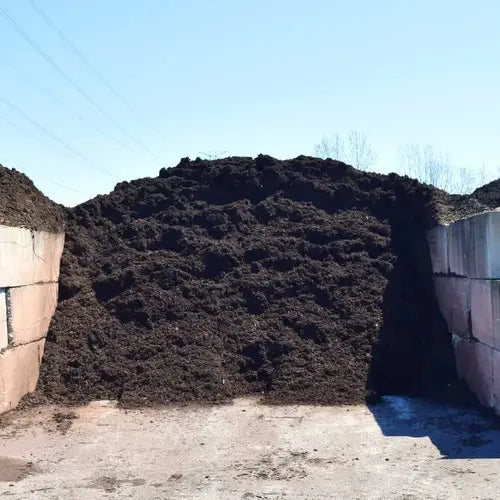
A yard is approximately 27 cubic feet. As a general guideline, one yard of material can cover an area of about 100-160 square feet at a 2-3 inch depth.
We can't take orders for this right now. Tell us what you need and we'll get back to you.
What do you need?
Thanks! We received your request.
Something went wrong. Please try again.
Hand-picked local yards
4,000+ regional deliveries
Dedicated support
Why order through Mulch Mound
The best local mulch, without the guesswork.
We hand-pick and partner with the best yards in your region, keep only the ones our buyers rate well, and back each load with our guarantee.
Mulch Mound Guarantee
If your mulch isn't the quantity or quality you ordered, we'll make it right.
About this mulch
Warm brown double shredded mulch with lasting color that looks freshly applied for weeks. Spreads smooth, stays put, and gives beds a natural, polished appearance.
Mulch Mound made it so easy! So happy with the pricing, turn around time, delivery and product. I submitted my online order on a Thursday. The mulch was delivered to the designated location by a local landscape company at 8:30 a.m. the following Saturday morning. We had the...
How Much Material Do I Need?
For most Altoona landscape beds, 3 inches of mulch is the right depth to protect silt loam from compaction and surface crusting through the growing season. Around trees and shrubs that remain in the ground through frost, a slightly thicker 4-inch layer helps buffer root zones through the October-to-April cold period at our elevation.
Use our free mulch calculator
What is a yard?
A yard is approximately 27 cubic feet. As a general guideline, one yard of material can cover an area of about 100-160 square feet at a 2-3 inch depth.
Mulch Mound made it so easy! So happy with the pricing, turn around time, delivery and product. I submitted my online order on a Thursday. The mu...
Read full review
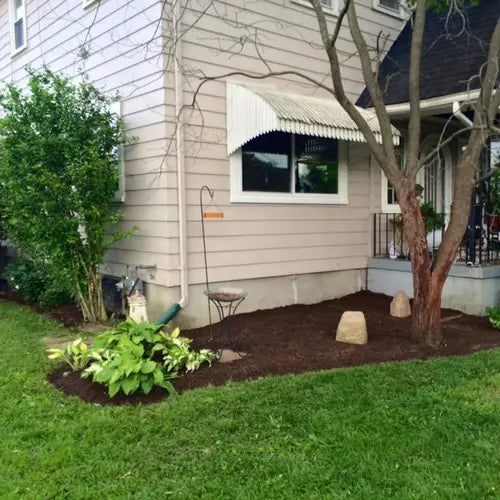
Mulch Mound made it so easy! So happy with the pricing, turn around time, delivery and product. I submitted my online order on a Thursday. The mulch was delivered to the designated location by a local landscape company at 8:30 a.m. the following Saturday morning. We had the job completed by that afternoon. We chose the natural brown mulch, and the plant beds are beautiful.
Good quality, great price, fast delivery. All online - no submitting forms and waiting for days for quotes. Getting mulch should be this easy fr...
Read full review
Good quality, great price, fast delivery. All online - no submitting forms and waiting for days for quotes. Getting mulch should be this easy from everyone. Only Mulch Mound is ACTUALLY this simple.
I highly recommend Mulch Mound. The quality of the mulch is very good. The ordering system on their website makes it very easy. The delivery driver...
Read full review
I highly recommend Mulch Mound. The quality of the mulch is very good. The ordering system on their website makes it very easy. The delivery driver did a great job placing the mulch on the driveway. To finish off, the pricing was very reasonable as well.
To estimate mulch for your Altoona beds, measure each bed's length and width in feet and multiply them together for total square footage. Because Altoona's silt loam tends to compact and crust, a full 3-inch application depth is recommended rather than the 2-inch minimum sometimes suggested for sandier soils. Divide your total square footage by 100 to get the approximate cubic yards needed for that 3-inch coverage.
Mulch vs. No Mulch: The Difference
Altoona's combination of heavy spring rainfall and warm humid summers means natural hardwood mulch breaks down relatively quickly, typically within one to two growing seasons, which benefits silt loam soil by steadily adding organic matter. Dyed mulches are made from a denser base wood that decomposes more slowly, holding their structure and volume through the season better than natural alternatives. For beds where curb appeal matters most, dyed mulch delivers more consistent coverage and color from the May planting window through the October frost.
Before
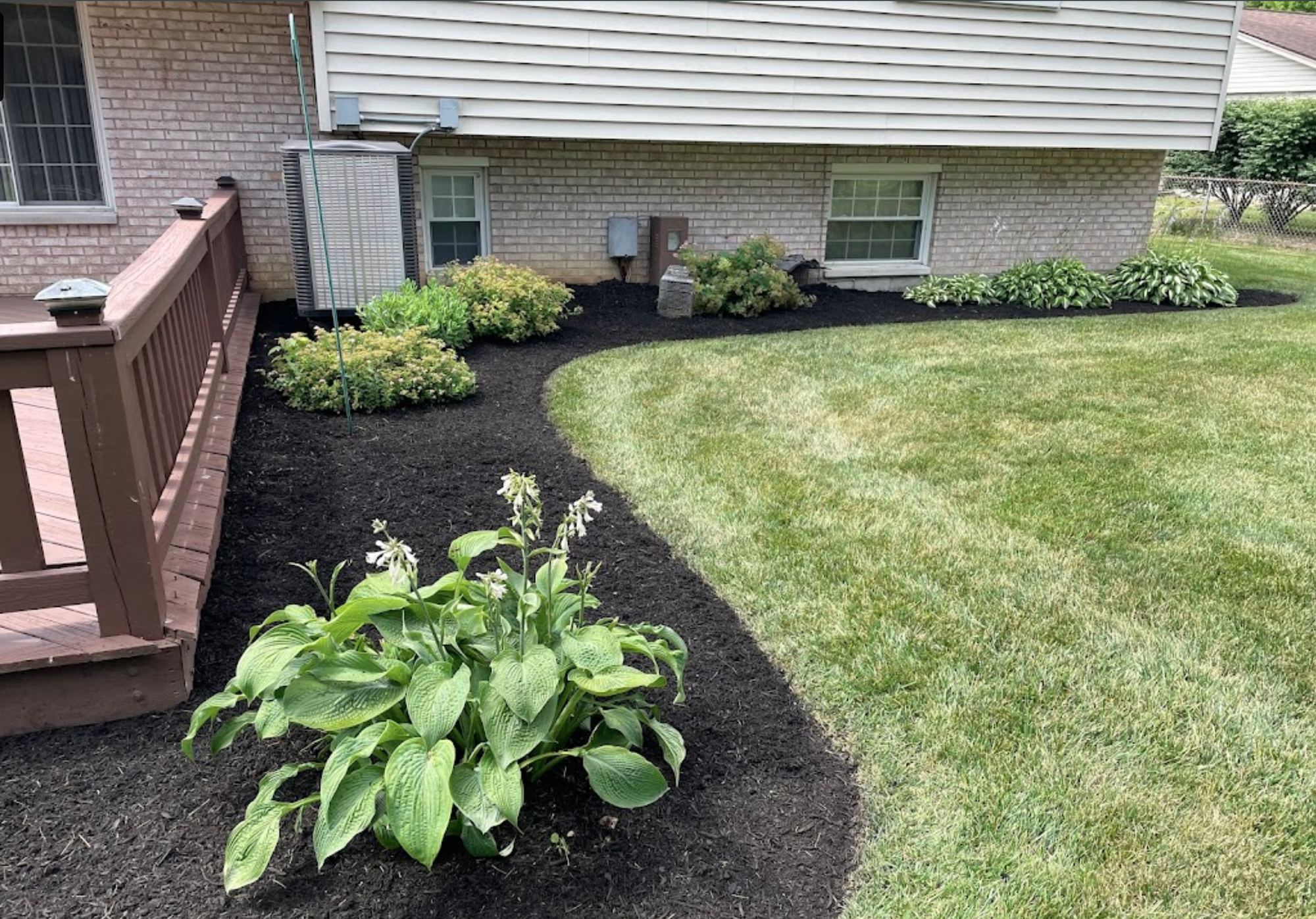
After
Best Mulch Choice for Altoona Lawns
Most yards in the Altoona area sit on Silt Loam type of soil. Altoona's silt loam has fine particles that bind together easily, making plant beds prone to compaction and poor aeration when left bare through the wet spring months. A consistent mulch layer keeps heavy spring rains from pressing those fine particles into a dense, root-restricting crust that limits plant performance all season long.
Hardwood Mulch
Hardwood mulch is particularly well-matched to Altoona's silt loam because as it decomposes it releases organic acids that help bind silt particles into larger aggregates, improving both drainage and root penetration in a way that synthetic materials cannot replicate. Over two to three seasons of consistent hardwood mulch applications, most Altoona homeowners notice markedly looser, darker bed soil that holds moisture without staying waterlogged after heavy rain.
Mulch Types We Deliver in Altoona
Mulch Mound delivers bulk mulch by the cubic yard across Altoona and the surrounding area, making it easy to cover large beds without a trip to the store. If you are searching for bulk mulch delivery near me, we bring fresh loads right to your door. Whether you are refreshing a few front beds or covering an entire backyard, every order arrives ready to spread.
Dyed Black Mulch
Dyed Black Mulch arrives double shredded for a smooth, even spread across any bed. The bold black tone contrasts beautifully with the lush green foliage common in central Pennsylvania yards and holds its color well through the region's wet springs and warm summers. A strong choice for homeowners who want a clean, dramatic look.
Dyed Brown Mulch
Dyed Brown Mulch is double shredded and toned in a warm brown that blends naturally with the clay soils throughout central Pennsylvania. The color stays fresh for weeks, even after heavy spring rain, making it a practical choice for homeowners who want their beds to look neat and polished through the growing season.
Natural Brown Mulch
Natural Brown Mulch is double shredded and left completely undyed, letting the wood's own warm tone come through. It suits homeowners who prefer a subtle, organic look that complements the mature trees and mixed plantings common across Pennsylvania properties. The texture spreads cleanly and settles well in both sun and shade.
Complete Your Outdoor Mulch Project
If your beds need more than mulch, our bulk garden soil is ideal for building up low spots in Altoona's often-compacted silt loam yards before you mulch over the top. Decorative stone from our inventory pairs beautifully with mulch for clean edging and pathway definition throughout Altoona landscapes.
Altoona's silt loam compacts significantly over winter, so before applying fresh mulch each May, use a hand cultivator to lightly break up the top inch of bed soil. This improves drainage and aeration before you lay your new layer. Loosening the soil first means the mulch sits more evenly and spring moisture can pass through to roots rather than sheeting off a sealed surface.
Mulch Mound Pro Tip
Altoona sits at over 1,100 feet of elevation, which means your soil temperature in spring lags behind lower Pennsylvania communities by one to two full weeks. Resist the urge to mulch immediately after the last frost on May 10. Wait until mid-May when soil temperatures are consistently reaching 55 degrees Fahrenheit so you are locking in warmth rather than insulating cold ground and delaying your plants.
Mulch Mound Pro Tip
With 41 inches of annual rainfall in Altoona, mulch does a lot of heavy lifting throughout the entire year and breaks down faster than in drier climates. Check your mulch depth in mid-July and again in September, as decomposition accelerates during the warm humid summers. Topping off thinned areas in late summer keeps weed pressure down and maintains moisture regulation through the back half of the growing season.
Frequently Asked Questions
Click a question to see the answer
Answer
How much mulch do I need for my flower beds in Altoona?
For Altoona's silt loam soil, we recommend a 3-inch layer in most planting beds. Silt loam compacts and crusts under heavy rainfall, so a full 3 inches gives you meaningful weed suppression and moisture regulation throughout the season. Measure the length and width of each bed in feet, multiply them together, and divide by 100 to get the approximate cubic yards needed at that depth.
Answer
Does mulch actually help with Altoona's wet spring weather?
Yes, it helps in a very specific way. Altoona receives about 41 inches of rain per year and a significant portion falls during spring. Mulch acts as a buffer layer that absorbs the impact of heavy rain, preventing the soil surface from sealing over after each storm. Silt loam is especially vulnerable to surface crusting when rain hits bare soil directly, which limits root oxygen and slows plant development well into the growing season.
Answer
When is the right time to apply mulch in Altoona with our frost dates?
The best window for mulch application in Altoona is after the last frost around May 10, once soil temperatures have begun to climb consistently. Applying mulch too early in spring can slow soil warming by insulating still-cold ground at our elevation. A second light refresh in early October, before the first frost arrives around October 21, helps protect perennial root zones through winter.
Answer
Will dyed mulch fade quickly in Altoona's climate?
Dyed mulch fades over the course of a season everywhere, but Altoona's elevation means somewhat more intense UV exposure compared to lower Pennsylvania cities, which can accelerate color loss in cheaper dyed products. Premium double or triple-process dyed mulches hold their color considerably better through the full growing season. Expect good color to last from May planting through most of August with a quality dyed product.
Answer
How does mulch affect Altoona's silt loam soil over time?
As hardwood mulch breaks down over one to two seasons, it adds organic matter directly into the silt loam beneath it. Silt loam in the Altoona area often lacks the humus content needed for loose, airy plant beds because it is naturally fine-particled and compact. Decomposed mulch improves the soil's ability to hold nutrients, supports earthworm activity, and naturally loosens those compacted surface layers over repeated seasons of application.
Answer
Can mulch help my Altoona trees survive the dry stretches we sometimes get in July and August?
Absolutely. Altoona can see dry stretches in mid to late summer even with 41 inches of annual rainfall, because much of that moisture falls outside the peak heat period. A 3 to 4 inch ring of mulch around trees, kept a few inches away from the trunk itself, significantly reduces evaporation from the soil surface and keeps roots cool and moist through those late-summer dry spells.
Answer
Is playground mulch a good choice for Altoona yards and how does it hold up through winter?
Playground mulch is made from virgin wood and is free from dyes and contaminants, making it appropriate for children's play areas. It performs well through all four of Altoona's seasons. The freeze-thaw cycles common at 1,161 feet of elevation can compress some ground cover materials over winter, so plan to refresh your playground mulch each May after the last frost to restore proper cushioning depth and safety coverage.
The Unique Landscape of Altoona
Altoona's silt loam soil is naturally prone to compaction, especially in beds that receive foot traffic or repeated wet-dry cycles from the region's 41 inches of annual rainfall. With a growing season running from May 10 to October 21, maintaining consistent soil moisture and temperature is critical for plants to establish and thrive before winter arrives. At 1,161 feet of elevation, Altoona also experiences cooler soil temperatures that lag behind lower Pennsylvania communities by one to two weeks in spring, making a proper mulch layer essential for holding warmth during those critical early weeks. Without adequate coverage, silt loam develops a hard surface crust after heavy spring rains that restricts root oxygen and slows growth significantly. A well-applied mulch layer suppresses the aggressive weed pressure that builds throughout Altoona's warm, humid summers while keeping beds looking clean and intentional. Choosing the right mulch for Altoona's conditions can mean the difference between beds that struggle and beds that genuinely flourish season after season.