




Great service. We ordered topsoil from Mulch Mound and the best experience. Thank you so much!
About this soil
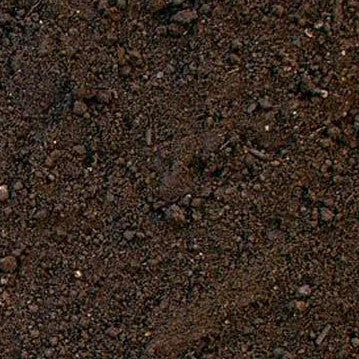
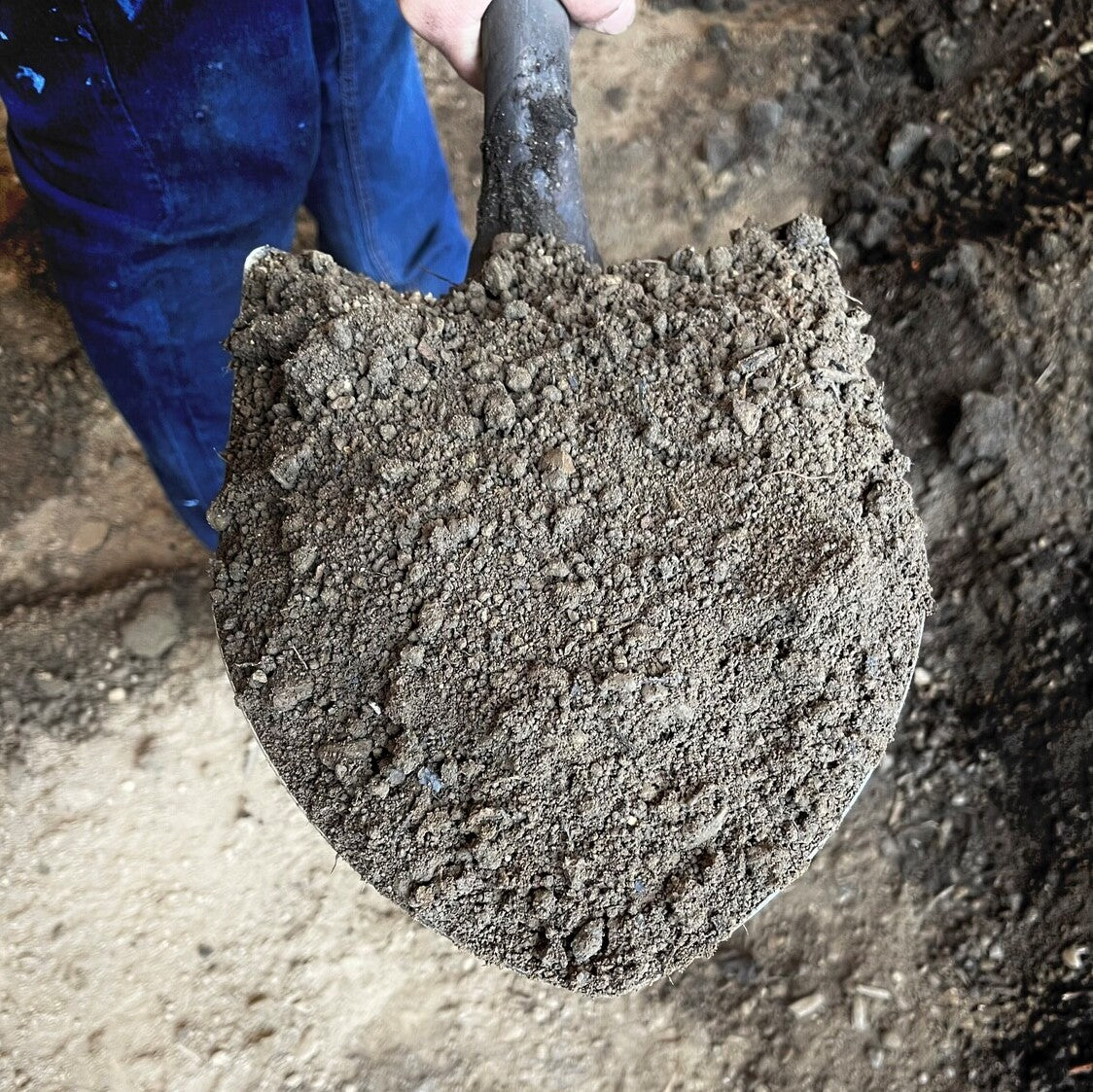
Quality topsoil for lawns, gardens, and landscape projects. Nutrient rich and ready to support strong root development and healthy plant establishment.
Great service. We ordered topsoil from Mulch Mound and the best experience. Thank you so much!
Tell us what you're looking for
Thanks! We received your request.
Something went wrong. Please try again.
How Much Material Do I Need?
How Much Material Do I Need?
For garden beds in Altoona, aim for 6 to 8 inches of quality soil to give roots room to establish above the dense native silt loam layer. Lawn leveling projects typically need 1 to 2 inches of topdressing soil spread over problem areas, which is enough to smooth low spots while still allowing grass to grow through the new layer.
Use our free soil calculator
What is a yard?
What is a yard?
FAQs
FAQs
Altoona Soil Delivery
Altoona Soil Delivery
Regular price
$64.00
per
yard
Regular price
Sale price
$64.00
Unit price
per
Shipping calculated at checkout.
Minimum of 3 yard
Couldn't load pickup availability
Not currently available
We can't take orders for this right now. Tell us what you need and we'll get back to you.
Hand-picked local yards
4,000+ regional deliveries
Dedicated support
Why order through Mulch Mound
The best local soil, without the guesswork.
We hand-pick and partner with the best yards in your region, keep only the ones our buyers rate well, and back each load with our guarantee.
Mulch Mound Guarantee
If your soil isn't the quantity or quality you ordered, we'll make it right.
About this soil
Quality topsoil for lawns, gardens, and landscape projects. Nutrient rich and ready to support strong root development and healthy plant establishment.
Great service. We ordered topsoil from Mulch Mound and the best experience. Thank you so much!
How Much Material Do I Need?
How Much Material Do I Need?
For garden beds in Altoona, aim for 6 to 8 inches of quality soil to give roots room to establish above the dense native silt loam layer. Lawn leveling projects typically need 1 to 2 inches of topdressing soil spread over problem areas, which is enough to smooth low spots while still allowing grass to grow through the new layer.
Use our free soil calculator
What is a yard?
What is a yard?
FAQs
FAQs
Tell us what you're looking for
Thanks! We received your request.
Something went wrong. Please try again.
How It Works
Getting started is easy — just follow these simple steps
1
Choose your soil
Make sure you adjust the quantity to your home's needs. You can use our calculator to estimate how much you'll need.
2
Select your delivery date
Select a delivery date you'd like for the product to be dropped off at your home
3
Sit back and wait
Sit back, wait, and let us work our magic to make sure the highest quality product is delivered to your driveway.

Placing an order online was so easy. Delivery was on time. When the driver realized we had a newly poured driveway they erred on the side of cautio...
Read full review
Placing an order online was so easy. Delivery was on time. When the driver realized we had a newly poured driveway they erred on the side of caution and opted not ti drive in it. The company even sent me a message explaining that call. Would recommend!

Online ordering was really simple and I liked the transparent pricing.
Need Help Calculating How Much Soil You Need?
Use our NEW Trace from Satellite tool to get an estimate for your project based on an aerial view of your property
Try Our CalculatorFor lawn leveling and topdressing projects in Altoona, a 1-inch application over 1,000 square feet requires about 3 cubic yards of soil. For garden beds, multiply the length by the width by the desired depth in feet and divide by 27 to get cubic yards. Because Altoona's silt loam drains slowly, it is better to apply bulk soil in manageable layers and allow some settling between applications rather than dumping a thick layer all at once.
Soil Types We Deliver in Altoona
Mulch Mound delivers bulk soil by the cubic yard straight to your driveway or job site in Altoona. Whether you are repairing a lawn after a rough Pennsylvania winter or building out a new garden bed, having the right soil delivered saves time and heavy lifting. We make it simple to order bulk topsoil by the yard in Altoona and get your project moving fast.
Screened Top Soil
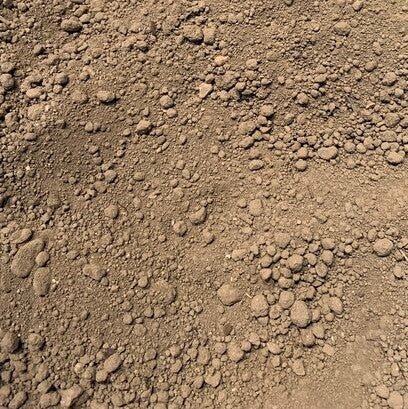
Our screened topsoil is a go-to choice for homeowners and landscapers across the Altoona area. The screening process removes rocks, roots, and clumps, leaving a fine, workable texture that spreads evenly and supports strong root development. It suits lawn leveling, raised beds, and garden fill in the clay-heavy soils common to central Pennsylvania.
Complete Your Outdoor Soil Project
After soil work is complete, topping your Altoona beds with bulk mulch locks in moisture and prevents the silt loam underneath from re-compacting through the growing season. Adding decorative stone borders around newly filled beds gives Altoona landscapes a polished, finished look while also preventing soil from washing out along edges during heavy spring rains.


Service area
Areas we deliver soil in Altoona, Pennsylvania
Mulch Mound Pro Tip
Before ordering bulk soil for an Altoona project, test your existing silt loam's drainage by digging a hole about 12 inches deep and filling it with water. If water is still sitting in the hole after an hour, your native soil has drainage issues that bulk soil alone will not fully correct. In those situations, mixing in coarse compost or pairing soil work with gravel drainage channels gives you far better long-term results than adding soil on top of a poorly draining base.
Mulch Mound Pro Tip
Altoona's growing season from May 10 to October 21 gives you about 164 frost-free days, which is just enough time for vegetables and perennials to fully establish when soil conditions are right from the start. When building new beds, add and water in your bulk soil a few days before planting rather than installing plants the same day you fill. Settling soil shifts and drops slightly over the first week, and letting it stabilize means your plants start in a level, consistent growing environment.
Mulch Mound Pro Tip
Altoona's freeze-thaw cycles between October and April are hard on soil amendments added in fall. If you are doing soil work in September or early October, finish by laying a light mulch cover over new beds before the first frost arrives around October 21. The mulch acts as insulation that slows temperature swings, helping your new soil retain its structure through winter and emerge in spring much closer to the condition you left it in.
The Unique Landscape of Altoona
Altoona's native silt loam presents real challenges for residential landscaping despite its agricultural reputation. It compacts easily under foot traffic and lawn equipment, and at 1,161 feet of elevation the ground takes considerably longer to dry and warm in spring after periods of heavy rain. The 41 inches of annual rainfall, concentrated heavily in spring and early summer, wash away precious topsoil on the sloped yards that are common throughout the Altoona area. Many local homeowners also find their existing soil depleted of organic matter after years of lawn maintenance that removes clippings and leaves rather than returning nutrients to the ground. Bringing in quality bulk soil allows you to build up bed depth, level uneven problem areas, and give new plantings the nutrient base they need to establish before the first frost arrives around October 21. Whether you are filling raised beds, repairing low spots from a wet winter, or establishing a new garden from scratch, bulk soil gives you direct control over the growing environment that native silt loam alone simply cannot provide.