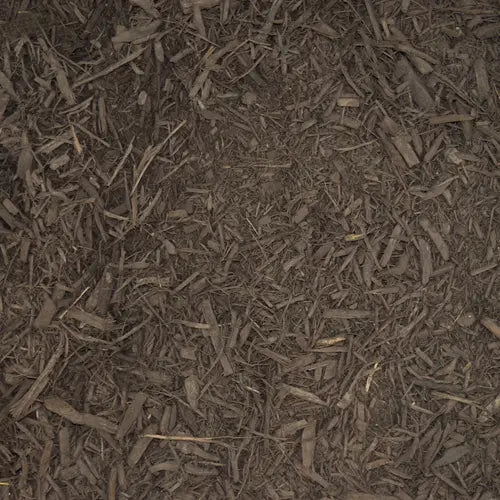
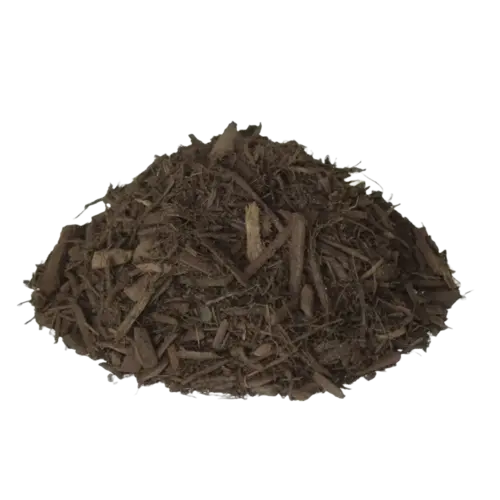
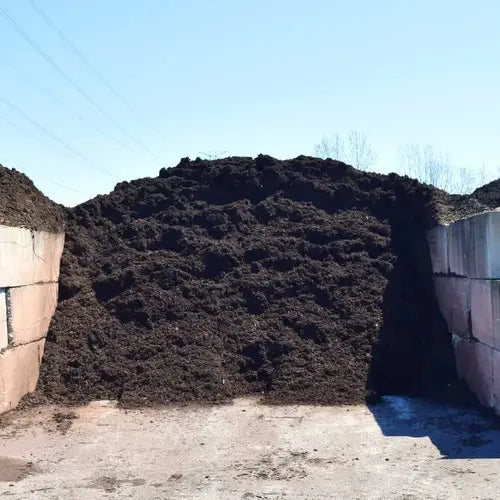
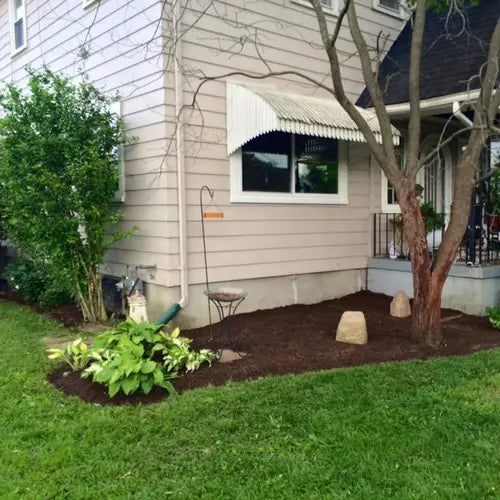
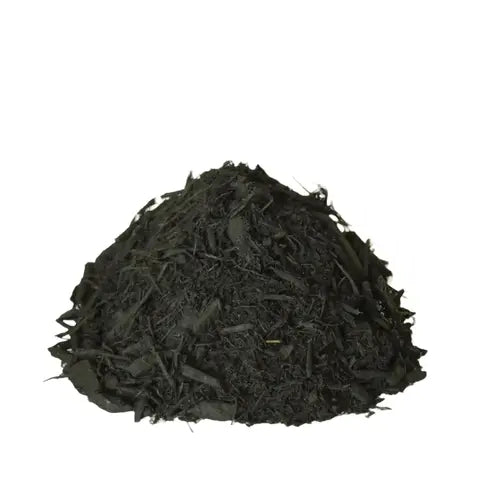
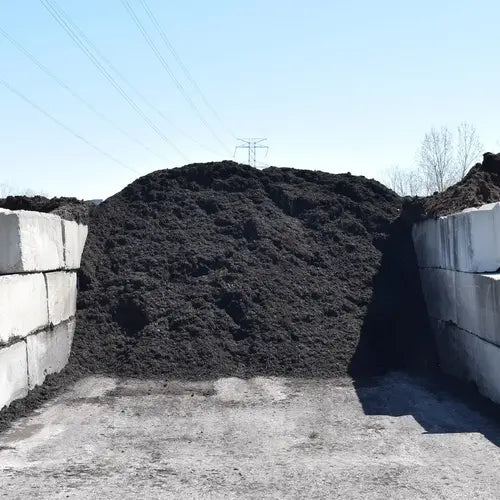
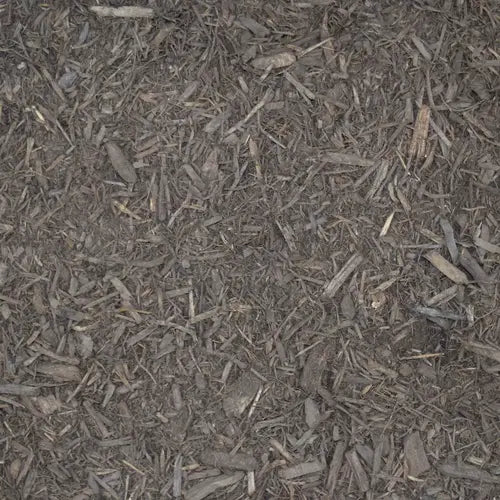
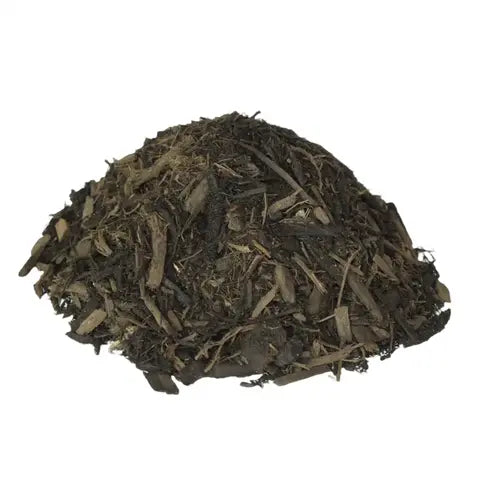
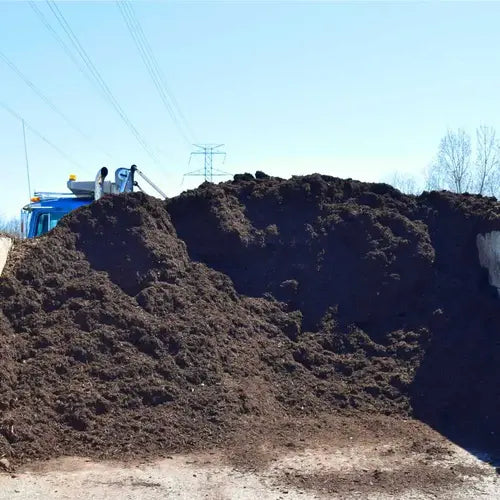
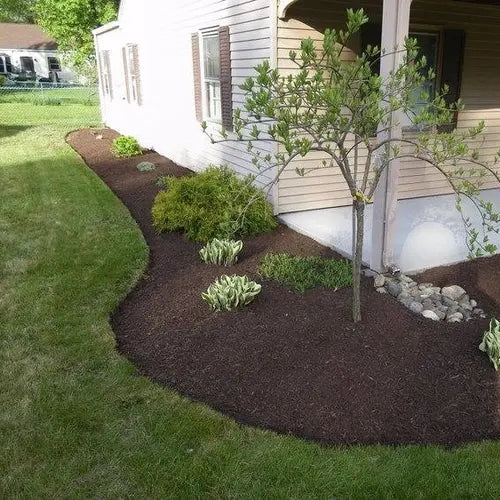
Warm brown double shredded mulch with lasting color that looks freshly applied for weeks. Spreads smooth, stays put, and gives beds a natural, polished appearance.
Delivery was on time and great quality Mulch. Got it done in a reasonable time and yard looks great. Couldn’t be happier!!! Thank you and will use again!!
Tell us what you're looking for
Thanks! We received your request.
Something went wrong. Please try again.
How Much Material Do I Need?
For Ashland's silt clay loam soil, a depth of 3 inches is the sweet spot for most landscape beds. That depth suppresses weeds, moderates soil temperature, and protects against the surface crusting that this soil type is prone to after heavy rain.
Use our free mulch calculator
What is a yard?
A yard is approximately 27 cubic feet. As a general guideline, one yard of material can cover an area of about 100-160 square feet at a 2-3 inch depth.
We can't take orders for this right now. Tell us what you need and we'll get back to you.
What do you need?
Thanks! We received your request.
Something went wrong. Please try again.
Hand-picked local yards
4,000+ regional deliveries
Dedicated support
Why order through Mulch Mound
The best local mulch, without the guesswork.
We hand-pick and partner with the best yards in your region, keep only the ones our buyers rate well, and back each load with our guarantee.
Mulch Mound Guarantee
If your mulch isn't the quantity or quality you ordered, we'll make it right.
About this mulch
Warm brown double shredded mulch with lasting color that looks freshly applied for weeks. Spreads smooth, stays put, and gives beds a natural, polished appearance.
Delivery was on time and great quality Mulch. Got it done in a reasonable time and yard looks great. Couldn’t be happier!!! Thank you and will use again!!
How Much Material Do I Need?
For Ashland's silt clay loam soil, a depth of 3 inches is the sweet spot for most landscape beds. That depth suppresses weeds, moderates soil temperature, and protects against the surface crusting that this soil type is prone to after heavy rain.
Use our free mulch calculator
What is a yard?
A yard is approximately 27 cubic feet. As a general guideline, one yard of material can cover an area of about 100-160 square feet at a 2-3 inch depth.
Delivery was on time and great quality Mulch. Got it done in a reasonable time and yard looks great. Couldn’t be happier!!! Thank you and will us...
Read full review
Delivery was on time and great quality Mulch. Got it done in a reasonable time and yard looks great. Couldn’t be happier!!! Thank you and will use again!!
Mulch Mound delivered a yard of pea gravel to us. Delivery was on time, driver was friendly and hit a bullseye on the “tarp target”. We used the ...
Read full review
Mulch Mound delivered a yard of pea gravel to us. Delivery was on time, driver was friendly and hit a bullseye on the “tarp target”. We used the pea gravel (which was diameter as specified) to fill several muskrat holes around our pond. I would definitely recommend Mulch Mound to a friend!
I can’t say enough good things about Mulch Mound! If you read my review below you will see I had a problem with my order. Mulch Mou...
Read full review
UPDATE!
I can’t say enough good things about Mulch Mound! If you read my review below you will see I had a problem with my order. Mulch Mound was quick to respond and solved the issue with my delivery. Will definitely be a customer next year.
First time purchase from Mulch Mound!! First what I liked! Easy to order online and straight forward pricing and delivery. The driver was on time and courteous and delivered my Mulch exactly where I requested! The product is of good quality and comparable to others I have purchased from before. Now what I DID’NT LIKE! I have been mulching the same house and yard for almost 20 years. I always order the same amount and don’t have any issues with covering the same area but this year I fell about a yard short. I was home when the mulch was delivered and when the driver dumped it I noticed that it seemed a bit less than I was used to. I didn’t apply it any thicker than usual and probably a bit thinner than usual because I was worried about running out.
To estimate mulch for your Ashland beds, measure the length and width of each bed in feet and multiply those together to get square footage. Divide by 100 and multiply by the depth in inches to get your cubic yards needed. Ashland's irregular lot shapes and sloped yards can complicate this, so it is always smart to add 10 percent extra to your order.
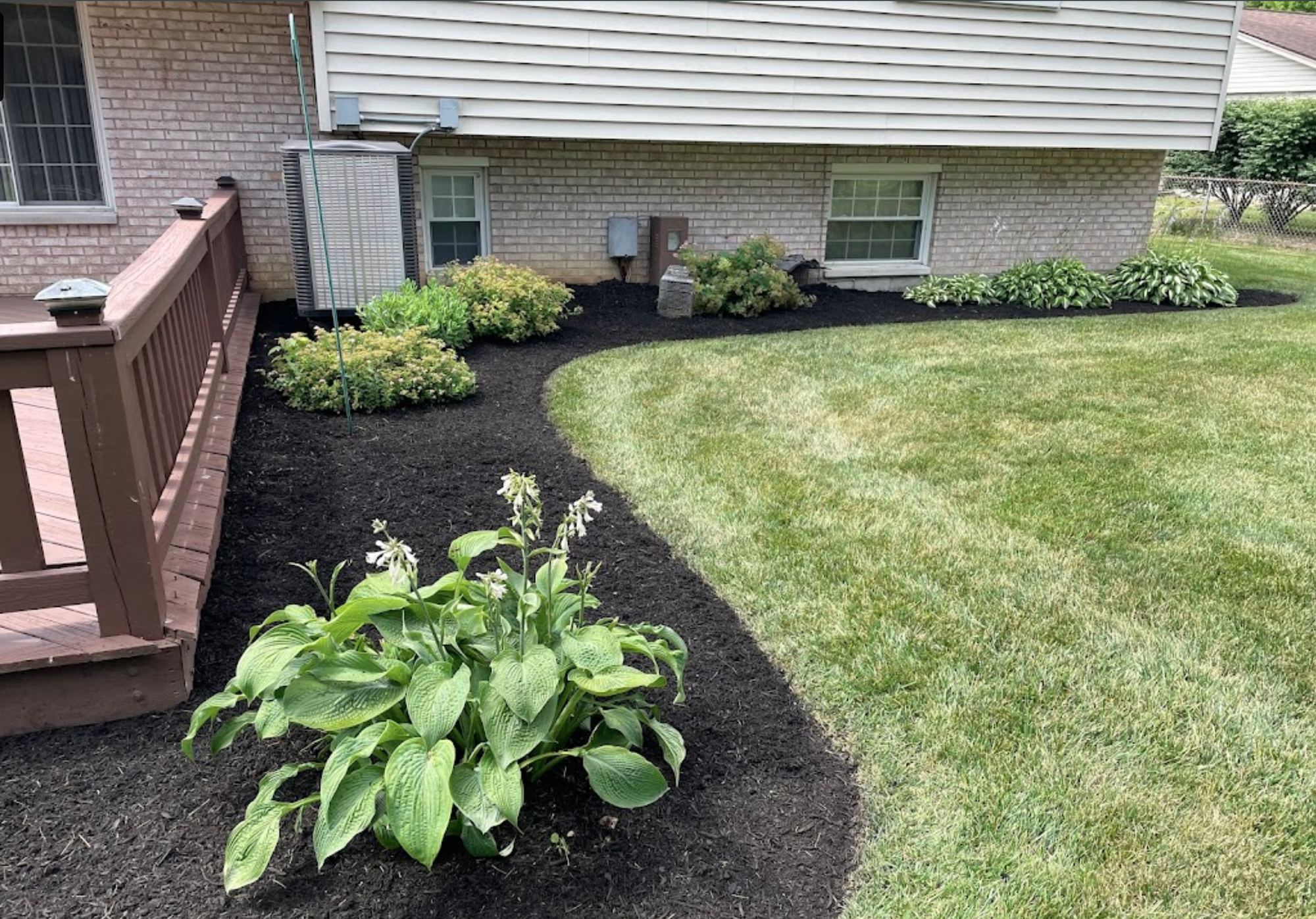
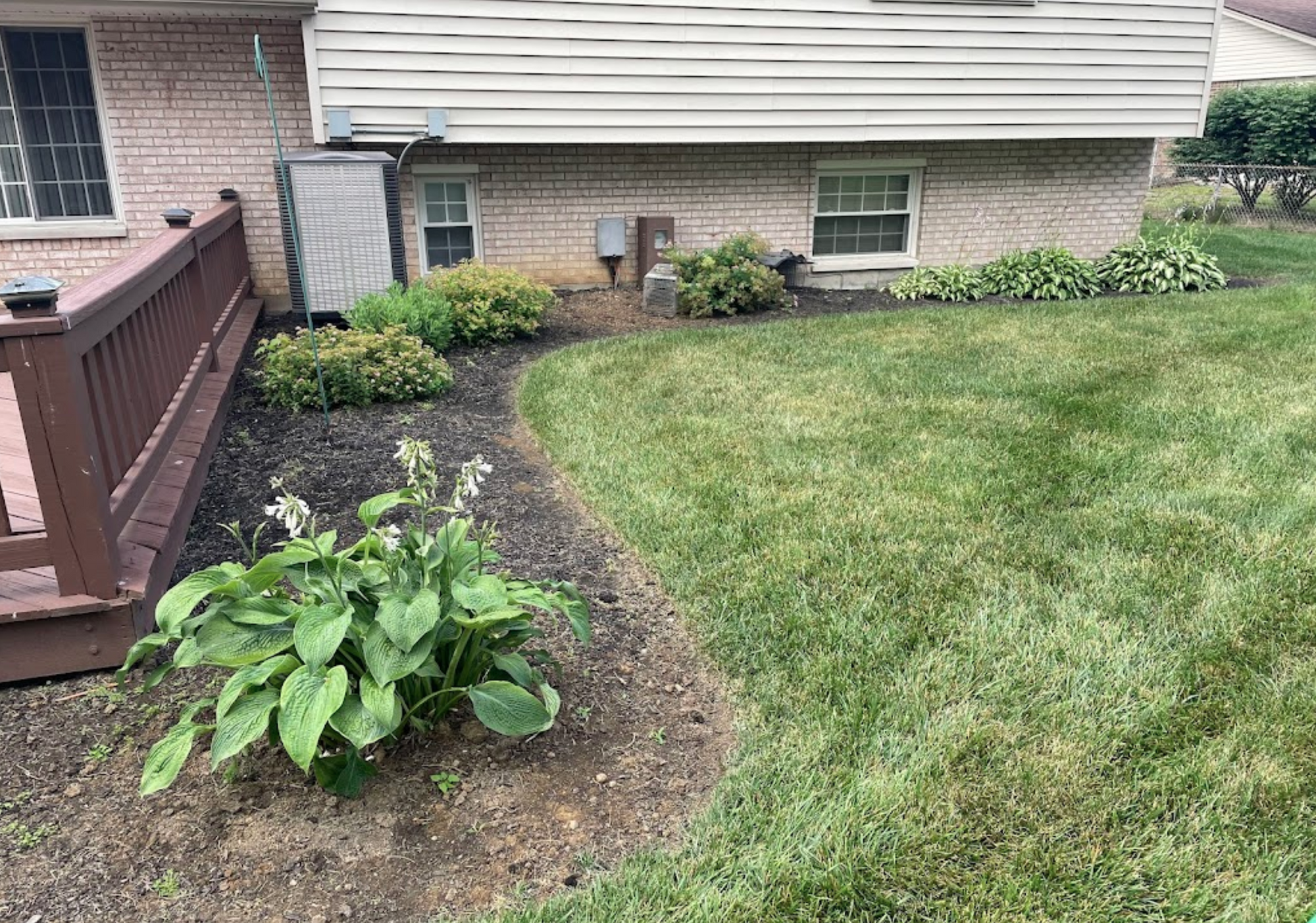
Mulch vs. No Mulch: The Difference
Ashland's humid zone 6b climate means natural mulch breaks down faster than it would in drier regions, typically within one to two growing seasons, which adds organic matter to the silt clay loam soil and slowly improves its structure. Dyed mulch products use a binding process that slows decomposition, so they hold their texture and color longer but contribute less organic material to the soil over time. For Ashland homeowners trying to improve their clay-heavy soil over the long term, natural hardwood mulch delivers more lasting soil benefit.
Before
After
Best Mulch Choice for Ashland Lawns
Most yards in the Ashland area sit on Silt Clay Loam type of soil. Ashland's silt clay loam soil is naturally prone to compaction and surface sealing, which can suffocate plant roots and cause water to pool or run off rather than penetrate. A quality mulch layer acts as a protective barrier that keeps this soil surface open and workable through the region's rainy seasons.
Hardwood Mulch
Hardwood mulch is particularly well matched to Ashland's silt clay loam because as it decomposes it adds organic matter that physically loosens the clay particles, improving drainage and making the soil more hospitable to roots. Over several seasons of regular hardwood mulch applications, homeowners often notice measurably improved water infiltration and easier digging in previously hard, compacted beds.
Mulch Types We Deliver in Ashland
Mulch Mound makes bulk mulch delivery in Ashland simple, delivering by the cubic yard so you get exactly the amount your project needs. From small garden refreshes to large landscape installs, ordering in bulk saves time and keeps costs down. Our lineup covers the most requested double shredded varieties, each chosen to perform well in the humid summers and clay-rich soils of eastern Kentucky.
Dyed Black Mulch
Dyed black double shredded mulch creates a bold contrast against green plantings and light stone, making it a favorite for homeowners who want sharp, defined beds. The rich color holds up through the warm, wet summers typical of eastern Kentucky, and the smooth texture spreads easily across both large and small areas.
Dyed Brown Mulch
Warm brown dyed double shredded mulch blends naturally with the brick exteriors and mature tree canopies common around eastern Kentucky homes. The color stays fresh-looking for weeks even after heavy spring rains, and the smooth double shredded texture lays flat and resists washing out on sloped or uneven beds.
Natural Brown Mulch
Natural brown double shredded mulch skips the dye entirely, letting the wood deliver its own earthy tone. It suits homeowners who prefer a clean, understated look that fades gracefully over the season. The smooth texture spreads easily and breaks down over time to help enrich the heavy clay soils common throughout this region.
Complete Your Outdoor Mulch Project
If you are refreshing your landscape beds this season, pairing mulch with a quality garden soil can help address any low spots or thin planting areas in your yard. Adding stone borders or pathway gravel alongside your mulch beds gives Ashland landscapes a finished, polished look that holds up through the region's wet seasons.
In Ashland, the silt clay loam soil tends to stay cold and wet well into spring, so resist the urge to mulch too early. Wait until soil temperatures have warmed a bit after the last frost around April 15 before applying a fresh layer. Mulching over cold, wet soil can delay warming and slow root activity for perennials just breaking dormancy. Let the ground breathe and warm first, then lock in that moisture with your mulch.
Mulch Mound Pro Tip
Before applying fresh mulch each season, take a few minutes to turn and loosen the existing layer with a rake. Ashland's humidity and rain can cause the bottom of old mulch layers to mat and become hydrophobic, meaning water actually runs off rather than soaking through. Loosening that compressed base allows rainfall to reach the root zone and prevents anaerobic conditions that can harm soil health in your beds.
Mulch Mound Pro Tip
Ashland receives about 43 inches of rain annually, which means mulch in this area does real erosion control work, not just weed suppression. On any bed with even a slight slope, a deeper 3 to 4 inch mulch layer helps slow water movement and keep topsoil in place during heavy downpours. Shredded hardwood varieties knit together as they settle, forming a more stable mat than nugget-style mulches on sloped ground.
Frequently Asked Questions
Click a question to see the answer
Answer
How thick should I apply mulch in my Ashland flower beds?
For most beds in Ashland, a depth of 3 inches is ideal. The silt clay loam soil here already has some moisture-holding capacity, but it also tends to compact and crust over after heavy rain. Three inches of mulch keeps that surface protected, moderates soil temperature through the freeze-thaw cycles common in zone 6b winters, and still allows water to penetrate during the 43 inches of annual rainfall this area receives.
Answer
Will adding mulch help with the compaction problem in my clay-heavy yard?
Yes, mulch makes a real difference for compaction in Ashland's silt clay loam. By absorbing the direct impact of rainfall before it hits the soil surface, mulch prevents the surface sealing that leads to runoff and compaction. Over time, decomposing organic mulch also feeds soil microbes that help loosen the clay structure, improving both drainage and root penetration in your beds.
Answer
When should I put down fresh mulch before Ashland's first frost in October?
The best window for fall mulching in Ashland is from late September through the first week of October, before the typical first frost date of October 13. Applying mulch while soil temperatures are still moderate helps trap that warmth heading into winter. This is especially important for perennials and shrubs that need root protection through Boyd County's cold spells, when temperatures can drop hard and fast.
Answer
Does dyed mulch hold its color through Ashland's hot and rainy summers?
Dyed mulch holds color reasonably well through Ashland's summer months, though the combination of intense sun and 43 inches of annual rain will cause fading over time. High-quality double-dyed products typically look fresh through one full growing season. If color is a priority for your curb appeal, plan on freshening the top inch or so each spring after the last frost clears around April 15.
Answer
How often do I need to replace the mulch in my Ashland yard?
Most Ashland homeowners top off their mulch annually. The warm, humid summers in zone 6b accelerate decomposition compared to drier climates, so natural hardwood mulch breaks down relatively quickly here. That decomposition is actually beneficial because it feeds organic matter into Ashland's silt clay loam soil. Plan to add about an inch of fresh mulch each spring to maintain effective weed suppression and moisture retention.
Answer
Can I apply too much mulch around my plants in Ashland?
Absolutely, and it is a common mistake here. Piling mulch too deep, especially against plant stems and tree trunks, traps moisture and invites rot and disease. In Ashland's humid summers, that extra retained moisture around a trunk can cause serious damage. Keep mulch about 2 to 3 inches away from woody stems and trunks, and do not exceed 4 inches of depth, since Ashland's silt clay loam already retains water longer than sandy soils.
Answer
What type of mulch works best around established trees in Ashland's soil conditions?
Hardwood bark mulch is an excellent choice around trees in Ashland. It breaks down slowly enough to maintain a stable layer through the growing season, and as it decomposes it adds organic matter to the silt clay loam soil that helps loosen clay structure over time. Apply it in a wide ring around the tree, extending to the drip line if possible, and keep it pulled back from the base of the trunk to prevent moisture buildup against the bark.
The Unique Landscape of Ashland
Ashland's silt clay loam soil is dense enough to compact under foot traffic and heavy rain events, which makes mulched beds essential rather than optional for most local homeowners. With 43 inches of annual rainfall, unprotected soil in Ashland erodes, crusts over, and sheds water rather than absorbing it. A proper mulch layer cushions the impact of heavy summer storms and slows runoff across sloped yards, which are common throughout Boyd County. Zone 6b winters bring hard freezes that can heave shallow-rooted plants right out of the ground, but a thick mulch blanket insulates roots from those damaging temperature swings. The growing window in Ashland stretches from the last frost around April 15 through the first frost around October 13, and mulch helps extend soil warmth on both ends of that window. Keeping your beds mulched year-round is one of the most practical investments you can make in Ashland's variable climate.