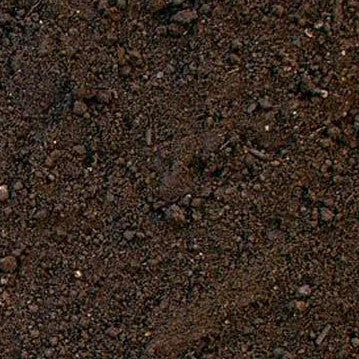
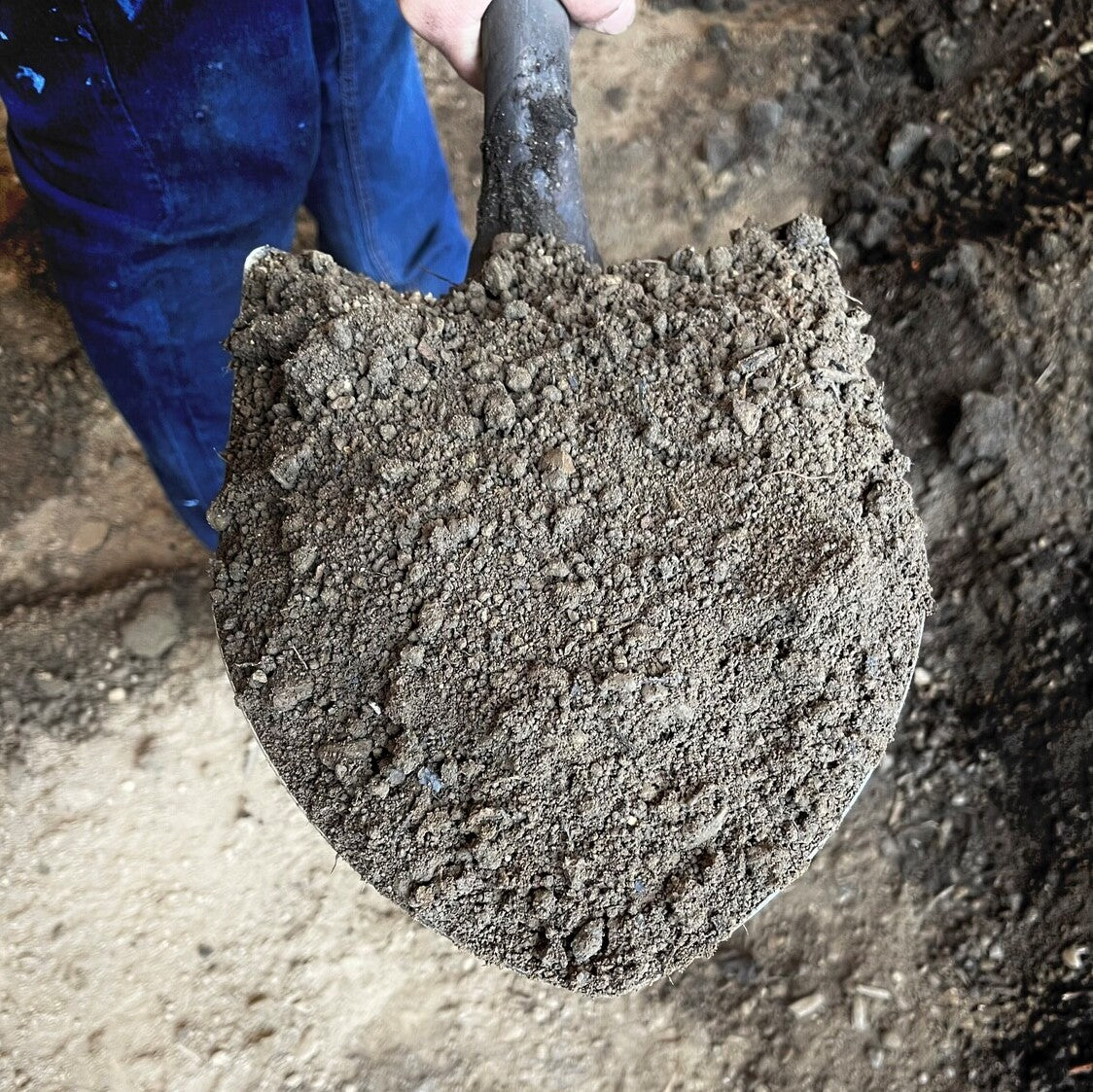
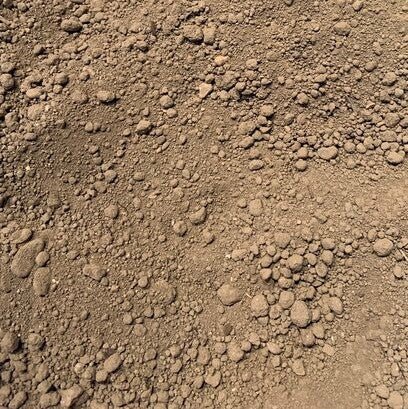
Quality topsoil for lawns, gardens, and landscape projects. Nutrient rich and ready to support strong root development and healthy plant establishment.
We got 3 yards of the gardening top soil. It was great quality, not many chunks and seems good for growing, just waiting for all my plants to love it.
We had more than enough soil to fill a raised bed we made and landscaped around a patio. I do wish we could do less tha...
Tell us what you're looking for
Thanks! We received your request.
Something went wrong. Please try again.
How Much Material Do I Need?
Raised beds and new garden installations in Athens typically need 10 to 12 inches of quality soil to give plant roots adequate depth across a zone 6b growing season that runs from mid-April to late October. For lawn leveling and topdressing over existing silt loam, 2 to 4 inches incorporated into the upper soil profile is sufficient for most situations.
Use our free soil calculator
What is a yard?
A yard is approximately 27 cubic feet. As a general guideline, one yard of material can cover an area of about 100-160 square feet at a 2-3 inch depth.
We can't take orders for this right now. Tell us what you need and we'll get back to you.
What do you need?
Thanks! We received your request.
Something went wrong. Please try again.
Hand-picked local yards
4,000+ regional deliveries
Dedicated support
Why order through Mulch Mound
The best local soil, without the guesswork.
We hand-pick and partner with the best yards in your region, keep only the ones our buyers rate well, and back each load with our guarantee.
Mulch Mound Guarantee
If your soil isn't the quantity or quality you ordered, we'll make it right.
About this soil
Quality topsoil for lawns, gardens, and landscape projects. Nutrient rich and ready to support strong root development and healthy plant establishment.
We got 3 yards of the gardening top soil. It was great quality, not many chunks and seems good for growing, just waiting for all my plants to love it.
We had more than enough soil to fill a raised bed we made and landscaped around a patio. I do wish we could do less tha...
How Much Material Do I Need?
Raised beds and new garden installations in Athens typically need 10 to 12 inches of quality soil to give plant roots adequate depth across a zone 6b growing season that runs from mid-April to late October. For lawn leveling and topdressing over existing silt loam, 2 to 4 inches incorporated into the upper soil profile is sufficient for most situations.
Use our free soil calculator
What is a yard?
A yard is approximately 27 cubic feet. As a general guideline, one yard of material can cover an area of about 100-160 square feet at a 2-3 inch depth.
We got 3 yards of the gardening top soil. It was great quality, not many chunks and seems good for growing, just waiting for all my plants to love ...
Read full review
We got 3 yards of the gardening top soil. It was great quality, not many chunks and seems good for growing, just waiting for all my plants to love it.
We had more than enough soil to fill a raised bed we made and landscaped around a patio. I do wish we could do less than 3 yds delivered but I understand the limitations.
My only concern was we requested it on the top left of our driveway since we had mulch on the other side, they ended up pouring it on top of the mulch (it was covered with a tarp so not ruined) making it difficult to complete our landscaping in a timely fashion.
Measure the length, width, and desired depth of your project area in feet, then multiply all three together and divide by 27 to convert to cubic yards. For lawn leveling projects common on Athens properties with uneven terrain, map out the low spots individually and estimate an average fill depth for each section rather than treating the entire yard as a single uniform calculation. This approach prevents both over-ordering and arriving short on a project that is already in progress.
Soil Types We Deliver in Athens
Athens homes and gardens sit on heavy clay-leaning ground that often needs a quality soil boost to support healthy planting. We deliver bulk topsoil by the yard in Athens, dropping full cubic yard loads right to your driveway or project site. Whether you are leveling a lawn, filling raised beds, or starting a new landscape, our screened soil gives your plants a strong foundation from day one.
Screened Top Soil
Our screened top soil is sifted to remove rocks, clumps, and debris, giving you a fine, workable texture that spreads easily across lawns and garden beds. It is nutrient rich and ready to support strong root development, making it a reliable choice for homeowners throughout the Athens area who are amending tired clay-heavy ground or building up new planting areas.
Complete Your Outdoor Soil Project
Soil improvement works best as part of a complete bed renovation, so pairing your bulk soil delivery with a mulch order to cap the finished beds protects your investment and suppresses the weed flush that follows any significant soil disturbance. Adding stone edging or gravel borders around improved beds gives them a defined perimeter and prevents the foot traffic that compacts newly placed silt loam before it has time to settle and develop structure.
How do I know if I need to bring in bulk soil or if amending what I already have will be enough?
The answer depends on how much workable soil you already have. Athens silt loam in undisturbed areas can be quite productive with compost amendments, but in many older neighborhoods and developed lots the original topsoil was graded away or compacted into something closer to subsoil. A simple test is to push a screwdriver or soil probe straight down into your bed. If it stops easily within 4 to 6 inches, you are hitting compacted subsoil and amendments alone will not solve the problem. Bringing in bulk soil and incorporating it into the existing layer gives you a workable root zone that plants can actually use.
Answer
My backyard stays soggy for days after a hard rain. Can adding soil fix that, or is it a drainage problem that soil alone will not solve?
Persistent standing water is usually a grading issue rather than a soil composition issue, and bulk soil can be part of the fix. Adding material to low spots and regrading the area so it slopes toward a natural drainage path is often all that is needed for moderate cases. Athens properties near the Hocking River corridor and other low-lying areas in town are particularly prone to this kind of pooling. However, if the subsoil layer is genuinely impermeable, regrading alone will shift the problem rather than solve it. In those situations, pairing the soil addition with a simple French drain channel beneath the regraded area provides lasting relief.
Answer
How deep should my soil be for a new raised vegetable garden bed?
For most vegetables grown in Athens from last frost around April 15 through first frost around October 31, a minimum of 10 to 12 inches of quality soil gives roots enough room to establish well. Tomatoes, peppers, and squash that are staples of Athens kitchen gardens put down deeper root systems and appreciate a full 12 to 14 inches if the raised bed structure allows it. Shallow-rooted crops like lettuce, radishes, and herbs can perform well in 8 inches, but going deeper gives you a buffer when August heat temporarily stresses plants and roots need to reach for moisture lower in the profile.
Answer
Can I use bulk topsoil to smooth out the bumpy, uneven areas in my lawn?
Yes, and this is one of the most practical uses for bulk soil on Athens properties with rolling or uneven terrain. For minor depressions under 2 inches deep, a topdress of fine topsoil worked in with the back of a rake allows existing grass to grow through it and fill in naturally before the season ends. For deeper low spots, you will want to strip the sod first, build up the level with soil, then either relay the sod or reseed. Timing the project for late April after the last frost gives new grass the full growing season to establish before fall.
Answer
The builder scraped off all the topsoil when my house was built and what is left is basically clay and fill. How do I start to restore it?
This is a very common situation in Athens where residential construction in recent decades left many yards with depleted, compacted fill at the surface. The most direct solution is bringing in bulk topsoil, spreading it to a depth of 4 to 6 inches across the area, and incorporating it into the top layer using a tiller or aerator. Adding compost at this stage accelerates biological recovery. For lawn areas, overseeding after soil improvement rather than relying on the existing seed bank gives you faster and more even coverage. Your first full growing season after soil restoration will look dramatically different from what you have been working with.
Answer
When is the best time of year to add bulk soil to garden beds in Athens?
Early spring, once the ground has thawed and the last frost date of April 15 is approaching, is the prime window for adding soil to planting beds. At that point the soil is workable but not yet waterlogged from snowmelt, and you have the entire growing season ahead for plants to establish in the new material. Fall, specifically September and October, is the second-best window. Adding and settling new soil in fall gives it time to integrate before winter, and planting spring bulbs directly into the improved bed sets you up for a strong display the following year. Avoid working soil that is saturated from recent rain regardless of the calendar date.
Answer
Will bulk garden soil introduce weed seeds into my beds?
Quality screened bulk topsoil should be relatively low in viable weed seeds, but no outdoor material is completely sterile. The practical reality in Athens is that your existing silt loam already contains a substantial weed seed bank, and any soil disturbance, whether from amending, tilling, or adding new material, will bring some of those seeds to the surface where they can germinate. The most effective response is to mulch thoroughly immediately after your soil work is done, before the first weed flush appears. A 3 inch mulch layer reduces germination dramatically regardless of where the seeds came from and keeps newly placed soil looking clean through the growing season.
Mulch Mound Pro Tip
Athens silt loam is most workable and least prone to structural damage when it holds moderate moisture, not dry and cracking, and not saturated from recent rain. Before grading or tilling new soil into an existing bed, press a small handful between your fingers. If it forms a ribbon longer than about 2 inches without crumbling, it is still too wet to work without causing compaction. Waiting even a day or two after rainfall makes a significant difference in the quality of the finished grade and the long-term structure of the improved area.
Mulch Mound Pro Tip
When filling a new raised bed in Athens, resist the temptation to use subsoil or fill dirt from another part of your yard as the base layer to reduce costs. That material is typically lower in organic matter and drains more slowly, and once it is beneath a good topsoil layer it is difficult to correct. Fill your raised beds entirely with quality growing medium from the bottom up. The investment per cubic yard pays back through higher vegetable yields and stronger plant establishment across every growing season from April through October.
Mulch Mound Pro Tip
If you are adding soil to an existing lawn area to level it or repair bare patches, time the project to align with Athens's natural rainfall patterns. The consistent and moderate 39 inches of annual precipitation means that seeded soil rarely needs supplemental watering if the project is done in April or September. Seeding into freshly placed topsoil right before several days of light rain is nearly ideal for germination, and the steady seasonal moisture carries new grass through establishment without irrigation in most years.
The Unique Landscape of Athens
Athens properties sit on a silt loam base that, while naturally workable, is easily disrupted by grading, construction, and years of foot traffic without organic replenishment. Many lots in Athens, particularly those developed during the university expansion decades, had their original topsoil stripped or buried during construction, leaving a thin layer of depleted material over subsoil that drains poorly and supports weak plant establishment. Bringing in quality bulk soil restores the growing medium that plants actually need, whether you are building a raised vegetable bed, establishing a new lawn area, or leveling an uneven slope that catches water after heavy rain. Zone 6b gives Athens gardeners a growing season running from mid-April through the end of October, and soil quality directly determines how well plants capitalize on those six and a half months. Improving your soil profile before planting is the single most effective investment you can make for the long-term productivity and visual quality of your landscape.