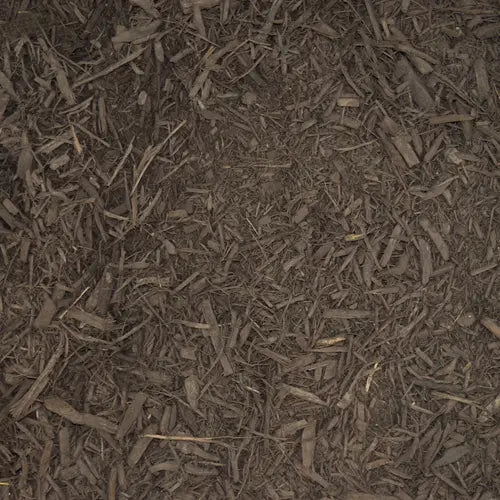
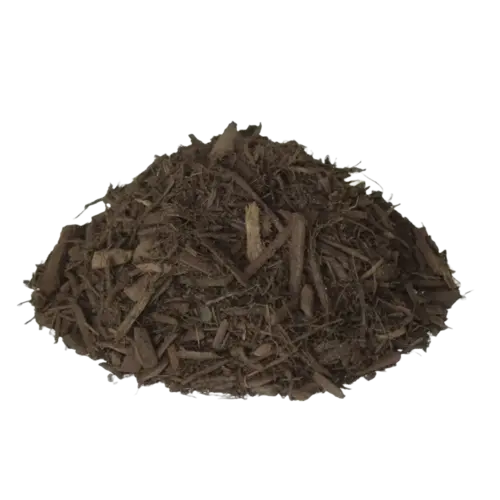
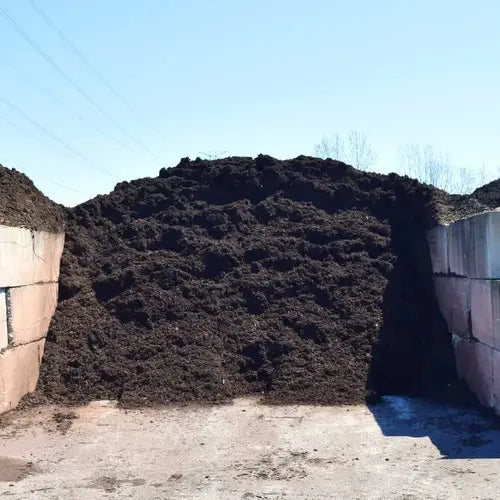
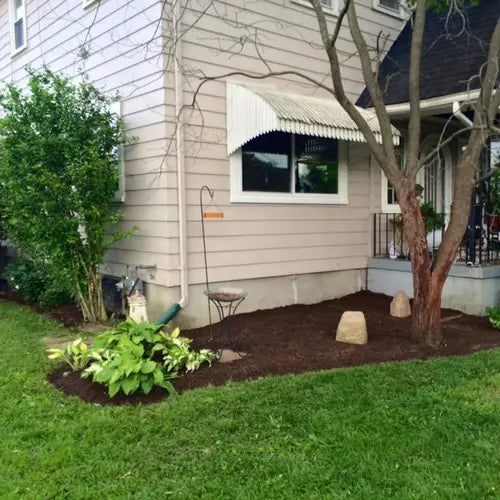
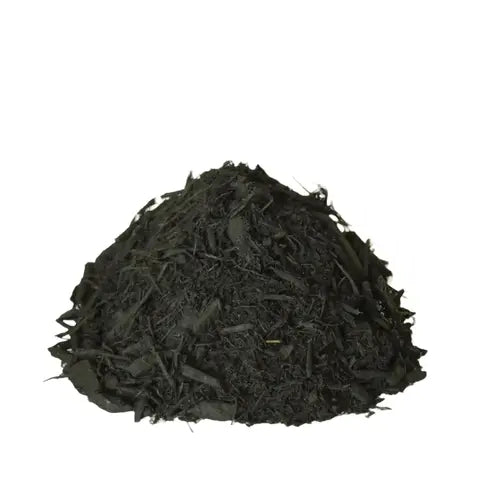
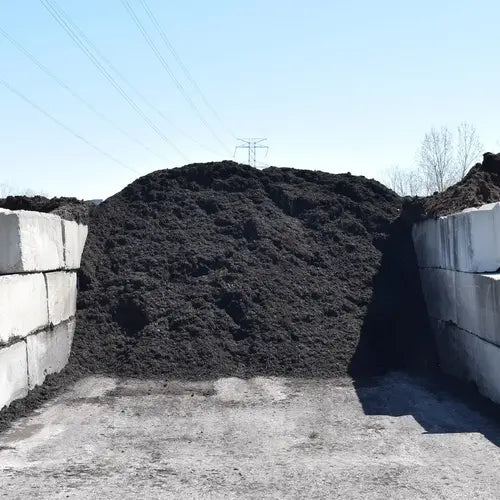
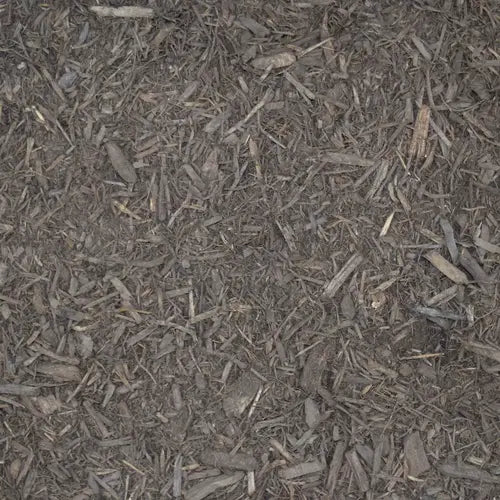
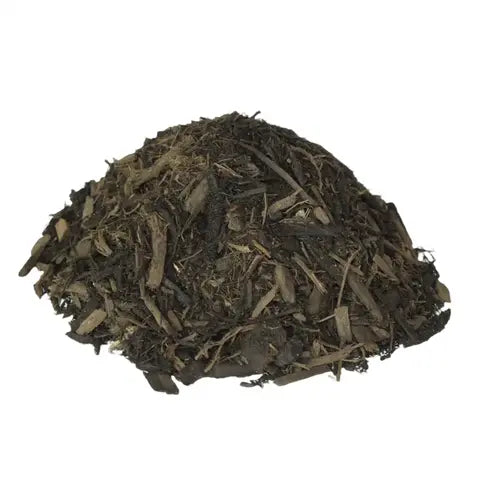
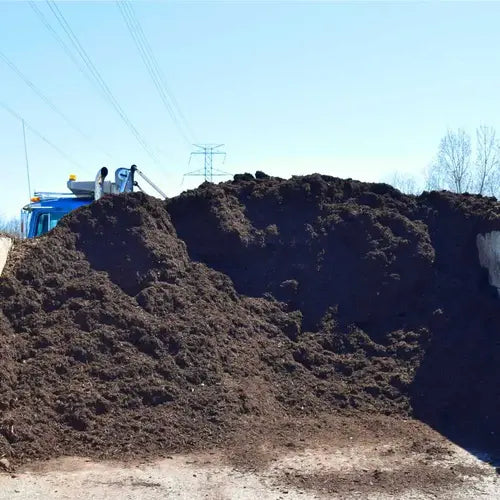
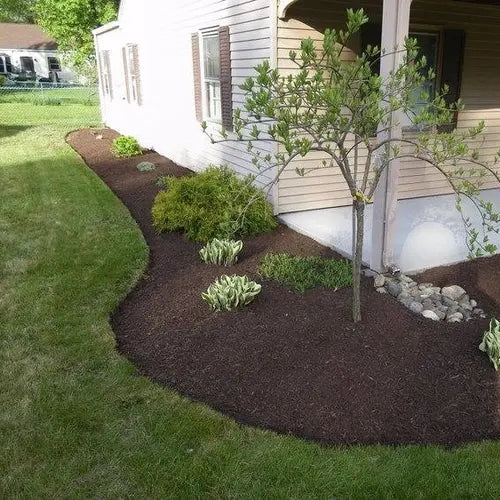
Warm brown double shredded mulch with lasting color that looks freshly applied for weeks. Spreads smooth, stays put, and gives beds a natural, polished appearance.
Great experience with mulch mound. Their online calculator made it easy to estimate how many yards of mulch I needed and delivery was quick. I would definitely recommend them for your future projects.
Tell us what you're looking for
Thanks! We received your request.
Something went wrong. Please try again.
How Much Material Do I Need?
For Beaumont's heavy clay soil, apply mulch at a depth of 3 inches in plant beds and around trees. Avoid piling mulch thicker than 4 inches, as clay's natural moisture retention can lead to overly saturated conditions beneath deep mulch layers.
Use our free mulch calculator
What is a yard?
A yard is approximately 27 cubic feet. As a general guideline, one yard of material can cover an area of about 100-160 square feet at a 2-3 inch depth.
We can't take orders for this right now. Tell us what you need and we'll get back to you.
What do you need?
Thanks! We received your request.
Something went wrong. Please try again.
Hand-picked local yards
4,000+ regional deliveries
Dedicated support
Why order through Mulch Mound
The best local mulch, without the guesswork.
We hand-pick and partner with the best yards in your region, keep only the ones our buyers rate well, and back each load with our guarantee.
Mulch Mound Guarantee
If your mulch isn't the quantity or quality you ordered, we'll make it right.
About this mulch
Warm brown double shredded mulch with lasting color that looks freshly applied for weeks. Spreads smooth, stays put, and gives beds a natural, polished appearance.
Great experience with mulch mound. Their online calculator made it easy to estimate how many yards of mulch I needed and delivery was quick. I would definitely recommend them for your future projects.
How Much Material Do I Need?
For Beaumont's heavy clay soil, apply mulch at a depth of 3 inches in plant beds and around trees. Avoid piling mulch thicker than 4 inches, as clay's natural moisture retention can lead to overly saturated conditions beneath deep mulch layers.
Use our free mulch calculator
What is a yard?
A yard is approximately 27 cubic feet. As a general guideline, one yard of material can cover an area of about 100-160 square feet at a 2-3 inch depth.
Great experience with mulch mound. Their online calculator made it easy to estimate how many yards of mulch I needed and delivery was quick. I woul...
Read full review
Great experience with mulch mound. Their online calculator made it easy to estimate how many yards of mulch I needed and delivery was quick. I would definitely recommend them for your future projects.
We needed mulch for our HOA common areas. Local providers were all holding high prices even for 40 yards of mulch. Mulch mound was easy to wowith...
Read full review
We needed mulch for our HOA common areas. Local providers were all holding high prices even for 40 yards of mulch. Mulch mound was easy to wowith & has great price for natural mulch + delivery schedule options. They called before delivery to ensure Delivery was exactly where we wanted it.
Delivery was on time and great quality Mulch. Got it done in a reasonable time and yard looks great. Couldn’t be happier!!! Thank you and will us...
Read full review
Delivery was on time and great quality Mulch. Got it done in a reasonable time and yard looks great. Couldn’t be happier!!! Thank you and will use again!!
To estimate mulch for your Beaumont beds, measure each area in feet and multiply length by width to get square footage, then divide by 100 to get cubic yards at a 3-inch depth. Because Beaumont beds often have irregular shapes around mature trees and shrubs, sketch out each section and add 10 percent to your total as a buffer. Clay soil's natural moisture retention means you rarely need to go deeper than 3 inches, so resist the urge to over-order for added thickness.
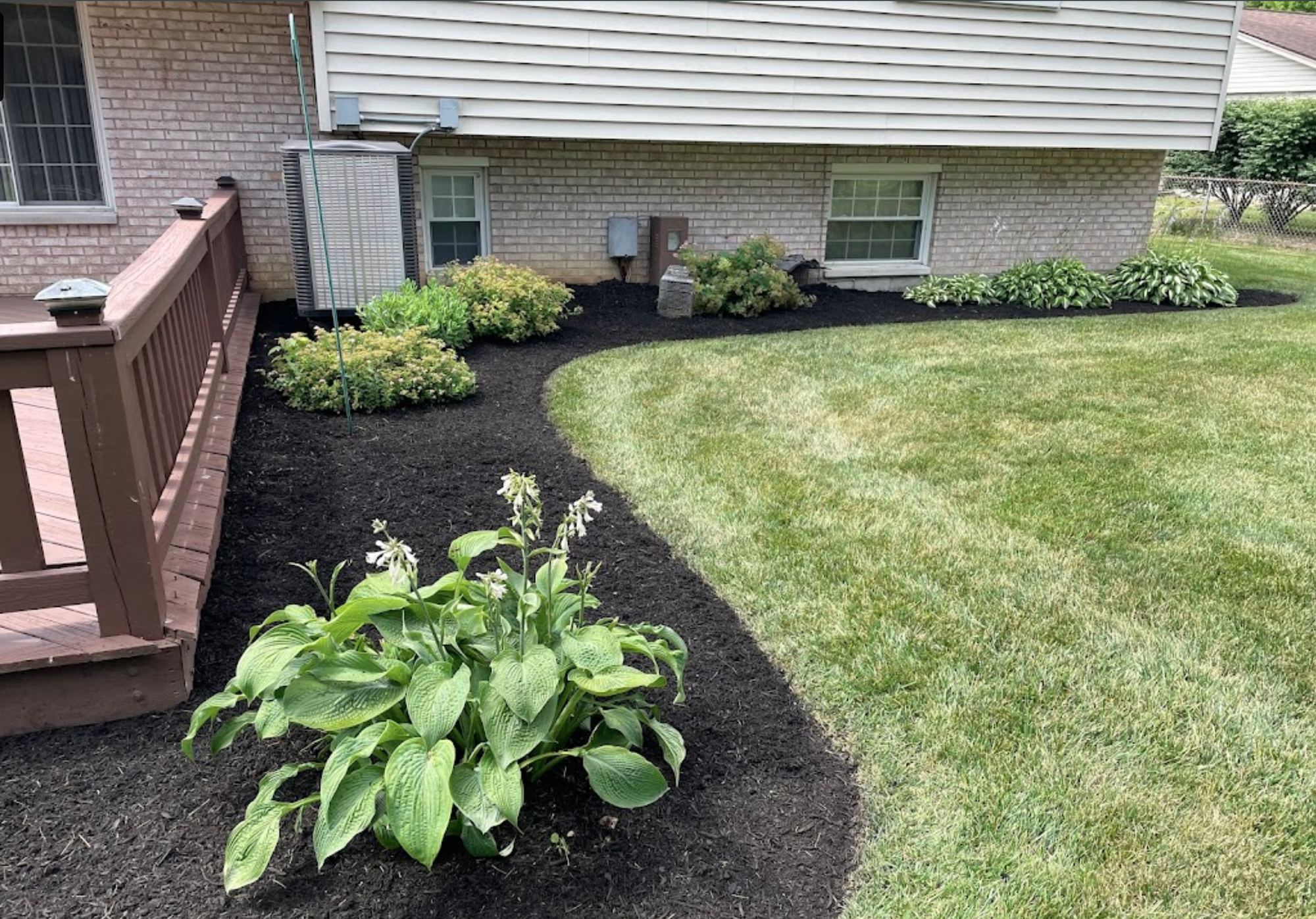
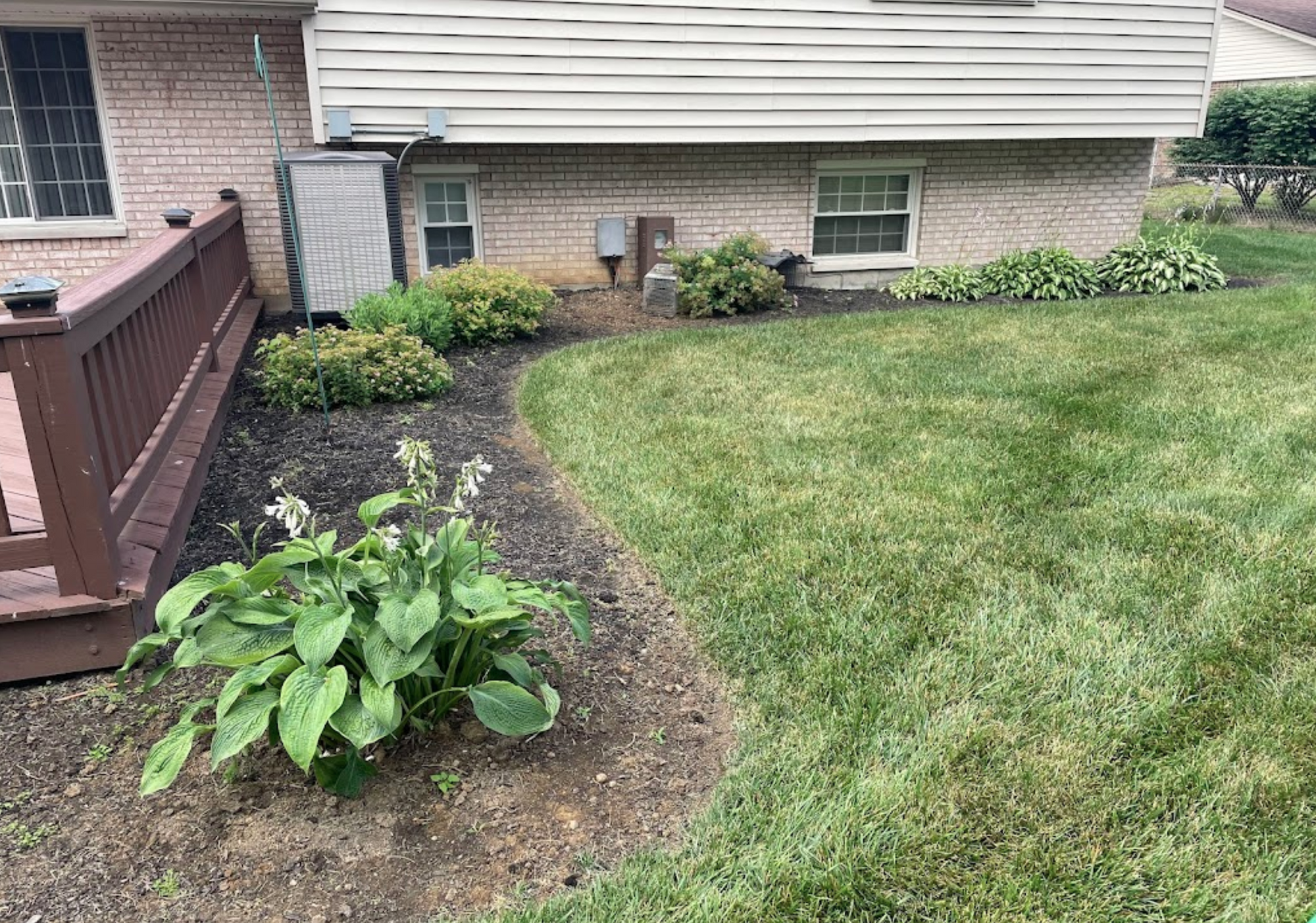
Mulch vs. No Mulch: The Difference
Beaumont's combination of intense sun, high humidity, and 60 inches of annual rainfall means mulch breaks down faster here than in most other parts of Texas. Natural hardwood mulch decomposes into the clay soil over the course of a season, gradually adding the organic matter that Beaumont clay desperately needs to loosen its structure. Dyed mulches use a denser wood base that resists breakdown longer, which means better color retention through the summer heat but less organic contribution to your soil over time.
Before
After
Best Mulch Choice for Beaumont Lawns
Most yards in the Beaumont area sit on Heavy Clay type of soil. Beaumont's heavy clay soil becomes dense and compacted over time, making it hard for plant roots to establish and for water to drain properly between rain events. Plant beds in clay soil benefit enormously from an organic mulch layer that gradually breaks down and introduces looser, humus-rich material into the top layer of the soil profile.
Hardwood Mulch
Hardwood mulch is particularly well suited to Beaumont's clay soil because as it decomposes it releases humic acids that help break apart the tight clay particle structure. Over several seasons of consistent hardwood mulching, homeowners often notice their beds draining noticeably better and their plants showing stronger growth as the soil tilth gradually improves.
Mulch Types We Deliver in Beaumont
Mulch Mound brings bulk mulch delivery in Beaumont straight to your door, measured and priced by the cubic yard so you only pay for what your project needs. Southeast Texas summers are long and intense, and a fresh layer of mulch helps protect roots, hold soil moisture, and keep beds looking sharp through the heat. Whether you are refreshing a single garden bed or covering a larger landscape, we make it simple to order and schedule a delivery.
Dyed Black Mulch
Dyed Black Mulch arrives double shredded for a smooth, even spread that covers beds quickly and cleanly. The bold color creates strong contrast against the sandy soils and lush foliage common across Southeast Texas, and it holds its deep, rich tone through long humid summers without fading or washing away.
Dyed Brown Mulch
Dyed Brown Mulch is double shredded and delivers a warm, polished look that pairs naturally with the brick and wood exteriors common throughout this part of Texas. The lasting color stays vibrant for weeks after application, spreads smoothly over flower beds and tree rings, and holds up well through heavy seasonal rain.
Natural Brown Mulch
Natural Brown Mulch is double shredded hardwood with no added dyes, offering an honest, earthy tone straight from the wood itself. It suits homeowners who prefer a clean, organic appearance, and it breaks down gradually over time to help improve the clay-heavy soils found across much of this region.
Complete Your Outdoor Mulch Project
If your beds need more than a refresh, consider pairing bulk mulch with a load of quality garden soil to amend your clay before mulching. Adding decorative stone along bed borders is a popular Beaumont choice that keeps mulch from washing into the lawn during heavy Gulf Coast rains.
Before spreading mulch in Beaumont, pull back any existing layer and check the soil underneath. Clay soil can develop a hard, dry crust in summer even when the surface looks fine, and laying new mulch over a sealed crust traps moisture at the wrong level. Loosening the top inch of soil with a rake before mulching helps rainwater and irrigation penetrate into the root zone where plants actually need it.
Mulch Mound Pro Tip
Beaumont's growing season stretches from late February through November, which means weed seeds have a very long window to germinate. To get the most out of your mulch as a weed barrier, lay it down right after your last frost around February 19 before spring weeds get established. A clean pre-emergent application followed immediately by a fresh 3-inch mulch layer gives you the best season-long suppression without relying on repeated herbicide treatments throughout Beaumont's extended warm months.
Mulch Mound Pro Tip
With 60 inches of rain falling in Beaumont each year, mulch erosion in sloped beds is a real and recurring problem. If you notice mulch washing toward the lawn or street after big storms, consider using a coarser hardwood product with more irregular shapes that interlock and resist movement. You can also install a low stone or metal edging border at the downhill edge of sloped beds to act as a catch that keeps bulk mulch in place through even the heaviest Gulf Coast downpours.
Frequently Asked Questions
Click a question to see the answer
Answer
How much mulch do I need to put down on my Beaumont clay soil beds?
For Beaumont's heavy clay soil, a 3-inch layer of mulch is the sweet spot. Clay already retains moisture well, so going much deeper than 3 inches can cause water to sit against plant stems and encourage root rot. Measure the length and width of each bed in feet, multiply them together, and divide by 100 to get the number of cubic yards needed for a 3-inch depth.
Answer
Will mulch help with the standing water I get in my beds after a heavy rain?
Mulch helps slow the impact of rain hitting bare clay and reduces surface runoff, but it is not a full drainage solution if your beds are low-lying. In Beaumont, where 60 inches of rain falls each year, you may also want to consider amending your clay soil with a quality garden mix to improve drainage from below. Mulch is the first layer of defense, and good soil amendment underneath it makes the whole system work better.
Answer
How often should I replace my mulch in Beaumont's climate?
Beaumont's heat and humidity accelerate mulch breakdown compared to drier climates. Most homeowners find they need to top off or replace their mulch once a year, typically in spring after the last frost around February 19. Hardwood mulch breaks down into the soil over time, which actually adds organic matter to your clay beds, so the decomposition is a benefit as long as you replenish the layer.
Answer
Is dyed mulch safe to use around my vegetable garden?
Most commercially dyed mulches use iron oxide or carbon-based colorants that are considered safe around vegetables, but if you are growing edibles in Beaumont's humid conditions, natural hardwood mulch is the most straightforward choice. Natural mulch breaks down cleanly into the soil and you never have to wonder about what is leaching into beds where you are growing food.
Answer
What color mulch looks best in a Beaumont yard?
Brown hardwood mulch is the most popular choice in Beaumont because it blends naturally with the landscape and does not show fading as quickly in the intense Southeast Texas sun. Black dyed mulch creates a sharp contrast against green foliage and is a favorite for front beds, but it can fade to gray faster in high UV conditions. Red mulch holds its color reasonably well but tends to look best in yards with brick accents.
Answer
My neighbor says mulch attracts termites. Should I be worried in Beaumont?
This is a very common concern in Southeast Texas, where termite pressure is high. The key is to keep mulch at least 6 inches away from your home's foundation and siding. Termites are attracted to moisture and wood-to-soil contact, not mulch itself. By maintaining a clear gap around the foundation and not piling mulch too deep against structures, you significantly reduce any risk while still getting all the soil and moisture benefits mulch provides.
Answer
Does mulch help protect my plants during a rare Beaumont freeze?
Yes, and it is one of the most underappreciated benefits of mulching in Zone 9a. While Beaumont's first frost typically does not arrive until around December 2, cold snaps can still stress shallow-rooted tropicals and perennials. A 3 to 4 inch layer of mulch insulates the soil and root zone, helping plants survive brief freezes that dip into the low 20s. After the last frost around February 19, pull the mulch back slightly from plant bases to let the soil warm for spring growth.
The Unique Landscape of Beaumont
Beaumont's heavy clay soil creates a unique challenge for homeowners trying to maintain healthy plant beds. Clay compacts tightly under the weight of the 60 inches of rainfall the area receives each year, which causes water to pool on the surface rather than drain down to plant roots. A thick layer of mulch acts as a buffer between that heavy rain and your soil, slowing erosion and allowing moisture to absorb gradually. During Beaumont's long, humid summers, mulch also moderates soil temperature, protecting roots from the heat that builds up in shallow, sun-baked beds. Without regular mulching, clay soil bakes into a hard crust in dry spells and turns into a slick, compacted mess after heavy rains. Keeping mulch fresh each season is one of the most effective things a Beaumont homeowner can do to keep plant beds productive and looking their best.