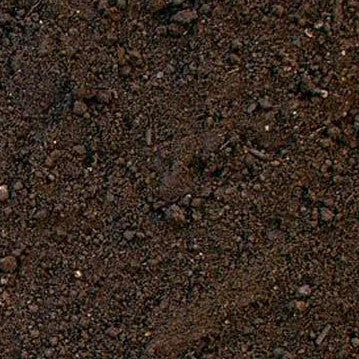
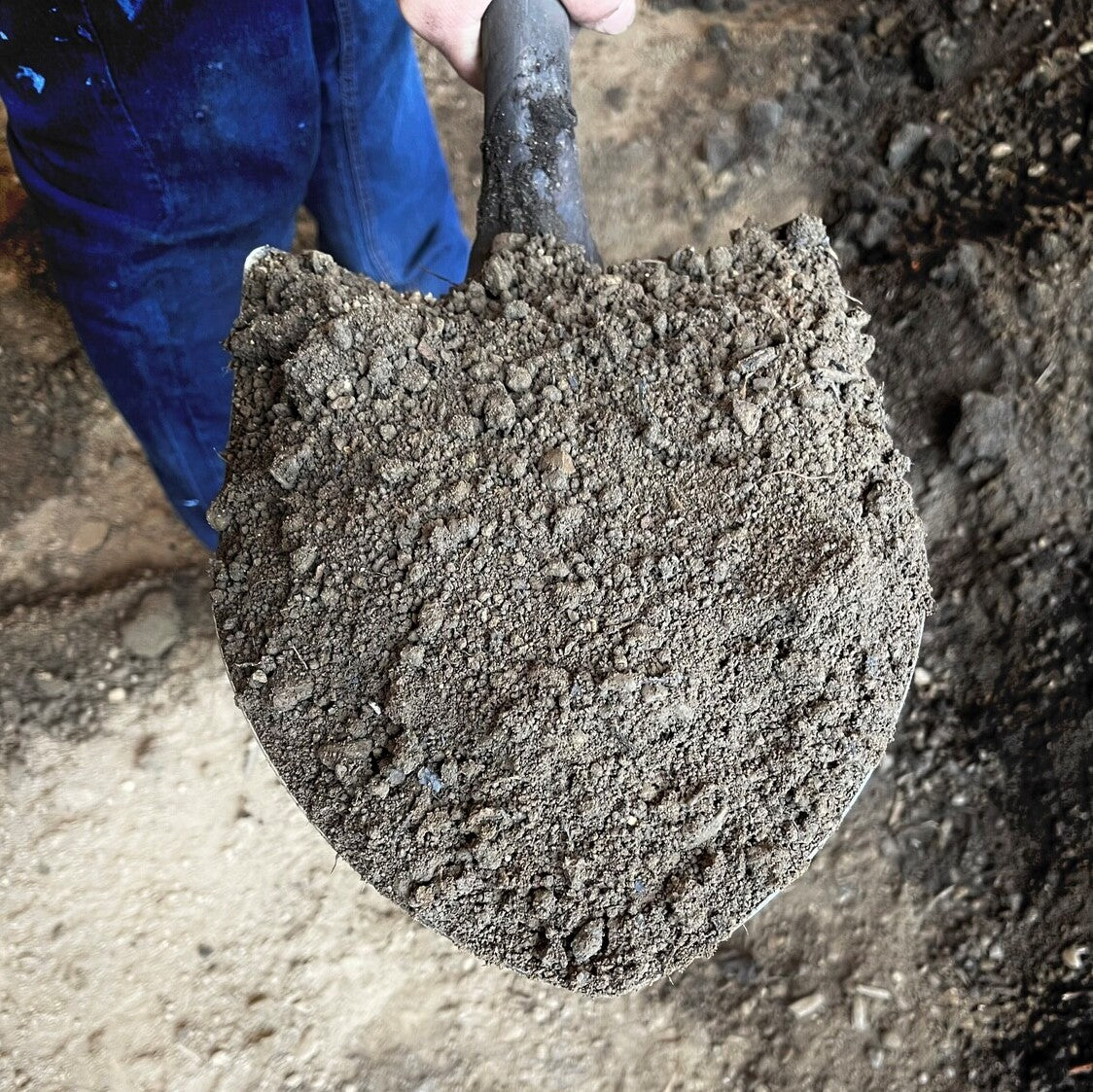
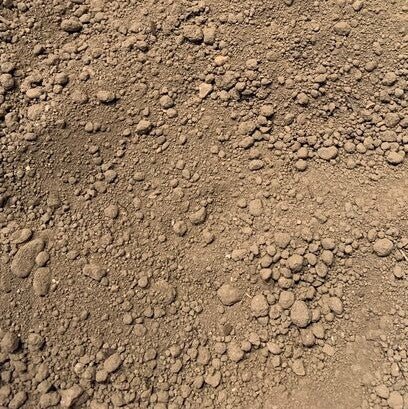
Quality topsoil for lawns, gardens, and landscape projects. Nutrient rich and ready to support strong root development and healthy plant establishment.
I used Mulch Mound to have 3 cubic yards of garden soil delivered. The process was easy and I love that I didn't have to call anyone. I placed my order online, picked my delivery date, laid out my tarp and the dirt was delivered. My delivery had to be pushed back, but I was ke...
Tell us what you're looking for
Thanks! We received your request.
Something went wrong. Please try again.
How Much Material Do I Need?
For raised beds and amended garden areas in Beaumont, plan for at least 10 to 12 inches of quality soil to give plant roots room to grow above the native clay. For lawn leveling and top dressing in Beaumont yards, a 1 to 2 inch layer of topsoil spread evenly over the graded area is typically sufficient.
Use our free soil calculator
What is a yard?
A yard is approximately 27 cubic feet. As a general guideline, one yard of material can cover an area of about 100-160 square feet at a 2-3 inch depth.
We can't take orders for this right now. Tell us what you need and we'll get back to you.
What do you need?
Thanks! We received your request.
Something went wrong. Please try again.
Hand-picked local yards
4,000+ regional deliveries
Dedicated support
Why order through Mulch Mound
The best local soil, without the guesswork.
We hand-pick and partner with the best yards in your region, keep only the ones our buyers rate well, and back each load with our guarantee.
Mulch Mound Guarantee
If your soil isn't the quantity or quality you ordered, we'll make it right.
About this soil
Quality topsoil for lawns, gardens, and landscape projects. Nutrient rich and ready to support strong root development and healthy plant establishment.
I used Mulch Mound to have 3 cubic yards of garden soil delivered. The process was easy and I love that I didn't have to call anyone. I placed my order online, picked my delivery date, laid out my tarp and the dirt was delivered. My delivery had to be pushed back, but I was ke...
How Much Material Do I Need?
For raised beds and amended garden areas in Beaumont, plan for at least 10 to 12 inches of quality soil to give plant roots room to grow above the native clay. For lawn leveling and top dressing in Beaumont yards, a 1 to 2 inch layer of topsoil spread evenly over the graded area is typically sufficient.
Use our free soil calculator
What is a yard?
A yard is approximately 27 cubic feet. As a general guideline, one yard of material can cover an area of about 100-160 square feet at a 2-3 inch depth.
I used Mulch Mound to have 3 cubic yards of garden soil delivered. The process was easy and I love that I didn't have to call anyone. I placed my o...
Read full review
I used Mulch Mound to have 3 cubic yards of garden soil delivered. The process was easy and I love that I didn't have to call anyone. I placed my order online, picked my delivery date, laid out my tarp and the dirt was delivered. My delivery had to be pushed back, but I was kept informed via text, which was great. So why not 5 stars? The description of garden soil on the website is "A balanced mix of topsoil and organic amendments ready for raised beds, flower gardens, and new planting areas. Good drainage, solid nutrients, easy to work with." What I got was more like fill dirt. It had a lot of gravel, a lot of clay, and random trash mixed in. I didn't test the soil to see if it actually had "amendments" because I already have compost and alpaca manure ready to add, but if I'd known the quality of the dirt was going to be the same as the bagged dirt I bought last year, I probably would have gotten 2 yards of top soil and a yard of leaf compost for better quality, especially since the leaf compost is cheaper. Photo of my mountain of dirt and just some of the trash I found in it.
To calculate bulk soil for a flat area, multiply the length and width in feet, then multiply by the depth in feet, and divide by 27 to get cubic yards. For Beaumont raised beds, measure inside dimensions carefully since most bed frames have thick walls that reduce the actual fill volume. When filling beds in Beaumont, order about 10 to 15 percent extra because quality amended soil will settle noticeably after the first few heavy rain events.
Soil Types We Deliver in Beaumont
Getting the right soil foundation makes all the difference for lawns and gardens in this part of Southeast Texas. We deliver bulk topsoil by the yard in Beaumont, making it easy to fill raised beds, refresh tired lawns, or tackle larger grading and leveling projects. Orders arrive loose in measured cubic yard quantities so you get exactly what your project calls for.
Screened Top Soil
Our screened top soil is passed through a fine screen to remove rocks, clumps, and debris, leaving a clean, workable blend that spreads and tills easily. It is a strong fit for homeowners working against the region's naturally heavy clay base, adding a nutrient-rich layer that supports healthy root development for grass, bedding plants, and vegetable gardens.
Complete Your Outdoor Soil Project
After getting your soil in place, finish your Beaumont garden beds with a layer of hardwood mulch to protect your investment from the area's intense sun and heavy rains. Decorative stone makes an excellent low-maintenance border around new beds, helping keep bulk soil contained during Beaumont's frequent downpours.
Can I just use topsoil to fix the low spots in my Beaumont yard that collect water after rain?
Topsoil can help raise low areas, but in Beaumont it is important to use a fill that does not have too much clay content itself or the drainage problem will persist. A blended topsoil with some sandy loam or organic amendment mixed in will settle better and allow water to move through instead of pooling. After filling and grading, establishing grass over the new soil quickly helps bind everything together before Beaumont's frequent rains wash the fill back into a depression.
Answer
What kind of soil should I use for a raised vegetable bed in Beaumont?
A quality garden mix, typically a blend of topsoil, compost, and perlite or coarse sand, is ideal for raised beds in Beaumont. The goal is a loose, well-draining medium that is the opposite of the native clay underneath. With Beaumont's long growing season running from around February 19 to December 2, you will be planting multiple rounds of vegetables in the same beds, so starting with a nutrient-rich, fluffy soil mix makes a big difference in how productive your beds stay over time.
Answer
How deep should I add new soil when planting flower beds over Beaumont's clay?
For annual flower beds, adding 4 to 6 inches of quality amended soil tilled into the top of the clay gives roots a better environment to establish. For perennials and shrubs that send roots deeper, working 6 to 8 inches of amended soil into the bed before planting makes a meaningful difference. The key in Beaumont is to blend the new soil into the clay layer rather than just laying it on top, which can create a perched water table where roots stay too wet.
Answer
Is fill soil the same as topsoil? I need to build up a section of my Beaumont lawn.
Fill soil and topsoil are different products suited to different jobs. Fill soil is used to build up grade and usually has lower organic content, while topsoil is richer in nutrients and organic matter and is better for growing grass or plants. For a Beaumont lawn repair where you are raising the grade more than a couple of inches, a layer of fill to establish the elevation followed by a couple inches of topsoil on top is the standard approach.
Answer
My Beaumont garden soil gets rock hard in summer between waterings. What can I add to fix it?
What you are experiencing is classic clay behavior in Southeast Texas heat. The long-term fix is to incorporate generous amounts of compost and organic matter into your beds each season, which gradually improves the clay structure. Bringing in a bulk load of quality amended garden soil and mixing it deeply into your existing beds is a faster way to see improvement. Covering the soil surface with mulch after amending also prevents the hard surface crust from forming by shielding clay from direct sun between rain events.
Answer
How much soil will I need to fill my new raised bed boxes?
Measure the length, width, and depth of your raised bed in feet and multiply all three numbers together to get cubic feet, then divide by 27 to convert to cubic yards. A standard 4 by 8 foot raised bed that is 12 inches deep needs about 1.2 cubic yards of soil. If you are building multiple raised beds in one go, which is common in Beaumont since the long growing season makes them very productive, ordering a slightly larger amount and having a bit left over for topping off is always a good idea.
Answer
Can I use bulk soil to level my Beaumont lawn before laying sod?
Yes, and this is one of the most common uses of bulk soil in Beaumont. After grading, a thin layer of quality topsoil broadcast across the area gives sod an immediate nutrient source and helps the roots knit down faster. Because Beaumont's clay base does not drain quickly, make sure any low areas are properly graded to direct water away from structures before the sod goes down. Getting the grade right before laying sod is much easier than trying to correct drainage problems after the lawn is established.
Mulch Mound Pro Tip
In Beaumont, the window between the last frost around February 19 and the first intense heat of late May is the best time to build and fill new raised beds. Soil that has a chance to settle and receive a few natural rain events before you plant tends to compact to a more stable density, and you will not end up with beds that sink dramatically mid-season. Order your bulk soil early in February and use that lead time to build your frames before the soil arrives.
Mulch Mound Pro Tip
When placing a bulk soil delivery in a Beaumont yard, think carefully about where the pile will go relative to your clay lawn. Topsoil and garden mix sitting on Beaumont's compacted clay can lock in moisture underneath and create dead spots in your grass if left too long. Ask the driver to place the pile on a tarp or in your driveway if possible, especially during the rainy season, so you can move the material efficiently without leaving a bare, compacted footprint behind.
Mulch Mound Pro Tip
Beaumont's heavy clay subgrade can shift and settle with moisture changes, which affects graded areas and raised beds over time. When building up areas near your home's foundation, keep new soil sloped away from the structure at a rate of at least 1 inch of drop per foot for the first 6 feet. At an elevation of only 16 feet above sea level, Beaumont lots have very little natural slope to rely on, so building the right grade into your soil work from the start is critical for keeping water moving away from the house.
The Unique Landscape of Beaumont
Beaumont sits on one of the heaviest clay soil bases in Texas, a legacy of its low-lying coastal plain geography at just 16 feet above sea level. Native clay in this area holds water stubbornly, which leads to poor drainage, compaction, and nutrient lockout for garden plants and lawn grasses alike. Whether you are building a raised vegetable bed, grading a low spot that ponds after rain, or topping off a new lawn area, quality bulk soil is essential to getting results in Beaumont's challenging native ground. The city's long growing season from late February through late November gives gardeners a lot of opportunity to produce food and flowers, but only if the soil underneath is loose, fertile, and well-draining. Bringing in a quality amended topsoil or garden mix is often the fastest way to bypass the slow work of amending native clay and start growing successfully right away. Investing in good soil now pays dividends across Beaumont's entire extended warm season.