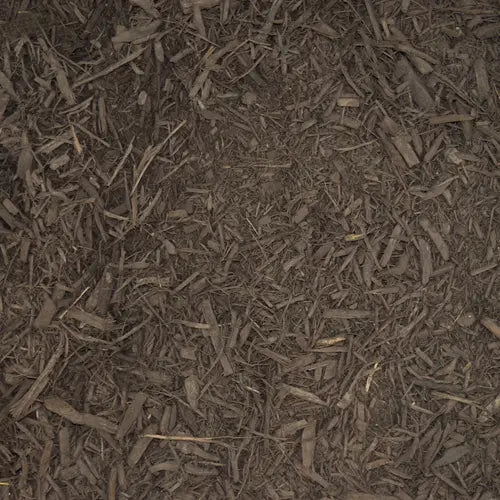
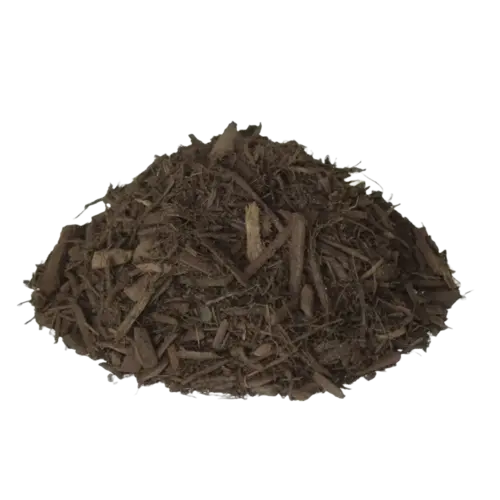
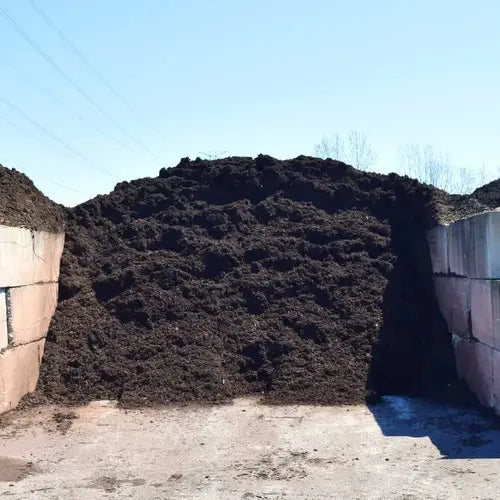
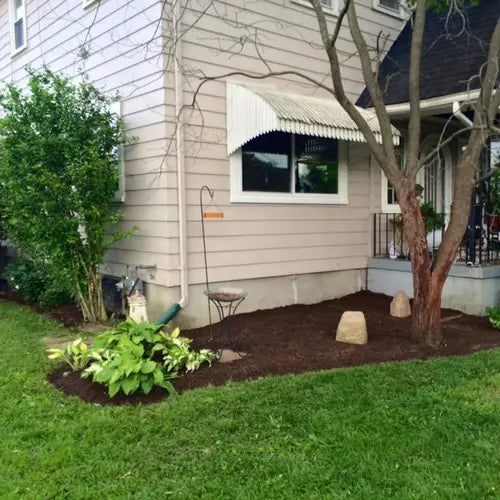
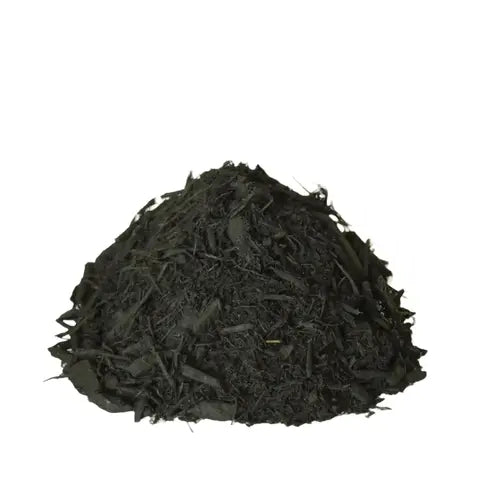
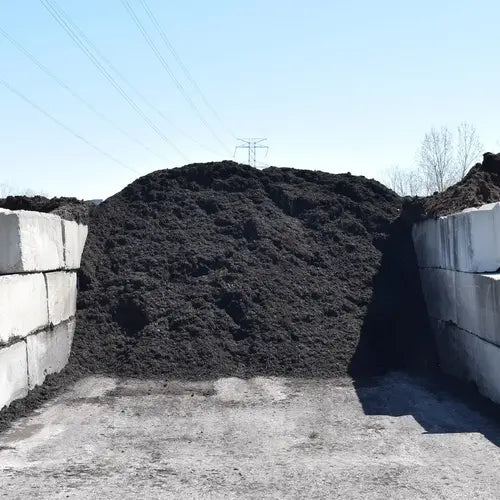
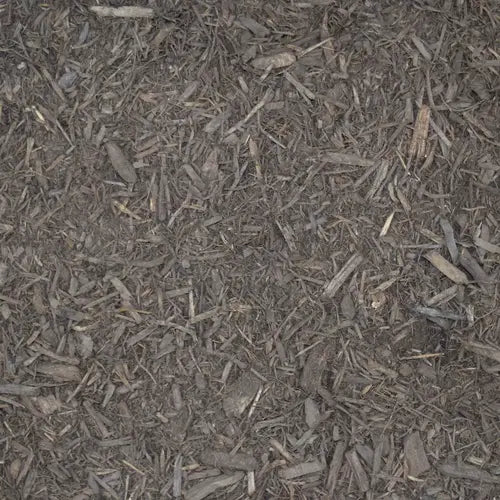
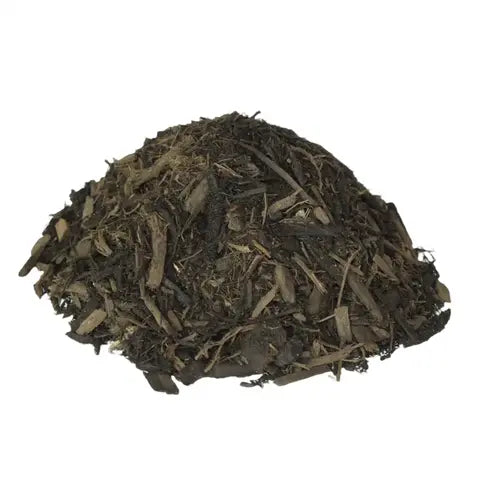
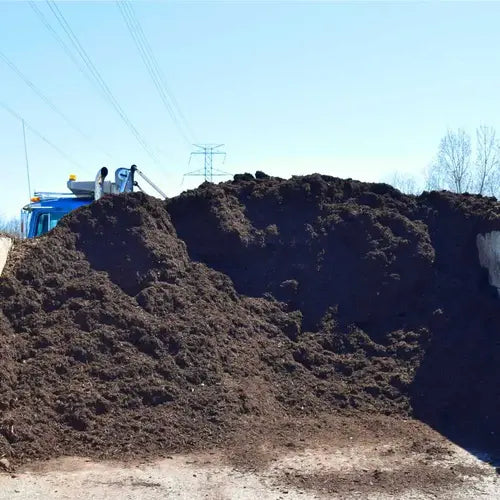
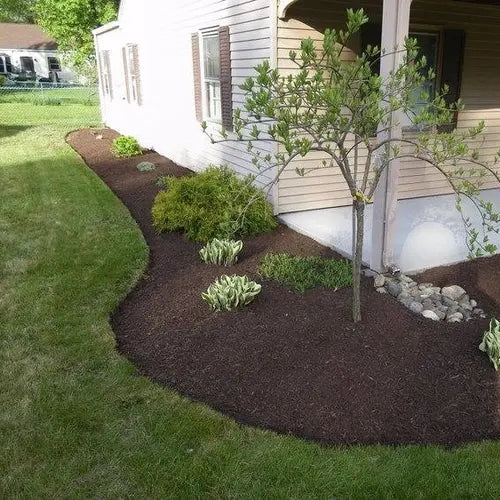
Warm brown double shredded mulch with lasting color that looks freshly applied for weeks. Spreads smooth, stays put, and gives beds a natural, polished appearance.
Mulch Mound delivered a yard of pea gravel to us. Delivery was on time, driver was friendly and hit a bullseye on the “tarp target”. We used the pea gravel (which was diameter as specified) to fill several muskrat holes around our pond. I would definitely recommend Mulch Mo...
Tell us what you're looking for
Thanks! We received your request.
Something went wrong. Please try again.
How Much Material Do I Need?
For Bellmore's sandy loam soil, a 3-inch mulch depth is the minimum recommended to achieve meaningful moisture retention and weed suppression through the growing season. Beds near mature trees may benefit from a full 4-inch layer since tree roots compete aggressively for the moisture that sandy soil releases quickly after rain.
Use our free mulch calculator
What is a yard?
A yard is approximately 27 cubic feet. As a general guideline, one yard of material can cover an area of about 100-160 square feet at a 2-3 inch depth.
We can't take orders for this right now. Tell us what you need and we'll get back to you.
What do you need?
Thanks! We received your request.
Something went wrong. Please try again.
Hand-picked local yards
4,000+ regional deliveries
Dedicated support
Why order through Mulch Mound
The best local mulch, without the guesswork.
We hand-pick and partner with the best yards in your region, keep only the ones our buyers rate well, and back each load with our guarantee.
Mulch Mound Guarantee
If your mulch isn't the quantity or quality you ordered, we'll make it right.
About this mulch
Warm brown double shredded mulch with lasting color that looks freshly applied for weeks. Spreads smooth, stays put, and gives beds a natural, polished appearance.
Mulch Mound delivered a yard of pea gravel to us. Delivery was on time, driver was friendly and hit a bullseye on the “tarp target”. We used the pea gravel (which was diameter as specified) to fill several muskrat holes around our pond. I would definitely recommend Mulch Mo...
How Much Material Do I Need?
For Bellmore's sandy loam soil, a 3-inch mulch depth is the minimum recommended to achieve meaningful moisture retention and weed suppression through the growing season. Beds near mature trees may benefit from a full 4-inch layer since tree roots compete aggressively for the moisture that sandy soil releases quickly after rain.
Use our free mulch calculator
What is a yard?
A yard is approximately 27 cubic feet. As a general guideline, one yard of material can cover an area of about 100-160 square feet at a 2-3 inch depth.
Mulch Mound delivered a yard of pea gravel to us. Delivery was on time, driver was friendly and hit a bullseye on the “tarp target”. We used the ...
Read full review
Mulch Mound delivered a yard of pea gravel to us. Delivery was on time, driver was friendly and hit a bullseye on the “tarp target”. We used the pea gravel (which was diameter as specified) to fill several muskrat holes around our pond. I would definitely recommend Mulch Mound to a friend!
I can’t say enough good things about Mulch Mound! If you read my review below you will see I had a problem with my order. Mulch Mou...
Read full review
UPDATE!
I can’t say enough good things about Mulch Mound! If you read my review below you will see I had a problem with my order. Mulch Mound was quick to respond and solved the issue with my delivery. Will definitely be a customer next year.
First time purchase from Mulch Mound!! First what I liked! Easy to order online and straight forward pricing and delivery. The driver was on time and courteous and delivered my Mulch exactly where I requested! The product is of good quality and comparable to others I have purchased from before. Now what I DID’NT LIKE! I have been mulching the same house and yard for almost 20 years. I always order the same amount and don’t have any issues with covering the same area but this year I fell about a yard short. I was home when the mulch was delivered and when the driver dumped it I noticed that it seemed a bit less than I was used to. I didn’t apply it any thicker than usual and probably a bit thinner than usual because I was worried about running out.
To estimate mulch for your Bellmore yard, measure each bed's length and width in feet and multiply to get square footage. Bellmore's fast-draining sandy loam benefits from a full 3-inch application depth, so divide your total square footage by 108 to convert directly to cubic yards. It is always worth adding 10 percent to your estimate to account for uneven terrain, thick border areas, and natural settling after the first few rain events.
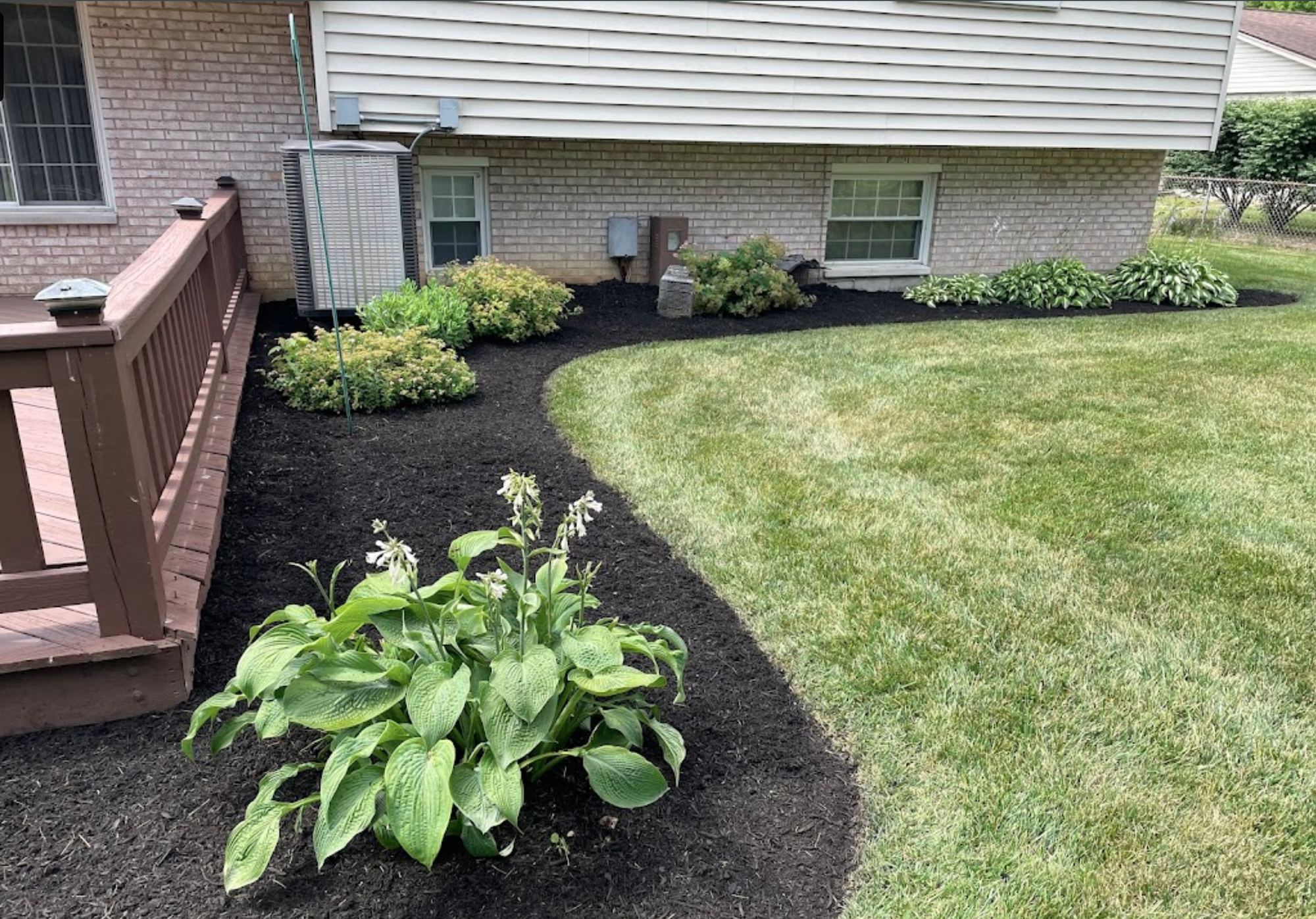
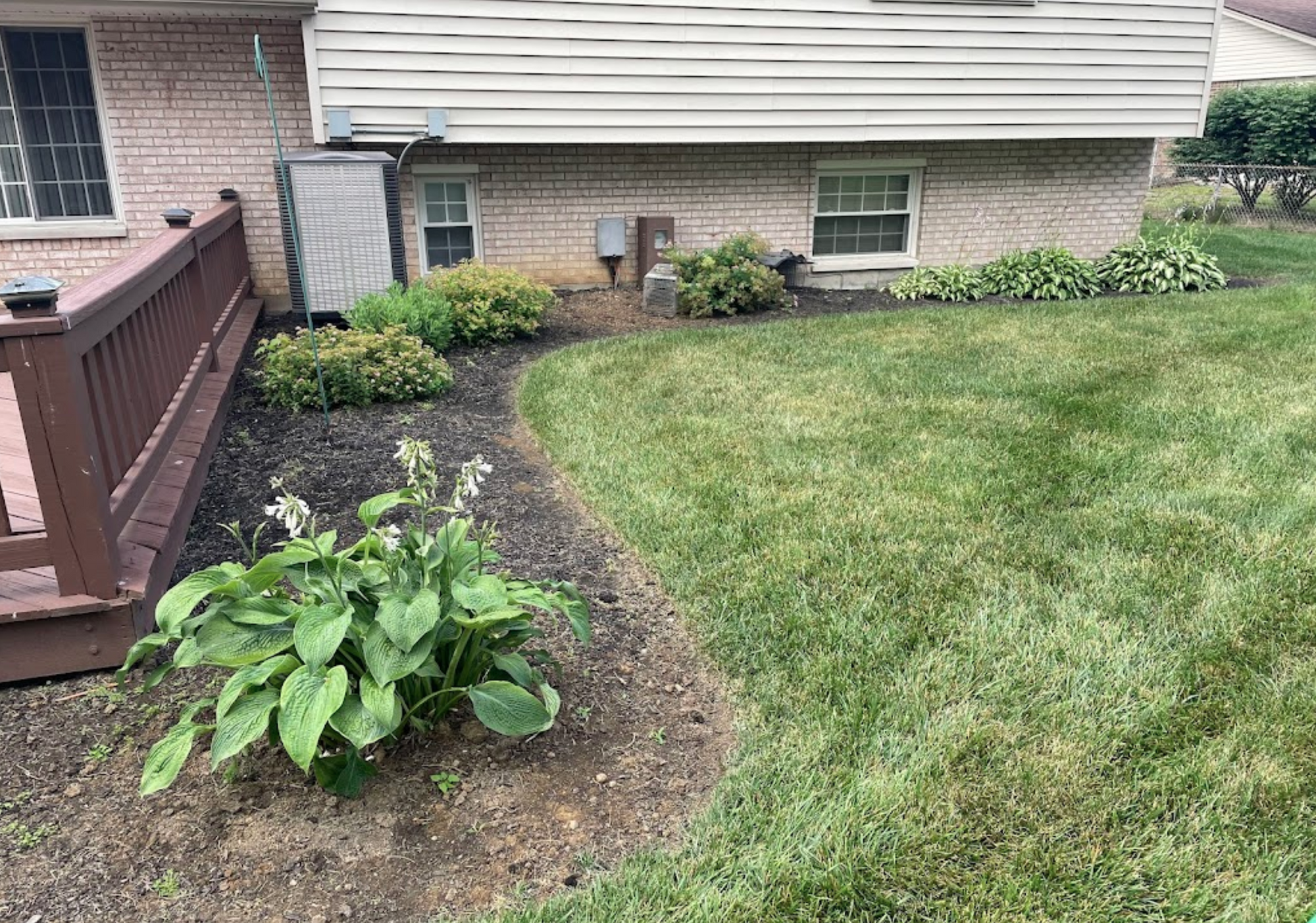
Mulch vs. No Mulch: The Difference
Bellmore's warm zone 7b summers accelerate the breakdown of natural mulches, which is a genuine advantage for sandy loam soil that benefits enormously from continuous organic matter input as the season progresses. Dyed mulches use colorants to slow the visual fading that comes with Long Island's combination of strong sun and regular rainfall, giving beds a more consistent appearance from spring through fall. The choice between natural and dyed often comes down to whether you prioritize long-term soil improvement or consistent visual color in your Bellmore landscape design.
Before
After
Best Mulch Choice for Bellmore Lawns
Most yards in the Bellmore area sit on Sandy Loam type of soil. Bellmore's sandy loam soil has a naturally low organic matter content, which means plant beds can feel thin and nutrient-poor without regular amendment throughout the growing season. Mulch is one of the easiest ways to address this passively, quietly adding nutrients back into the soil as it decomposes through the warm months.
Hardwood Mulch
Hardwood mulch is especially well-suited to Bellmore's sandy loam because it breaks down into fine humus that binds with sand particles and gradually improves water-holding capacity at the surface. Each annual application builds the soil structure that sandy loam naturally lacks, turning a simple mulching routine into a long-term investment in the health and productivity of your landscape beds.
Mulch Types We Deliver in Bellmore
When you need bulk mulch delivery in Bellmore, ordering by the cubic yard is the most practical way to cover garden beds, borders, and tree rings in a single haul. We carry a selection of types suited to the warm, humid summers and wet winters that come with living near the coast.
Dyed Black Mulch
Bold black double shredded mulch creates a clean, modern contrast against the light siding and brick fronts common on Long Island homes. The color holds firm through hot, humid summers, the texture spreads smoothly over sandy soil, and beds look freshly done for weeks after application.
Dyed Brown Mulch
Warm brown double shredded mulch blends naturally with the earthy tones of traditional coastal landscapes. The color stays polished and fresh-looking through wet spring weather, the texture spreads smooth, and finished beds take on the tidy, maintained appearance that suits established foundation plantings throughout the region.
Natural Brown Mulch
Available in double shredded or triple shredded styles, natural brown mulch skips the dye entirely and lets the wood's own warm tone do the work. The triple shredded option breaks down faster, improving the sandy, fast-draining soil common here, while double shredded holds its shape longer through wet seasons.
Complete Your Outdoor Mulch Project
If your beds need a nutrient boost before mulching, pairing bulk topsoil or garden mix with your mulch order gives Bellmore's sandy loam the organic foundation it needs to support healthy plantings. Decorative stone borders along bed edges also help contain mulch during the heavy rain events common on Long Island while adding a clean, finished look to your landscape.
In Bellmore, sandy loam soil dries out faster than most homeowners expect, even in spring when rain is relatively frequent. Before laying mulch, water your beds deeply so the soil is moist all the way through. Mulching over dry sandy loam essentially seals in a moisture deficit, and your plants will struggle until a significant rain event catches up. Starting with well-hydrated soil lets the mulch work immediately to hold that moisture in place right from the first day of application.
Mulch Mound Pro Tip
Bellmore's growing season runs roughly from April 7 to November 15, giving you about seven months of active plant growth. Timing your mulch application about two weeks after the last frost date lets the soil warm up naturally first, which benefits root development in perennials and newly planted shrubs. Mulching too early in April can delay that critical soil warming by insulating the ground against spring sun. Once soil temperature is consistently above 50 degrees, lay your mulch and let it do its job through the long warm season ahead.
Mulch Mound Pro Tip
With 46 inches of annual rainfall distributed across Bellmore's seasons, standing water in mulched beds can become an issue if material is piled against plant stems or structures. Keep mulch pulled back an inch or two from the base of shrubs and tree trunks to allow airflow and prevent crown rot, which is a real risk in the warm, wet conditions that Long Island summers regularly bring. Flat, evenly spread mulch channels excess rain away from root crowns rather than concentrating moisture against the most vulnerable part of the plant.
Frequently Asked Questions
Click a question to see the answer
Answer
How much mulch do I need for my Bellmore garden beds?
A good rule of thumb for Bellmore properties is to aim for a 3-inch layer over your beds. Sandy loam loses moisture fast, so that depth gives you meaningful retention without smothering roots. Measure the square footage of each bed, multiply by 0.25 feet, and divide by 27 to get the cubic yards you need.
Answer
Will mulch actually help with the dry spells we get during Bellmore summers?
While Bellmore receives about 46 inches of rain annually, that moisture does not distribute evenly across the season, and sandy loam drains it quickly once it does fall. A 3-inch mulch layer can cut surface evaporation significantly, helping plants bridge those dry stretches between rain events without constant supplemental watering from a hose.
Answer
When should I apply mulch in Bellmore to get the most out of it?
The best time is right after the last frost, which typically falls around April 7 in Bellmore. Applying mulch then locks in soil warmth from spring rains, suppresses early weed flushes, and gets your beds looking clean for the growing season ahead. A light refresh before November 15 also helps insulate root zones as the growing season closes.
Answer
Does natural mulch break down too quickly in Bellmore's climate?
In Bellmore's warm, humid growing season, organic mulch does break down at a steady pace, but that is actually a benefit for sandy loam soil. The decomposition adds organic matter and slow-release nutrients that this soil type naturally lacks. Plan on refreshing your mulch layer once a year, typically in spring, to maintain both appearance and function throughout the season.
Answer
Is dyed mulch safe for my vegetable garden in Bellmore?
Most dyed mulches use colorfast carbon-based pigments that are broadly considered safe, but for edible gardens it is generally recommended to stick with natural hardwood or wood chip mulch. In Bellmore's zone 7b growing conditions, natural mulch breaks down into beneficial organic material that directly improves your vegetable bed soil as the season progresses.
Answer
How do I keep mulch from washing away during heavy rainstorms here in Bellmore?
Bellmore can see heavy rainfall events that push mulch off sloped beds and down into lawn areas. Keeping your mulch layer at 3 inches rather than piling it deeper reduces the surface mass that catches runoff. Installing a steel or plastic bed edging along the downslope side of beds helps contain the material, and coarser shredded hardwood tends to knit together and resist movement better than fine bark in these conditions.
Answer
What is the difference between hardwood and softwood mulch for Bellmore landscapes?
Hardwood mulch, made from deciduous trees, breaks down more slowly and adds more long-term organic matter to Bellmore's sandy loam as it decomposes. Softwood mulch, often pine-based, breaks down faster and can slightly acidify the soil over time, which works well for acid-loving plants like azaleas and blueberries that thrive in zone 7b. For general landscape beds throughout Bellmore, hardwood is the more versatile and widely applicable choice.
The Unique Landscape of Bellmore
Bellmore's sandy loam soil is naturally fast-draining, which means plant beds dry out quickly even after Long Island's frequent summer rain events. Without a proper mulch layer, that surface moisture escapes within days, stressing roots and forcing more frequent irrigation. The area's warm, humid summers also accelerate weed germination in bare soil, making suppression critical from late April through October. Mulch acts as a buffer against the wide temperature swings Bellmore sees between its last frost around April 7 and the intense heat of July, keeping root zones cooler and more stable throughout the growing season. As organic mulches break down through Bellmore's long season, they add the humus content that sandy loam naturally lacks, gradually improving soil structure and fertility year after year.