




Very happy with the ease of ordering. Delivery went exactly as planned. Garden soil looks great and couldn’t be happier.
About this soil
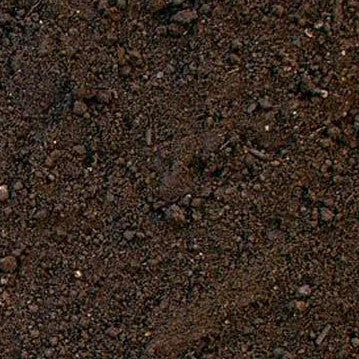
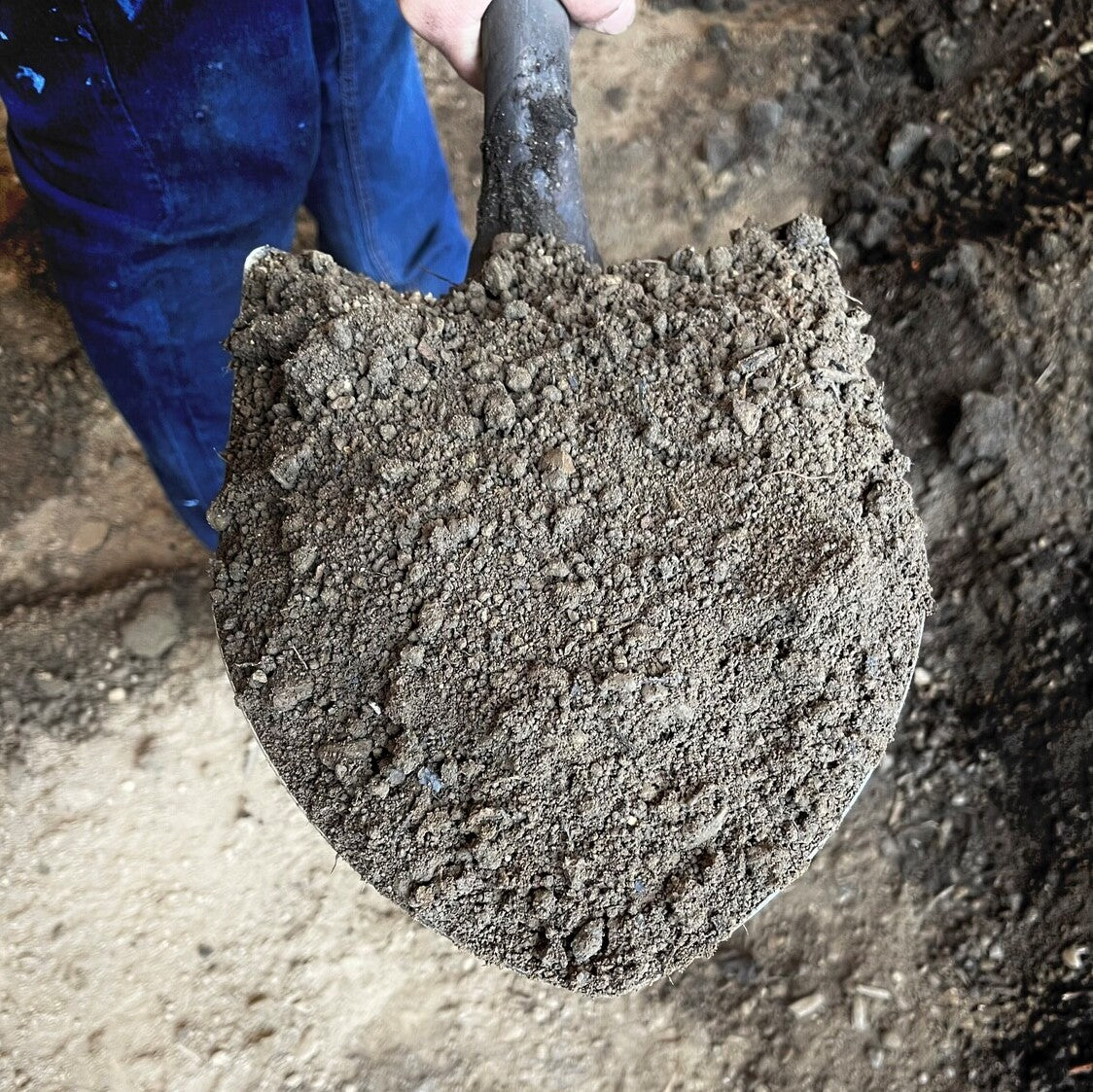
Quality topsoil for lawns, gardens, and landscape projects. Nutrient rich and ready to support strong root development and healthy plant establishment.
Very happy with the ease of ordering. Delivery went exactly as planned. Garden soil looks great and couldn’t be happier.
Tell us what you're looking for
Thanks! We received your request.
Something went wrong. Please try again.
How Much Material Do I Need?
How Much Material Do I Need?
For new planting beds or lawn areas in Bellmore, a minimum of 4 to 6 inches of quality topsoil over the existing sandy loam gives roots enough depth to establish before hitting the fast-draining native layer below. Raised vegetable beds perform best with at least 12 inches of amended soil mix, especially through Bellmore's long, warm summer growing season when consistent moisture availability makes the difference between a productive and struggling crop.
Use our free soil calculator
What is a yard?
What is a yard?
FAQs
FAQs
Bellmore Soil Delivery
Bellmore Soil Delivery
Regular price
$64.00
per
yard
Regular price
Sale price
$64.00
Unit price
per
Shipping calculated at checkout.
Minimum of 3 yard
Couldn't load pickup availability
Not currently available
We can't take orders for this right now. Tell us what you need and we'll get back to you.
Hand-picked local yards
4,000+ regional deliveries
Dedicated support
Why order through Mulch Mound
The best local soil, without the guesswork.
We hand-pick and partner with the best yards in your region, keep only the ones our buyers rate well, and back each load with our guarantee.
Mulch Mound Guarantee
If your soil isn't the quantity or quality you ordered, we'll make it right.
About this soil
Quality topsoil for lawns, gardens, and landscape projects. Nutrient rich and ready to support strong root development and healthy plant establishment.
Very happy with the ease of ordering. Delivery went exactly as planned. Garden soil looks great and couldn’t be happier.
How Much Material Do I Need?
How Much Material Do I Need?
For new planting beds or lawn areas in Bellmore, a minimum of 4 to 6 inches of quality topsoil over the existing sandy loam gives roots enough depth to establish before hitting the fast-draining native layer below. Raised vegetable beds perform best with at least 12 inches of amended soil mix, especially through Bellmore's long, warm summer growing season when consistent moisture availability makes the difference between a productive and struggling crop.
Use our free soil calculator
What is a yard?
What is a yard?
FAQs
FAQs
Tell us what you're looking for
Thanks! We received your request.
Something went wrong. Please try again.
How It Works
Getting started is easy — just follow these simple steps
1
Choose your soil
Make sure you adjust the quantity to your home's needs. You can use our calculator to estimate how much you'll need.
2
Select your delivery date
Select a delivery date you'd like for the product to be dropped off at your home
3
Sit back and wait
Sit back, wait, and let us work our magic to make sure the highest quality product is delivered to your driveway.

Really appreciate the care and follow thru that this company had with our order. A hiccup came up but they were quick to respond and address all co...
Read full review
Really appreciate the care and follow thru that this company had with our order. A hiccup came up but they were quick to respond and address all concerns, which made our garden day a success! Thank you for your prompt care.

Highest compliments. Great driver.
Website is easy to navigate. Just a seamless process. 5 stars!!
Need Help Calculating How Much Soil You Need?
Use our NEW Trace from Satellite tool to get an estimate for your project based on an aerial view of your property
Try Our CalculatorFor Bellmore soil projects, measure each area carefully in feet and use the formula length times width times depth in feet, then divide by 27 to get cubic yards. Bellmore's sandy loam base tends to compact somewhat under the weight of new soil, so adding 10 to 15 percent to your calculated volume helps ensure you have enough to finish the job at the right depth without placing a second order. For raised beds, always measure interior dimensions for an accurate fill volume.
Soil Types We Deliver in Bellmore
Mulch Mound offers bulk soil delivery by the cubic yard to homes and landscapes across Long Island, and searching for bulk topsoil by the yard in Bellmore brings you to the right place. We carry screened top soil, compost, and blended mixes suited to the sandy native soils and active growing seasons typical of this coastal New York community. Orders are delivered fresh and measured by the yard so you get exactly what your project needs.
Screened Top Soil
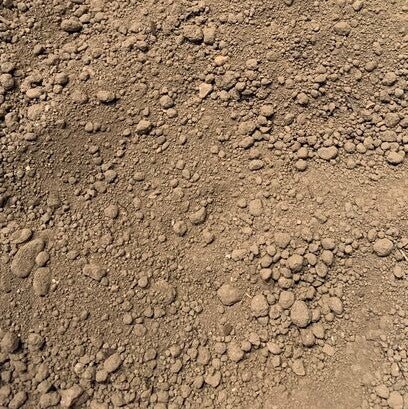
Screened top soil is the most versatile bulk soil we carry, suited for new lawn installations, grade corrections, and bed preparation common to suburban Long Island properties. The screened finish removes debris and clumps, leaving a fine, workable texture that settles evenly and supports healthy root development from the start.
Garden Compost
Rich in organic matter and screened to a consistent texture, our standard garden compost is ideal for homeowners who want to build up depleted or sandy soil before planting. It feeds beds over time, improves moisture retention in the often dry, well-draining soils typical of this part of Long Island, and encourages vigorous plant growth.
Gardening Blend
The gardening blend combines top soil and compost into a single ready-to-use mix that takes the guesswork out of building raised beds or starting new garden plots. It is especially popular with homeowners who want something they can plant directly into without additional amendments, making it a convenient choice for the busy growing season.
Complete Your Outdoor Soil Project
Finishing your soil prep with a layer of mulch locks in the moisture that Bellmore's sandy loam would otherwise drain away quickly, protecting the investment you made in quality soil from the very first warm day. If you are also defining bed edges or adding a low-maintenance area, stone products pair naturally with fresh soil and mulch to give your Bellmore yard a complete and polished finished appearance.


Service area
Areas we deliver soil in Bellmore, New York
Mulch Mound Pro Tip
When topdressing a Bellmore lawn over sandy loam, resist the temptation to apply a thick layer all at once hoping to speed up results. Bellmore's native soil is porous enough that a half-inch topdress layer filters down and blends well, but anything much deeper risks sitting on top of the grass canopy rather than integrating with the root zone. Work in thin passes, rake lightly to work the soil into the turf, and water it in thoroughly after each application. Repeating this process over two or three seasons builds a far healthier lawn profile than one heavy-handed application.
Mulch Mound Pro Tip
For raised vegetable beds in Bellmore, think carefully about what you want to grow across the full April-through-November growing season before choosing your soil blend. Heat-loving crops like tomatoes, peppers, and squash need a well-draining mix that warms quickly in spring to get a productive start. Leafy greens and root vegetables prefer a mix with higher moisture retention to stay consistent through summer. A blended garden soil with added compost is the most versatile choice for Bellmore gardeners who want to rotate multiple crop types through a single growing season.
Mulch Mound Pro Tip
Bellmore sits at just 20 feet of elevation with relatively flat terrain, which means poor grading around foundations and lawn edges directs water toward structures rather than away from them during rain events. When bringing in bulk soil for regrading, pitch the grade away from your home at a rate of about 6 inches of drop over the first 10 feet from the foundation. Bellmore's frequent and sometimes heavy rain events make this a meaningful water management decision, not just a cosmetic landscaping one.
The Unique Landscape of Bellmore
Bellmore's native sandy loam is excellent for drainage but falls short when it comes to supporting lush lawns, productive raised vegetable beds, or new landscape installations that demand a more nutrient-rich and moisture-retentive growing medium. Homeowners who skip the step of bringing in quality bulk soil often find their grass thin and patchy, their gardens underperforming through summer, and their new plantings slow to establish in the lean native profile. The flat topography of Bellmore at just 20 feet of elevation also means low spots in lawns collect water after heavy rain events, and topdressing with the right soil mix levels these areas while improving surface drainage. With a growing season stretching from last frost around April 7 to first frost around November 15, investing in proper soil preparation pays dividends across the full seven-month active growing window. Whether you are building raised beds, grading a new lawn area, or refreshing planting beds depleted by years of fast-draining sandy loam, bulk soil delivery makes it practical to bring in the volume needed to do the job correctly the first time.