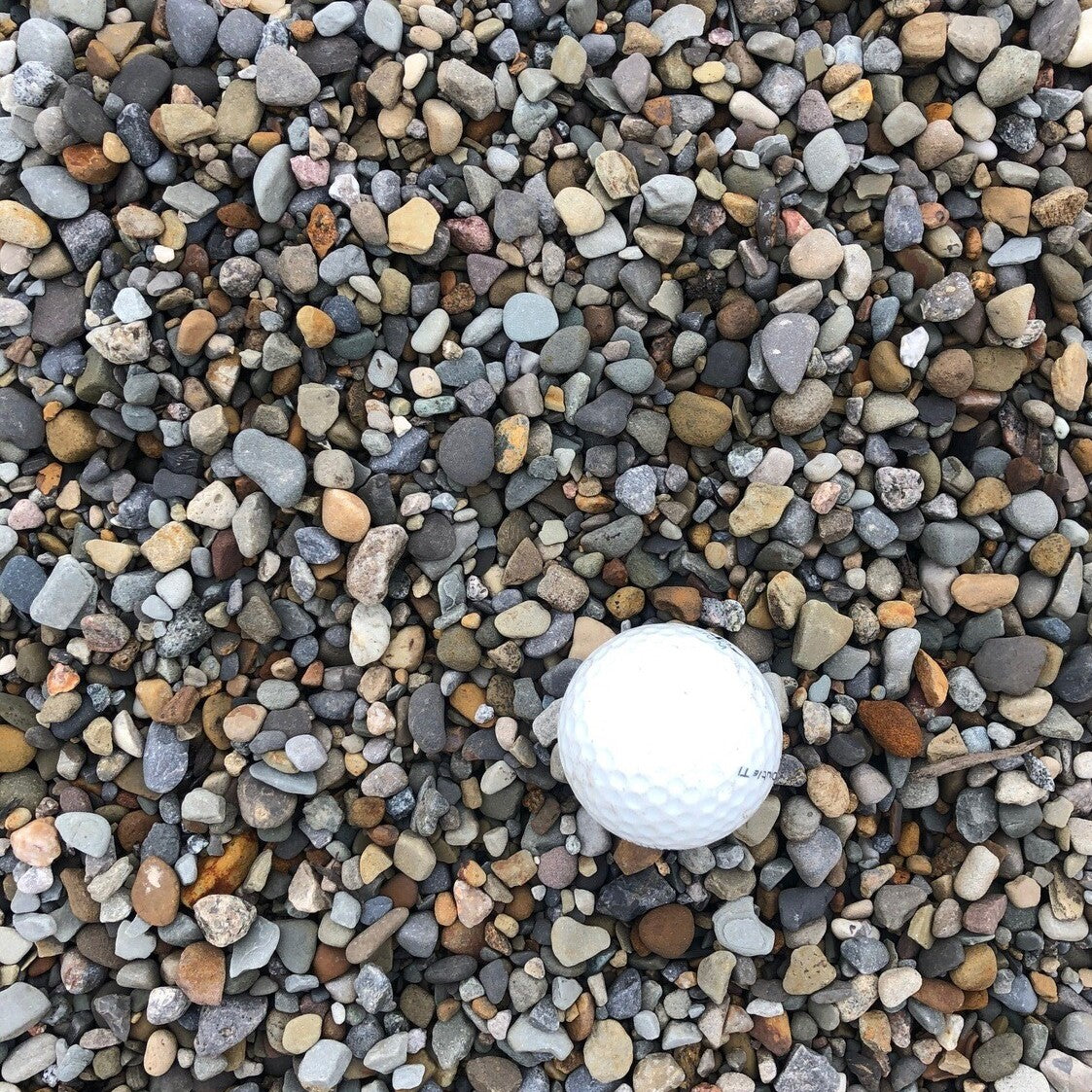
Classic pea gravel with smooth, rounded edges and natural earth tones. A versatile favorite for pathways, patios, drainage, and decorative ground cover.
My experience with Mulch Mound was great and super easy. I ordered two yards of screened topsoil and was able to get it delivered within 2 days. They came in my requested time frame (afternoon) and dropped it off where I asked on my driveway. The topsoil was exactly what was a...
Classic pea gravel with smooth, rounded edges and natural earth tones. A versatile favorite for pathways, patios, drainage, and decorative ground cover.
My experience with Mulch Mound was great and super easy. I ordered two yards of screened topsoil and was able to get it delivered within 2 days. They came in my requested time frame (afternoon) and dropped it off where I asked on my driveway. The topsoil was exactly what was a...
How Much Material Do I Need?
For most Bellmore drainage and decorative stone applications, a 2 to 3 inch layer provides adequate coverage and stability over the sandy loam base while allowing surface water to move freely through the material. Pathway and patio base installations require a deeper 4-inch compacted layer to handle foot traffic and the ground movement that comes with Bellmore's seasonal freeze-thaw cycles between November and March.
Use our free stone calculator
What is a yard?
A yard is approximately 27 cubic feet. As a general guideline, one yard of material can cover an area of about 100-160 square feet at a 2-3 inch depth.
My experience with Mulch Mound was great and super easy. I ordered two yards of screened topsoil and was able to get it delivered within 2 days. Th...
Read full review
My experience with Mulch Mound was great and super easy. I ordered two yards of screened topsoil and was able to get it delivered within 2 days. They came in my requested time frame (afternoon) and dropped it off where I asked on my driveway. The topsoil was exactly what was advertised, clean with no rocks or other debris. The price was reasonable. I plan to use them again in a couple weeks to order compost for my garden beds.
To calculate stone needs for a Bellmore project, measure the area in square feet, convert your desired depth from inches to feet by dividing by 12, multiply those two numbers together to get cubic feet, and then divide by 27 for cubic yards. Bellmore's sandy loam base compacts somewhat under the weight of heavy stone over time, so ordering 10 to 15 percent above your calculated volume accounts for settling and ensures complete coverage after installation. For pathway projects, always measure the full length and width including any curves or angled sections before placing your order.
Complete Your Outdoor Stone Project
Pairing stone hardscape areas with a fresh border of mulched planting beds creates a clean visual transition that holds up through Bellmore's rainy seasons without constant maintenance. If your project involves any elevation changes or grading work, bringing in bulk fill soil to establish the right pitch before the stone goes down ensures a stable and properly drained final surface.
In Bellmore, one of the most overlooked uses for bulk stone is along downspout extensions from residential gutters. Rather than letting concentrated downspout discharge saturate the sandy loam immediately adjacent to your foundation, extending that flow into a stone-filled dry well or a gravel-lined channel directs the water away from the structure and disperses it gradually. Bellmore receives enough annual precipitation that gutter discharge is a real and consistent contributor to foundation moisture issues, and stone is the most durable and lowest-maintenance way to manage it over the long term.
Mulch Mound Pro Tip
When installing stone pathways or patio bases in Bellmore, consider laying a permeable landscape fabric beneath the stone layer to prevent the fine particles of sandy loam from migrating upward into the stone over time. Without a fabric barrier, Bellmore's sandy soil gradually works its way into crushed stone layers through rain infiltration, reducing drainage capacity and causing the surface to become uneven and unstable. A quality non-woven geotextile fabric maintains the separation between your stone and the native soil for many seasons with no additional maintenance required.
Mulch Mound Pro Tip
Bellmore homeowners who switch from organic mulch to stone in high-traffic or high-maintenance areas sometimes find it takes a full season to dial in the right stone type for their specific site conditions. Lighter pea gravel can migrate from beds onto lawns and driveways during the heavy rain events that Long Island sees regularly, creating a cleanup and safety issue along walkways. If your beds are sloped or immediately adjacent to turf, choose a heavier or more angular crushed stone that stays put reliably rather than rolling and washing with the runoff that Bellmore's 46 inches of annual rainfall is capable of producing.
The Unique Landscape of Bellmore
Stone is one of the most practical landscape materials for Bellmore homeowners because it provides durable solutions for drainage, erosion control, and low-maintenance coverage that plant-based materials simply cannot match in this coastal Long Island environment. The sandy loam soils common throughout Bellmore can shift and erode along slopes and bed edges during the heavier rain events that contribute to the area's 46 inches of annual precipitation, and stone provides permanent stabilization that organic materials are not able to offer. Along foundation borders, pathways, and drainage channels, crushed stone allows water to move freely through the profile rather than pooling at the surface, which is especially important for properties at Bellmore's low 20-foot elevation where surface drainage can be sluggish. Stone also eliminates the ongoing maintenance cycle of annual mulch replacement, making it an attractive option for areas where low upkeep is the primary goal. With zone 7b winters that bring freeze-thaw cycles from November through March, stone holds its position and appearance through conditions that cause organic materials to shift, compress, and decompose.
Frequently Asked Questions
Click a question to see the answer
Answer
What type of stone works best for a drainage swale in my Bellmore yard?
Clean crushed stone, typically a number 57 or similar graded aggregate, is the standard choice for drainage swales in Bellmore. The angular edges of crushed stone lock together while still allowing water to pass freely through the profile, which is critical for handling the runoff that Bellmore's 46 inches of annual rain can generate during concentrated storm events. River stone and pea gravel are better suited to decorative applications where drainage speed is less of a priority.
Answer
Will stone help with the erosion I see along my Bellmore garden bed edges after heavy rain?
Bellmore's sandy loam is particularly vulnerable to surface erosion during heavy downpours because the fine particles do not bind tightly once the soil becomes saturated. A 2 to 3 inch layer of crushed stone or river pebble along bed edges creates a stable buffer that absorbs the energy of falling rain and slows surface runoff before it can carry soil away into the lawn or driveway. It is one of the most durable and long-lasting erosion control solutions available for residential properties in this area.
Answer
How deep should I lay stone for a backyard pathway in Bellmore?
For a functional pathway in Bellmore, plan on a compacted base layer of 4 inches of crushed stone topped with a 1 to 2 inch finish layer of your chosen decorative stone type. Bellmore's sandy loam base is relatively stable and drains well, so you typically do not need the deep base work required in clay-heavy soils found elsewhere on Long Island. Tamping the base layer firmly before adding the finish material keeps the pathway from shifting or developing ruts under regular foot traffic.
Answer
Is stone a good option for the area around my Bellmore home's foundation?
Stone is an excellent choice for foundation borders in Bellmore. It allows rain to drain away from the foundation quickly rather than pooling against the structure, which is important given the volume of precipitation Bellmore receives annually. A 12 to 18 inch border of crushed or washed stone keeps the foundation area dry, deters burrowing insects and rodents, and eliminates the need for annual mulch replacement in a spot that can be difficult to access and maintain.
Answer
How do I choose between pea gravel and crushed stone for my Bellmore landscape project?
Pea gravel is smooth and rounded, making it comfortable underfoot and visually attractive in decorative applications like patio surrounds or dog run areas. Crushed stone has angular edges that lock together and compact firmly, making it the right choice for pathways, drainage installations, and base work beneath pavers. In Bellmore's climate, both perform well through the freeze-thaw cycles of winter, though crushed stone is significantly more resistant to displacement during the heavy rain events the area regularly sees.
Answer
How much stone do I need for a 10 by 20 foot patio base in Bellmore?
For a 10 by 20 foot area with a 4-inch crushed stone base, you need approximately 2.5 cubic yards of material. Bellmore's sandy loam provides good natural drainage beneath a patio base, which means you can often use a slightly thinner base layer than you would need over a compacted clay soil. Plan on ordering a little extra since some material will be consumed by tamping and compaction during the installation process.
Answer
Does stone help with the frost heaving I see in my Bellmore landscape each winter?
Stone itself does not heave the way saturated soil does because it drains freely and does not retain the water that expands when it freezes. In Bellmore, where temperatures can dip below freezing from November through March, replacing problem areas with crushed stone eliminates the frost heaving that regularly displaces edging, pavers, and plant material in water-retentive spots. Ensuring proper drainage beneath any stone installation is the essential step to keeping it stable and level through multiple winters.