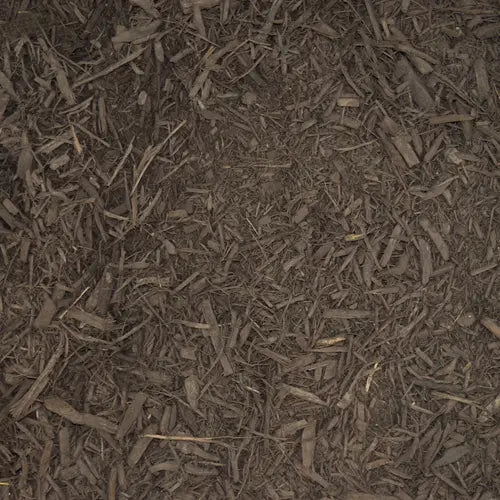
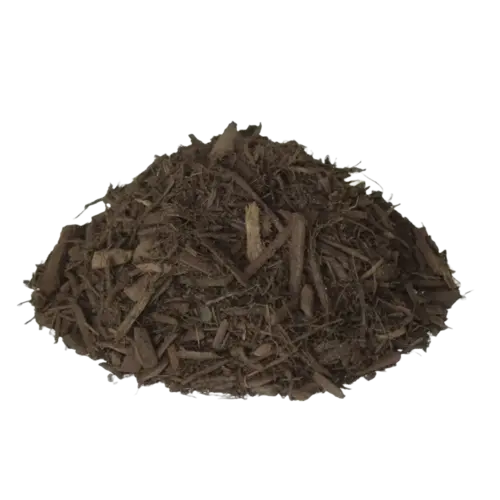
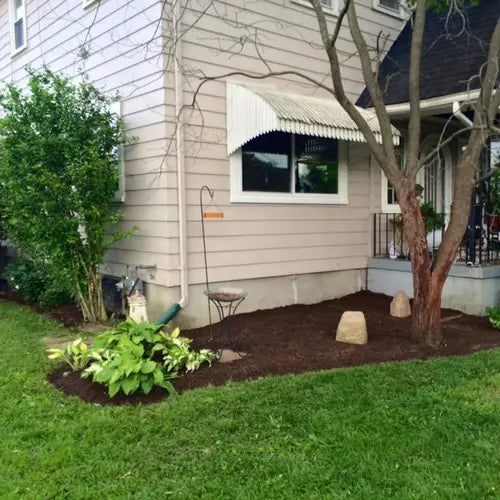
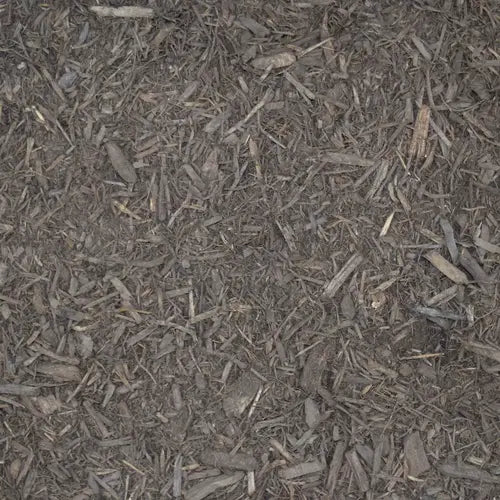
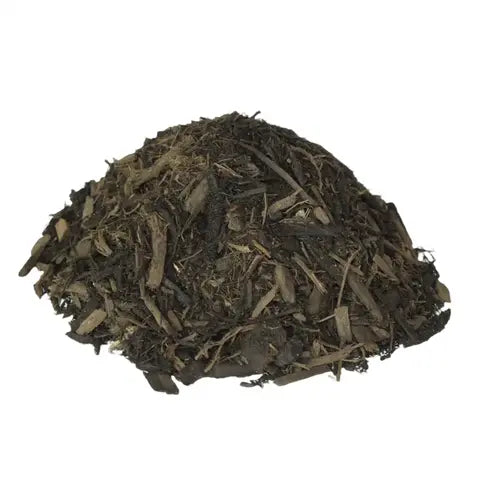
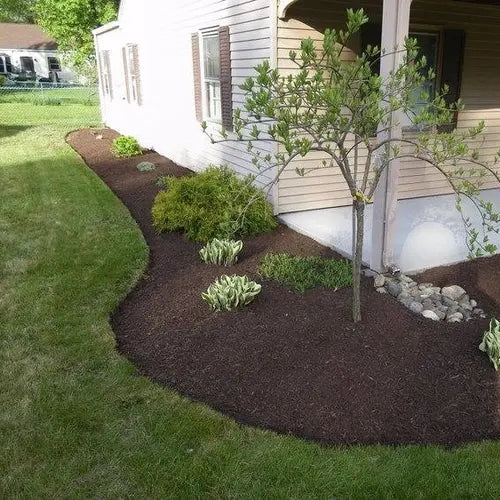
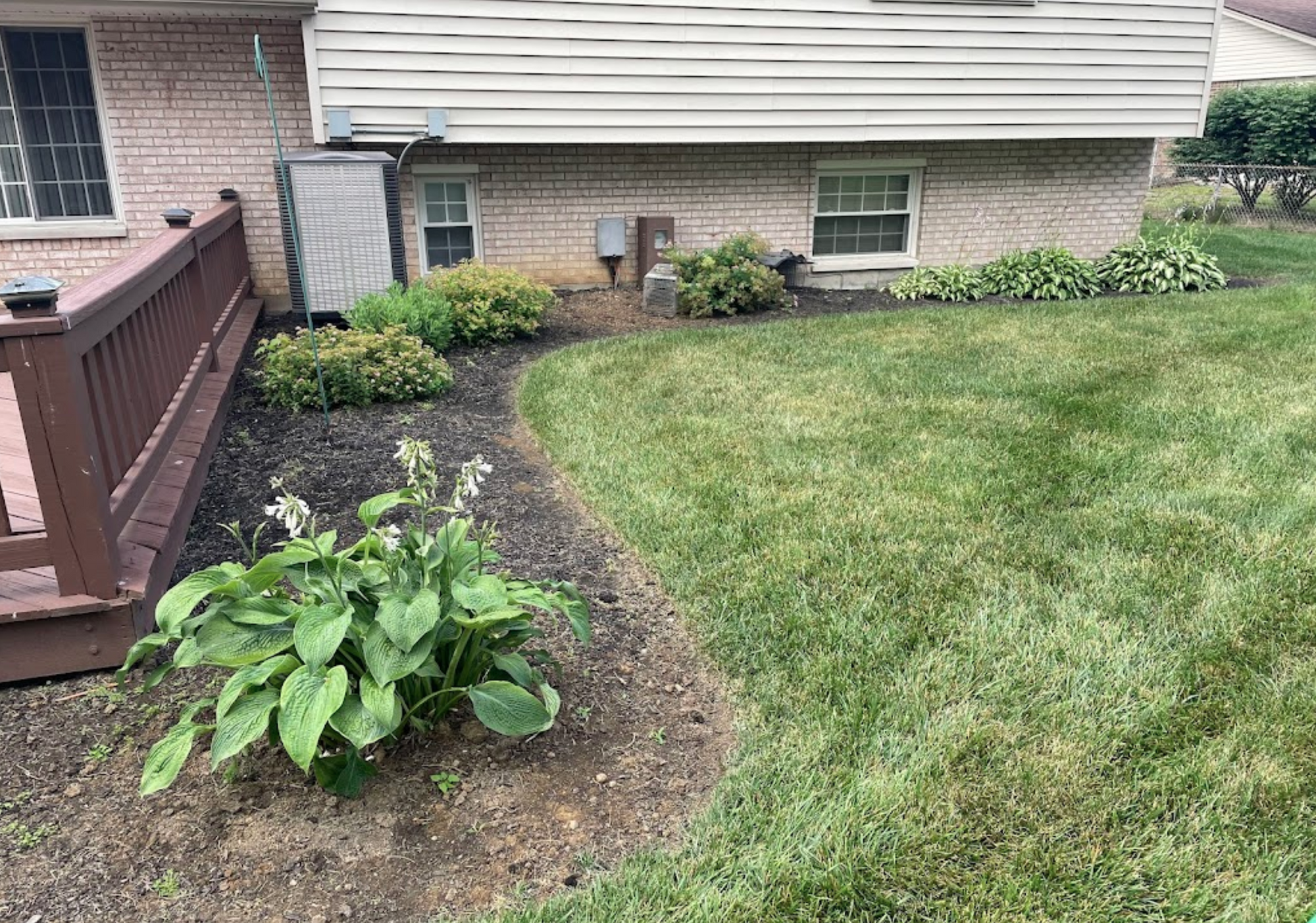
Warm brown double shredded mulch with lasting color that looks freshly applied for weeks. Spreads smooth, stays put, and gives beds a natural, polished appearance.
I couldn't be happier with the speed and quality of the mulch delivery service of Mulch Mound. Every detail from ordering, to communication with on time delivery, to perfect product placement was amazing. I needed more and I got it within 2 hours! I'm never doing this with ba...
Tell us what you're looking for
Thanks! We received your request.
Something went wrong. Please try again.
How Much Material Do I Need?
For most Bend planting beds, apply 3 to 4 inches of mulch to create an effective moisture barrier over sandy volcanic soil. Tree rings and shrub borders with established root systems can often get by with 2 to 3 inches applied out to the drip line.
Use our free mulch calculator
What is a yard?
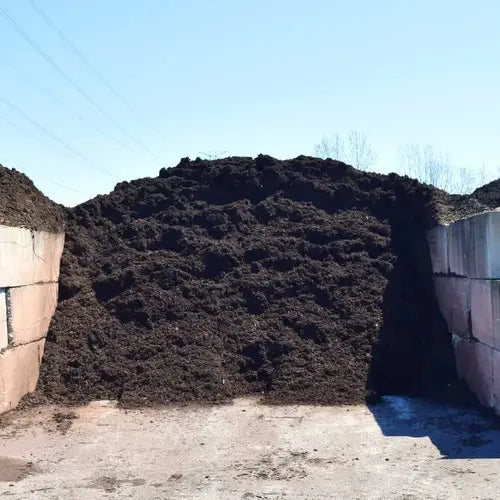
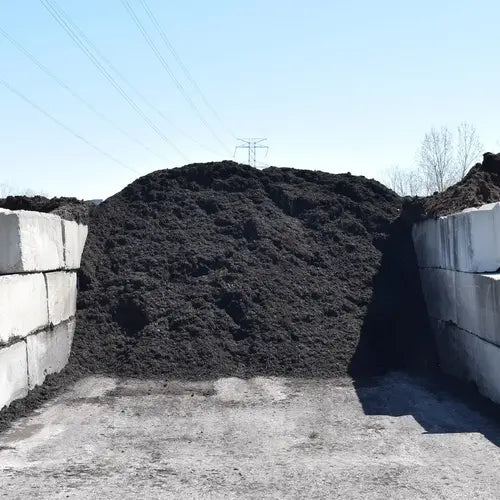
A yard is approximately 27 cubic feet. As a general guideline, one yard of material can cover an area of about 100-160 square feet at a 2-3 inch depth.
We can't take orders for this right now. Tell us what you need and we'll get back to you.
What do you need?
Thanks! We received your request.
Something went wrong. Please try again.
Hand-picked local yards
4,000+ regional deliveries
Dedicated support
Why order through Mulch Mound
The best local mulch, without the guesswork.
We hand-pick and partner with the best yards in your region, keep only the ones our buyers rate well, and back each load with our guarantee.
Mulch Mound Guarantee
If your mulch isn't the quantity or quality you ordered, we'll make it right.
About this mulch
Warm brown double shredded mulch with lasting color that looks freshly applied for weeks. Spreads smooth, stays put, and gives beds a natural, polished appearance.
I couldn't be happier with the speed and quality of the mulch delivery service of Mulch Mound. Every detail from ordering, to communication with on time delivery, to perfect product placement was amazing. I needed more and I got it within 2 hours! I'm never doing this with ba...
How Much Material Do I Need?
For most Bend planting beds, apply 3 to 4 inches of mulch to create an effective moisture barrier over sandy volcanic soil. Tree rings and shrub borders with established root systems can often get by with 2 to 3 inches applied out to the drip line.
Use our free mulch calculator
What is a yard?
A yard is approximately 27 cubic feet. As a general guideline, one yard of material can cover an area of about 100-160 square feet at a 2-3 inch depth.
I couldn't be happier with the speed and quality of the mulch delivery service of Mulch Mound. Every detail from ordering, to communication with on...
Read full review
I couldn't be happier with the speed and quality of the mulch delivery service of Mulch Mound. Every detail from ordering, to communication with on time delivery, to perfect product placement was amazing. I needed more and I got it within 2 hours! I'm never doing this with bags again.
We had a great experience today. This was our first time using Mulch Mound, and I found the price competitive and the online ordering very easy. ...
Read full review
We had a great experience today. This was our first time using Mulch Mound, and I found the price competitive and the online ordering very easy. We are impressed with the quality of the mulch, too! It is covering well - a great value!
To estimate your mulch needs, measure each bed's length and width in feet and multiply for square footage. Divide your total square footage by 108 to get the cubic yards needed for a 3 inch depth, which is our recommended starting point for Bend's fast-draining sandy volcanic soil. Adding 10 percent to your total is a smart buffer since uneven ground and rock borders common in Central Oregon landscapes can affect real-world coverage.
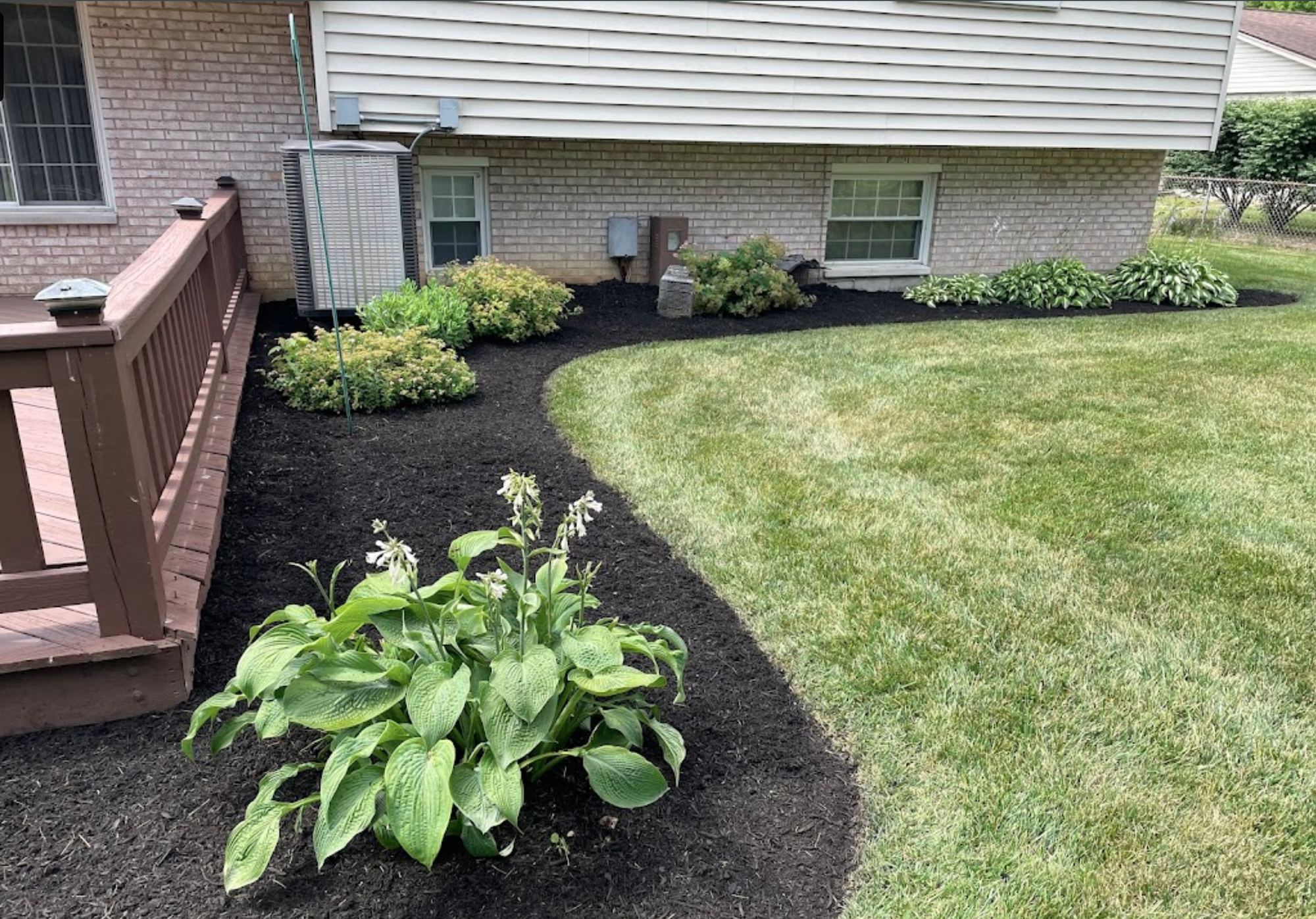
Mulch vs. No Mulch: The Difference
Bend's intense sun and dry air affect natural and dyed mulch very differently over the course of a season. Natural wood and bark mulches fade to earthy tones but continue delivering moisture retention and slow organic enrichment to sandy volcanic soil throughout the year. Dyed mulches hold their color longer in the short term and look bold against Bend's desert-toned rock and soil, but they offer minimal soil amendment value as they eventually break down.
Before
After
Best Mulch Choice for Bend Lawns
Most yards in the Bend area sit on Sandy Volcanic type of soil. Bend's sandy volcanic soil holds almost no organic matter on its own, meaning plant beds lack the moisture-retaining humus that supports healthy root development. Without a consistent mulch layer, water moves straight through the soil profile before roots can absorb it.
Hardwood Mulch
Hardwood mulch is particularly well-suited for Bend's sandy volcanic soil because it breaks down into fine organic particles that physically improve soil texture over time. As hardwood decomposes, it adds carbon and helps create small moisture-holding pockets in what is otherwise a very porous and lean native soil profile.
Mulch Types We Deliver in Bend
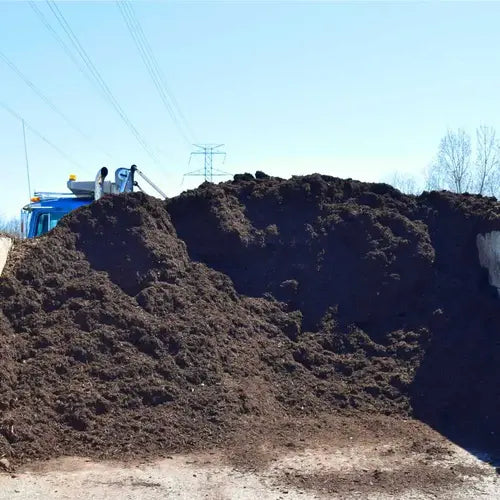
Mulch Mound makes bulk mulch delivery in Bend simple, dropping cubic yards of fresh mulch right to your driveway. Central Oregon landscapes deal with sandy volcanic soil and intense sun, and a fresh layer of mulch helps retain moisture and keep beds looking sharp through the dry season. We carry a focused selection of colors and textures to match the natural, earthy feel that suits homes and gardens across this part of the high desert.
Dyed Black Mulch
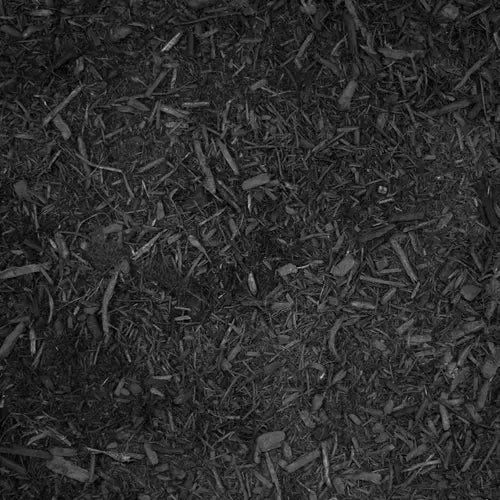
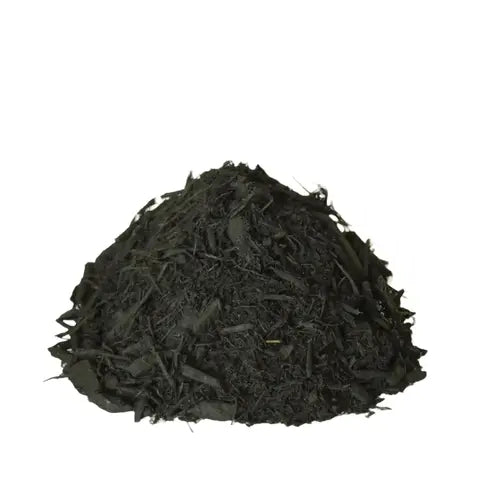
Available in double shredded style, this bold black mulch creates a striking contrast against the warm, sandy tones of central Oregon soil and stone. The deep color holds through intense summer sun and dry spells, making it a strong choice for modern home landscapes where a clean, polished look is the goal.
Dyed Brown Mulch
Delivered in double shredded style, this warm brown mulch blends naturally with the earthy, muted tones common to central Oregon gardens and native plantings. The color stays looking fresh for weeks even under strong high desert sun, making it a practical choice for homeowners who want lasting curb appeal with minimal upkeep.
Natural Brown Mulch
This undyed double shredded mulch gets its warm brown tone directly from the wood, with no added colorants. It suits the rustic, natural landscape styles popular across central Oregon and pairs well with drought-tolerant plants and volcanic rock features. A great fit for gardeners who prefer an organic, understated look.
Complete Your Outdoor Mulch Project
If your beds need organic matter before mulching, pair your order with our bulk garden soil to amend Bend's nutrient-poor sandy volcanic base. Decorative stone is also a great companion for the pathways and borders that frame your mulched planting areas.
Bend's elevation means UV exposure is significantly stronger than at sea level, which accelerates color fading in dyed mulches. If color retention matters for your curb appeal, choose a double or triple-process dyed mulch and plan to refresh your top layer before peak summer. Alternatively, natural cedar bark develops a silver-gray patina that many Central Oregon homeowners find fits the high-desert aesthetic without any extra upkeep.
Mulch Mound Pro Tip
Because Bend's last frost typically falls around June 5, resist the urge to mulch too early in spring. Applying mulch to cold soil traps that cold in place and delays the soil warming your plants need to break dormancy. Wait until daytime temperatures are consistently above 50 degrees Fahrenheit before laying fresh mulch, then build up to a full 3 to 4 inch layer for the season ahead.
Mulch Mound Pro Tip
With only 11 inches of rainfall per year in Bend, mulch placement around your drip irrigation emitters matters more than most people realize. Keep mulch from burying emitter heads, but let it surround the wetted zone so soil moisture is locked in after each irrigation cycle. This simple step can cut your summer irrigation frequency and keep your water bill lower through the driest months of July and August.
Frequently Asked Questions
Click a question to see the answer
Answer
How thick should I apply mulch in Bend given how fast our sandy volcanic soil dries out?
A 3 to 4 inch layer is ideal for Bend landscapes. Sandy volcanic soil loses moisture quickly, and thinner applications simply do not create enough of a barrier to slow evaporation between our infrequent rainfalls. Going deeper than 4 inches can prevent water from reaching roots entirely, which is counterproductive given our dry climate.
Answer
Will mulch help protect my plants from Bend's early September frosts?
Yes, mulch is one of the best defenses against Bend's unpredictable early frosts, which can arrive as soon as September 12. A thick layer insulates soil and moderates the sharp overnight temperature drops common at 3,623 feet of elevation. It won't replace a frost cloth for tender annuals, but it significantly reduces root stress and delays soil freeze in perennial beds.
Answer
Does natural wood mulch break down faster in Bend's dry climate or slower?
In Bend's arid high-desert climate, natural wood mulch breaks down more slowly than it would in wetter regions because decomposition requires consistent moisture. You can expect to top off beds every one to two years rather than every season. That said, the small amount of organic matter that does break down is genuinely valuable since Bend's sandy volcanic soil has very little native organic content.
Answer
Is dyed mulch safe for my vegetable garden beds in Bend?
Most dyed mulches use iron oxide or carbon-based colorants that are considered safe for garden use, but we generally recommend natural wood mulch for edible beds. In Bend's intense high-desert sun, dyed mulch can fade noticeably within one growing season, and the natural options still provide excellent moisture retention for the short window between last frost on June 5 and first frost around September 12.
Answer
Can I use mulch around my ponderosa pines and native juniper shrubs?
Absolutely, but keep mulch a few inches away from the base of the trunk or stems to prevent moisture buildup against the bark. Native Bend plantings like ponderosa pine and bitterbrush are adapted to dry rocky conditions, so a light 2 inch layer applied to the drip line is usually enough to suppress weeds without encouraging the kind of sustained moisture that can promote root rot.
Answer
How do I figure out how many cubic yards of mulch I need for my Bend property?
Measure the length and width of each bed in feet, multiply to get square footage, then multiply by your desired depth in feet. For a 3 inch layer, that means multiplying by 0.25. Divide the total cubic feet by 27 to get cubic yards. Bend properties often have irregular rock outcroppings or lava rock features, so sketch out your beds carefully before calculating to avoid ordering too little.
Answer
Does mulch actually help with weed control in Bend, or do we just not get that many weeds?
Bend does get weeds, especially cheatgrass, tumble mustard, and puncturevine, which thrive in disturbed sandy soils and warm dry conditions. A consistent 3 to 4 inch mulch layer blocks the sunlight these annual weeds need to germinate. It won't eliminate every weed, but it can dramatically reduce hand-weeding time through our short but intense growing season.
The Unique Landscape of Bend
Bend's sandy volcanic soil drains moisture so rapidly that plant beds can go from saturated to bone-dry within days of a rare rainstorm. With only 11 inches of annual rainfall and a short growing window bookended by a last frost around June 5 and a first frost as early as September 12, every drop of moisture counts. A proper layer of mulch acts as a thermal blanket at 3,623 feet of elevation, where summer soil temperatures can swing dramatically between morning and afternoon. Without mulch, the exposed sandy volcanic surface forms a crusty layer that repels light rain rather than absorbing it. Adding mulch to your beds is one of the most effective steps you can take to extend your growing season and protect plants from Bend's volatile shoulder-season temperature swings.