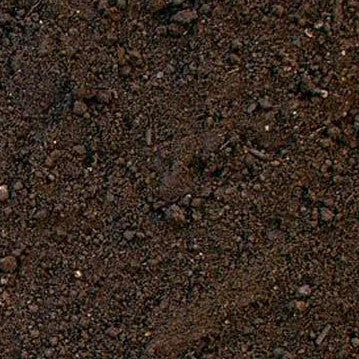
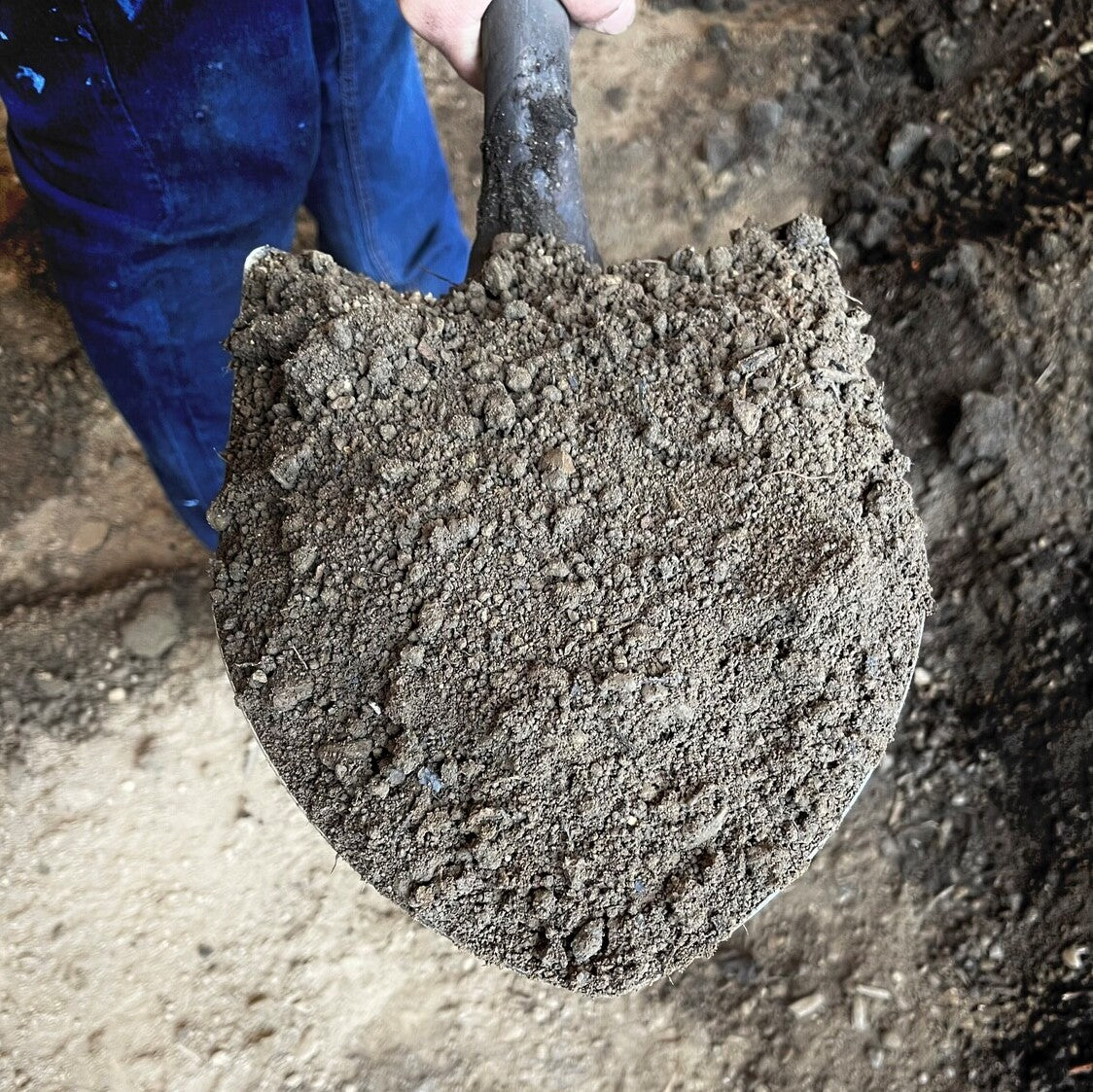
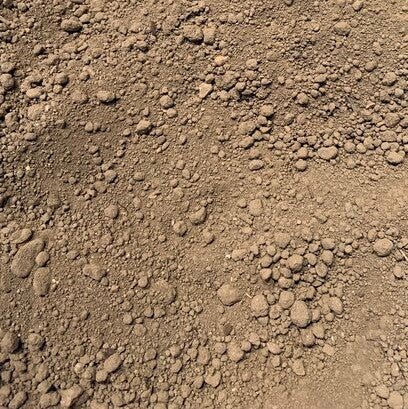
Quality topsoil for lawns, gardens, and landscape projects. Nutrient rich and ready to support strong root development and healthy plant establishment.
We got 3 yards of the gardening top soil. It was great quality, not many chunks and seems good for growing, just waiting for all my plants to love it.
We had more than enough soil to fill a raised bed we made and landscaped around a patio. I do wish we could do less tha...
Tell us what you're looking for
Thanks! We received your request.
Something went wrong. Please try again.
How Much Material Do I Need?
For lawn leveling in Bend, a half-inch to one-inch topdress layer is standard and keeps grass from being smothered. For new garden beds or raised planters, plan for at least 12 to 18 inches of quality soil to give roots enough depth to thrive through Bend's long dry summers.
Use our free soil calculator
What is a yard?
A yard is approximately 27 cubic feet. As a general guideline, one yard of material can cover an area of about 100-160 square feet at a 2-3 inch depth.
We can't take orders for this right now. Tell us what you need and we'll get back to you.
What do you need?
Thanks! We received your request.
Something went wrong. Please try again.
Hand-picked local yards
4,000+ regional deliveries
Dedicated support
Why order through Mulch Mound
The best local soil, without the guesswork.
We hand-pick and partner with the best yards in your region, keep only the ones our buyers rate well, and back each load with our guarantee.
Mulch Mound Guarantee
If your soil isn't the quantity or quality you ordered, we'll make it right.
About this soil
Quality topsoil for lawns, gardens, and landscape projects. Nutrient rich and ready to support strong root development and healthy plant establishment.
We got 3 yards of the gardening top soil. It was great quality, not many chunks and seems good for growing, just waiting for all my plants to love it.
We had more than enough soil to fill a raised bed we made and landscaped around a patio. I do wish we could do less tha...
How Much Material Do I Need?
For lawn leveling in Bend, a half-inch to one-inch topdress layer is standard and keeps grass from being smothered. For new garden beds or raised planters, plan for at least 12 to 18 inches of quality soil to give roots enough depth to thrive through Bend's long dry summers.
Use our free soil calculator
What is a yard?
A yard is approximately 27 cubic feet. As a general guideline, one yard of material can cover an area of about 100-160 square feet at a 2-3 inch depth.
We got 3 yards of the gardening top soil. It was great quality, not many chunks and seems good for growing, just waiting for all my plants to love ...
Read full review
We got 3 yards of the gardening top soil. It was great quality, not many chunks and seems good for growing, just waiting for all my plants to love it.
We had more than enough soil to fill a raised bed we made and landscaped around a patio. I do wish we could do less than 3 yds delivered but I understand the limitations.
My only concern was we requested it on the top left of our driveway since we had mulch on the other side, they ended up pouring it on top of the mulch (it was covered with a tarp so not ruined) making it difficult to complete our landscaping in a timely fashion.
To calculate how much bulk soil you need, multiply the length by the width by the desired depth of your area, all in feet, to get cubic feet. Divide by 27 to convert to cubic yards. In Bend, we recommend planning for at least 12 inches of depth in new garden beds to compensate for the poor water retention of the native sandy volcanic subsoil beneath.
Soil Types We Deliver in Bend
Bend's high desert terrain often means sandy, nutrient-poor native soil that needs a boost before lawns, gardens, or landscaping can truly thrive. We deliver bulk topsoil by the yard in Bend so you can build a healthy foundation without hauling bags from a store. Whether you are seeding a new lawn, filling raised beds, or grading a yard, our screened soil arrives ready to work.
Screened Top Soil
Our screened topsoil is sifted to remove rocks and debris, giving you a fine, workable mix that blends easily into Bend's naturally coarse ground. It is nutrient rich and well suited for lawns, flower beds, and vegetable gardens, supporting strong root development and healthy plant establishment in the region's dry, high-altitude climate.
Complete Your Outdoor Soil Project
Pair your soil order with bulk mulch to lock in the moisture you are working so hard to establish in your new beds. Decorative stone borders around your soil beds also help define planting areas and reduce surface erosion during Bend's occasional intense summer downpours.
What is wrong with just using the native dirt in Bend for my garden beds?
Bend's native soil is sandy and volcanic in origin, meaning it is extremely porous and very low in organic matter. Water and nutrients pass through it quickly, making it difficult to sustain the consistent moisture and fertility levels that vegetables and ornamentals need. Adding quality imported garden soil or blending amendments into your native soil dramatically improves water retention and gives roots a far more hospitable environment.
Answer
How much soil do I need to build a raised bed that actually performs well in Bend?
A standard raised bed in Bend should be at least 12 inches deep to give plant roots enough volume to find consistent moisture between our infrequent rains. For a 4 by 8 foot bed at 12 inches deep, you will need roughly 0.15 cubic yards of soil. Most Bend gardeners build their beds 18 to 24 inches deep to compensate for the short growing season by giving roots maximum room to establish quickly after the June 5 last frost.
Answer
Can I use bulk topsoil to level out my lawn in Bend?
Yes, screened bulk topsoil is the right tool for lawn leveling in Bend. Apply no more than half an inch at a time over existing grass and work it in with a rake so the grass can grow through. Because Bend's native soil is sandy, the imported topsoil may have a slightly different texture, but it will blend in over one or two growing seasons with consistent irrigation and fertilization.
Answer
What kind of soil works best for growing vegetables during Bend's short summer season?
A high-quality garden blend that includes compost and a loamy base performs best for Bend vegetable gardens. You need soil that holds moisture long enough for roots to absorb it but still drains well enough to prevent waterlogging during any heavy summer thunderstorm. Look for a blend with visible organic matter and a loose, crumbly texture that will warm up quickly in spring since you only have until around September 12 before frost threatens your crops.
Answer
Do I need to amend imported soil before planting, or is it ready to use right away?
Quality bulk garden soil from MulchMound is generally ready to plant into, but adding compost worked into the top 6 inches never hurts, especially in Bend where dry air and strong sun cause organic matter to oxidize faster than in wetter climates. If you are filling raised beds, a mix of garden soil with 20 to 30 percent compost creates an ideal growing medium for Bend's demanding conditions.
Answer
My yard has a lot of exposed lava rock and volcanic debris. Should I remove it before bringing in soil?
For garden beds and raised areas, yes, clearing large rocks and debris before importing soil will give you a cleaner planting surface. For lawn areas, smaller volcanic gravel can often stay in place and be covered with a layer of topsoil, though very rocky areas may need excavation first. In Bend, it is common to encounter lava rock just a few inches below the surface, so factor that into your bed depth planning.
Answer
How does Bend's dry climate affect how quickly imported soil dries out after delivery?
Bulk soil delivered in Bend will begin drying from the surface within hours on a hot summer day, especially if it is piled in direct sun. Cover your pile with a tarp if you are not spreading it immediately to preserve moisture content. Once spread and irrigated, Bend's sandy subsoil will draw moisture downward quickly, so plan your irrigation schedule before you plant rather than waiting to see how the soil performs on its own.
Mulch Mound Pro Tip
Bend's frost-free window runs roughly from June 5 to September 12, giving you only about 14 weeks to grow warm-season crops. To maximize this window, get your soil in place and pre-warmed before your last frost date by covering your beds with black plastic for a week or two before planting. Pre-warming the soil even by a few degrees can accelerate germination and give seedlings a meaningful head start in our short season.
Mulch Mound Pro Tip
When filling raised beds in Bend, avoid using 100 percent native soil even if it looks fine on the surface. Beneath the top few inches, Bend's subsoil is almost always compacted volcanic sand with very little fertility. Blending bulk garden soil with a quality compost at roughly a 70 to 30 ratio gives you a growing medium that holds water long enough to be useful while still providing the drainage plants need at this elevation.
Mulch Mound Pro Tip
Bend receives just 11 inches of rain per year, so every irrigation event matters when it comes to soil performance. Newly delivered bulk soil should be watered in thoroughly after spreading to help it settle and make contact with the native soil below. Watering before planting also lets you identify any low spots that need additional topdressing before seeds or transplants go in.
The Unique Landscape of Bend
Bend's native sandy volcanic soil is notorious for draining so fast that nutrients and moisture move out of the root zone before plants can use them. At 3,623 feet of elevation, the soil also warms and cools rapidly with the seasons, creating challenging conditions for grass, vegetables, and ornamental plantings alike. With a growing window of only about 14 weeks between last frost on June 5 and first frost around September 12, healthy imported topsoil or garden soil can make the difference between a productive bed and a failed one. Our dry climate of just 11 inches of annual rainfall means soil quality directly determines how efficiently your irrigation water is used. Whether you are filling raised beds, grading a lawn, or improving a tired planting area, quality bulk soil transforms the performance of any Bend landscape.