About this stone

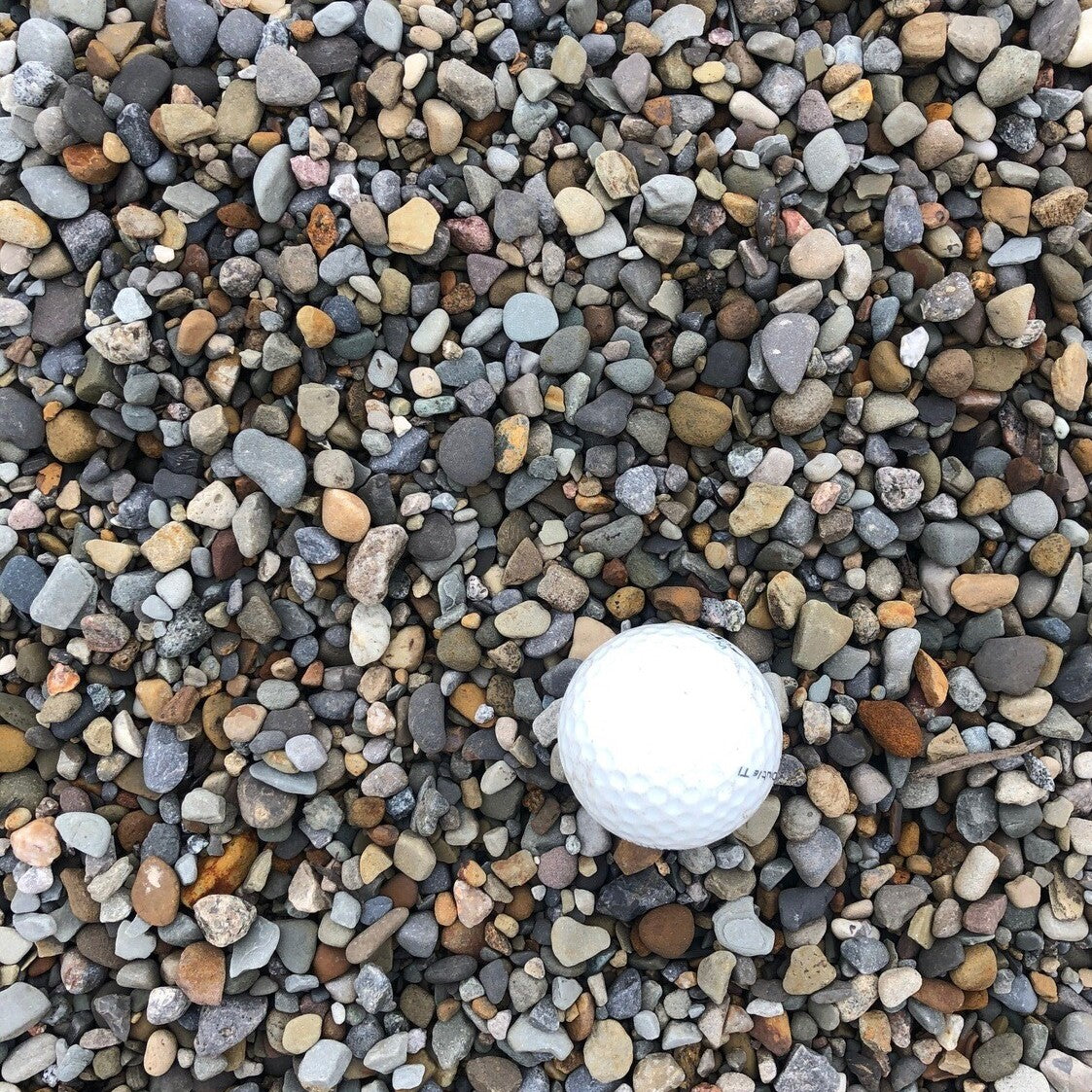
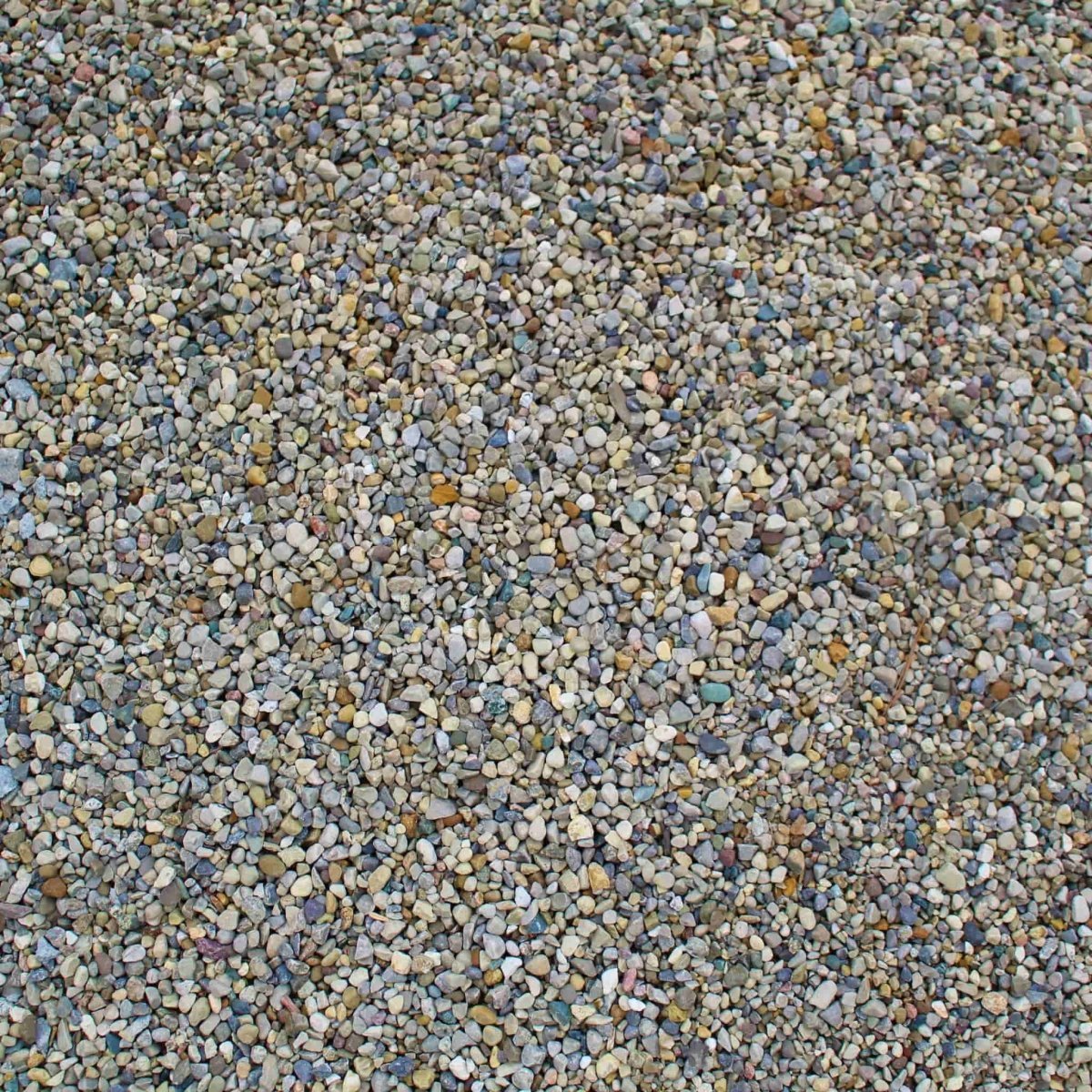
Classic pea gravel with smooth, rounded edges and natural earth tones. A versatile favorite for pathways, patios, drainage, and decorative ground cover.

My experience with Mulch Mound was great and super easy. I ordered two yards of screened topsoil and was able to get it delivered within 2 days. They came in my requested time frame (afternoon) and dropped it off where I asked on my driveway. The topsoil was exactly what was a...

Bend Stone Delivery

Bend Stone Delivery

4.7
137 reviews
Regular price $87.00 per yard
Regular price Sale price $87.00
Sale Sold out
Type
Size
Minimum of 3
1 tree planted for every order

About this stone

Classic pea gravel with smooth, rounded edges and natural earth tones. A versatile favorite for pathways, patios, drainage, and decorative ground cover.

My experience with Mulch Mound was great and super easy. I ordered two yards of screened topsoil and was able to get it delivered within 2 days. They came in my requested time frame (afternoon) and dropped it off where I asked on my driveway. The topsoil was exactly what was a...

For pathways in Bend, a 2 to 3 inch depth is sufficient for comfortable footing and good drainage. For decorative ground cover and xeriscape areas where weed suppression is the main goal, plan for 3 to 4 inches over a weed barrier to handle the wind-blown seeds that are common across Central Oregon.
Use our free stone calculator

A yard is approximately 27 cubic feet. As a general guideline, one yard of material can cover an area of about 100-160 square feet at a 2-3 inch depth.

View full details

How It Works

Getting started is easy — just follow these simple steps

1

Choose your stone

Make sure you adjust the quantity to your home's needs. You can use our calculator to estimate how much you'll need.

2

Select your delivery date

Select a delivery date you'd like for the product to be dropped off at your home

3

Sit back and wait

Sit back, wait, and let us work our magic to make sure the highest quality product is delivered to your driveway.

From The Mouths of Bend Folks

4.7
out of 5 based on 137 reviews
Google Reviews

Need Help Calculating How Much Stone & Gravel You Need?

Use our NEW Trace from Satellite tool to get an estimate for your project based on an aerial view of your property

Try Our Calculator
📍

Measure the length and width of your project area in feet and multiply for total square footage. Then multiply by your desired depth in feet and divide by 27 to get cubic yards. For Bend xeriscape projects, a 4 inch depth is the most common choice since it provides durable weed suppression on top of our sandy volcanic soil without requiring an excessive amount of material.

Complete Your Outdoor Stone Project

Pair your stone order with bulk mulch for planting beds that border your new stone pathways or xeriscape areas. If you are raising or grading the site before laying stone, our bulk soil can help you establish the right finished grade before your stone goes down.

Map of Bend, Oregon

Areas We Deliver Stone & Gravel in Bend, Oregon

No cities found for this region.

See All Locations
Mulch Mound Pro Tip

Bend's elevation of 3,623 feet means the freeze-thaw cycle can repeat dozens of times each winter, which slowly works gravel out of place and shifts stone borders over time. Installing a steel or aluminum landscape edging before placing your stone is one of the best investments you can make to keep your project looking clean for years. Edging also prevents gravel from migrating onto driveways and into lawn areas, which is a common frustration among Bend homeowners who skip this step.

Mulch Mound Pro Tip

If you are using stone for a dry creek bed or drainage swale in Bend, choose angular crushed rock rather than smooth round river rock for the interior of the channel. Angular stone locks together and resists being washed out of position during the sudden heavy summer thunderstorms that can move significant water through low-lying areas quickly. Reserve smooth river rock for the decorative edges and surface of the feature where it looks natural against Bend's high-desert palette.

Mulch Mound Pro Tip

With only 11 inches of rain per year, Bend homeowners often turn to stone as a way to reduce irrigation needs in low-traffic areas of the yard. Stone mulch in tree wells can be effective, but use a light-colored variety and leave a few inches of open soil right at the trunk base to allow proper gas exchange at the root crown. Pairing stone with a drip irrigation system and drought-tolerant native plants like rabbitbrush or bitterbrush creates a landscape that genuinely thrives in Bend's dry conditions with minimal seasonal effort.

The Unique Landscape of Bend

In Bend's high-desert climate, decorative and functional stone is one of the most practical landscaping materials available. With only 11 inches of annual rainfall and intense UV exposure at 3,623 feet of elevation, stone requires zero maintenance, never fades, and holds up through the freeze-thaw cycles that repeat throughout the long season between September and late spring. Bend's sandy volcanic soil drains quickly, which makes stone pathways and drainage features especially effective since water moves freely beneath and around crushed or gravel stone. Stone also plays a critical role in erosion control on Bend's sloped lots and rocky terrain, where sparse native vegetation leaves soil exposed to wind and the occasional heavy thunderstorm. Whether you are creating a low-water xeriscape, defining a driveway edge, or managing runoff from impervious surfaces, bulk stone is a high-value material for nearly any Bend property.

Frequently Asked Questions

Click a question to see the answer

Answer

What kind of stone works best for pathways between garden beds in Bend?

Pea gravel and 3/4 inch crushed gravel are both excellent for garden pathways in Bend. Pea gravel is comfortable underfoot and allows rainwater to drain straight through, which is helpful even in our dry climate because Bend can receive short but intense summer thunderstorms. Crushed gravel compacts slightly better and is less likely to migrate, making it a good choice for paths that get regular foot traffic during the growing season.

Answer

Will dark stone get too hot in Bend's summer sun and damage nearby plants?

Light-colored stones like tan river rock or buff-toned pea gravel reflect heat rather than absorbing it, making them safer choices near plantings in Bend's intense summer sun. Dark basalt or black lava rock can radiate significant heat and may stress plants placed right against it on south-facing exposures. Using a light-colored stone border with a mulched interior bed gives you the best of both worlds for Bend gardens.

Answer

Can I use crushed stone to fix the drainage problem areas in my Bend yard?

Yes, crushed stone is one of the best solutions for drainage problem areas in Bend. Because the native sandy volcanic soil already drains quickly, adding a trench or dry creek bed filled with crushed stone gives water a fast escape route during the heavy summer thunderstorms that occasionally dump more rain than the soil can absorb at once. A French drain filled with washed gravel and wrapped in landscape fabric works very well in Bend's low-lying spots.

Answer

How deep should I lay stone for a low-maintenance xeriscape area in Bend?

For a xeriscape or rock garden area in Bend, lay decorative stone 3 to 4 inches deep over a layer of heavy-duty weed barrier fabric. This depth is enough to prevent most of our local weed seeds, including cheatgrass and tumble mustard, from getting the sunlight they need to germinate. Shallower applications tend to shift and allow weeds through faster than expected given Bend's persistent wind, which carries seeds across open ground throughout the growing season.

Answer

Is river rock or lava rock more appropriate for a Bend landscape?

Both look at home in Bend, but they serve different purposes. Lava rock is extremely lightweight, which makes it easy to work with, and it has a natural Central Oregon look that suits desert plantings like ornamental grasses and sage. River rock is heavier and more stable, making it better for erosion control on slopes or as a border material that stays put through wind and the freeze-thaw cycles common here between fall and late spring.

Answer

How much stone do I need to cover a typical Bend front yard xeriscape conversion?

Measure your total square footage and plan for 3 to 4 inches of depth. Divide your square footage by 81 to get cubic yards needed for a 4 inch application. A typical Bend front yard of 800 square feet would need roughly 10 cubic yards of stone at that depth. Buying in bulk is cost-effective and ensures your coverage is consistent so you do not end up with thin patches that allow weeds to push through.

Answer

Will my stone pathways shift or heave during Bend's winter freeze-thaw cycles?

Loose stone like gravel and river rock is naturally frost-resistant because it has no rigid structure to crack. The bigger challenge in Bend is ground heaving, where frozen soil pushes stone upward and creates uneven surfaces over the winter. Laying stone over a compacted gravel base rather than directly on native sandy volcanic soil reduces heaving significantly. Edging your pathways with metal or plastic borders also keeps gravel from spreading as the ground moves through our long freeze season between September and May.
