




Great service. We ordered topsoil from Mulch Mound and the best experience. Thank you so much!
About this soil
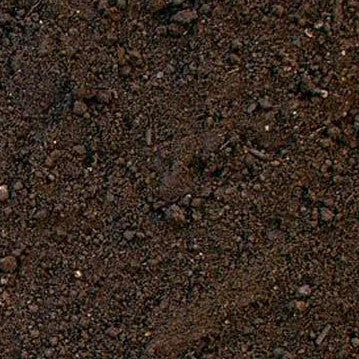
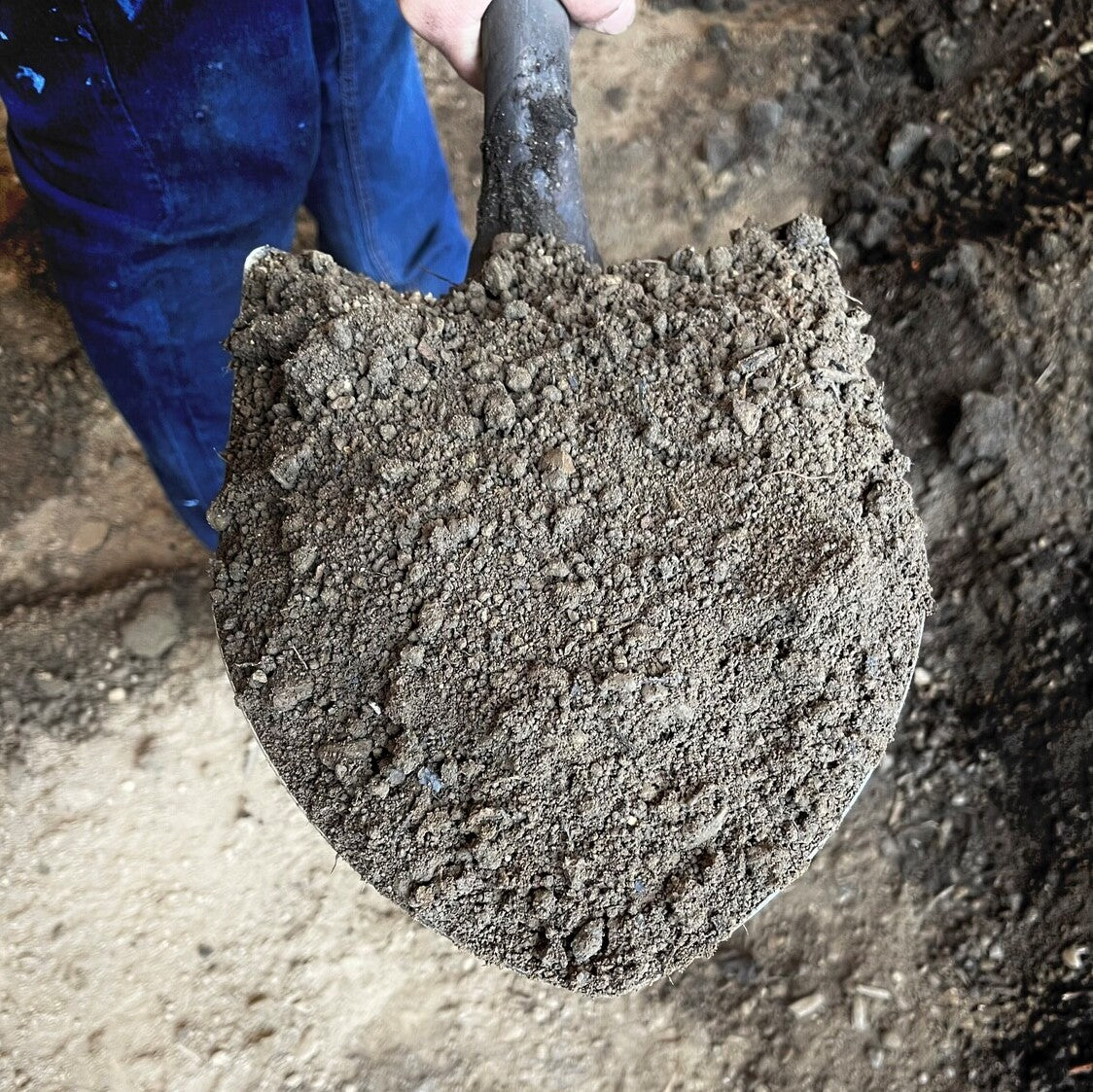
Quality topsoil for lawns, gardens, and landscape projects. Nutrient rich and ready to support strong root development and healthy plant establishment.
Great service. We ordered topsoil from Mulch Mound and the best experience. Thank you so much!
Tell us what you're looking for
Thanks! We received your request.
Something went wrong. Please try again.
How Much Material Do I Need?
How Much Material Do I Need?
For Bloomington lawn leveling, apply 2 to 4 inches of topsoil over low areas and blend it into existing turf with a rake before seeding. For raised garden beds and new planting areas, budget for at least 10 to 12 inches of depth so plants have adequate root space through the full zone 6a growing season from May through October.
Use our free soil calculator
What is a yard?
What is a yard?
FAQs
FAQs
Bloomington Soil Delivery
Bloomington Soil Delivery
Regular price
$64.00
per
yard
Regular price
Sale price
$64.00
Unit price
per
Shipping calculated at checkout.
Minimum of 3 yard
Couldn't load pickup availability
Not currently available
We can't take orders for this right now. Tell us what you need and we'll get back to you.
Hand-picked local yards
4,000+ regional deliveries
Dedicated support
Why order through Mulch Mound
The best local soil, without the guesswork.
We hand-pick and partner with the best yards in your region, keep only the ones our buyers rate well, and back each load with our guarantee.
Mulch Mound Guarantee
If your soil isn't the quantity or quality you ordered, we'll make it right.
About this soil
Quality topsoil for lawns, gardens, and landscape projects. Nutrient rich and ready to support strong root development and healthy plant establishment.
Great service. We ordered topsoil from Mulch Mound and the best experience. Thank you so much!
How Much Material Do I Need?
How Much Material Do I Need?
For Bloomington lawn leveling, apply 2 to 4 inches of topsoil over low areas and blend it into existing turf with a rake before seeding. For raised garden beds and new planting areas, budget for at least 10 to 12 inches of depth so plants have adequate root space through the full zone 6a growing season from May through October.
Use our free soil calculator
What is a yard?
What is a yard?
FAQs
FAQs
Tell us what you're looking for
Thanks! We received your request.
Something went wrong. Please try again.
How It Works
Getting started is easy — just follow these simple steps
1
Choose your soil
Make sure you adjust the quantity to your home's needs. You can use our calculator to estimate how much you'll need.
2
Select your delivery date
Select a delivery date you'd like for the product to be dropped off at your home
3
Sit back and wait
Sit back, wait, and let us work our magic to make sure the highest quality product is delivered to your driveway.

Placing an order online was so easy. Delivery was on time. When the driver realized we had a newly poured driveway they erred on the side of cautio...
Read full review
Placing an order online was so easy. Delivery was on time. When the driver realized we had a newly poured driveway they erred on the side of caution and opted not ti drive in it. The company even sent me a message explaining that call. Would recommend!

Online ordering was really simple and I liked the transparent pricing.
Need Help Calculating How Much Soil You Need?
Use our NEW Trace from Satellite tool to get an estimate for your project based on an aerial view of your property
Try Our CalculatorMeasure your project area length and width in feet and multiply to find total square footage, then use our calculator to find cubic yards at your target depth. For Bloomington lawn leveling projects, a 2 to 3 inch topdress layer over the low spots is usually enough to smooth the grade without smothering existing grass. For new garden beds in zone 6a, plan for 10 to 12 inches of working depth so plant roots have plenty of room to develop through the full growing season.
Soil Types We Deliver in Bloomington
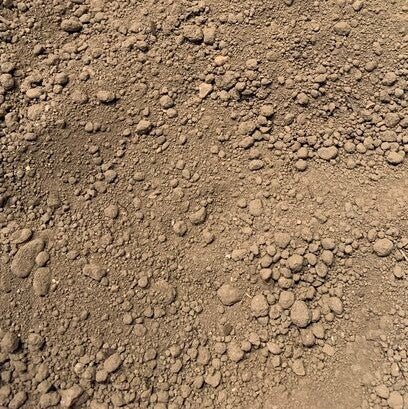
Bloomington homeowners and landscapers count on us for bulk topsoil by the yard in Bloomington, delivered straight to your driveway or job site. Central Illinois properties often sit on heavy clay ground, so bringing in quality soil makes a real difference for gardens, lawns, and new landscape beds. We measure and load every order by the cubic yard so you get exactly what your project needs.
Screened Top Soil
Our screened topsoil is run through a fine screen to remove clumps, rocks, and debris, giving you a clean and workable product. It is nutrient rich and well suited for filling raised beds, topdressing lawns, or preparing new planting areas. Homeowners across the Bloomington area rely on it to improve poor or compacted native soil and give new plants a strong, healthy start.
Complete Your Outdoor Soil Project
Pair your soil order with bulk mulch to protect freshly planted beds and hold moisture through Bloomington's warm summers. Adding decorative stone for bed borders and pathway edging is also a practical way to keep your new soil in place and reduce erosion during the heavy spring rains that are common in this area.


Service area
Areas we deliver soil in Bloomington, Illinois
Mulch Mound Pro Tip
When filling raised beds in Bloomington, mix in a portion of compost-rich garden soil rather than using straight topsoil. The native silty clay loam already has plenty of fine particles, and imported topsoil alone can behave similarly if it carries a high clay fraction. A blended mix with compost improves drainage, adds microbial activity, and gives your zone 6a vegetables and perennials a nutritional head start that straight topsoil simply cannot provide.
Mulch Mound Pro Tip
Bloomington's spring thaw typically leaves the native silty clay loam saturated and sticky through late March and into April. If you are planning a lawn leveling or grading project, wait until the soil has dried enough to crumble easily in your hand before working it. Tilling or grading clay-based soil when it is too wet destroys soil structure and creates dense clods that are very difficult to break up later in the growing season.
Mulch Mound Pro Tip
For Bloomington homeowners establishing new lawn areas with bulk topsoil, plan your timing carefully around the last frost date of May 4. Cool-season grass seed like Kentucky bluegrass germinates best when soil temperatures fall between 50 and 65 degrees, which in Bloomington typically occurs from mid-April through late May. Ordering soil a few weeks before your target seeding window gives you time to grade and firm the surface before that ideal germination window opens.
The Unique Landscape of Bloomington
Bloomington's native silty clay loam is a dense, heavy soil that presents real challenges for homeowners trying to grow productive vegetable gardens, establish new lawn areas, or raise flower beds above grade. The soil's fine texture holds water well but drains slowly, leading to soggy conditions in spring and compaction that restricts root growth through the summer months. When grading a lawn or adding fill around a foundation, Bloomington homeowners need quality bulk soil that compacts properly without introducing the weeds and debris that often come with low-grade fill materials. For raised vegetable beds and container-style gardens, Bloomington's zone 6a growing season runs roughly from May 4 to October 4, giving gardeners about five months to grow crops, and getting the soil mix right in those beds makes the difference between a mediocre and a genuinely productive harvest. Imported topsoil and garden soil blends also help correct the drainage issues common in Bloomington neighborhoods built on compacted clay subsoil left behind by construction grading.