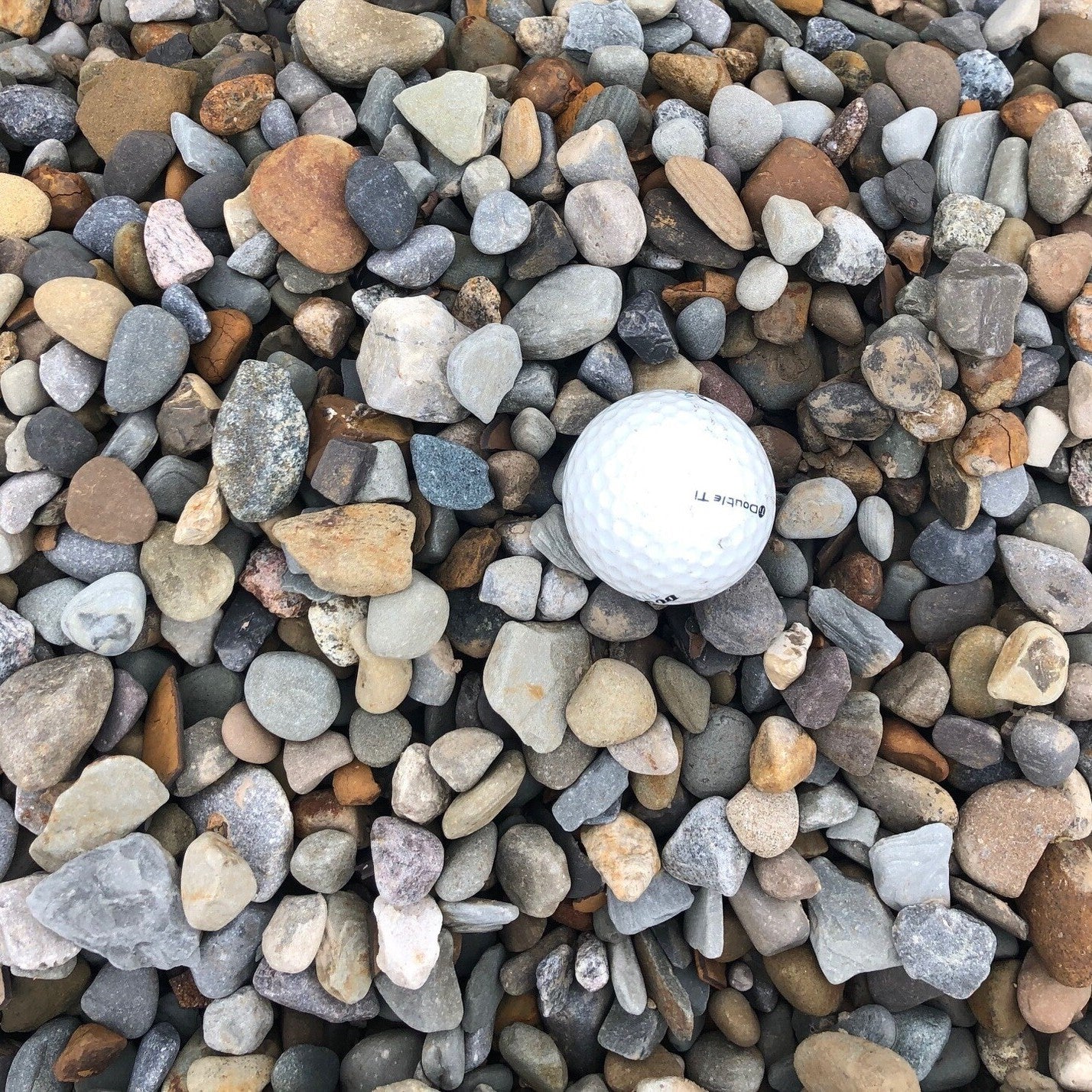
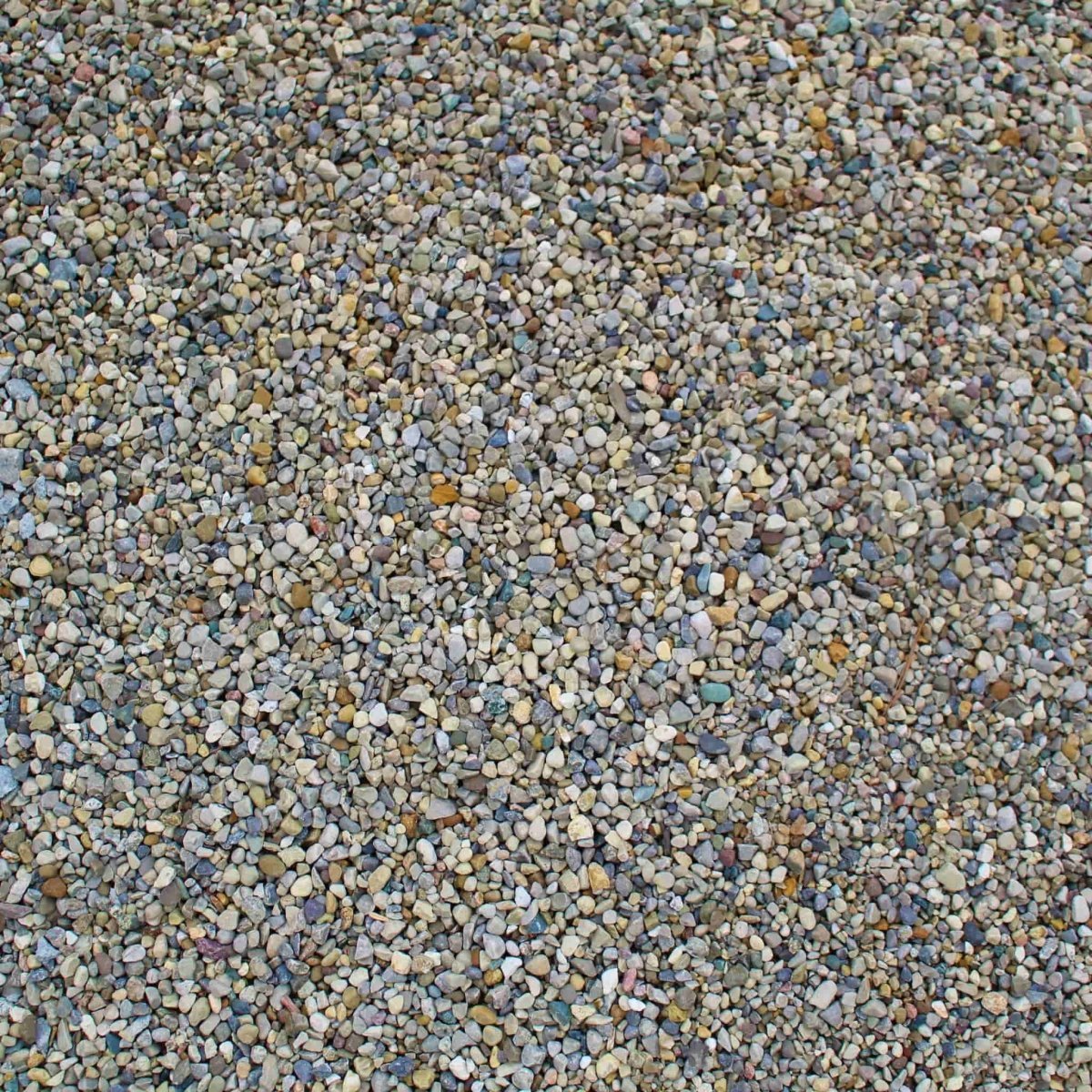
Number 57 crushed stone, angular limestone graded to about three quarters of an inch. The standard driveway, base and drainage gravel, it locks together under traffic and drains fast.
I used Mulch Mound to have 3 cubic yards of garden soil delivered. The process was easy and I love that I didn't have to call anyone. I placed my order online, picked my delivery date, laid out my tarp and the dirt was delivered. My delivery had to be pushed back, but I was ke...
Tell us what you're looking for
Thanks! We received your request.
Something went wrong. Please try again.
How Much Material Do I Need?
For decorative bed borders and pathways in Bloomington, a 3 to 4 inch stone layer provides solid coverage and holds up well through zone 6a winter freeze-thaw cycles. For drainage applications around foundations or in areas prone to standing water, increase depth to 4 to 6 inches to ensure the stone layer can handle the volume of runoff that Bloomington's 39 inches of annual rainfall regularly produces.
Use our free gravel calculator
What is a yard?
A yard is approximately 27 cubic feet. As a general guideline, one yard of material can cover an area of about 100-160 square feet at a 2-3 inch depth.
We can't take orders for this right now. Tell us what you need and we'll get back to you.
What do you need?
Thanks! We received your request.
Something went wrong. Please try again.
Hand-picked local yards
4,000+ regional deliveries
Dedicated support
Why order through Mulch Mound
The best local stone, without the guesswork.
We hand-pick and partner with the best yards in your region, keep only the ones our buyers rate well, and back each load with our guarantee.
Mulch Mound Guarantee
If your stone isn't the quantity or quality you ordered, we'll make it right.
About this stone
Number 57 crushed stone, angular limestone graded to about three quarters of an inch. The standard driveway, base and drainage gravel, it locks together under traffic and drains fast.
I used Mulch Mound to have 3 cubic yards of garden soil delivered. The process was easy and I love that I didn't have to call anyone. I placed my order online, picked my delivery date, laid out my tarp and the dirt was delivered. My delivery had to be pushed back, but I was ke...
How Much Material Do I Need?
For decorative bed borders and pathways in Bloomington, a 3 to 4 inch stone layer provides solid coverage and holds up well through zone 6a winter freeze-thaw cycles. For drainage applications around foundations or in areas prone to standing water, increase depth to 4 to 6 inches to ensure the stone layer can handle the volume of runoff that Bloomington's 39 inches of annual rainfall regularly produces.
Use our free gravel calculator
What is a yard?
A yard is approximately 27 cubic feet. As a general guideline, one yard of material can cover an area of about 100-160 square feet at a 2-3 inch depth.
I used Mulch Mound to have 3 cubic yards of garden soil delivered. The process was easy and I love that I didn't have to call anyone. I placed my o...
Read full review
I used Mulch Mound to have 3 cubic yards of garden soil delivered. The process was easy and I love that I didn't have to call anyone. I placed my order online, picked my delivery date, laid out my tarp and the dirt was delivered. My delivery had to be pushed back, but I was kept informed via text, which was great. So why not 5 stars? The description of garden soil on the website is "A balanced mix of topsoil and organic amendments ready for raised beds, flower gardens, and new planting areas. Good drainage, solid nutrients, easy to work with." What I got was more like fill dirt. It had a lot of gravel, a lot of clay, and random trash mixed in. I didn't test the soil to see if it actually had "amendments" because I already have compost and alpaca manure ready to add, but if I'd known the quality of the dirt was going to be the same as the bagged dirt I bought last year, I probably would have gotten 2 yards of top soil and a yard of leaf compost for better quality, especially since the leaf compost is cheaper. Photo of my mountain of dirt and just some of the trash I found in it.
To estimate stone for a Bloomington project, measure the length and width of the area in feet and multiply to get square footage, then use our calculator to find the cubic yards needed at your preferred depth. For pathway applications in Bloomington, a 3 to 4 inch depth gives you enough stone to stay stable through freeze-thaw cycles without feeling thin underfoot. For drainage gravel applications around foundations or in low spots, plan for 4 to 6 inches to ensure adequate water movement through the stone layer.
Stone Types We Deliver in Bloomington
Mulch Mound delivers bulk stone by the cubic yard directly to homes and job sites throughout this part of central Illinois. If you have been searching for bulk gravel by the yard in Bloomington, we make the process simple from the moment you place your order to the moment the load hits your driveway. Our stone is selected with the local climate in mind, built to hold up through winter freeze-thaw cycles and to perform well in the heavy clay soils typical of this region.
Pea Gravel
Pea gravel is a smooth, rounded stone prized for its natural earth tones and easy handling. It pairs well with the traditional brick and ranch-style homes common across central Illinois and drains effectively through the heavy clay soils found in this region. Use it along walkways, around patios, or as decorative ground cover in garden beds.
Complete Your Outdoor Stone Project
Combine your stone delivery with bulk mulch for beds that include both planted areas and decorative borders, giving your Bloomington landscape a layered, polished look. Adding quality topsoil beneath new planted zones adjacent to your stone features ensures plants have the drainage and nutrition they need to thrive through the full zone 6a growing season.
In Bloomington, one of the smartest uses of bulk stone is creating a dry creek bed along a natural drainage line in your yard. The silty clay loam native to this area sheds water quickly when saturated, and a decorative stone channel guides that runoff toward a safe outlet rather than letting it erode your lawn or pool against your foundation. A well-designed dry creek bed also looks attractive year-round and requires almost no maintenance beyond an occasional stone adjustment after major storm events.
Mulch Mound Pro Tip
When installing stone pathways or bed borders in Bloomington, always lay a quality landscape fabric beneath the stone to keep silty clay loam from migrating upward into the gravel over time. Without a barrier, the fine clay particles in Bloomington's native soil work their way up through the stone during rain events and freeze-thaw cycles, eventually turning a clean gravel surface into a muddy, weedy mess. A good fabric layer keeps your stone looking clean and functioning as a drainage surface for years longer.
Mulch Mound Pro Tip
Bloomington's 39 inches of annual rainfall makes stone an excellent choice for high-traffic side yard corridors where grass struggles to survive between the house and a fence. These narrow strips often become muddy, compacted paths that are frustrating to replant season after season. Replacing them with a 3 to 4 inch layer of pea gravel or crushed stone over landscape fabric gives you a clean, functional surface that handles foot traffic and heavy rain equally well without any seasonal seeding or sod repair.
The Unique Landscape of Bloomington
Decorative and functional stone is one of the most durable landscaping investments Bloomington homeowners can make given the region's challenging freeze-thaw cycle, heavy clay soils, and consistent annual rainfall. Unlike organic materials, stone does not break down in Bloomington's humid summers or heave dramatically through zone 6a winters, making it the right choice for pathways, drainage channels, and low-maintenance planting bed borders. Bloomington's silty clay loam sheds water slowly when saturated, and strategically placed stone can redirect runoff, prevent erosion on sloped areas, and keep high-traffic zones passable even after heavy spring rains. The city's 39 inches of annual precipitation means bare soil around foundations and along driveways is constantly being displaced by runoff, and a stone border or gravel bed is a practical, attractive way to manage that erosion. From pea gravel pathways to large decorative river rock, bulk stone gives Bloomington landscapes a finished, low-maintenance look that holds up season after season without the annual refreshes that organic mulch requires.
Frequently Asked Questions
Click a question to see the answer
Answer
What type of stone works best for a backyard pathway in Bloomington?
Pea gravel and crushed limestone are both popular pathway choices in Bloomington. Pea gravel compacts well and drains quickly, which is important given the 39 inches of annual rainfall that can make softer surfaces soggy for days. For a more stable surface that does not shift under foot traffic, crushed limestone packs down firmly and works especially well in Bloomington's silty clay loam because the lime content can gradually help balance soil pH in adjacent beds.
Answer
Will landscape stone shift or heave during Bloomington's winters?
Larger stone generally stays stable through zone 6a winters, but smaller gravel placed directly on silty clay loam can experience some movement as the ground freezes and thaws. Installing a 4 to 6 inch layer of gravel over a compacted base and using a landscape fabric barrier between the stone and the clay soil underneath helps minimize frost heave and keeps stones from slowly sinking into the clay over time. Proper installation keeps most stone surfaces in good shape for many seasons.
Answer
Can stone help fix the drainage problems in my Bloomington yard?
Absolutely. Bloomington's silty clay loam drains slowly, and adding a layer of drainage gravel in low spots or along the base of a slope gives water a path to move through before it fully saturates the soil. A French drain filled with clean crushed stone or river rock can redirect water that would otherwise pool against your foundation or flood garden beds. Even a simple gravel channel along a fence line or driveway edge can significantly reduce standing water after heavy spring storms.
Answer
How much stone do I need for a decorative border around my foundation in Bloomington?
For a foundation border that is 18 inches wide and 3 to 4 inches deep, you will need roughly half a cubic yard of stone for every 20 linear feet of border. Use our calculator to dial in your exact quantity based on your home's perimeter. In Bloomington, foundation borders are worth doing right because the combination of clay soil and heavy rain means water often lingers against the house, and a proper stone border with a slight outward grade helps direct that runoff safely away.
Answer
Is stone a good replacement for a mulched bed that I am tired of refreshing every year?
Stone is a great long-term alternative for Bloomington homeowners who want to reduce annual maintenance. While mulch needs to be refreshed yearly due to decomposition that accelerates in Bloomington's warm, humid summers, decorative stone holds its appearance for many seasons with minimal upkeep. The trade-off is that stone does not add organic matter to the soil the way mulch does, so for beds with actively growing shrubs or perennials you may want to use stone only in low-planting zones or pathways.
Answer
What stone is best for around a downspout or drainage area at my Bloomington home?
Clean river rock or washed drainage gravel is ideal for downspout splash areas and drainage channels in Bloomington. The smooth surface of river rock allows water to flow through quickly without washing fine clay particles up into the stone layer the way some crushed materials can. For areas with higher flow volume, size up to 2 to 4 inch river rock so the stones stay firmly in place during the heavy downpours that periodically hit Bloomington in spring and early summer.
Answer
Can I use decorative stone in my vegetable garden pathways without harming my plants?
Yes, and it works very well for Bloomington vegetable gardens. Pea gravel or crushed granite between raised bed rows keeps foot traffic off the soil, which reduces compaction of the native silty clay loam beneath and keeps pathways usable on wet spring mornings. Stone pathways also warm up faster than bare soil in spring, which is a genuine advantage in zone 6a where every warm day before the last frost on May 4 counts for getting the garden season started.
Answer
Is there a stone yard near Bloomington?
Ask a stone yard for a few yards of crushed stone and you would normally haul it yourself, but Mulch Mound delivers that same crushed stone to your Bloomington driveway or backyard instead. It suits heavy clay soil and freeze and thaw winters because it drains well and will not rot or heave like organic materials. No quarry trip needed.