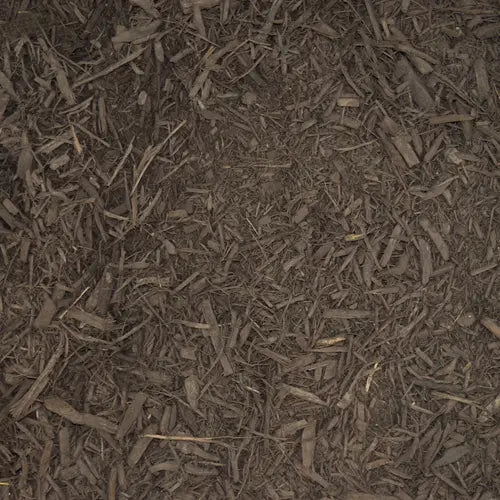
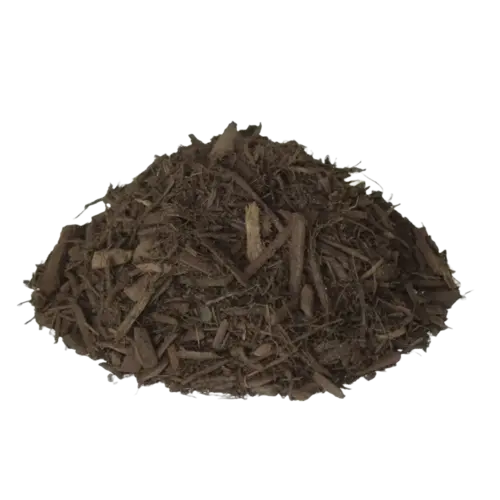
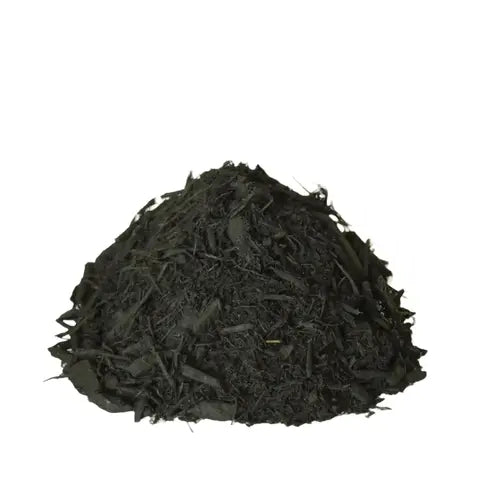
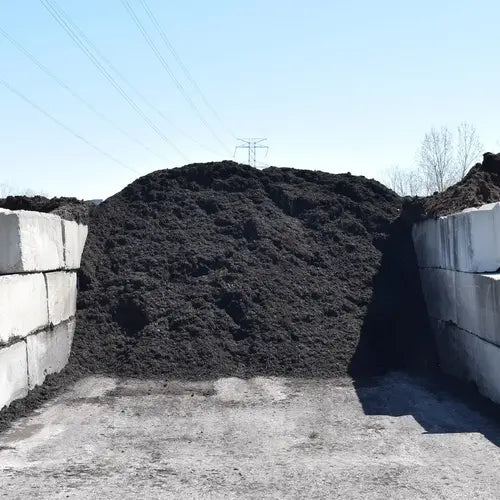
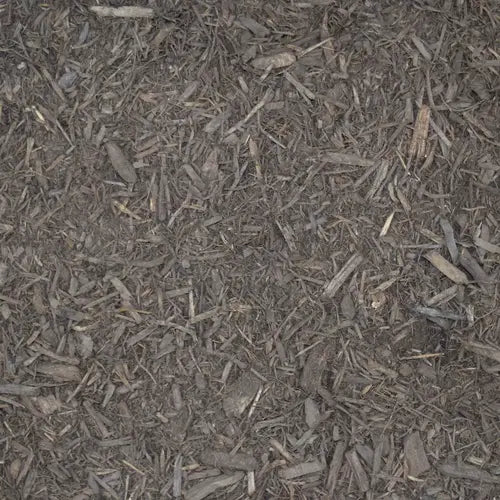
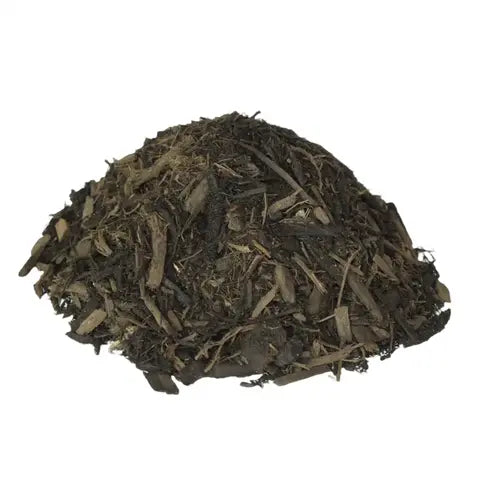
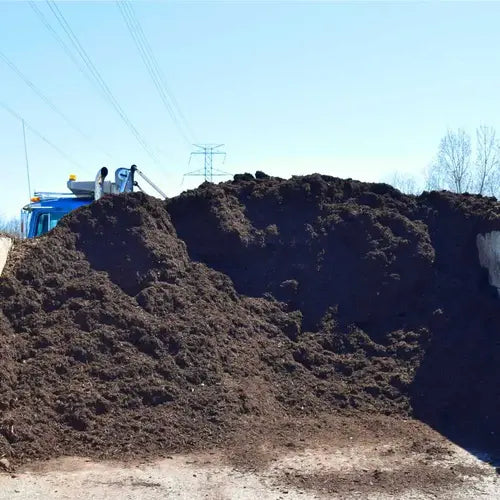
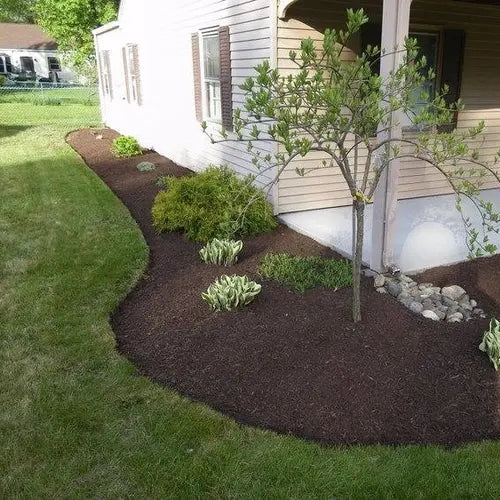
Warm brown double shredded mulch with lasting color that looks freshly applied for weeks. Spreads smooth, stays put, and gives beds a natural, polished appearance.
Mulch Mound made it so easy! So happy with the pricing, turn around time, delivery and product. I submitted my online order on a Thursday. The mulch was delivered to the designated location by a local landscape company at 8:30 a.m. the following Saturday morning. We had the...
Tell us what you're looking for
Thanks! We received your request.
Something went wrong. Please try again.
How Much Material Do I Need?
For Boone's rocky clay soil, a 3 to 4 inch layer of mulch is ideal since it provides enough insulation against mountain temperature swings without smothering plant roots that are already working hard in poor native soil. Beds along foundation plantings or near low drainage areas may benefit from staying closer to 3 inches to allow rainwater to percolate through rather than pooling on the surface.
Use our free mulch calculator
What is a yard?
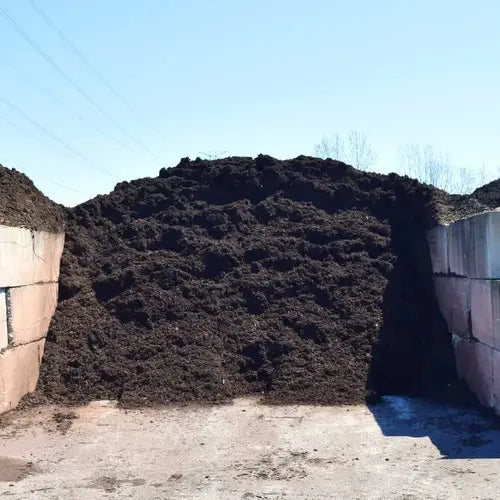
A yard is approximately 27 cubic feet. As a general guideline, one yard of material can cover an area of about 100-160 square feet at a 2-3 inch depth.
We can't take orders for this right now. Tell us what you need and we'll get back to you.
What do you need?
Thanks! We received your request.
Something went wrong. Please try again.
Hand-picked local yards
4,000+ regional deliveries
Dedicated support
Why order through Mulch Mound
The best local mulch, without the guesswork.
We hand-pick and partner with the best yards in your region, keep only the ones our buyers rate well, and back each load with our guarantee.
Mulch Mound Guarantee
If your mulch isn't the quantity or quality you ordered, we'll make it right.
About this mulch
Warm brown double shredded mulch with lasting color that looks freshly applied for weeks. Spreads smooth, stays put, and gives beds a natural, polished appearance.
Mulch Mound made it so easy! So happy with the pricing, turn around time, delivery and product. I submitted my online order on a Thursday. The mulch was delivered to the designated location by a local landscape company at 8:30 a.m. the following Saturday morning. We had the...
How Much Material Do I Need?
For Boone's rocky clay soil, a 3 to 4 inch layer of mulch is ideal since it provides enough insulation against mountain temperature swings without smothering plant roots that are already working hard in poor native soil. Beds along foundation plantings or near low drainage areas may benefit from staying closer to 3 inches to allow rainwater to percolate through rather than pooling on the surface.
Use our free mulch calculator
What is a yard?
A yard is approximately 27 cubic feet. As a general guideline, one yard of material can cover an area of about 100-160 square feet at a 2-3 inch depth.
Mulch Mound made it so easy! So happy with the pricing, turn around time, delivery and product. I submitted my online order on a Thursday. The mu...
Read full review
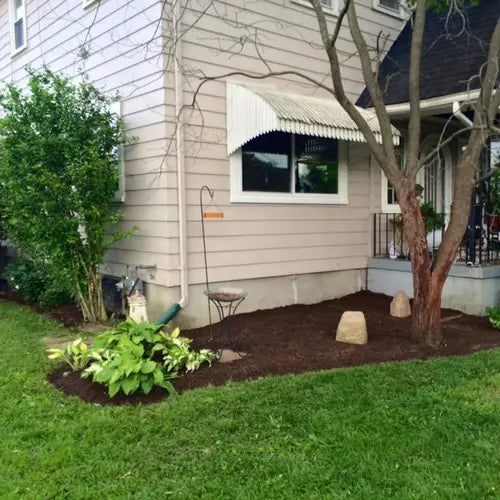
Mulch Mound made it so easy! So happy with the pricing, turn around time, delivery and product. I submitted my online order on a Thursday. The mulch was delivered to the designated location by a local landscape company at 8:30 a.m. the following Saturday morning. We had the job completed by that afternoon. We chose the natural brown mulch, and the plant beds are beautiful.
Good quality, great price, fast delivery. All online - no submitting forms and waiting for days for quotes. Getting mulch should be this easy fr...
Read full review
Good quality, great price, fast delivery. All online - no submitting forms and waiting for days for quotes. Getting mulch should be this easy from everyone. Only Mulch Mound is ACTUALLY this simple.
I highly recommend Mulch Mound. The quality of the mulch is very good. The ordering system on their website makes it very easy. The delivery driver...
Read full review
I highly recommend Mulch Mound. The quality of the mulch is very good. The ordering system on their website makes it very easy. The delivery driver did a great job placing the mulch on the driveway. To finish off, the pricing was very reasonable as well.
Measure the length and width of each bed in feet and multiply to get square footage, then account for the rocky uneven edges that are common on Boone lots by rounding up slightly before ordering. At a 3-inch application depth, one cubic yard covers roughly 108 square feet of bed area. On sloped terrain, it is worth ordering a bit extra since some material will naturally shift downhill before it fully settles and knits together.
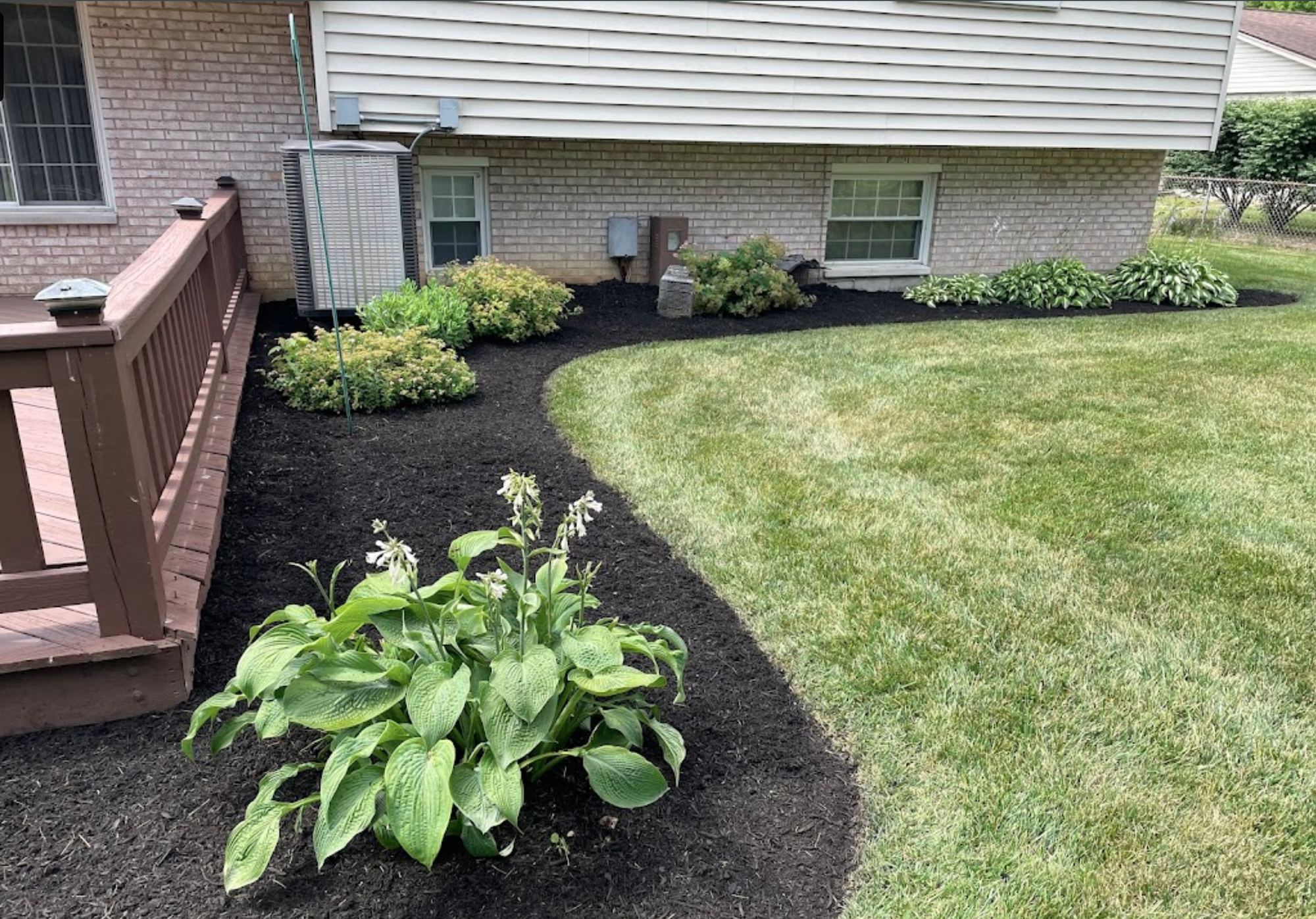
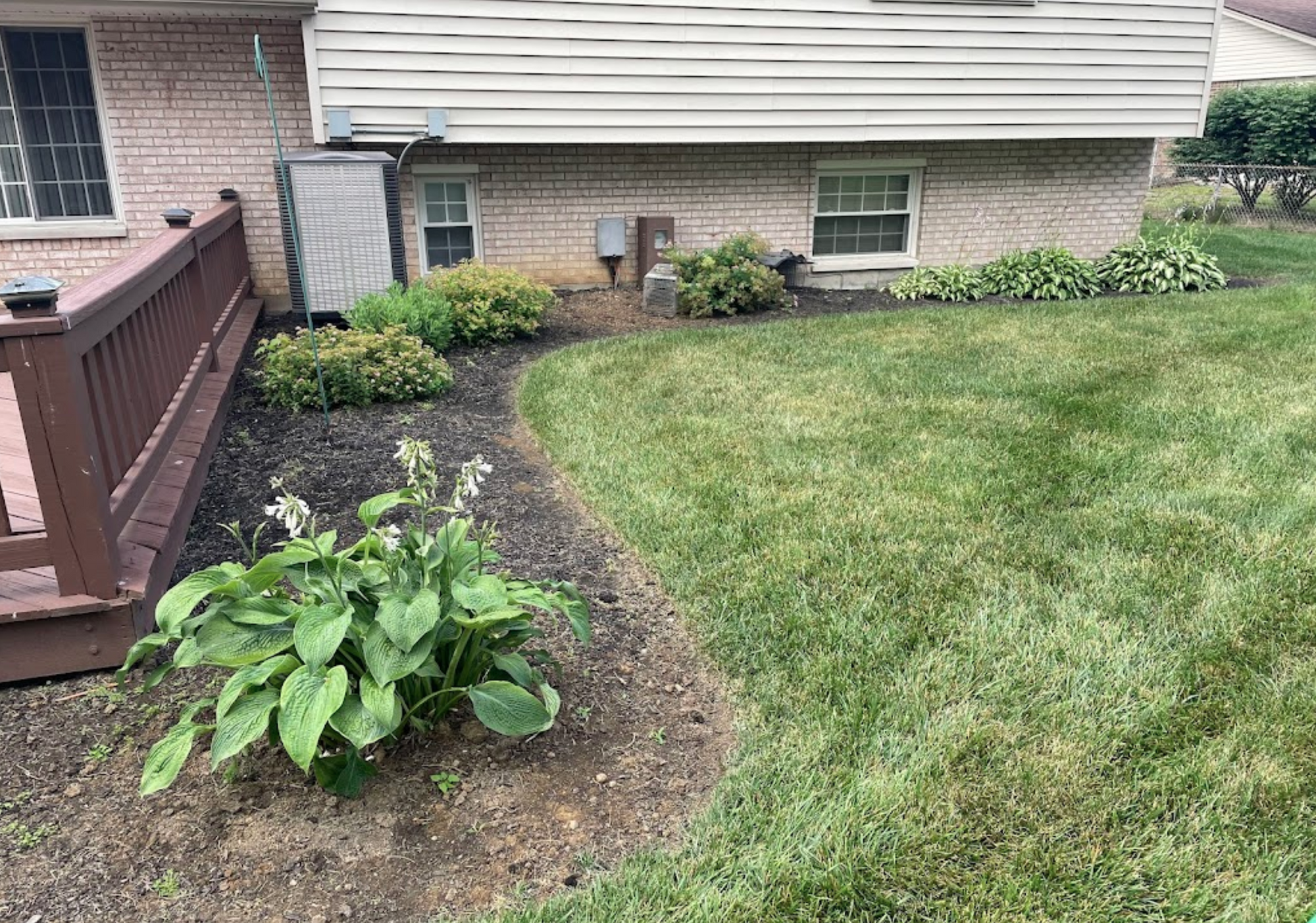
Mulch vs. No Mulch: The Difference
Boone's cool, wet mountain climate accelerates the breakdown of natural wood mulches more than many homeowners expect, especially in shaded north-facing beds that stay moist for days after a rainstorm rolls through. Natural mulches decompose into organic matter that gradually works into the rocky clay soil beneath, improving its structure and biological activity season over season. Dyed mulches hold their visual appearance longer through the rainy summer months but contribute less organic benefit to the challenging native clay they are sitting on top of.
Before
After
Best Mulch Choice for Boone Lawns
Most yards in the Boone area sit on Rocky Clay type of soil. Boone's rocky clay soil repels water when it dries into a hard surface and pools it for days when saturated, making it difficult for plant roots to access consistent and reliable moisture. A well-applied layer of mulch acts as a sponge between rainstorms, holding water near the root zone rather than letting it sheet off the crusted clay surface and flow downhill.
Hardwood Mulch
Hardwood mulch is especially valuable on rocky clay soil because as it breaks down it releases organic acids and humic compounds that help loosen clay particles and improve soil structure over multiple seasons. The steady addition of organic matter from decomposing hardwood gradually improves both drainage and moisture retention in clay, which are the two most common and persistent complaints from Boone gardeners working with the native soil they have.
Mulch Types We Deliver in Boone
Mulch Mound delivers bulk mulch by the cubic yard to properties throughout the High Country region. Whether you are refreshing a few garden beds or tackling a large landscape project, bulk mulch delivery in Boone makes it easy to get exactly what you need. Our varieties are selected to hold up well in the area's wet springs and mild mountain summers.
Dyed Black Mulch
Bold and striking, dyed black mulch creates sharp contrast against the green foliage and stone features common in mountain landscapes. The double shredded texture spreads smoothly and the rich color holds through the heavy rainfall typical of this region. A great choice for homeowners who want beds that look clean and intentional.
Dyed Brown Mulch
Warm and versatile, dyed brown mulch suits the natural aesthetic of mountain homes and wooded yards found across this part of North Carolina. The double shredded cut spreads evenly and the color stays looking fresh for weeks, even after the region's frequent spring rains.
Natural Brown Mulch
For those who prefer an undyed option, natural brown mulch offers a warm, earthy tone that blends easily with the region's wooded surroundings. The double shredded texture makes it easy to spread and it works well in both formal garden beds and relaxed woodland plantings common in mountain landscapes.
Complete Your Outdoor Mulch Project
If your beds need building up before mulching, a load of our bulk garden soil can help amend Boone's dense clay and give roots a far better growing environment to start from. Our decorative stone is also a great companion product for edging or defining bed borders on slopes where mulch tends to migrate downhill after the heavy rains Boone receives each summer.
Boone's growing season runs roughly from mid-May to early October, which is shorter than much of North Carolina due to the elevation. Timing your mulch application right after the last frost date of May 15 gives soil a chance to warm up naturally first, which matters for heat-loving annuals and vegetable transplants. Cold, insulated soil in early May can delay germination and root establishment by a week or more at this elevation, cutting into an already tight growing window.
Mulch Mound Pro Tip
Rocky clay soil in Watauga County tends to heave noticeably during the freeze-thaw cycles that repeat through late fall and early spring, which can push shallow-rooted perennials partly out of the ground. A fresh 3-inch layer of mulch applied before the October frost helps moderate those temperature swings beneath the surface and keeps root zones more thermally stable through the winter. This is especially important for any perennials or shrubs installed during their first season and not yet fully established.
Mulch Mound Pro Tip
With 53 inches of annual rainfall, Boone homeowners deal with more mulch displacement and compaction than gardeners in drier climates typically experience. Choosing a shredded hardwood mulch rather than a chip or nugget style helps the material knit together into a more cohesive layer that resists washing on any grade. After particularly heavy summer storms, a quick inspection of your beds and a minor redistribution with a flat rake can prevent thin spots from opening up and giving weeds an easy foothold.
Frequently Asked Questions
Click a question to see the answer
Answer
How thick should I apply mulch in Boone given how much rain we get every year?
Boone receives around 53 inches of rain per year, which can compact and thin out mulch faster than in drier parts of North Carolina. Applying a layer 3 to 4 inches deep at the start of the season helps maintain adequate coverage even after heavy spring and summer storms roll through. Avoid piling mulch directly against plant stems, since the persistently wet conditions here can cause crown rot when organic material sits pressed against plant bases for days at a time.
Answer
Will mulch actually protect my plants from Boone's early October frosts?
It makes a meaningful difference. With the first frost often arriving around October 5 at Boone's elevation, a fresh layer of mulch applied in late September acts as insulation that slows soil temperature loss and gives root systems a little more time to harden off before hard freezes set in. Perennials and newly planted shrubs benefit most from this protection, especially in their first season when root systems are still shallow and vulnerable to rapid temperature swings.
Answer
My soil is hard, rocky, and clumpy. Will mulch actually do anything useful on top of clay like that?
Yes, and mulching over rocky clay is one of the best things you can do for Boone planting beds. Mulch reduces surface crusting by preventing rainfall from hammering bare clay directly, which progressively breaks down the soil structure over multiple seasons. As organic mulches decompose, they also feed earthworms and soil microbes that slowly loosen compacted clay and improve drainage, which is one of the most persistent frustrations for homeowners working with native Watauga County soil.
Answer
What is the practical difference between dyed mulch and natural mulch for our mountain climate here?
Natural hardwood mulch breaks down into the soil over one to two seasons, adding organic matter that genuinely helps amend Boone's clay-heavy ground over time. Dyed mulches tend to be made from recycled wood fiber and hold their color longer through Boone's wet summers, but they contribute less organic matter as they break down and decompose. If improving soil health beneath your beds is the priority, natural mulch is the stronger long-term choice for Watauga County gardens.
Answer
How soon after the last frost in May can I safely lay fresh mulch around new transplants?
Once you are past Boone's average last frost date of around May 15, it is safe to mulch around new transplants. Waiting until after that date allows the soil to warm up without being insulated too early, which is important at this elevation where soil temperatures already lag behind air temperatures well into spring. Applying mulch right after planting helps lock in the moisture that young plants need as they establish roots through the warm summer months ahead.
Answer
Does mulch help with the erosion I see washing across my sloped yard after summer rainstorms?
Boone's combination of steep terrain, heavy rainfall totaling around 53 inches per year, and clay soil makes erosion a persistent concern for many homeowners. Mulch acts as a physical buffer that absorbs raindrop impact and slows surface water flow, which significantly reduces the amount of topsoil that migrates downhill after each storm. For steeper areas, a slightly thicker application of 4 inches and a coarser shredded mulch type will stay in place far better than finely ground material that lifts and floats in moving water.
Answer
How often do I need to replenish mulch at Boone's elevation compared to lower parts of North Carolina?
At Boone's elevation, the cooler average temperatures actually slow organic decomposition compared to piedmont and coastal areas of North Carolina, so mulch can last a full growing season before needing a meaningful refresh. Most homeowners add a fresh inch or two each spring after the last frost to top off what has broken down over winter. Checking your beds in early October before the first frost is also a good habit to confirm coverage is still adequate heading into the cold months.
The Unique Landscape of Boone
Boone sits at over 3,300 feet in elevation, which means soil temperatures drop faster in fall and recover more slowly in spring than anywhere in the North Carolina piedmont. The rocky clay soil common throughout Watauga County drains poorly during heavy rainfall but bakes into a hard crust during dry stretches, creating a cycle that stresses plant roots year after year. A consistent layer of mulch buffers those extremes by insulating the soil from early October frost events and from the intense summer sun that hits high-elevation slopes at full force. With 53 inches of rain falling across the Boone area each year, mulch also reduces surface runoff and keeps topsoil from washing away on the characteristically hilly terrain. Maintaining a well-mulched bed suppresses the weeds that thrive in the gaps and cracks created by rocky clay's uneven surface texture. Whether you are tending a perennial garden, a foundation planting, or a tree ring, mulch is one of the most impactful seasonal investments you can make in a Boone landscape.