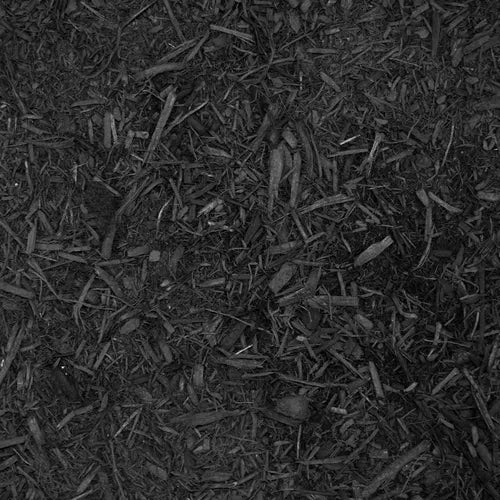
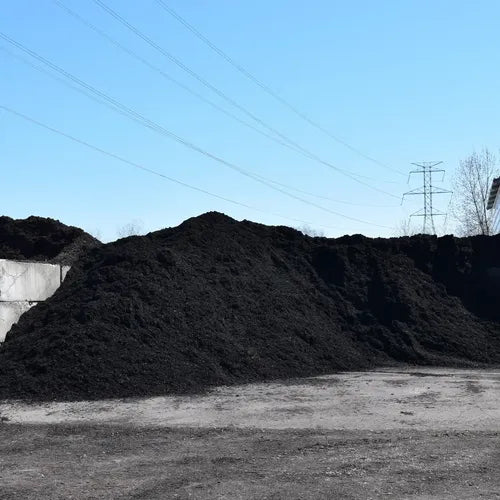
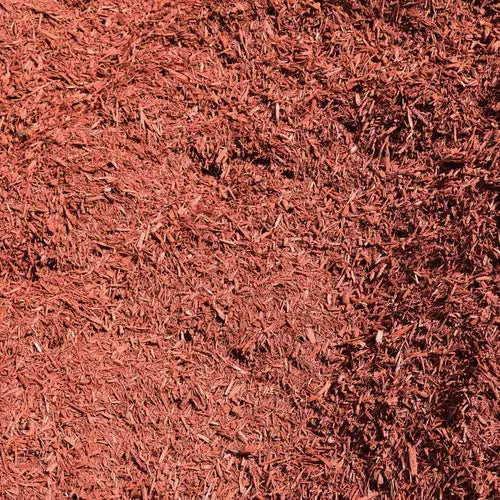
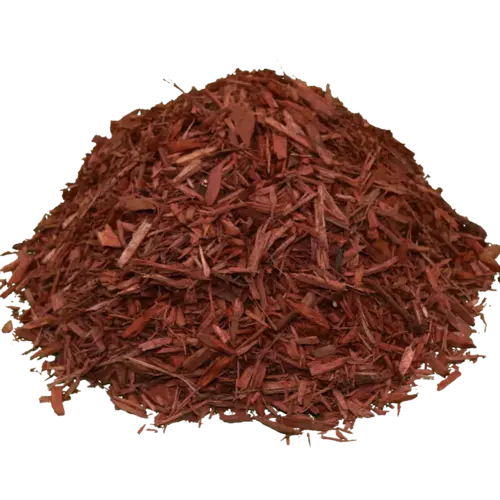
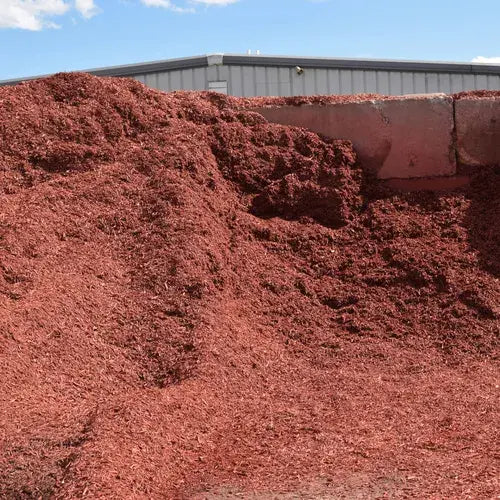
Double shredded cedar with natural pest deterrent oils and a rich aroma. Repels insects, resists decay, and keeps beds looking fresh longer than most mulches.
Mulch Mound made it so easy! So happy with the pricing, turn around time, delivery and product. I submitted my online order on a Thursday. The mulch was delivered to the designated location by a local landscape company at 8:30 a.m. the following Saturday morning. We had the...
Tell us what you're looking for
Thanks! We received your request.
Something went wrong. Please try again.
How Much Material Do I Need?
For most Brookfield planting beds over clay loam soil, two to three inches of mulch depth provides adequate insulation and weed suppression without restricting the drainage clay already struggles with. Beds in full sun or on slight slopes may benefit from the full three inches to compensate for faster moisture loss.
Use our free mulch calculator
What is a yard?
A yard is approximately 27 cubic feet. As a general guideline, one yard of material can cover an area of about 10 feet by 10 feet at a few inches deep.
We can't take orders for this right now. Tell us what you need and we'll get back to you.
What do you need?
Thanks! We received your request.
Something went wrong. Please try again.
Hand-picked local yards
4,000+ regional deliveries
Dedicated support
Why order through Mulch Mound
The best local mulch, without the guesswork.
We hand-pick and partner with the best yards in your region, keep only the ones our buyers rate well, and back each load with our guarantee.
Mulch Mound Guarantee
If your mulch isn't the quantity or quality you ordered, we'll make it right.
About this mulch
Double shredded cedar with natural pest deterrent oils and a rich aroma. Repels insects, resists decay, and keeps beds looking fresh longer than most mulches.
Mulch Mound made it so easy! So happy with the pricing, turn around time, delivery and product. I submitted my online order on a Thursday. The mulch was delivered to the designated location by a local landscape company at 8:30 a.m. the following Saturday morning. We had the...
How Much Material Do I Need?
For most Brookfield planting beds over clay loam soil, two to three inches of mulch depth provides adequate insulation and weed suppression without restricting the drainage clay already struggles with. Beds in full sun or on slight slopes may benefit from the full three inches to compensate for faster moisture loss.
Use our free mulch calculator
What is a yard?
A yard is approximately 27 cubic feet. As a general guideline, one yard of material can cover an area of about 10 feet by 10 feet at a few inches deep.
Mulch Mound made it so easy! So happy with the pricing, turn around time, delivery and product. I submitted my online order on a Thursday. The mu...
Read full review
Mulch Mound made it so easy! So happy with the pricing, turn around time, delivery and product. I submitted my online order on a Thursday. The mulch was delivered to the designated location by a local landscape company at 8:30 a.m. the following Saturday morning. We had the job completed by that afternoon. We chose the natural brown mulch, and the plant beds are beautiful.
Good quality, great price, fast delivery. All online - no submitting forms and waiting for days for quotes. Getting mulch should be this easy fr...
Read full review
Good quality, great price, fast delivery. All online - no submitting forms and waiting for days for quotes. Getting mulch should be this easy from everyone. Only Mulch Mound is ACTUALLY this simple.
I highly recommend Mulch Mound. The quality of the mulch is very good. The ordering system on their website makes it very easy. The delivery driver...
Read full review
I highly recommend Mulch Mound. The quality of the mulch is very good. The ordering system on their website makes it very easy. The delivery driver did a great job placing the mulch on the driveway. To finish off, the pricing was very reasonable as well.
When measuring your beds, walk the perimeter and note both the length and width of each section — irregular shapes are easiest to break into rectangles for a quick estimate. Brookfield's clay loam holds moisture longer than sandy soils, so err on the lower end of depth recommendations (two inches rather than three) in shaded or north-facing beds that dry out slowly. Adding up all your bed square footage before ordering ensures you get everything in one delivery and avoid a second trip fee.
Mulch vs. No Mulch: The Difference
Brookfield's climate puts mulch through its paces — cold winters slow decomposition while warm, humid summers accelerate it, so what you choose matters for both longevity and soil health. Natural hardwood mulch breaks down over one to two seasons and feeds the clay loam soil with organic matter that genuinely improves its structure over time. Dyed mulch holds its color through more rain events and UV exposure, which is appealing for high-visibility front yard beds, but it breaks down more slowly and contributes less to long-term soil improvement.
Before
After
Best Mulch Choice for Brookfield Lawns
Most yards in the Brookfield area sit on Clay Loam type of soil. Brookfield's clay loam soil compacts under foot traffic and heavy rainfall, creating a dense layer that restricts root penetration and slows drainage in planting beds. Choosing the right mulch helps protect the soil surface and gradually improve its structure as the material decomposes.
Hardwood Mulch
Hardwood mulch is particularly well-suited to Brookfield's clay loam beds because as it decomposes, it introduces organic matter that loosens clay particles, improves aggregate structure, and creates small air pockets that let plant roots penetrate more easily — essentially doing slow, passive soil amendment work with every passing season.
Mulch Types We Deliver in Brookfield
Mulch Mound offers bulk mulch delivery in Brookfield by the cubic yard, dropped straight to your driveway or landscape bed with no bags to haul. The region's clay-heavy soils and cold Wisconsin winters mean the right mulch cover makes a real difference for plant health and moisture retention. Whether you are refreshing a front bed or lining a tree ring, we make ordering simple.
Natural Brown Mulch
Double-shredded natural hardwood in a warm brown tone, this mulch is the all-purpose choice for beds, borders, and tree rings. It breaks down gradually, supporting the clay-heavy soils common in this part of Wisconsin, and pairs well with a wide range of home styles and garden layouts.
Dyed Black Mulch
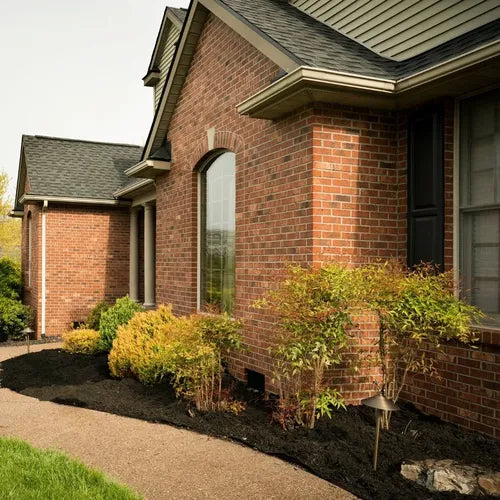
Double-shredded and dyed a deep, even black, this mulch creates a sharp contrast against green foliage, stone edging, and lighter siding. It suits Wisconsin yards with formal or modern landscaping and holds its color well through spring rains and summer heat.
Dyed Red Mulch
Double-shredded in a vibrant, lasting red, this mulch adds bold color to landscape beds throughout the growing season. It works well alongside evergreen shrubs and lighter stone borders common in this part of Wisconsin, giving front yards a polished, high-contrast look.
Cedar Mulch
Double-shredded Cedar Mulch is made from natural cedar with mild insect-repelling properties, a smart pick for beds near the home. The color holds well through Wisconsin's seasonal swings, and the fine texture blends neatly into formal garden beds and relaxed backyard borders.
Complete Your Outdoor Mulch Project
If you're refreshing mulch this season, it's also a great time to address the clay loam soil underneath — our bulk topsoil and garden soil blends can be worked into beds to improve drainage and nutrient availability before you top-dress with mulch. Adding a border of decorative stone around your beds gives a clean edge that holds mulch in place through Brookfield's spring rain events.
Before spreading fresh mulch in spring, pull back any matted material left from last year's layer in Brookfield's shadier beds. Clay loam stays damp under compacted mulch through our cool springs, and that moisture can encourage fungal issues like artillery fungus. Loosening old mulch before adding the new layer promotes airflow and keeps the material performing the way it should through the growing season.
Mulch Mound Pro Tip
Time your fall mulch application for late October, right after the first frost around October 14th but before the ground freezes solid. Mulching too early in fall can actually keep soil warm enough to encourage late growth on perennials, leaving tender new shoots vulnerable to the first hard freeze. Waiting until after that first frost ensures you're insulating dormant plants — not encouraging them to keep growing into dangerous temperatures.
Mulch Mound Pro Tip
Brookfield receives around 34 inches of rainfall annually, with a good portion falling in heavy spring and early summer storms. That kind of precipitation can wash lightweight mulch out of sloped beds during a hard rain — if you have grades in your yard, choose a shredded hardwood mulch over bark nuggets, since the shredded material knits together and resists displacement far better when a downpour hits.
Frequently Asked Questions
Click a question to see the answer
Answer
How thick should I apply mulch in Brookfield given our clay soil?
Two to three inches is the sweet spot for Brookfield's clay loam beds. Clay loam already drains slowly, and piling mulch too deep — four inches or more — can trap excess moisture against plant crowns and encourage root rot. Aim for two inches in wet, shaded areas and three inches in full-sun beds where evaporation is faster.
Answer
When is the best time of year to mulch my beds in Brookfield?
Most Brookfield homeowners get the best results mulching twice a year: once in mid-May after the last frost risk passes around May 7th, and again in late October after the first frost around October 14th. The spring application preserves soil moisture heading into summer, while the fall layer insulates roots before the ground freezes hard.
Answer
Will mulch help with the weeds I get every spring in my Brookfield yard?
Absolutely — a consistent three-inch layer of mulch blocks the sunlight that dormant weed seeds in Brookfield's clay loam need to germinate. Clay soil tends to hold weed seeds close to the surface through the freeze-thaw cycles of winter, so a fresh application every spring is one of the most effective ways to cut down on hand-weeding through June and July.
Answer
Does mulch break down faster in Brookfield's climate compared to warmer states?
Yes — Brookfield's Zone 5b winters slow microbial activity significantly, meaning mulch decomposes more slowly in the cold months. The real breakdown happens during the warm, humid stretches of June through August. Hardwood mulch typically needs refreshing every one to two years here, while finer wood chip blends may break down within a single growing season.
Answer
Is colored or dyed mulch safe to use around my vegetable garden in Brookfield?
For vegetable gardens and edible plant beds, we recommend natural undyed hardwood mulch. The dyes used in colored mulch are generally considered safe, but in a food-growing context most Brookfield gardeners prefer to keep it simple and avoid any uncertainty. Natural mulch also breaks down and feeds your clay loam soil with organic matter, gradually improving its structure over time.
Answer
How much mulch do I need for a typical Brookfield suburban yard with multiple garden beds?
A good starting estimate for a typical Brookfield home with a few established beds totaling around 400 square feet is roughly two cubic yards at a two-inch depth. If you're refreshing mulch around foundation plantings plus a backyard perennial border, three to four cubic yards is a common order size. Use our calculator on this page to dial in the exact quantity based on your measured bed dimensions.
Answer
Will mulch help protect my plants from Brookfield's late spring cold snaps after May?
It definitely helps. Even after the average last frost date of May 7th, Brookfield can see overnight temperatures dip into the upper 30s through mid-May. A two- to three-inch mulch layer keeps soil temperatures more stable, which protects tender feeder roots from cold shock. It won't replace a frost cloth if a hard freeze is predicted, but it buffers the daily temperature swings that stress plants most.
The Unique Landscape of Brookfield
Brookfield's clay loam soil is a double-edged sword for homeowners — it holds nutrients well but compacts easily under foot traffic and freeze-thaw cycles, suffocating root systems over time. A consistent layer of mulch acts as a buffer between that dense soil and the elements, keeping beds loose and workable throughout the growing season. With Waukesha County's winters regularly pushing hard frosts by October 14th, unprotected plant roots face dangerous temperature swings as the ground heats and cools between fall storms. Mulch insulates those root zones, slowing the soil temperature fluctuations that can heave shallow-rooted perennials right out of the ground. Brookfield also sits at 828 feet of elevation, meaning late-spring cold snaps after the May 7th last frost are common — a well-mulched bed gives transplants and early perennials the thermal cushion they need to survive a surprise cold night. Keeping beds mulched year-round isn't just about aesthetics here; it's one of the most practical tools for managing the unique demands of southeast Wisconsin's climate.