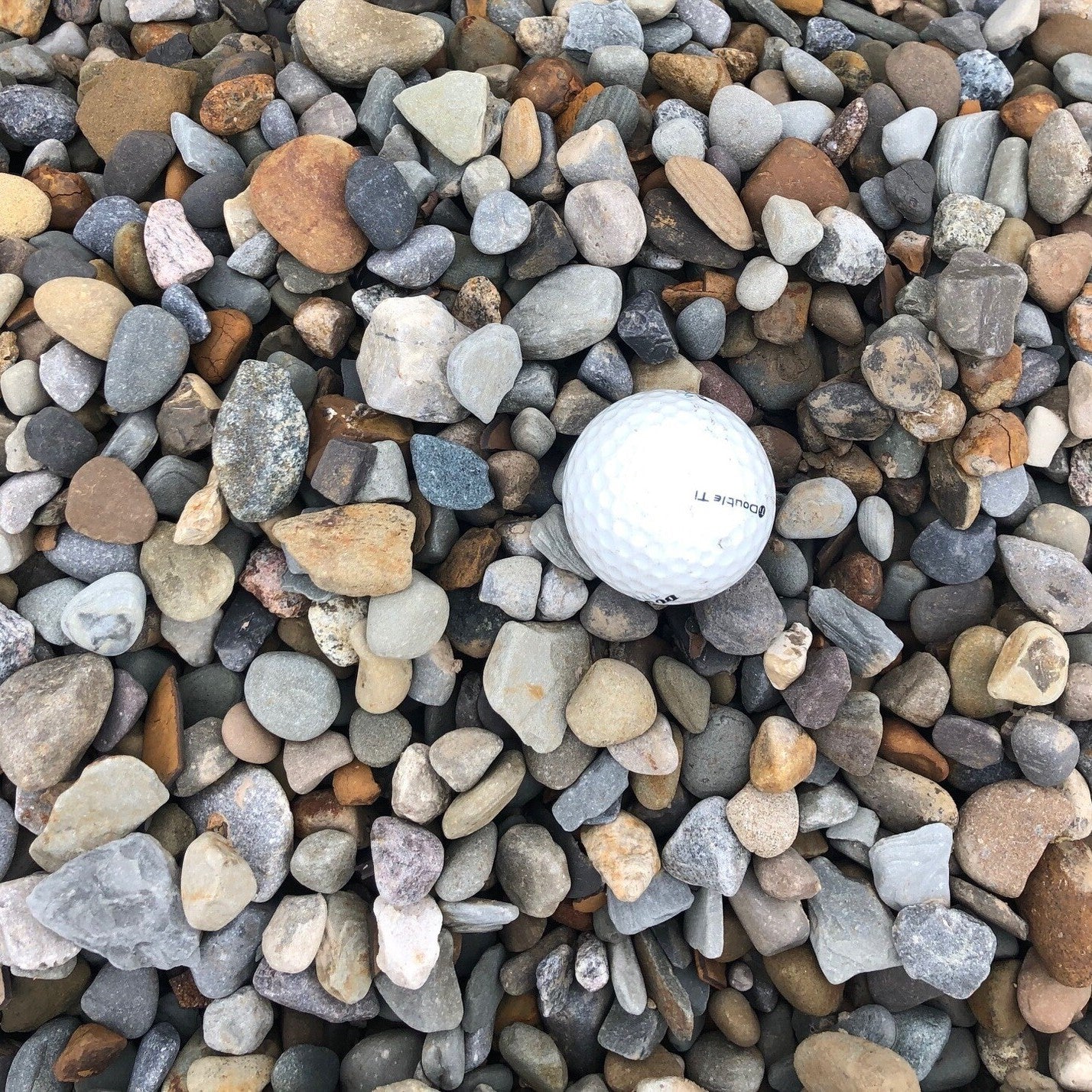
Number 57 crushed stone, angular limestone graded to about three quarters of an inch. The standard driveway, base and drainage gravel, it locks together under traffic and drains fast.
I used Mulch Mound to have 3 cubic yards of garden soil delivered. The process was easy and I love that I didn't have to call anyone. I placed my order online, picked my delivery date, laid out my tarp and the dirt was delivered. My delivery had to be pushed back, but I was ke...
Tell us what you're looking for
Thanks! We received your request.
Something went wrong. Please try again.
How Much Material Do I Need?
Decorative stone beds in Brookfield perform best at three to four inches of depth, which is enough to suppress weeds and maintain good surface coverage even as the material settles into the clay loam underneath. For drainage channels, dry creek beds, and foundation borders, four to six inches ensures effective water management through Brookfield's wetter spring months.
Use our free gravel calculator
What is a yard?
A yard is approximately 27 cubic feet. As a general guideline, one yard of material can cover an area of about 10 feet by 10 feet at a few inches deep.
What is a ton?
A ton is approximately 2,000 pounds. Coverage varies by stone type and depth, but as a general guideline, one ton covers roughly 80-100 square feet at 2 inches deep.
We can't take orders for this right now. Tell us what you need and we'll get back to you.
What do you need?
Thanks! We received your request.
Something went wrong. Please try again.
Hand-picked local yards
4,000+ regional deliveries
Dedicated support
Why order through Mulch Mound
The best local stone, without the guesswork.
We hand-pick and partner with the best yards in your region, keep only the ones our buyers rate well, and back each load with our guarantee.
Mulch Mound Guarantee
If your stone isn't the quantity or quality you ordered, we'll make it right.
About this stone
Number 57 crushed stone, angular limestone graded to about three quarters of an inch. The standard driveway, base and drainage gravel, it locks together under traffic and drains fast.
I used Mulch Mound to have 3 cubic yards of garden soil delivered. The process was easy and I love that I didn't have to call anyone. I placed my order online, picked my delivery date, laid out my tarp and the dirt was delivered. My delivery had to be pushed back, but I was ke...
How Much Material Do I Need?
Decorative stone beds in Brookfield perform best at three to four inches of depth, which is enough to suppress weeds and maintain good surface coverage even as the material settles into the clay loam underneath. For drainage channels, dry creek beds, and foundation borders, four to six inches ensures effective water management through Brookfield's wetter spring months.
Use our free gravel calculator
What is a yard?
A yard is approximately 27 cubic feet. As a general guideline, one yard of material can cover an area of about 10 feet by 10 feet at a few inches deep.
What is a ton?
A ton is approximately 2,000 pounds. Coverage varies by stone type and depth, but as a general guideline, one ton covers roughly 80-100 square feet at 2 inches deep.
I used Mulch Mound to have 3 cubic yards of garden soil delivered. The process was easy and I love that I didn't have to call anyone. I placed my o...
Read full review
I used Mulch Mound to have 3 cubic yards of garden soil delivered. The process was easy and I love that I didn't have to call anyone. I placed my order online, picked my delivery date, laid out my tarp and the dirt was delivered. My delivery had to be pushed back, but I was kept informed via text, which was great. So why not 5 stars? The description of garden soil on the website is "A balanced mix of topsoil and organic amendments ready for raised beds, flower gardens, and new planting areas. Good drainage, solid nutrients, easy to work with." What I got was more like fill dirt. It had a lot of gravel, a lot of clay, and random trash mixed in. I didn't test the soil to see if it actually had "amendments" because I already have compost and alpaca manure ready to add, but if I'd known the quality of the dirt was going to be the same as the bagged dirt I bought last year, I probably would have gotten 2 yards of top soil and a yard of leaf compost for better quality, especially since the leaf compost is cheaper. Photo of my mountain of dirt and just some of the trash I found in it.
Measure your stone project area carefully before ordering — length times width gives you square footage, and then divide by 12 and multiply by your desired depth in inches to get cubic feet, which you can then convert to cubic yards by dividing by 27. For drainage applications along Brookfield foundations or downspout channels, err on the generous side with depth since the clay loam underneath will eventually cause some settling. Ordering slightly more than the minimum ensures you have material to top off the project without placing a second delivery order.
Stone Types We Deliver in Brookfield
Mulch Mound brings bulk stone directly to your property by the cubic yard, making it easy to tackle any landscape project with the right material. Homeowners searching for bulk gravel by the yard in Brookfield will find a full selection of stone sizes ready for delivery. From simple pathway edging to complete yard drainage solutions, we handle the logistics so you can focus on the results.
Pea Gravel
Pea gravel is one of the most versatile stones available, and it suits the mix of traditional and modern home styles found across this part of Wisconsin. Its smooth, rounded edges and warm earth tones work beautifully on garden pathways, patios, and around drainage areas where heavy spring rains demand reliable water movement.
1-2" River Stone
The 1-2 inch river stone is a popular choice for homeowners creating dry creek beds or decorative ground cover in areas where clay-heavy soils make proper drainage a constant consideration. Its smooth surface and natural color palette complement both contemporary and traditional yard designs common throughout this region.
2-4" River Stone
The 2-4 inch river stone makes a bold statement in feature landscaping and works well as a low-maintenance ground cover in Wisconsin's freeze-thaw climate. Its generous size discourages weeds and stays in place through wet spring conditions, making it a practical and attractive option for accent beds and borders.
Complete Your Outdoor Stone Project
Stone beds pair well with a border of quality topsoil or garden soil on either side if you're transitioning to planted areas, giving your greenery a better growing medium right up to the edge of the gravel zone. Adding mulch to the planted sections adjacent to your stone features creates a cohesive, layered look that handles Brookfield's drainage demands in different ways depending on what each zone of the yard needs.
Before placing any decorative stone in Brookfield, take the extra step of compacting the clay loam subgrade and laying a quality woven landscape fabric — not the cheap plastic sheeting — across the entire bed. Clay loam's tendency to shift through freeze-thaw cycles can cause stone to sink and develop low spots within a season or two if the base isn't properly prepared. A well-set foundation means your stone bed stays level and attractive for years without needing to be rebuilt.
Mulch Mound Pro Tip
If you're using stone along a Brookfield downspout or runoff channel, size matters more than aesthetics. Smaller decorative gravel gets displaced by fast-moving water during heavy summer storms; choose a larger, angular crushed stone of at least 1.5 to 2 inches for any area that will carry moving water. Waukesha County's summer thunderstorms can dump significant rain in a short window, and undersized stone will migrate into your lawn or beds within the first season.
Mulch Mound Pro Tip
Consider the color of your stone choice against the backdrop of a Brookfield winter — natural gray limestone, buff-toned river rock, and dark basalt all read very differently against snow cover, and your stone will be visible for five or more months of the year without any competing greenery around it. Choosing a tone that complements your home's exterior in a bare, winter landscape is just as important as how it looks in summer when flowers and foliage draw the eye elsewhere.
The Unique Landscape of Brookfield
Stone is one of the most practical and long-lasting landscaping investments a Brookfield homeowner can make, especially given the drainage demands that come with clay loam soil and 34 inches of annual rainfall. Unlike organic materials, stone doesn't compact, wash away, or need seasonal refreshing — it holds its place through freeze-thaw cycles, heavy spring rains, and summer drought without requiring any intervention. In a climate where October frosts arrive by the 14th and lawns go dormant for five-plus months, stone elements maintain visual structure in the landscape year-round when everything else has died back. Decorative gravel and crushed stone are also highly effective tools for managing drainage in Brookfield's tight clay soil — placed strategically along downspout runoff paths, foundation borders, and low-lying areas, they slow water movement and reduce erosion that bare soil would suffer through. Pathways surfaced with stone stay firm and walkable even after spring rains that turn mulched or grassed areas into muddy messes. For homeowners who want a landscape that looks sharp twelve months a year with minimal ongoing maintenance, stone is often the smartest addition to a Brookfield yard.
Frequently Asked Questions
Click a question to see the answer
Answer
What type of stone works best for a backyard pathway in Brookfield?
Pea gravel and crushed limestone are the most popular choices for Brookfield backyard paths. Pea gravel is comfortable underfoot and stays put reasonably well on flat ground, while crushed limestone compacts into a firmer surface that's less likely to migrate — an important consideration given Brookfield's spring rain events that can shift loose stone on any grade. For a path with any slope at all, crushed stone with angular edges is the better bet.
Answer
Can stone help with the drainage problems I have along my Brookfield foundation?
Yes — a four- to six-inch deep bed of washed river rock or crushed gravel along your foundation is one of the most effective ways to manage surface water in Brookfield's clay loam environment. It keeps soil from splashing against siding during rain events, prevents the soil surface from sealing over (which happens with bare clay loam), and directs water away from the structure. Pair it with positive grade in the topsoil underneath for best results.
Answer
Will decorative stone around my Brookfield trees and beds hold up through our winters?
Stone is completely unaffected by Brookfield's winters — it doesn't break down, shift from frost heaving, or lose color through freeze-thaw cycles the way mulch and other organic materials do. In fact, stone beds look just as sharp in February as they do in July, which is one of the main reasons homeowners in our area use it around evergreen foundation plantings and other year-round landscape features.
Answer
How deep should I install gravel for a low-maintenance bed in my Brookfield yard?
For decorative gravel beds, three to four inches of depth is generally recommended over a layer of landscape fabric. Because Brookfield's clay loam drains slowly, the fabric layer is particularly important here — it keeps stone from gradually sinking into the clay over time, which happens faster in our soil type than in sandier conditions. Four inches gives you enough depth that the stone stays visible and weed seeds can't easily root through it.
Answer
Is stone a good replacement for mulch in Brookfield's lower-maintenance areas?
For purely low-maintenance areas — particularly around foundation plantings, utility areas, or sections of the yard that don't have deep-rooted plants — stone is an excellent mulch alternative in Brookfield. It doesn't feed the soil the way organic mulch does, so it's not the right call for active planting beds where you want soil improvement over time. But for structural, evergreen, or ornamental areas where you want a once-and-done solution, stone will outlast mulch by decades.
Answer
What's the best stone to use for erosion control on a sloped area of my Brookfield yard?
For slopes, angular riprap or larger crushed stone — two to four inch pieces — is far more effective than pea gravel or smooth river rock, which can roll downhill during Brookfield's heavier rain events. The angular edges of crushed stone lock together and resist displacement. For steeper slopes, consider stepping up to river rock in the four- to six-inch range, which stays in place even during the kind of heavy summer storms that hit Waukesha County.
Answer
How much stone do I need to cover a 200-square-foot gravel bed in Brookfield?
At a three-inch depth, a 200-square-foot bed requires approximately 1.9 cubic yards of stone — so rounding up to two cubic yards is a safe order. Brookfield's clay loam subgrade means you won't lose as much material to sinking in the first season as you would over sandy soil, but it's still worth having a small surplus on hand to top off any thin spots after the stone settles.
Answer
Is there a stone yard near Brookfield?
Whether you're building a drainage bed for Brookfield's clay loam soil, you can haul Clear Stone home from a stone yard yourself or have it delivered straight to your driveway. Mulch Mound is not a quarry or a place you visit, so you order online by the cubic yard and we drop it where you want it. That saves you the loading, the trailer, and the trip.