Skip to product information
1 of 5

Carmel Soil Delivery

Carmel Soil Delivery

Regular price $49.50 per yard
Regular price Sale price $49.50
Sale Sold out
Type

One yard covers about 100 square feet at 3 inches. Carmel projects vary widely depending on whether you're leveling or building beds.
Use our free soil calculator

A yard is approximately 27 cubic feet. As a general guideline, one yard of material can cover an area of about 10 feet by 10 feet at a few inches deep.

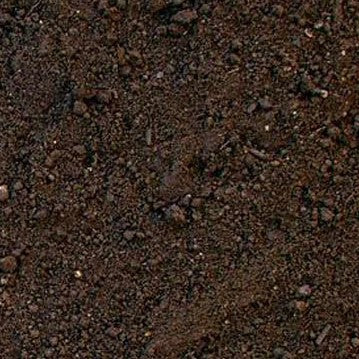
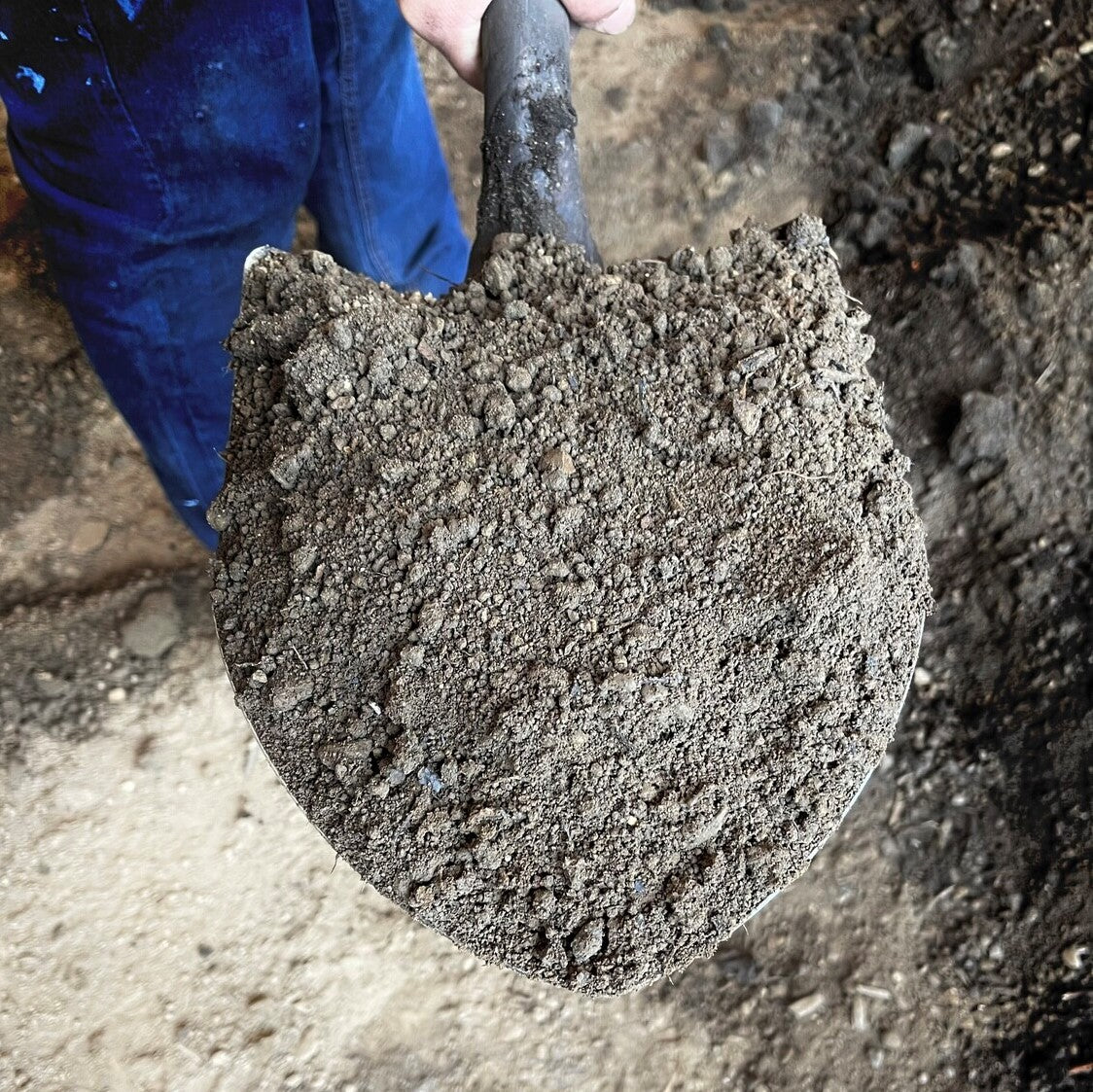
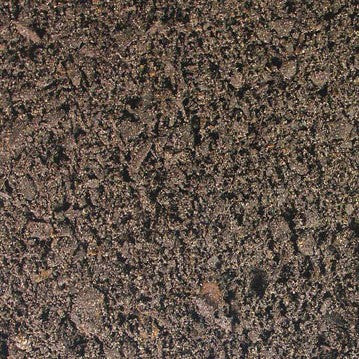
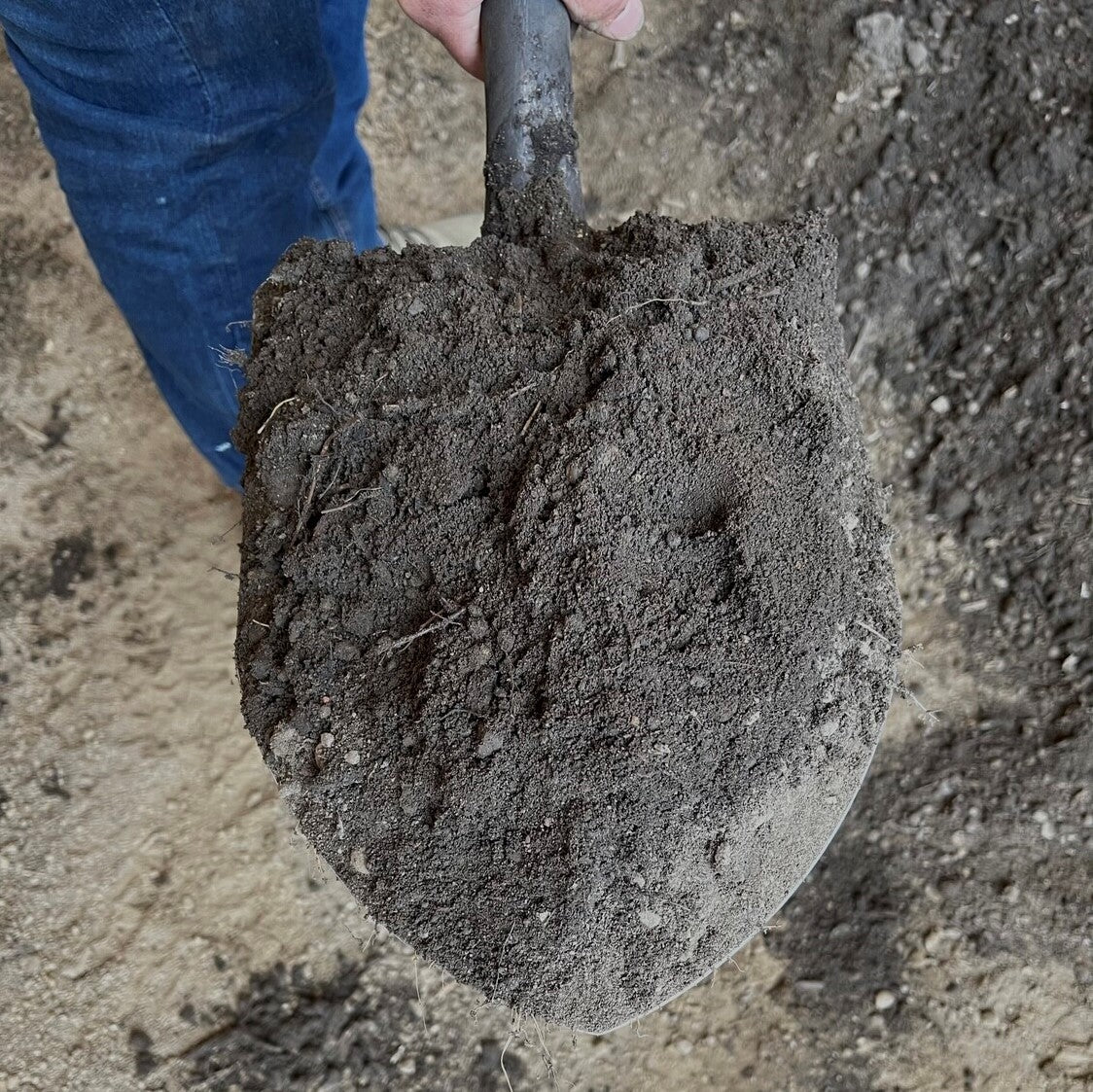
Quality topsoil screened to remove debris and ensure consistency. Carmel projects of all sizes benefit from its clean texture and reliable performance in lawns, gardens, and landscape improvements. Starting with good topsoil saves time and money later. Carmel plants grow stronger, lawns establish faster, and drainage works better when the base material is right.

View full details

How It Works

Getting started is easy — just follow these simple steps

1

Choose your soil

Make sure you adjust the quantity to your home's needs. You can use our calculator to estimate how much you'll need.

2

Select your delivery date

Select a delivery date you'd like for the product to be dropped off at your home

3

Sit back and wait

Sit back, wait, and let us work our magic to make sure the highest quality product is delivered to your driveway.

What Carmel Customers Like About Our Soil

4.9
out of 5 based on 99 reviews
Google Reviews

Need Help Calculating How Much Soil You Need?

Use our NEW Trace from Satellite tool to get an estimate for your project based on an aerial view of your property

Try Our Calculator
📍

Planning a soil project in Carmel? Use the satellite trace tool to map your area and estimate yardage at different depths. Light fills level lawns; heavier depths prep beds for planting in our humid continental climate.

Complete Your Outdoor Soil Project

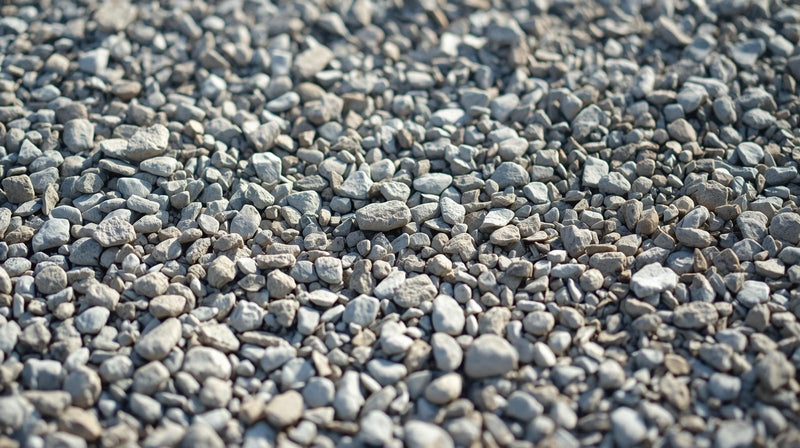
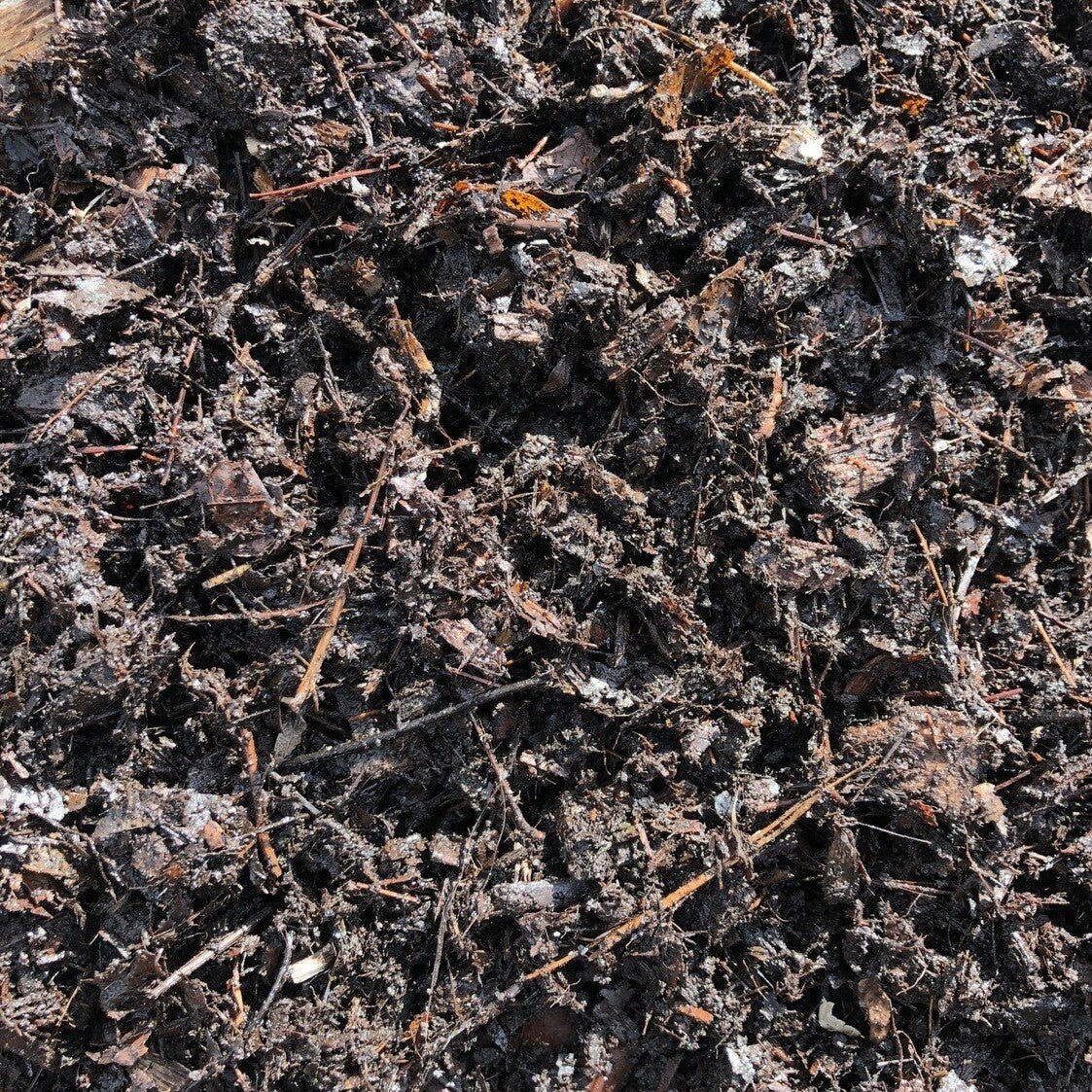
Soil prep goes further with mulch on top. It locks in moisture and blocks weeds on silt loam ground. Add stone for Carmel paths that hold up.

Frequently Asked Questions

Click a question to see the answer

Answer

Should I order extra?

Always order 10% extra to account for settling. You'd rather have leftover than fall short mid-project.

Answer

What soil is best for raised beds?

Raised bed mix combines topsoil, compost, and drainage amendments. Better than using Carmel's silt loam directly—especially for vegetables.

Answer

Can I leave special instructions?

Definitely. Notes section at checkout handles gate codes, placement details, access warnings—whatever helps.

Answer

Why is my soil compacting?

Foot traffic, rain impact, and lack of organic matter all compact soil. In Carmel's silt loam, compaction happens faster. Add compost yearly.

Answer

How do I fill a raised bed?

For deep beds, start with coarse material (sticks, leaves) at the bottom, then fill with raised bed mix. Leave 2 inches for mulch.

Answer

Is new soil safe for pets?

Plain soil and compost are pet-safe. Wash paws after digging. Avoid soil with added fertilizers if your dog eats dirt.

Answer

What soil for containers?

Potting mix, not garden soil. Garden soil compacts in pots and drains poorly. Container plants need the aeration potting mix provides.

Mulch Mound Pro Tip

Check soil drainage after filling low spots or creating new beds. Dig a test hole, fill with water, and time how long it takes to drain. More than an hour means poor drainage needs addressing.

Mulch Mound Pro Tip

Do not till new topsoil into heavy clay more than a few inches deep. Creating a layer of loose soil over dense clay actually traps water at the interface and drowns plant roots during wet periods.

Mulch Mound Pro Tip

Garden soil and topsoil are different products designed for different uses. Topsoil is screened native soil for general use. Garden soil includes amendments like compost and fertilizer already mixed in.

The Unique Landscape of Carmel

Carmel landscapes benefit from soil that holds moisture better and finishes to a smooth grade. In Carmel, Heavy rains can move material around, so re-leveling with fresh soil helps. It works well for garden beds, tree rings, and backfilling after planting. Avoid burying stems and plant crowns; keep soil below them and mulch after planting. With delivery, you can focus on grading and planting instead of hauling bags.