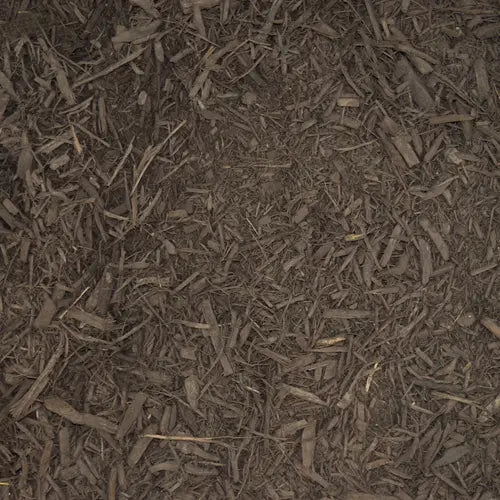
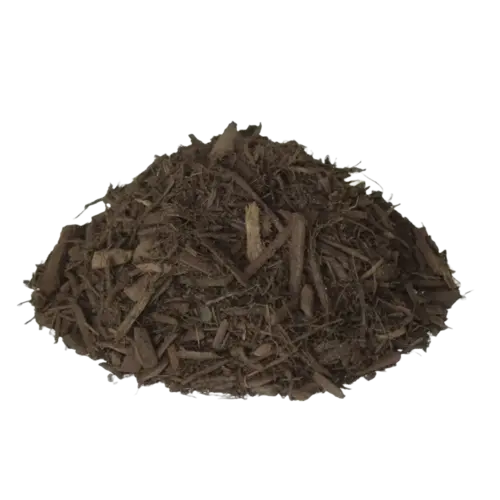
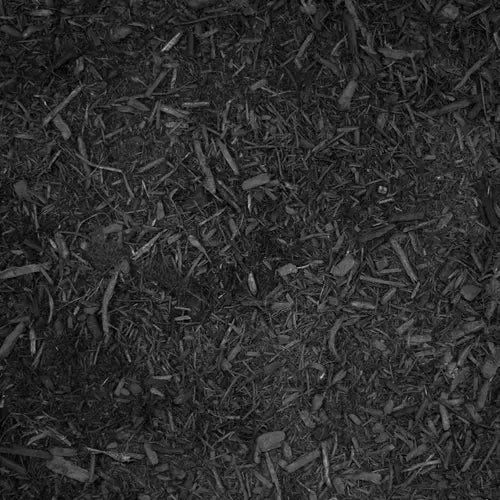
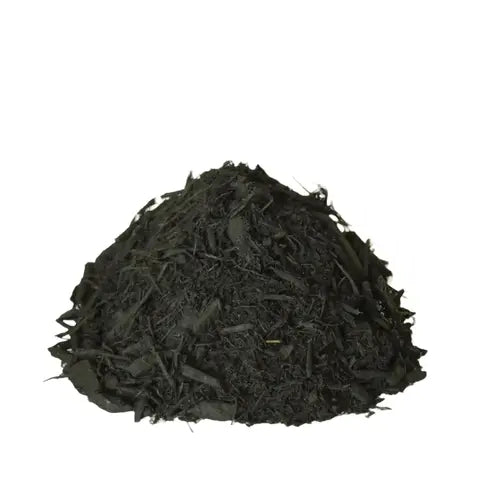
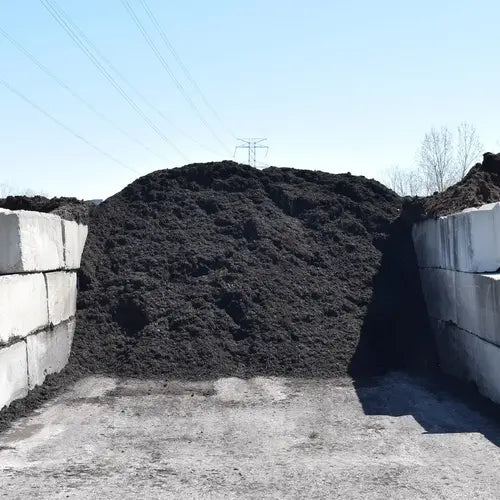
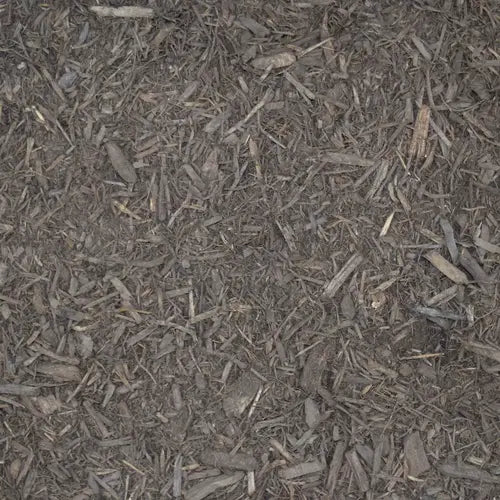
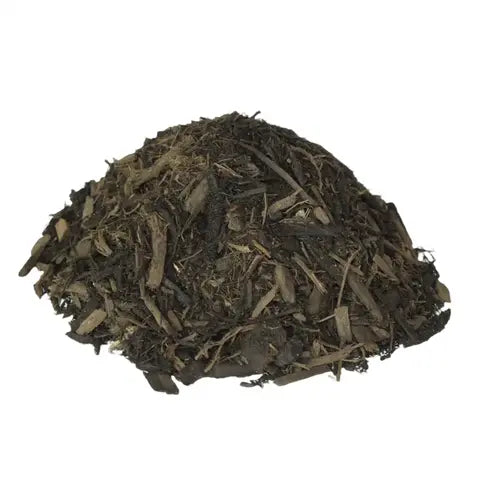
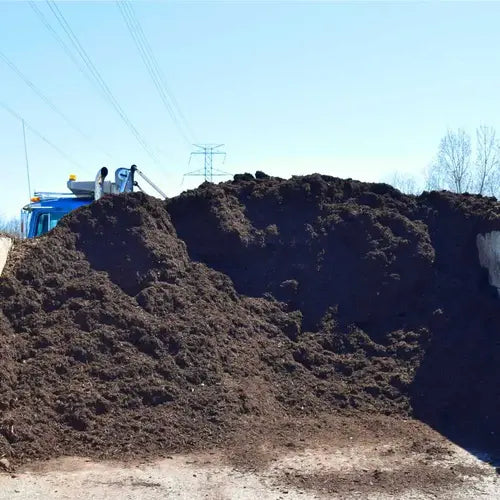
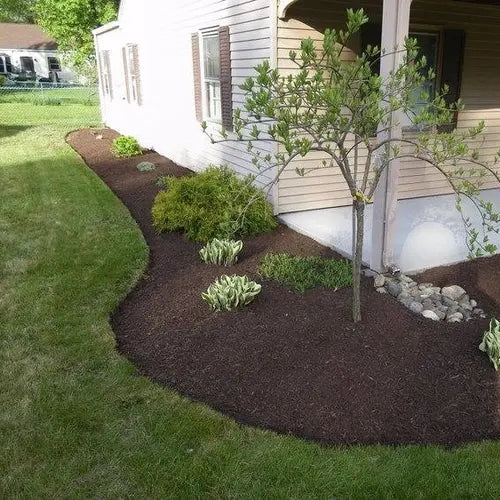
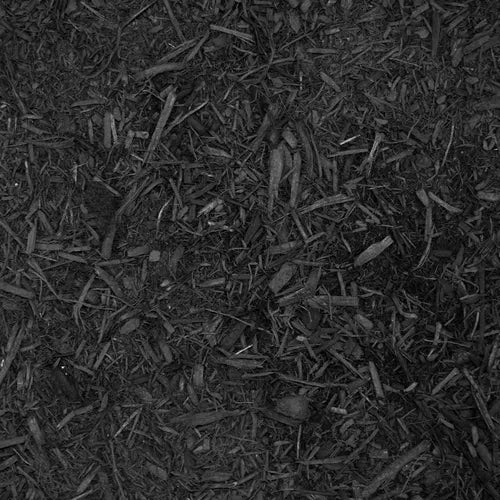
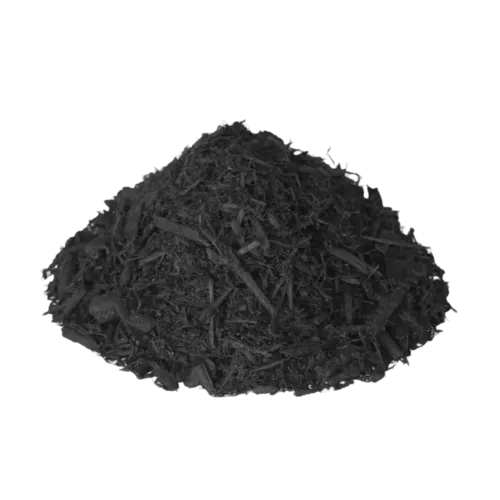
Warm brown double shredded mulch with lasting color that looks freshly applied for weeks. Spreads smooth, stays put, and gives beds a natural, polished appearance.
Mulch Mound delivered a yard of pea gravel to us. Delivery was on time, driver was friendly and hit a bullseye on the “tarp target”. We used the pea gravel (which was diameter as specified) to fill several muskrat holes around our pond. I would definitely recommend Mulch Mo...
Tell us what you're looking for
Thanks! We received your request.
Something went wrong. Please try again.
How Much Material Do I Need?
A 3-inch application is the recommended depth for Cedar Rapids's silt loam beds, deep enough to suppress weeds and buffer soil temperature without smothering roots in soil that already drains more slowly than coarser soil types. For tree rings, extend the mulch out toward the drip line and keep it pulled back a few inches from the trunk to prevent moisture buildup against the bark.
Use our free mulch calculator
What is a yard?
A yard is approximately 27 cubic feet. As a general guideline, one yard of material can cover an area of about 100-160 square feet at a 2-3 inch depth.
We hand-pick and partner with the best yards in your region, keep only the ones our buyers rate well, and back each load with our guarantee.
Mulch Mound Guarantee
If your mulch isn't the quantity or quality you ordered, we'll make it right.
About this mulch
Warm brown double shredded mulch with lasting color that looks freshly applied for weeks. Spreads smooth, stays put, and gives beds a natural, polished appearance.
Mulch Mound delivered a yard of pea gravel to us. Delivery was on time, driver was friendly and hit a bullseye on the “tarp target”. We used the pea gravel (which was diameter as specified) to fill several muskrat holes around our pond. I would definitely recommend Mulch Mo...
How Much Material Do I Need?
A 3-inch application is the recommended depth for Cedar Rapids's silt loam beds, deep enough to suppress weeds and buffer soil temperature without smothering roots in soil that already drains more slowly than coarser soil types. For tree rings, extend the mulch out toward the drip line and keep it pulled back a few inches from the trunk to prevent moisture buildup against the bark.
Use our free mulch calculator
What is a yard?
A yard is approximately 27 cubic feet. As a general guideline, one yard of material can cover an area of about 100-160 square feet at a 2-3 inch depth.
Mulch Mound delivered a yard of pea gravel to us. Delivery was on time, driver was friendly and hit a bullseye on the “tarp target”. We used the ...
Read full review
Mulch Mound delivered a yard of pea gravel to us. Delivery was on time, driver was friendly and hit a bullseye on the “tarp target”. We used the pea gravel (which was diameter as specified) to fill several muskrat holes around our pond. I would definitely recommend Mulch Mound to a friend!
I can’t say enough good things about Mulch Mound! If you read my review below you will see I had a problem with my order. Mulch Mou...
Read full review
UPDATE!
I can’t say enough good things about Mulch Mound! If you read my review below you will see I had a problem with my order. Mulch Mound was quick to respond and solved the issue with my delivery. Will definitely be a customer next year.
First time purchase from Mulch Mound!! First what I liked! Easy to order online and straight forward pricing and delivery. The driver was on time and courteous and delivered my Mulch exactly where I requested! The product is of good quality and comparable to others I have purchased from before. Now what I DID’NT LIKE! I have been mulching the same house and yard for almost 20 years. I always order the same amount and don’t have any issues with covering the same area but this year I fell about a yard short. I was home when the mulch was delivered and when the driver dumped it I noticed that it seemed a bit less than I was used to. I didn’t apply it any thicker than usual and probably a bit thinner than usual because I was worried about running out.
Measure your beds in feet and multiply length by width to get total square footage for each area. Cedar Rapids's mature landscapes often include curved beds around trees and layered perennial borders, so breaking those shapes into smaller sections and adding them up will give you a far more accurate total. Plan for a 3-inch depth as your baseline and add about 10 percent to your order to account for settling and any spots you may have underestimated.
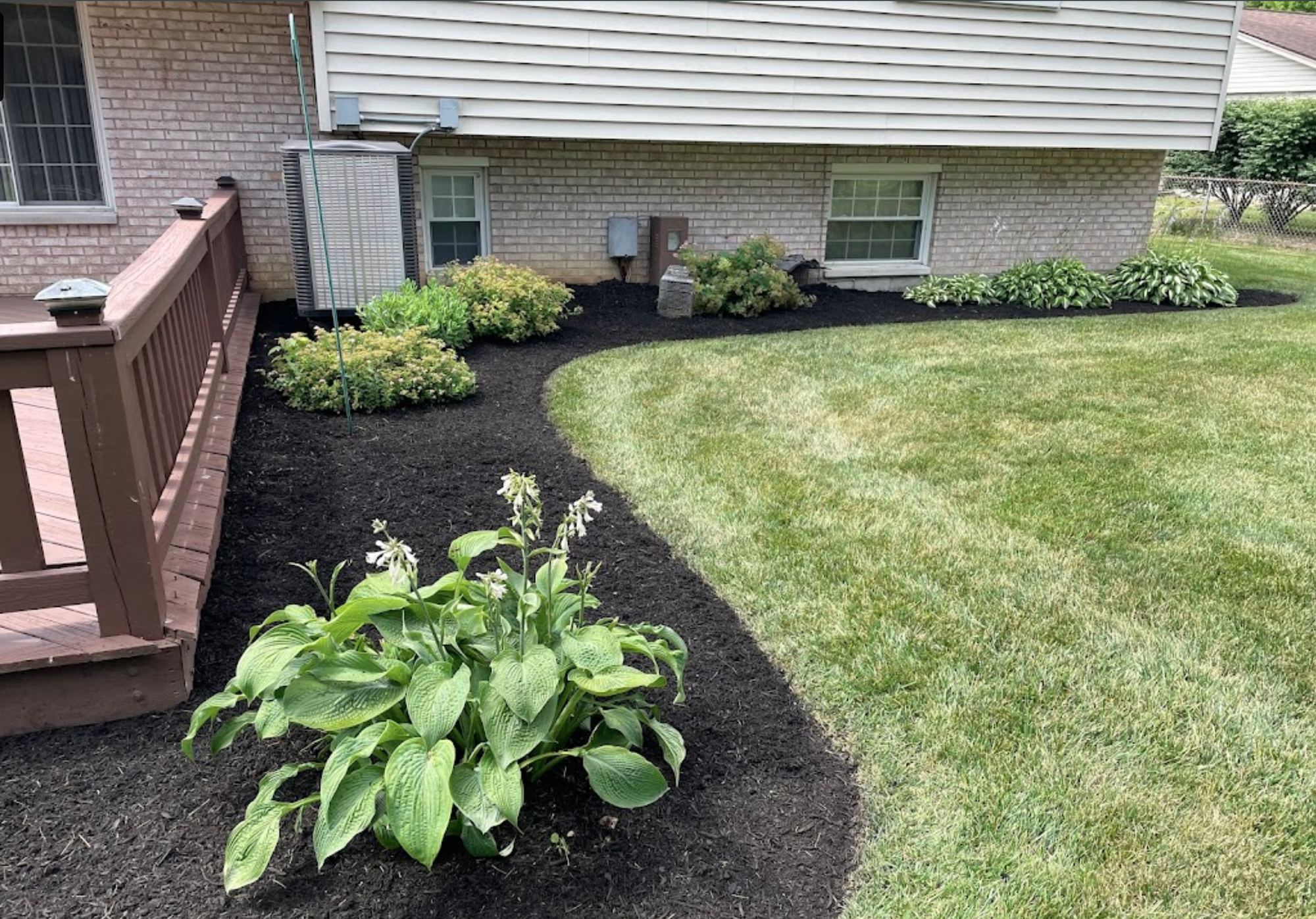
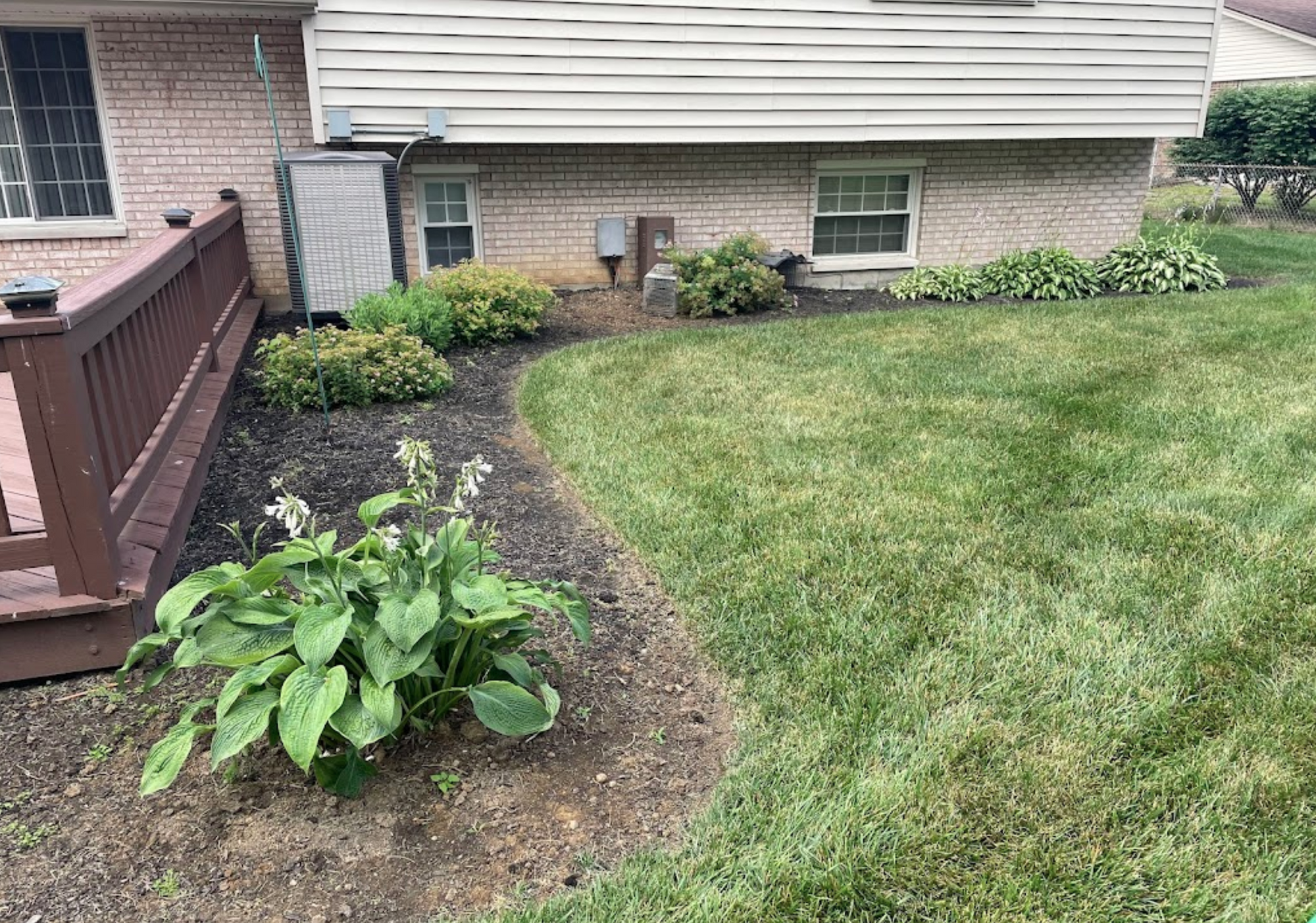
Mulch vs. No Mulch: The Difference
Cedar Rapids's warm, humid summers and 36 inches of annual rainfall create conditions that accelerate organic decomposition, meaning natural hardwood mulch breaks down noticeably faster here than it would in drier climates to the west. Dyed mulch uses colorfast binders that slow this breakdown process, giving beds a longer-lasting, uniform appearance through the full growing season without the need for mid-season top-dressing. Understanding how each type responds to our local weather patterns helps you choose the right product for both the visual appeal and the long-term soil health of your Cedar Rapids landscape.
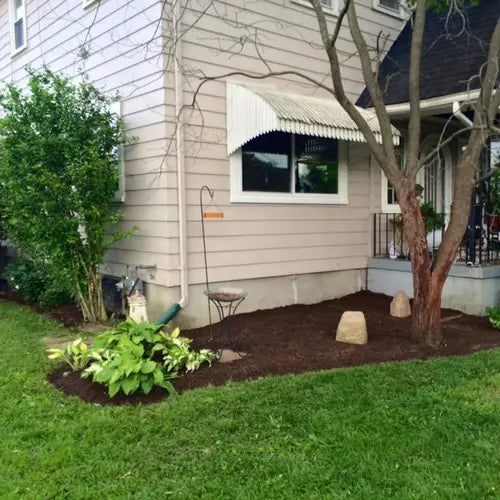
Before
After
Best Mulch Choice for Cedar Rapids Lawns
Most yards in the Cedar Rapids area sit on Silt Loam type of soil. Cedar Rapids's silt loam holds nutrients well but becomes compacted and prone to surface crusting after repeated rain events, which cuts off oxygen to plant roots and leaves beds looking bare, eroded, and vulnerable to weed invasion.
Hardwood Mulch
Hardwood mulch breaks down into fine organic matter that works its way into silt loam's dense structure over time, gradually improving both drainage and aeration so that Cedar Rapids plant beds become richer and more workable with every passing season.
Mulch Types We Deliver in Cedar Rapids
Mulch Mound brings bulk mulch delivery in Cedar Rapids straight to your driveway or garden beds by the cubic yard. Whether you are refreshing a modest front yard or tackling a larger backyard project, our local delivery makes it easy to get what you need without the hassle of hauling. Iowa's variable spring weather and clay-heavy soils make a fresh layer of mulch one of the simplest ways to protect plant roots and keep beds looking polished all season.
Dyed Black Mulch
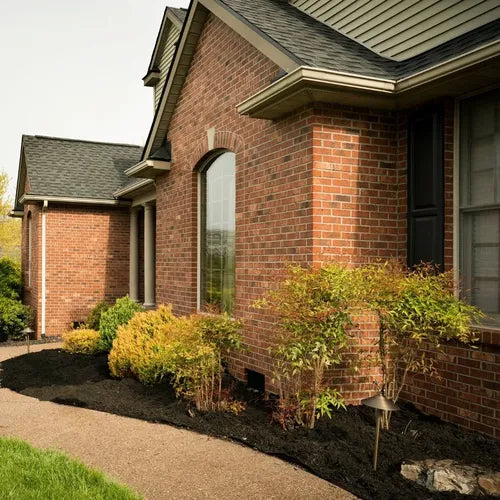
Dyed black double shredded mulch delivers a bold, high-contrast look that suits the brick and neutral-sided homes common across this part of Iowa. The rich color holds strong through hot, humid summers and wet springs, spreading smoothly around perennials and shrubs for a clean, polished finish from the street.
Dyed Brown Mulch
Warm brown double shredded mulch is the go-to choice for homeowners who want a natural, familiar look without sacrificing color life. It pairs well with the mixed perennial beds and established trees typical of Iowa yards, holding its earthy tone through summer heat and resisting washout on gently sloped beds.
Natural Brown Mulch
Undyed double shredded mulch brings a genuine, woodsy tone straight from the wood with no added color. It suits gardeners who prefer a low-key, organic look and works well around native plantings or vegetable beds. Iowa's clay-heavy soil benefits from the natural wood fiber breaking down and improving soil structure over time.
Complete Your Outdoor Mulch Project
Pair your mulch order with a bulk topsoil delivery to refresh low spots and correct grade issues before you mulch, since Cedar Rapids's silt loam settles unevenly after wet winters and spring thaw cycles. Decorative stone works beautifully alongside mulch for pathway borders and drainage channels that need to handle the runoff produced by our 36 inches of annual rainfall.
Cedar Rapids landscapes come alive fast once the last frost clears around May 8, and that spring rush is the best time to get mulch down before weeds get a foothold in fertile silt loam soil. Applying mulch in the two weeks after your last frost date gives you a clean, weed-free start to the growing season and sets your beds up for minimal maintenance through summer. Getting ahead of weed germination is far easier than trying to catch up once they are already established and competing with your perennials.
Mulch Mound Pro Tip
Pull existing mulch back from plant crowns and tree trunks before adding a fresh layer each season. Cedar Rapids's wet springs create persistently humid conditions at the soil surface, and mulch piled against stems or bark traps that moisture long enough to encourage rot and fungal problems in ornamental plants. Maintaining a 2-inch gap around any woody stem or trunk lets the plant stay dry and healthy while the surrounding mulch still does its job in the rest of the bed.
Mulch Mound Pro Tip
Cedar Rapids receives about 36 inches of rain annually, with a significant portion arriving in heavy spring and early summer storms that can move loosely applied mulch quickly. Choose a shredded hardwood or fibrous wood chip style that interlocks as it settles rather than a fine or nugget-style mulch that shifts easily in moving water. This keeps your beds looking sharp and the mulch in place after even the most intense Iowa thunderstorms, protecting the investment you made in a clean, finished landscape.
Frequently Asked Questions
Click a question to see the answer
Answer
How deep should I apply mulch in Cedar Rapids given our freeze-thaw winters?
In Zone 5b, where ground temperatures swing dramatically between October and April, a 3-inch layer is the sweet spot for most ornamental beds. Going thinner leaves roots exposed to the frost heave that is common after our late-fall temperature swings. Going thicker than 4 inches risks creating low-oxygen conditions in Cedar Rapids's naturally dense silt loam, which already drains more slowly than sandy soils and can trap harmful moisture against plant crowns.
Answer
Will mulch help with the silt loam compaction we get in our yard after a wet spring?
Yes, significantly. Cedar Rapids's silt loam compacts easily, especially after the repeated wetting and drying cycles that our 36 inches of annual rainfall produces throughout spring and early summer. A mulch layer cushions the soil surface, reduces the raindrop impact that drives compaction, and as it breaks down over time it adds organic matter that gradually loosens the soil structure and improves aeration for plant roots.
Answer
When is the best time of year to put down fresh mulch in Cedar Rapids?
The ideal window is mid-spring, after the ground has warmed past our last frost around May 8 but before summer heat sets in and weeds get established. Mulching too early traps cold soil and delays warming in Zone 5b beds. A second light top-dressing in late September, just before the first frost arrives around October 6, helps insulate root systems and protect them through the long Iowa winter.
Answer
Does natural hardwood mulch or dyed mulch break down faster in Cedar Rapids's climate?
Natural hardwood mulch decomposes more quickly in Cedar Rapids because it has no dye binders slowing microbial activity in the soil. Our warm, humid summers accelerate breakdown, meaning natural mulch typically needs refreshing every season to maintain adequate depth. Dyed mulch holds its color longer and breaks down more slowly, making it a practical choice for high-visibility beds where you want a consistent, polished appearance throughout the full growing season.
Answer
How many cubic yards of mulch do I need for my flower beds?
Measure the length and width of each bed in feet, multiply them together for total square footage, then divide by 100 to get the cubic yards needed for a 3-inch layer. Cedar Rapids beds often have irregular shapes around mature trees and established shrubs, so it helps to break those curved or odd-shaped areas into smaller rectangles, calculate each one, and add them together. Our on-page calculator handles all of this math automatically once you enter your dimensions.
Answer
Will mulch really make a difference for the weed pressure we deal with every spring?
A 3-inch mulch layer blocks the sunlight that weed seeds need to germinate, and Cedar Rapids's highly fertile silt loam is particularly productive ground for weeds like creeping Charlie, crabgrass, and thistle. Mulch will not eliminate every weed, but it dramatically reduces the population and makes the weeds that do emerge much easier to pull because the soil underneath stays loose and moist rather than baked and hard.
Answer
Is cedar mulch a better choice than hardwood mulch for Cedar Rapids landscapes?
Cedar mulch has natural oils that repel certain insects and resist decay, making it a smart choice for beds near foundations or in shaded areas where moisture tends to linger through Cedar Rapids's rainy springs. Hardwood mulch breaks down faster and feeds the soil more readily, which benefits planting beds where you want to build organic matter in our silt loam over multiple seasons. Both are excellent options and the right choice depends on whether your priority is longevity and pest resistance or faster soil improvement.
The Unique Landscape of Cedar Rapids
Cedar Rapids is built on a silt loam base that holds moisture well but compacts quickly under foot traffic and the repeated freeze-thaw cycles common in Zone 5b winters, leaving plant beds prone to surface crusting between rain events. Without a protective mulch layer, bare silt loam in Cedar Rapids loses warmth rapidly after the first frost arrives around October 6, stressing root systems heading into the cold months. The city receives about 36 inches of rain annually, but that moisture comes unevenly, with heavy spring deluges followed by dry summer stretches that leave beds swinging between waterlogged and parched. Mulch acts as a buffer against both extremes, slowing runoff during spring storms and retaining soil moisture through July and August dry periods. Cedar Rapids homeowners also deal with silt loam crusting after heavy rains, which cuts off air to roots and creates the perfect conditions for weed germination in fertile native soil. A consistent 3-inch mulch layer addresses all of these local challenges in a single application.