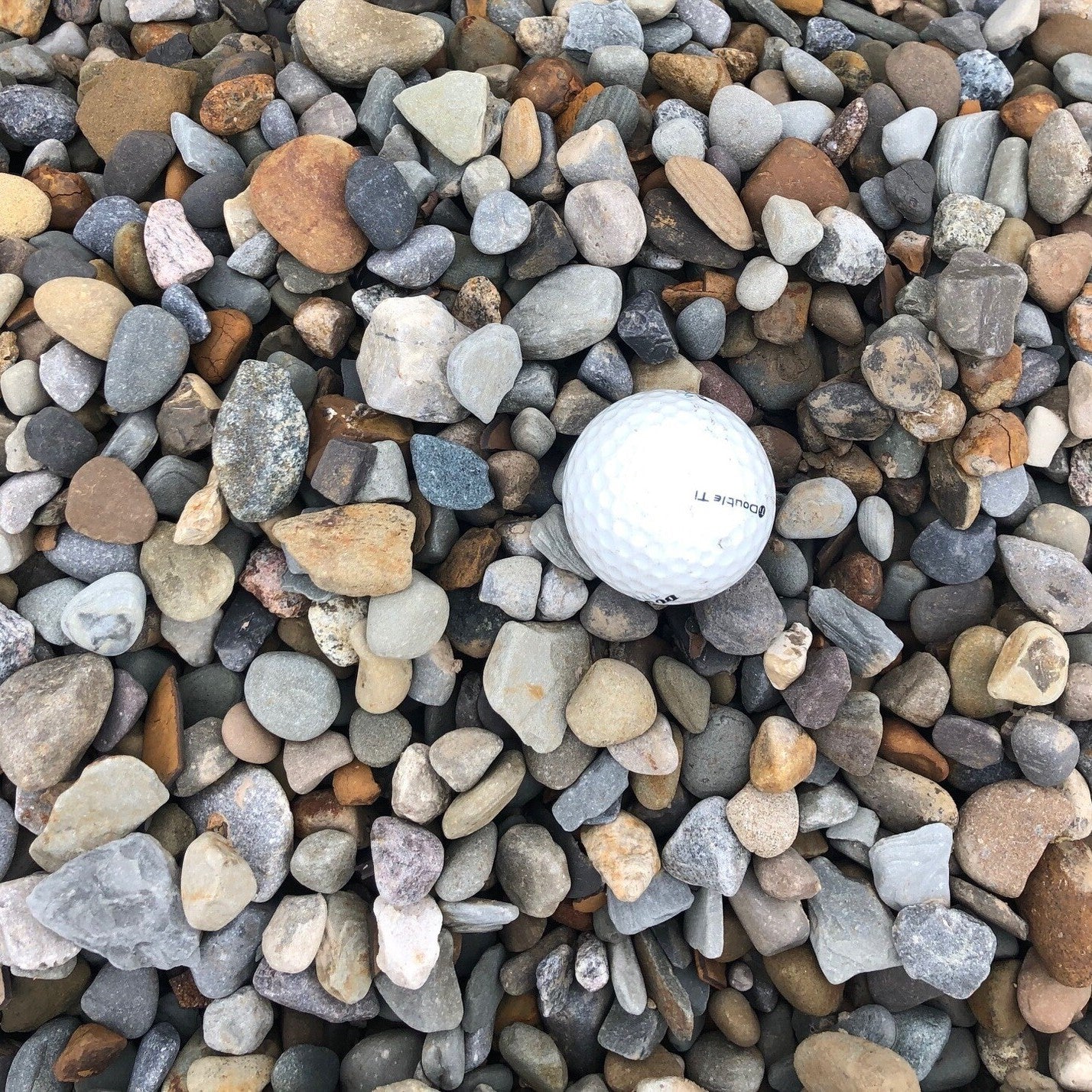
Number 57 crushed stone, angular limestone graded to about three quarters of an inch. The standard driveway, base and drainage gravel, it locks together under traffic and drains fast.
I contacted Mulch Mound for #57 river rocks and it was easy and fast to get a delivery right before the holiday weekend. Stone was delivered as promised and place exactly where I asked. Excellent service! I will be ordering mulch next!
Tell us what you're looking for
Thanks! We received your request.
Something went wrong. Please try again.
How Much Material Do I Need?
For decorative beds and pathways in Cedar Rapids, a 3-inch depth of stone provides adequate coverage and enough weight to stay in place through our wet springs and hard Zone 5b winters. Drainage channels and erosion control areas on slopes benefit from a slightly deeper 4-inch layer to handle the higher water flow volumes that are common during Cedar Rapids's spring storm season.
Use our free gravel calculator
What is a yard?
A yard is approximately 27 cubic feet. As a general guideline, one yard of material can cover an area of about 100-160 square feet at a 2-3 inch depth.
We can't take orders for this right now. Tell us what you need and we'll get back to you.
What do you need?
Thanks! We received your request.
Something went wrong. Please try again.
Hand-picked local yards
4,000+ regional deliveries
Dedicated support
Why order through Mulch Mound
The best local stone, without the guesswork.
We hand-pick and partner with the best yards in your region, keep only the ones our buyers rate well, and back each load with our guarantee.
Mulch Mound Guarantee
If your stone isn't the quantity or quality you ordered, we'll make it right.
About this stone
Number 57 crushed stone, angular limestone graded to about three quarters of an inch. The standard driveway, base and drainage gravel, it locks together under traffic and drains fast.
I contacted Mulch Mound for #57 river rocks and it was easy and fast to get a delivery right before the holiday weekend. Stone was delivered as promised and place exactly where I asked. Excellent service! I will be ordering mulch next!
How Much Material Do I Need?
For decorative beds and pathways in Cedar Rapids, a 3-inch depth of stone provides adequate coverage and enough weight to stay in place through our wet springs and hard Zone 5b winters. Drainage channels and erosion control areas on slopes benefit from a slightly deeper 4-inch layer to handle the higher water flow volumes that are common during Cedar Rapids's spring storm season.
Use our free gravel calculator
What is a yard?
A yard is approximately 27 cubic feet. As a general guideline, one yard of material can cover an area of about 100-160 square feet at a 2-3 inch depth.
I contacted Mulch Mound for #57 river rocks and it was easy and fast to get a delivery right before the holiday weekend. Stone was delivered as pro...
Read full review
I contacted Mulch Mound for #57 river rocks and it was easy and fast to get a delivery right before the holiday weekend. Stone was delivered as promised and place exactly where I asked. Excellent service! I will be ordering mulch next!
Measure the length and width of your stone coverage area in feet and multiply them to get total square footage. For a 3-inch layer, divide your square footage by 100 for a close cubic yard estimate that works well for most Cedar Rapids projects. Drainage channels and dry creek beds often have curved or tapering shapes, so break them into manageable sections, calculate each one, and add the totals together for the most accurate order quantity.
Stone Types We Deliver in Cedar Rapids
Mulch Mound delivers bulk stone by the cubic yard throughout Cedar Rapids, making it easy to complete drainage fixes, patio builds, and decorative landscaping without hauling material yourself. If you have been searching for crushed stone near me, our local delivery service brings the material directly to your property and drops it right where you need it. Iowa's clay-heavy soils and harsh freeze-thaw winters make choosing the right stone an important part of any lasting landscape project.
Pea Gravel
Smooth and rounded, pea gravel is a practical choice in yards where clay soil limits natural drainage. It lays beautifully along garden borders, backyard patios, and dry creek beds, and its warm, natural earth tones complement the brick and wood exteriors common in this part of Iowa.
Complete Your Outdoor Stone Project
Stone borders and drainage channels pair naturally with a fresh mulch installation in the planting beds they frame, creating a clean, finished look that performs well throughout Cedar Rapids's long growing season. If your project involves any grading or low spot correction before stone placement, a bulk topsoil delivery can address those issues first so your stone goes down on a stable, level base that holds its shape through freeze-thaw cycles.
Cedar Rapids's freeze-thaw cycles are hard on stone installations that lack an adequate compacted base beneath them. If you are installing a stone pathway or a decorative patio surface, take the time to excavate 4 to 6 inches and fill with compacted crushed limestone base material before adding your decorative top layer. This prevents the frost heave that commonly shifts flat stones and steppers out of alignment between October and April in Zone 5b, saving you the frustration and cost of resetting stones every spring.
Mulch Mound Pro Tip
Use landscape fabric under decorative stone in Cedar Rapids plant beds, but choose a woven geotextile rather than solid plastic sheeting. Cedar Rapids's silt loam needs to breathe and exchange gases with the surface to stay biologically active, and solid plastic traps water, creates low-oxygen conditions, and gradually kills the soil life beneath. Woven fabric blocks weed growth effectively while still allowing air and water to move through, keeping the soil beneath the stone healthy and functional even under a permanent decorative layer.
Mulch Mound Pro Tip
Cedar Rapids receives around 36 inches of rain annually, and a poorly designed stone installation can actually concentrate runoff and worsen drainage problems rather than solving them. Before placing stone in a low-lying or sloped area, observe where water naturally flows during a heavy rain event and design your stone placement to guide that flow toward a safe outlet away from your home. Stone placed across the natural path of concentrated runoff without a clear outlet creates pooling and can undermine adjacent plant beds and lawn areas over time.
The Unique Landscape of Cedar Rapids
Cedar Rapids's combination of heavy spring rainfall, Zone 5b freeze-thaw winters, and naturally dense silt loam soil creates ongoing challenges for homeowners managing water movement, erosion, and low-maintenance landscape areas on their properties. Decorative and functional stone products address all three of these challenges in ways that organic materials simply cannot match over the long term. Stone pathways and borders hold their position through our wet springs and hard winters without decomposing, shifting, or needing seasonal replacement the way mulch does. Drainage stone placed in swales and dry creek beds captures the runoff that Cedar Rapids's silt loam cannot absorb quickly during heavy storms and redirects it safely away from foundations and plant beds. Crushed limestone, river rock, and pea gravel also dramatically reduce ongoing maintenance in areas where mowing and bed upkeep is difficult, such as steep slopes, shaded foundation strips, and utility corridors. For Cedar Rapids homeowners seeking permanent, low-maintenance solutions to erosion and drainage problems, bulk decorative stone is one of the most practical long-term landscape investments available.
Frequently Asked Questions
Click a question to see the answer
Answer
What size stone works best for managing drainage in Cedar Rapids yards?
For drainage swales and dry creek beds in Cedar Rapids, 1.5 to 3 inch river rock or washed gravel works well because it allows water to move through quickly without washing away during heavy rain events. Cedar Rapids's silt loam sheds water rapidly during intense storms, so the stone in a drainage channel needs to be heavy enough to stay in place when runoff volume is high. Smaller pea gravel is better suited for pathways and decorative borders where water velocity is low and aesthetics are the priority.
Answer
Will decorative stone help with erosion on the sloped areas of my Cedar Rapids property?
Yes, stone is one of the most effective erosion control materials for Cedar Rapids slopes because it does not decompose, does not float away in heavy rain, and does not need seasonal replacement. Silt loam on slopes erodes quickly when it is exposed to the region's spring storms, and a 3 to 4 inch layer of angular crushed stone or river rock locks the surface in place while still allowing rainfall to infiltrate the soil rather than running off in damaging sheets.
Answer
How deep should I lay stone for a backyard pathway in Cedar Rapids?
A 3 to 4 inch layer of compacted base material topped with 2 inches of your chosen pathway stone gives you a stable, comfortable surface that holds up through Cedar Rapids's freeze-thaw winters without heaving. Skimping on depth is a common mistake in our Zone 5b climate, as frost penetration can push a thin stone layer out of level by the time spring arrives. A solid compacted base prevents this shifting and keeps your pathway looking even and safe season after season.
Answer
Does landscape stone require much maintenance given Cedar Rapids's climate?
Stone requires far less maintenance than mulch or turf, but Cedar Rapids's highly productive silt loam means that organic matter blows in and settles between stones over time, eventually creating a thin growing medium that allows weeds to take hold. A woven landscape fabric underlayer significantly reduces this problem, and an occasional rake-out or rinse with a garden hose each spring keeps stone beds looking clean and tidy. Compared to annual mulch refreshing, stone is still a dramatic time and cost savings over the years.
Answer
Is river rock or pea gravel a better choice for flower bed borders in Cedar Rapids?
Pea gravel's smooth, rounded texture makes it a popular decorative choice for bed borders and it stays in place reasonably well in flat areas throughout Cedar Rapids's growing season. River rock, being heavier and larger, is a better fit for beds that border slopes or areas where spring runoff concentrates during our wet months. Both options work beautifully from an aesthetic standpoint, but river rock is the more durable choice anywhere that water movement is a regular concern on the property.
Answer
Can I use stone to replace a lawn area in Cedar Rapids that refuses to grow grass?
Absolutely, and it is a very practical solution for shaded areas under Cedar Rapids's mature tree canopy, utility strips between sidewalks and streets, and north-facing foundation beds where turf consistently thins out despite reseeding efforts. Replacing struggling grass with decorative stone eliminates mowing, watering, and the annual frustration of patching bare spots that never fill in reliably. Use a woven weed barrier underneath, edge it cleanly with a metal or plastic border, and the result looks finished and holds up for years with minimal upkeep.
Answer
How do I figure out how much stone I need for my Cedar Rapids project?
For a 3-inch depth across a 10-by-20-foot area you will need roughly 1.85 cubic yards of stone. A practical rule of thumb is to calculate your square footage, divide by 100, and multiply by the intended depth in inches for a close cubic yard estimate. Cedar Rapids drainage channels and dry creek beds often have irregular shapes, so measure them in sections, calculate each part separately, and add the results together before placing your order, rounding up by about 10 percent to make sure you have enough to finish cleanly.
Answer
Is there a stone yard near Cedar Rapids?
Lining a drainage channel to carry spring rain off silt loam is a typical Cedar Rapids project, and the crushed stone for it comes straight to your driveway by the cubic yard. Mulch Mound is not a stone yard or a quarry, so you order online and we drop the load where you want it.