




Very happy with the ease of ordering. Delivery went exactly as planned. Garden soil looks great and couldn’t be happier.
About this soil
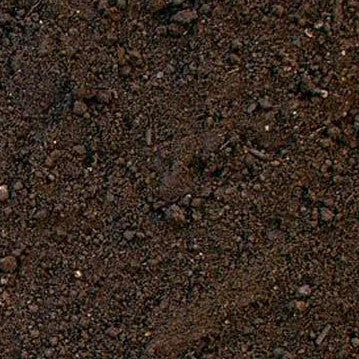
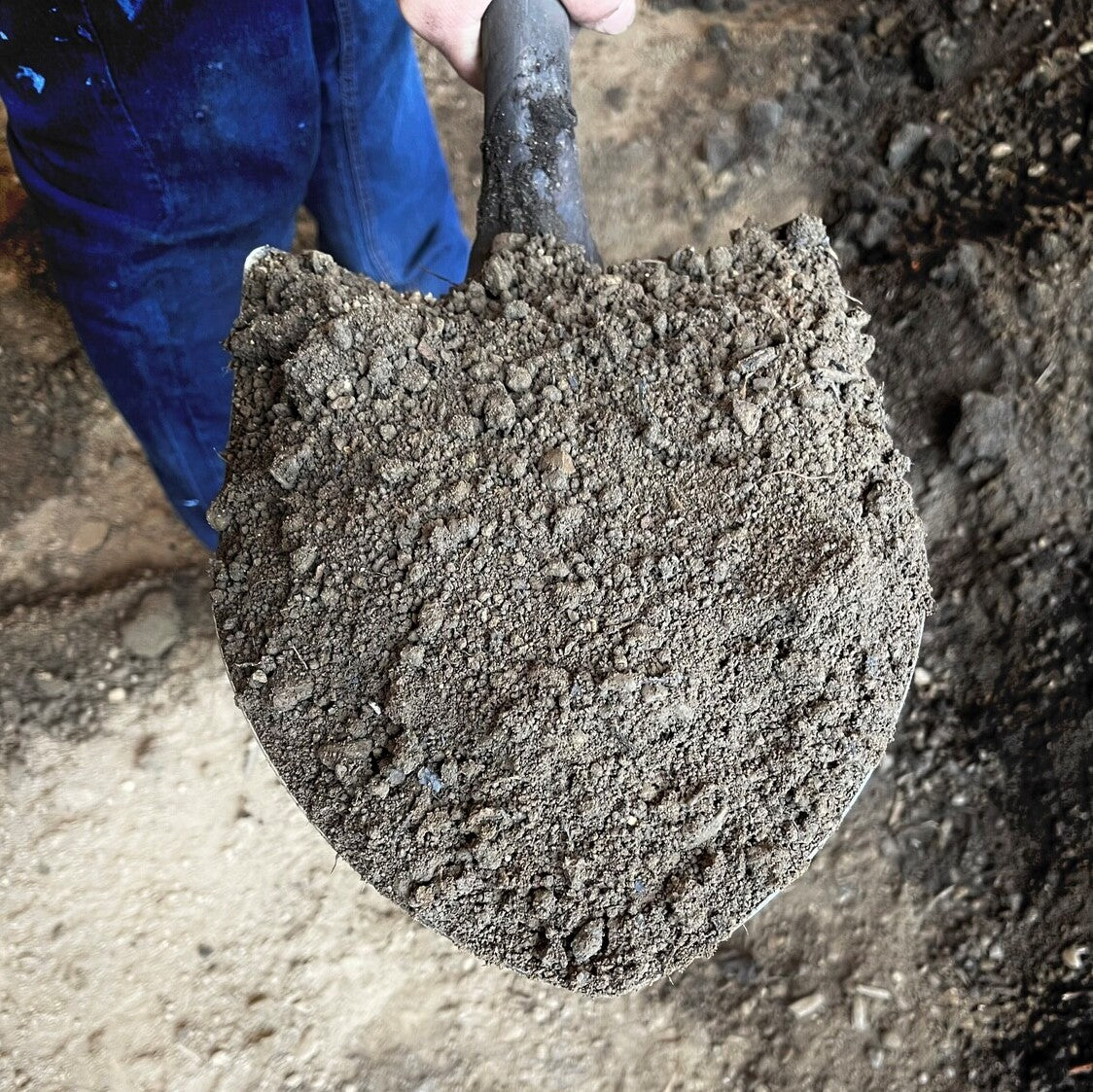
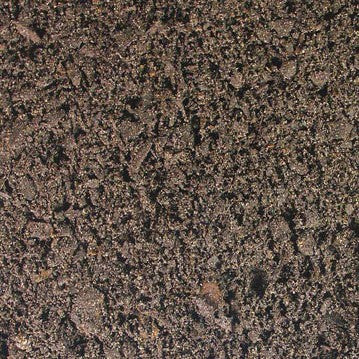
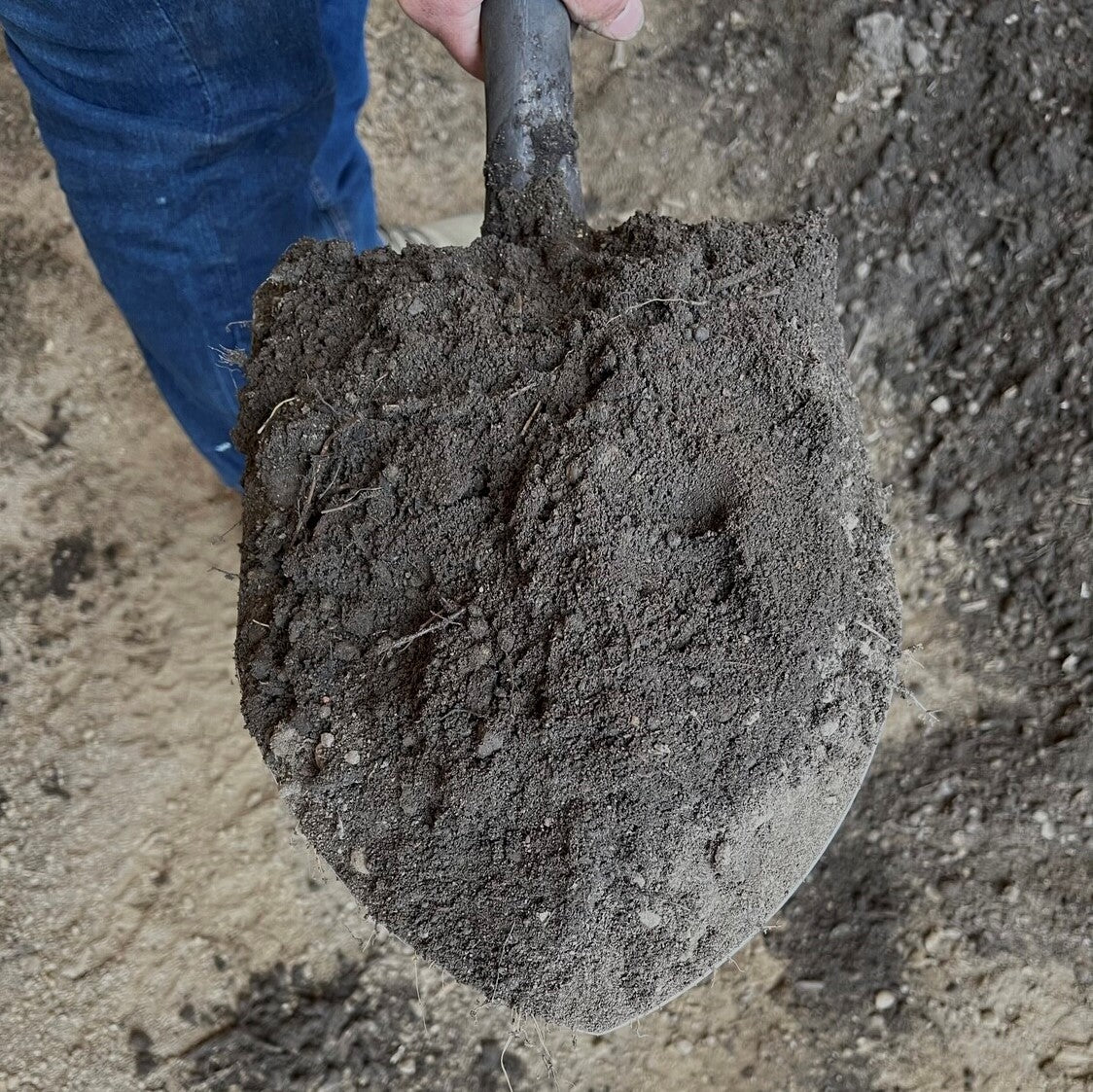
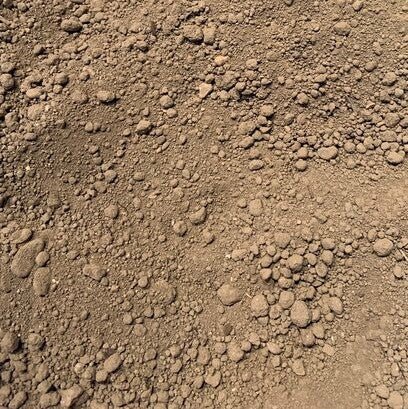
Quality topsoil for lawns, gardens, and landscape projects. Nutrient rich and ready to support strong root development and healthy plant establishment.
Very happy with the ease of ordering. Delivery went exactly as planned. Garden soil looks great and couldn’t be happier.
Tell us what you're looking for
Thanks! We received your request.
Something went wrong. Please try again.
How Much Material Do I Need?
How Much Material Do I Need?
For lawn leveling in Cedar Rapids's silt loam yards, 1 to 2 inches of screened topsoil is typically sufficient to correct shallow settling and improve surface drainage. For new raised beds or heavily compacted areas, plan for at least 12 inches of fresh soil to give plant roots adequate room to develop without immediately hitting the dense, compacted native ground beneath.
Use our free soil calculator
What is a yard?
What is a yard?
FAQs
FAQs
Cedar Rapids Soil Delivery
Cedar Rapids Soil Delivery
Regular price
$142.00
per
yard
Regular price
Sale price
$142.00
Unit price
per
Shipping calculated at checkout.
Minimum of 3 yard
Couldn't load pickup availability
Not currently available
We can't take orders for this right now. Tell us what you need and we'll get back to you.
Hand-picked local yards
4,000+ regional deliveries
Dedicated support
Why order through Mulch Mound
The best local soil, without the guesswork.
We hand-pick and partner with the best yards in your region, keep only the ones our buyers rate well, and back each load with our guarantee.
Mulch Mound Guarantee
If your soil isn't the quantity or quality you ordered, we'll make it right.
About this soil
Quality topsoil for lawns, gardens, and landscape projects. Nutrient rich and ready to support strong root development and healthy plant establishment.
Very happy with the ease of ordering. Delivery went exactly as planned. Garden soil looks great and couldn’t be happier.
How Much Material Do I Need?
How Much Material Do I Need?
For lawn leveling in Cedar Rapids's silt loam yards, 1 to 2 inches of screened topsoil is typically sufficient to correct shallow settling and improve surface drainage. For new raised beds or heavily compacted areas, plan for at least 12 inches of fresh soil to give plant roots adequate room to develop without immediately hitting the dense, compacted native ground beneath.
Use our free soil calculator
What is a yard?
What is a yard?
FAQs
FAQs
Tell us what you're looking for
Thanks! We received your request.
Something went wrong. Please try again.
How It Works
Getting started is easy — just follow these simple steps
1
Choose your soil
Make sure you adjust the quantity to your home's needs. You can use our calculator to estimate how much you'll need.
2
Select your delivery date
Select a delivery date you'd like for the product to be dropped off at your home
3
Sit back and wait
Sit back, wait, and let us work our magic to make sure the highest quality product is delivered to your driveway.

Really appreciate the care and follow thru that this company had with our order. A hiccup came up but they were quick to respond and address all co...
Read full review
Really appreciate the care and follow thru that this company had with our order. A hiccup came up but they were quick to respond and address all concerns, which made our garden day a success! Thank you for your prompt care.

Highest compliments. Great driver.
Website is easy to navigate. Just a seamless process. 5 stars!!
Need Help Calculating How Much Soil You Need?
Use our NEW Trace from Satellite tool to get an estimate for your project based on an aerial view of your property
Try Our CalculatorCalculate your project area by multiplying length by width in feet, then determine how deep you need to fill or top-dress based on your specific project type. Cedar Rapids lawn leveling projects typically need 1 to 2 inches, while raised vegetable beds require at least 12 inches of quality soil for deep-rooted crops. Divide your total cubic feet by 27 to convert to cubic yards, and round up to the nearest half yard to avoid running short at the end of the job.
Soil Types We Deliver in Cedar Rapids
Finding the right bulk topsoil by the yard in Cedar Rapids is easier when you can order everything from a single local delivery service. Iowa's heavy clay native ground and varied growing conditions mean different projects call for different soils, from clean screened topsoil to enriched planting mixes and aged compost. We deliver by the cubic yard directly to your property, making it simple to get exactly what your lawn or garden needs.
Screened Top Soil
Iowa's native ground can vary from heavy clay to sandy patches, and our screened topsoil gives you a clean, workable base that fills low spots, levels yards, and supports new sod or seed. It is nutrient rich and free of clumps, making it ideal for lawn repairs, garden borders, and general grading projects.
Planting Mix
This gardening blend of topsoil and compost works well for raised beds, container gardens, and vegetable plots where native soil struggles to drain or retain nutrients evenly. It delivers a balanced growing medium that supports strong root systems and makes planting easier whether you are starting seeds or transplanting established plants.
Garden Compost
Our aged leaf compost is a natural soil amendment that adds organic matter and improves moisture retention, which is especially useful in the heavy clay soils common across eastern Iowa. Mix it into garden beds or use it as a top dressing to encourage healthier plants through warm summers and cold Iowa winters.
Complete Your Outdoor Soil Project
After grading and filling with fresh topsoil, a layer of mulch over your planting beds protects the new soil surface from Cedar Rapids's heavy spring rains and keeps moisture consistent through our summer dry stretches. Decorative stone or gravel along edges and drainage channels manages the runoff that often concentrates in areas where soil grade has been corrected and bare soil is temporarily exposed.


Service area
Areas we deliver soil in Cedar Rapids, Iowa
Mulch Mound Pro Tip
Cedar Rapids's freeze-thaw cycles between November and March can shift freshly graded soil, especially in areas where the native silt loam sits close to the surface. After any major soil grading or fill work, allow the area to settle through at least one wet season before doing final grading or permanent planting. This approach saves you from re-doing work that frost heave or spring rain would otherwise undo and gives the new soil time to begin integrating naturally with the existing ground beneath it.
Mulch Mound Pro Tip
When filling raised beds in Cedar Rapids, avoid using pure topsoil alone. Silt loam-based topsoil can compact inside a contained raised bed more quickly than it does in open ground, cutting off air and drainage for vegetable roots over time. Blend your topsoil with compost at roughly a 60 to 40 ratio to keep the bed loose, fertile, and well-draining through the full growing season from May through October without needing to be turned every year.
Mulch Mound Pro Tip
Time your soil delivery and grading work to coincide with a dry stretch in the forecast. Cedar Rapids receives 36 inches of rain annually and a significant portion falls in unpredictable spring storms that can turn a grading project into a muddy setback overnight. Working wet silt loam compacts it and destroys the loose, workable structure you are trying to create, so waiting for two to three consecutive dry days before and after your soil work makes spreading, shaping, and seeding dramatically easier and more effective.
The Unique Landscape of Cedar Rapids
Cedar Rapids sits on a silt loam base that supports strong agricultural productivity but creates real challenges in residential landscapes where grading, drainage, and fertility all need active management. Silt loam compacts quickly under construction traffic, lawn equipment, and the repeated freeze-thaw cycles of Zone 5b winters, leaving many yards with low spots and hard, poorly draining patches that resist grass establishment. The city's 36 inches of annual rainfall, concentrated heavily in spring, means that low-lying areas stay waterlogged for extended periods, damaging turf and creating ideal conditions for moss, weeds, and standing water near foundations. Brought-in bulk topsoil and garden soil allow Cedar Rapids homeowners to correct these grades, build fertile raised beds above the compacted native ground, and create the loose, nutrient-rich growing environment that our long season demands. With a last frost around May 8 and a first frost around October 6, the growing window runs nearly five months, making good soil preparation one of the highest-return investments a homeowner can make in spring. Quality soil placed before planting pays dividends from late May all the way through fall harvest.