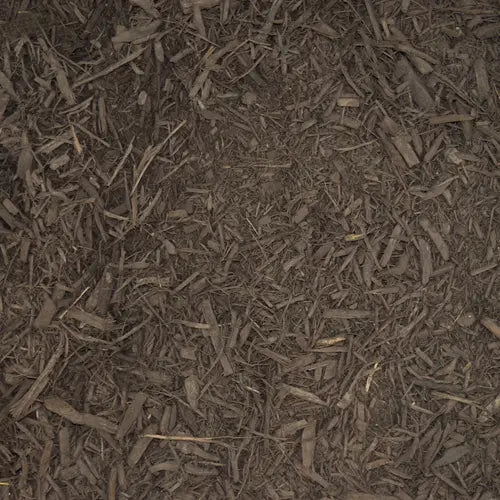
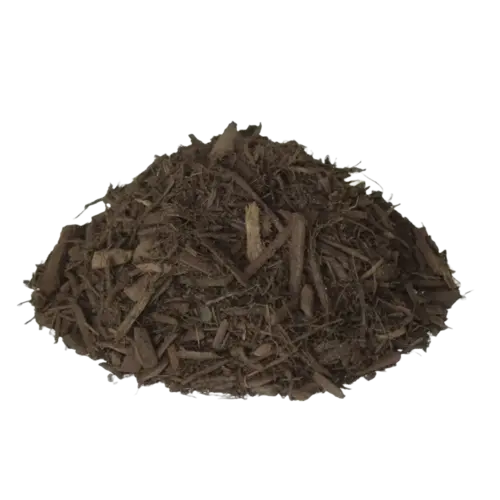
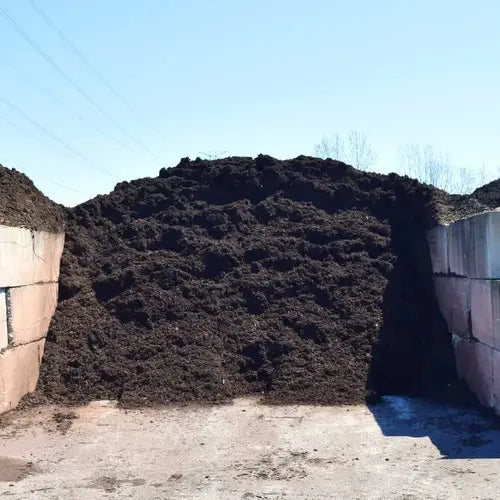
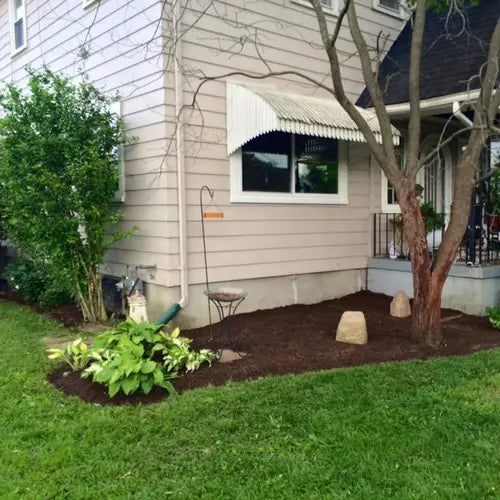
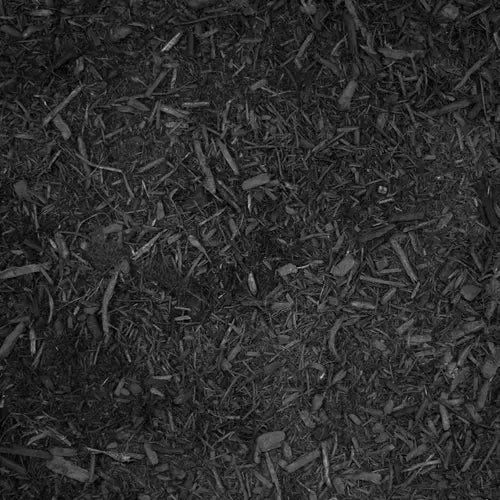
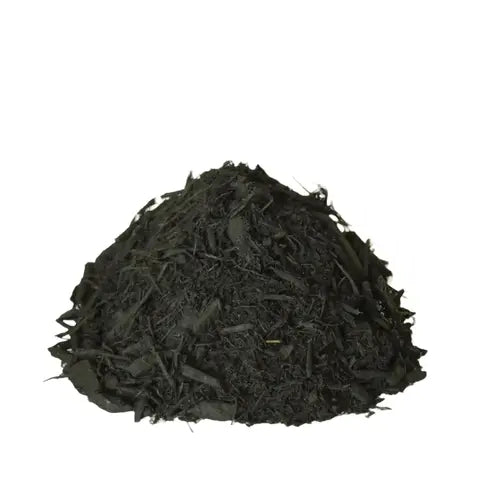
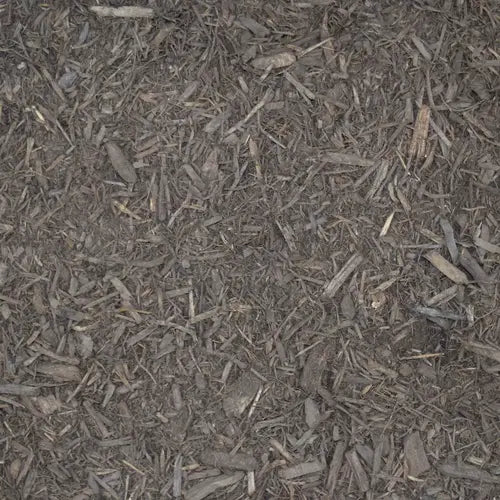
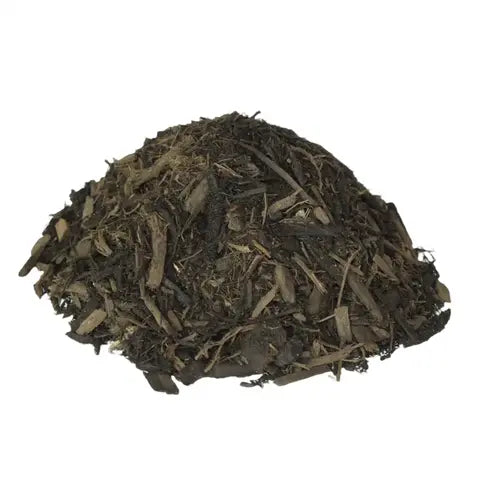
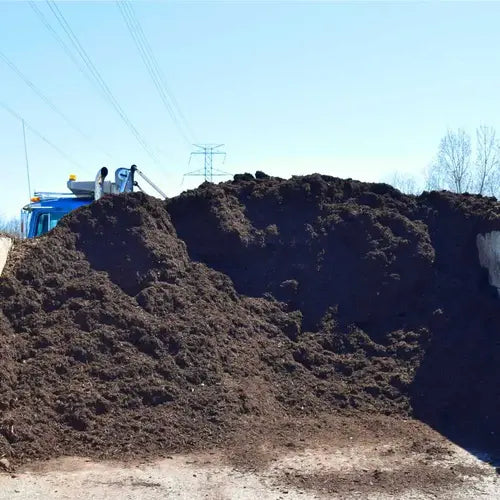
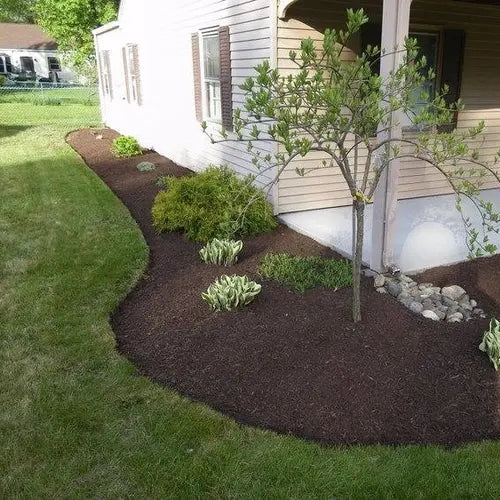
Warm brown double shredded mulch with lasting color that looks freshly applied for weeks. Spreads smooth, stays put, and gives beds a natural, polished appearance.
I can’t say enough good things about Mulch Mound! If you read my review below you will see I had a problem with my order. Mulch Mound was quick to respond and solved the issue with my delivery. Will definitely be a customer next year.
First time purchase...
Tell us what you're looking for
Thanks! We received your request.
Something went wrong. Please try again.
How Much Material Do I Need?
For most Champaign landscape beds over silty clay loam soil, 2 to 3 inches of mulch provides the right balance of weed suppression and moisture regulation without over-saturating the clay-heavy ground. Avoid going above 4 inches, as Champaign's naturally high soil moisture can lead to root rot and fungal issues under an overly thick layer.
Use our free mulch calculator
What is a yard?
A yard is approximately 27 cubic feet. As a general guideline, one yard of material can cover an area of about 100-160 square feet at a 2-3 inch depth.
We can't take orders for this right now. Tell us what you need and we'll get back to you.
What do you need?
Thanks! We received your request.
Something went wrong. Please try again.
Hand-picked local yards
4,000+ regional deliveries
Dedicated support
Why order through Mulch Mound
The best local mulch, without the guesswork.
We hand-pick and partner with the best yards in your region, keep only the ones our buyers rate well, and back each load with our guarantee.
Mulch Mound Guarantee
If your mulch isn't the quantity or quality you ordered, we'll make it right.
About this mulch
Warm brown double shredded mulch with lasting color that looks freshly applied for weeks. Spreads smooth, stays put, and gives beds a natural, polished appearance.
I can’t say enough good things about Mulch Mound! If you read my review below you will see I had a problem with my order. Mulch Mound was quick to respond and solved the issue with my delivery. Will definitely be a customer next year.
First time purchase...
How Much Material Do I Need?
For most Champaign landscape beds over silty clay loam soil, 2 to 3 inches of mulch provides the right balance of weed suppression and moisture regulation without over-saturating the clay-heavy ground. Avoid going above 4 inches, as Champaign's naturally high soil moisture can lead to root rot and fungal issues under an overly thick layer.
Use our free mulch calculator
What is a yard?
A yard is approximately 27 cubic feet. As a general guideline, one yard of material can cover an area of about 100-160 square feet at a 2-3 inch depth.
I can’t say enough good things about Mulch Mound! If you read my review below you will see I had a problem with my order. Mulch Mou...
Read full review
UPDATE!
I can’t say enough good things about Mulch Mound! If you read my review below you will see I had a problem with my order. Mulch Mound was quick to respond and solved the issue with my delivery. Will definitely be a customer next year.
First time purchase from Mulch Mound!! First what I liked! Easy to order online and straight forward pricing and delivery. The driver was on time and courteous and delivered my Mulch exactly where I requested! The product is of good quality and comparable to others I have purchased from before. Now what I DID’NT LIKE! I have been mulching the same house and yard for almost 20 years. I always order the same amount and don’t have any issues with covering the same area but this year I fell about a yard short. I was home when the mulch was delivered and when the driver dumped it I noticed that it seemed a bit less than I was used to. I didn’t apply it any thicker than usual and probably a bit thinner than usual because I was worried about running out.
Mulch Mound made it so easy! So happy with the pricing, turn around time, delivery and product. I submitted my online order on a Thursday. The mu...
Read full review
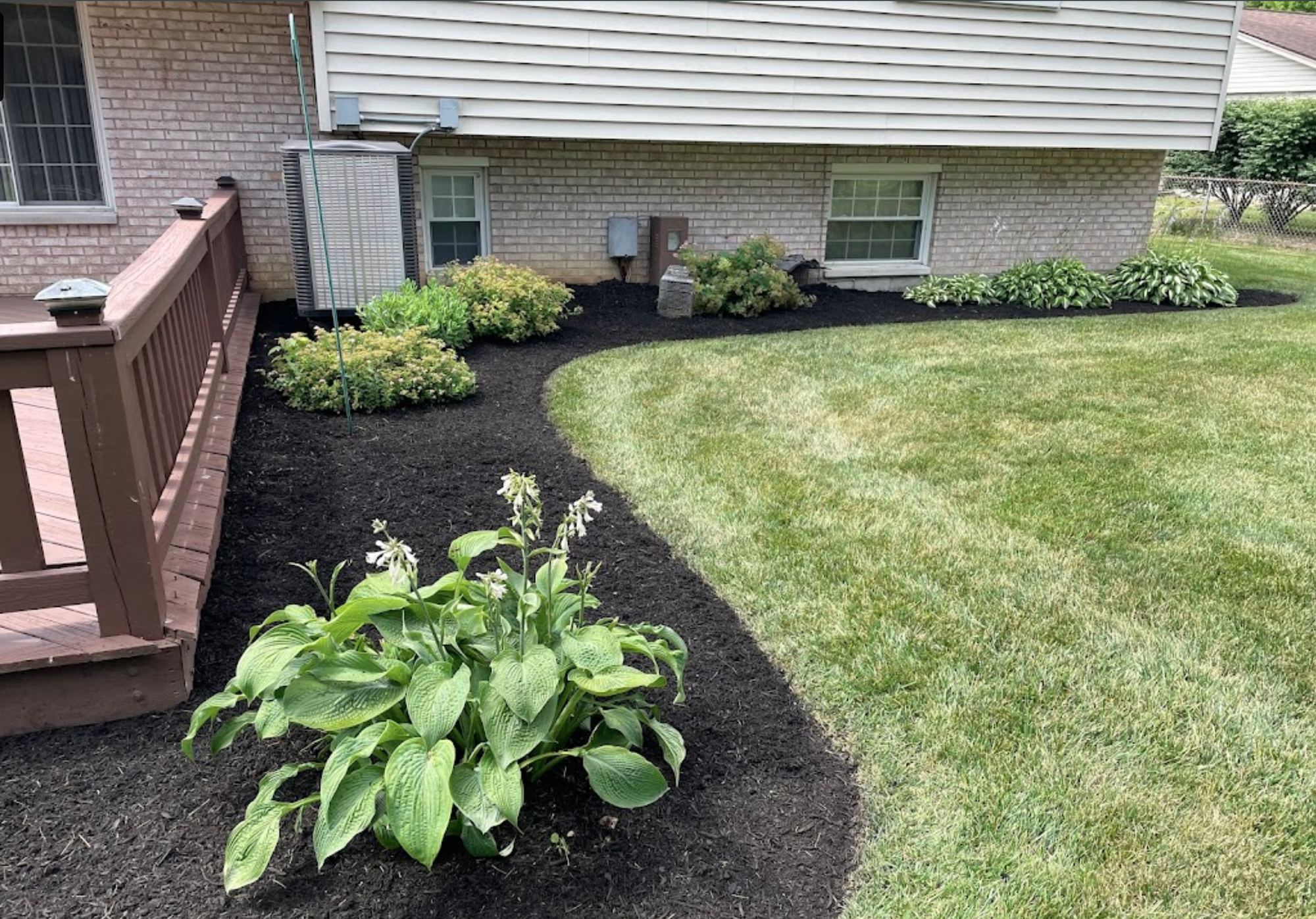
Mulch Mound made it so easy! So happy with the pricing, turn around time, delivery and product. I submitted my online order on a Thursday. The mulch was delivered to the designated location by a local landscape company at 8:30 a.m. the following Saturday morning. We had the job completed by that afternoon. We chose the natural brown mulch, and the plant beds are beautiful.
To estimate mulch for your Champaign beds, measure the length and width of each area in feet and multiply to get square footage, then plan for a 2 to 3 inch depth given the moisture-retentive nature of local silty clay loam soil. One cubic yard covers approximately 100 square feet at 3 inches deep. It is wise to order a small buffer of around 10 percent extra to account for any areas where the ground is uneven from Champaign's occasional frost heaving.
Mulch vs. No Mulch: The Difference
Champaign's combination of silty clay loam soil and 41 inches of annual rainfall means organic mulches break down relatively quickly, returning nutrients to the soil but requiring more frequent replenishment than in drier regions. Natural hardwood mulch tends to fade from its rich brown color to gray within one season under Champaign's summer sun and regular rain, while dyed mulches hold their color considerably longer. The right choice depends on whether you prioritize long-term soil improvement or a consistently polished appearance for curb appeal through the full growing season.
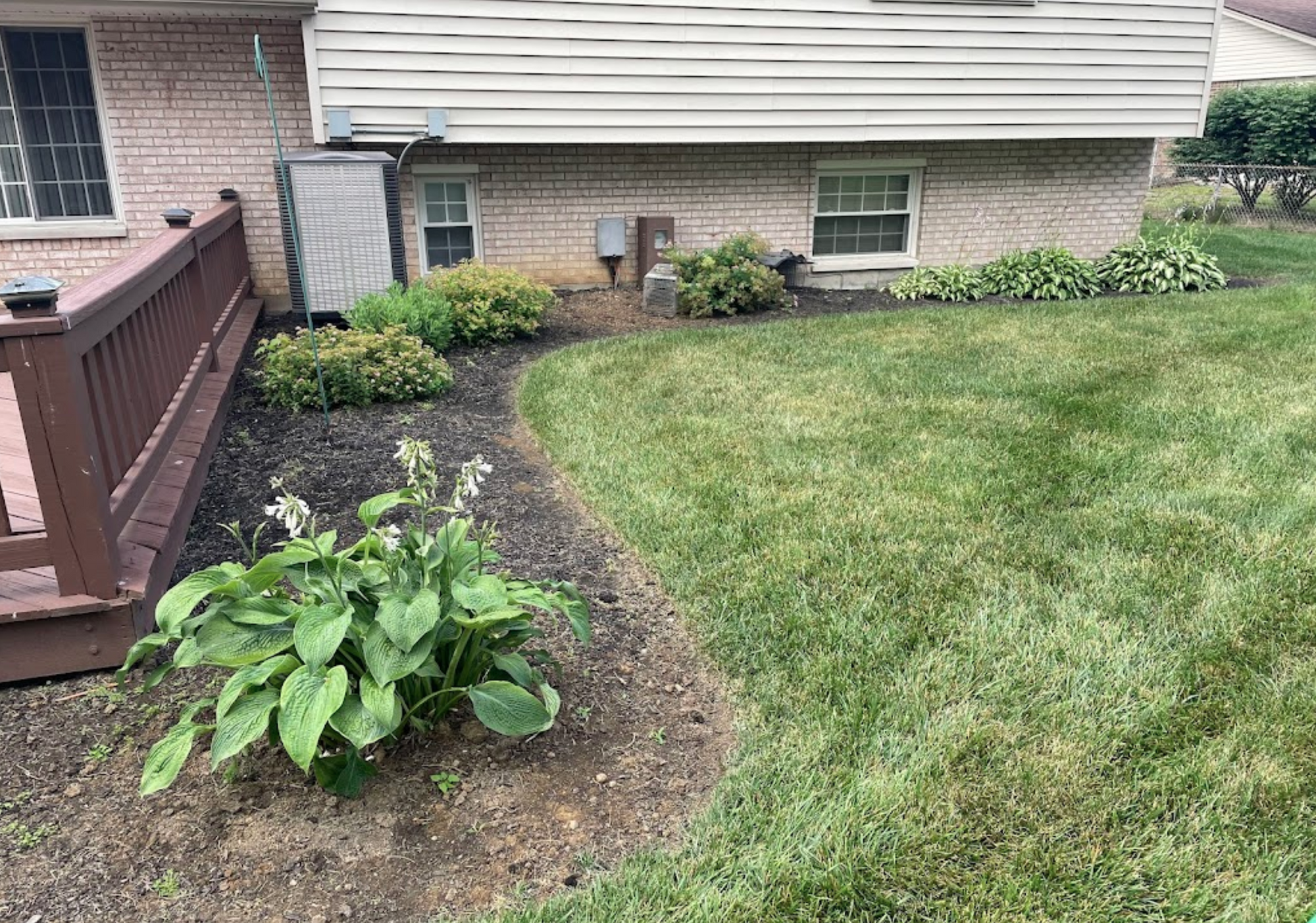
Before
After
Best Mulch Choice for Champaign Lawns
Most yards in the Champaign area sit on Silty Clay Loam type of soil. Champaign's silty clay loam soil has poor natural drainage and tends to compact under the weight of heavy rain, leaving plant beds vulnerable to waterlogging and root stress during wet spring periods. Choosing a coarse-textured mulch that allows water to pass through evenly helps mitigate the drainage limitations already present in the native soil.
Hardwood Mulch
Hardwood mulch is particularly well-suited for Champaign's silty clay loam because as it decomposes it contributes lignin and organic material that gradually opens up the tight clay structure over time. Each season that hardwood mulch breaks down into the soil, it improves aeration and drainage slightly, nudging silty clay loam toward a loamier texture that supports healthier and deeper root growth.
Mulch Types We Deliver in Champaign
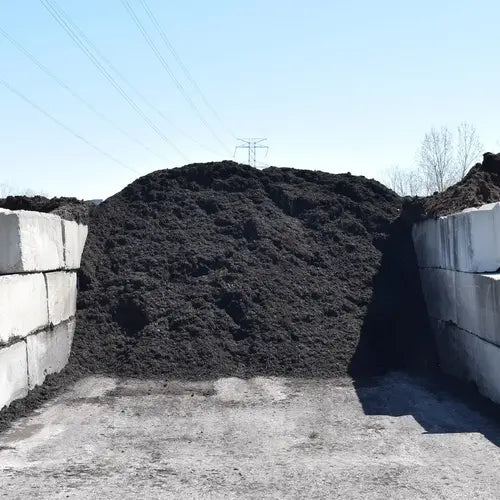
Mulch Mound makes bulk mulch delivery in Champaign simple, bringing fresh material by the cubic yard directly to your home or job site. Whether you are refreshing a few garden beds or covering a large landscape project, we carry a range of colors and textures suited to the traditional homes and open yards common across central Illinois. Each variety is available in the quantities you need, with no bag hauling required.
Dyed Black Mulch
Dyed Black Mulch is a top choice for homeowners who want bold contrast against light-colored stone or brick. Available in double shredded style, the smooth texture spreads easily and the rich black color holds up through the heat and humidity of a central Illinois summer, keeping beds looking fresh for weeks.
Dyed Brown Mulch
Dyed Brown Mulch brings a warm, natural tone that blends well with the earthy palette common in central Illinois yards and garden borders. The double shredded cut spreads smoothly and the color stays looking freshly applied through sun and rain, giving any bed a clean, polished finish all season long.
Natural Brown Mulch
Natural Brown Mulch uses no dye, letting the wood's own warm tone come through for a clean, understated look. The double shredded texture lays flat and holds position in the clay-heavy soils typical of this part of Illinois, making it a reliable choice for both new plantings and established beds.
Complete Your Outdoor Mulch Project
If your beds need rebuilding before you mulch, consider pairing your mulch order with a delivery of premium garden soil to improve drainage and organic content in your silty clay loam. Decorative stone is also a great complement for Champaign pathways and border edges where you want a low-maintenance, rain-resistant surface alongside your mulched beds.
Champaign's silty clay loam soil forms a surface crust after heavy rain that can make it difficult for water to penetrate to plant roots. Before spreading mulch each spring, lightly loosen the top inch of soil with a hand cultivator so that moisture and nutrients can move freely. This small step makes your mulch significantly more effective at supporting plant health throughout Champaign's growing season.
Mulch Mound Pro Tip
Because Champaign sits in Zone 6a with a first frost arriving around October 19, timing your fall mulch application correctly matters. Apply a fresh layer in late October after the first light frost but before the ground freezes hard. This protects root zones from the freeze-thaw cycles that are common in Champaign's transitional winters and reduces heaving damage to perennials and shrubs.
Mulch Mound Pro Tip
With 41 inches of annual rainfall distributed throughout the year, Champaign homeowners should pay attention to how mulch behaves around downspout discharge zones and low-lying bed areas. Piling mulch in spots that collect runoff can lead to anaerobic conditions in the clay-heavy soil beneath. Grade mulched areas slightly away from structures and keep drainage channels clear so your investment does not become a soggy problem during the wet spring months.
Frequently Asked Questions
Click a question to see the answer
Answer
How thick should I apply mulch in Champaign given our clay-heavy soil?
In Champaign, where silty clay loam already holds moisture well, a 2 to 3 inch layer of mulch is typically ideal. Going deeper than 3 inches can trap too much moisture against plant crowns, which becomes a problem in spring when Champaign soils are already saturated from snowmelt and April rains. Keep mulch pulled a few inches back from plant stems to allow adequate airflow.
Answer
When is the best time of year to mulch my beds in Champaign?
The sweet spot for mulching in Champaign is late April through mid-May, right after the last frost date of April 15 passes and the soil has begun to warm. Mulching too early in the season can insulate cold soil and delay warming, which matters in Zone 6a where perennials are trying to push through. A second light application in early November, before the October 19 frost hardens into a deep freeze, helps protect root systems through the winter.
Answer
Will mulch help with the compaction problems I always notice in my yard?
Yes, and this is one of the biggest benefits for Champaign homeowners specifically. Silty clay loam is highly prone to compaction from foot traffic and heavy rain impact. A layer of organic mulch absorbs the force of rainfall before it hits the soil surface, and as it breaks down it gradually adds organic matter that loosens the clay structure over multiple seasons. It is one of the most practical long-term investments for Champaign soil health.
Answer
Does the 41 inches of rain Champaign gets each year affect how often I need to replace mulch?
Champaign's 41 inches of annual rainfall does accelerate decomposition compared to drier climates, especially with organic hardwood mulch. Most homeowners in Champaign will want to top off their beds every 12 to 18 months rather than waiting a full two years. The upside is that faster breakdown means organic matter is being incorporated into your silty clay loam soil more quickly, which improves its structure over time.
Answer
Is dyed mulch safe to use around my vegetable garden?
Most dyed mulches sold today use iron oxide or carbon-based pigments that are considered safe, but for vegetable gardens we generally recommend natural hardwood mulch. In Champaign's vegetable growing window, which runs from after April 15 to before October 19, you want materials that break down cleanly into the soil without any uncertainty about dye compounds affecting edible crops.
Answer
How does mulch affect weed pressure in Champaign specifically?
Champaign's warm, humid summers create ideal conditions for weed germination, especially in silty clay loam beds that stay moist well into the growing season. A 2 to 3 inch mulch layer blocks light from reaching weed seeds and dramatically reduces germination rates. It will not eliminate every weed, particularly perennial weeds that are already rooted, but it significantly cuts down on the bindweed, creeping Charlie, and crabgrass that Champaign homeowners commonly battle.
Answer
What is the difference between hardwood and wood chip mulch for Champaign landscapes?
Hardwood mulch is finely shredded and tends to knit together into a stable mat, which holds up better during Champaign's spring rainstorms when runoff can shift loose material. Wood chips are chunkier and last longer before decomposing, making them a better fit for pathways or natural areas where you do not want to replenish frequently. For ornamental beds in Champaign, hardwood mulch is generally preferred because of its cleaner appearance and the organic matter it contributes to silty clay loam soil as it breaks down.
The Unique Landscape of Champaign
Champaign's silty clay loam soil is notorious for compacting under foot traffic and heavy rain, which stresses plant roots and limits oxygen exchange in garden beds. A consistent layer of mulch acts as a buffer between rainfall and the soil surface, reducing the impact of Champaign's 41 inches of annual precipitation and preventing the crusting that silty clay loam is prone to forming. With a last frost date around April 15 and a first frost arriving as early as October 19, Champaign gardeners deal with a relatively short window to establish plants, making soil temperature regulation through mulching a critical early-season strategy. Mulch applied in late April helps warm silty clay loam beds faster after winter, giving perennials and annuals a stronger start during the narrow planting window. Without adequate mulch, Champaign's summer heat combined with clay-heavy soil can bake the top layer into a hard crust that repels rather than absorbs water.