




I needed 3 yards of top soil and that's what I got! Right on time and right where I asked it to be placed (Order# 2041).
About this soil
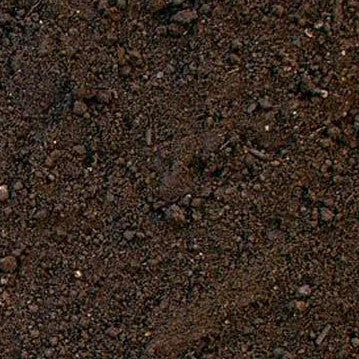
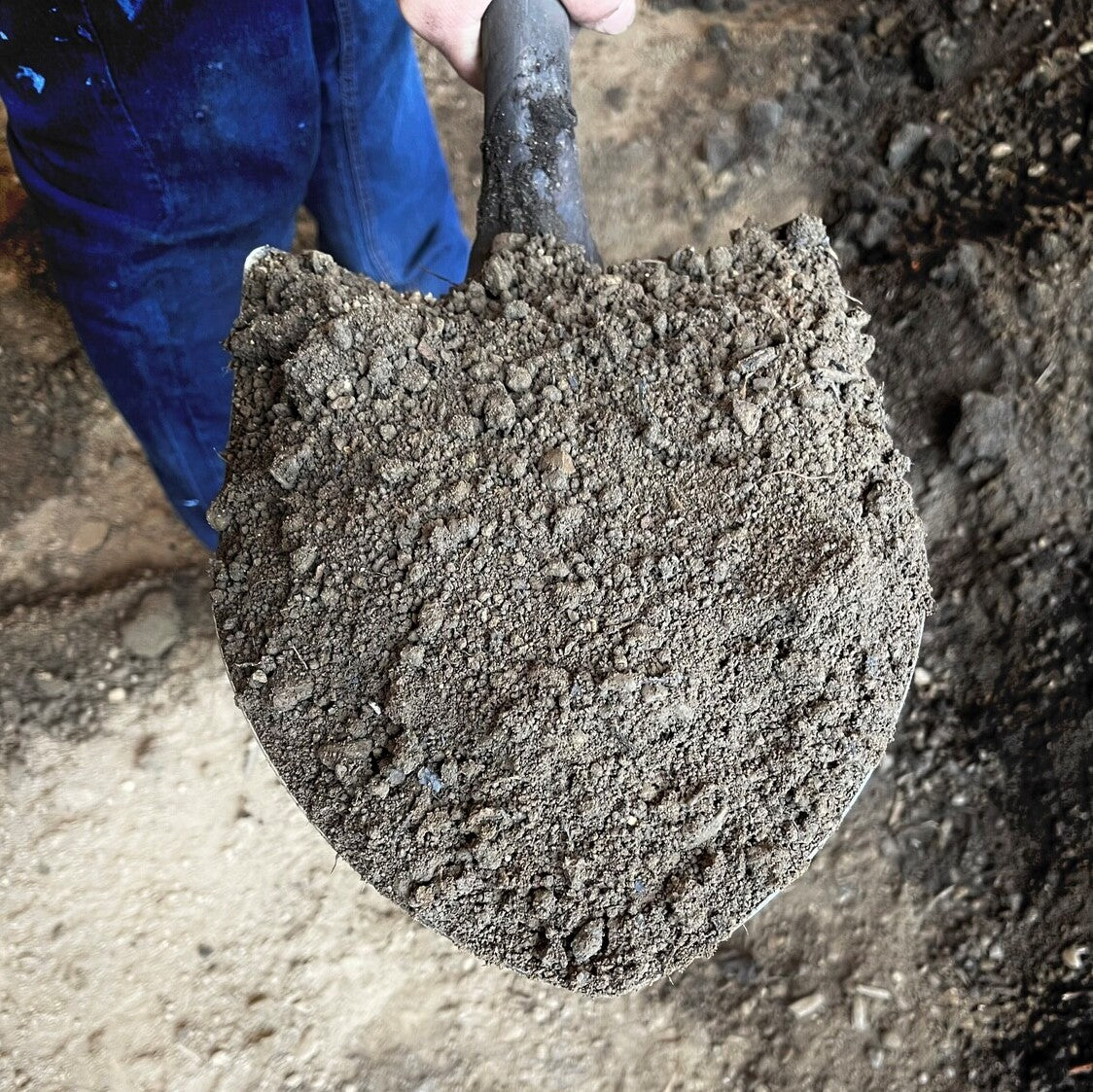
Quality topsoil for lawns, gardens, and landscape projects. Nutrient rich and ready to support strong root development and healthy plant establishment.
I needed 3 yards of top soil and that's what I got! Right on time and right where I asked it to be placed (Order# 2041).
Tell us what you're looking for
Thanks! We received your request.
Something went wrong. Please try again.
How Much Material Do I Need?
How Much Material Do I Need?
For lawn leveling over Champaign's silty clay loam, plan on 1 to 2 inches of screened topsoil spread evenly across bare or low areas to create a workable seed bed. For new raised planting beds, 10 to 12 inches of quality garden soil gives roots the depth they need to thrive outside of the native clay layer below.
Use our free soil calculator
What is a yard?
What is a yard?
FAQs
FAQs
Champaign Soil Delivery
Champaign Soil Delivery
Regular price
$64.00
per
yard
Regular price
Sale price
$64.00
Unit price
per
Shipping calculated at checkout.
Minimum of 3 yard
Couldn't load pickup availability
Not currently available
We can't take orders for this right now. Tell us what you need and we'll get back to you.
Hand-picked local yards
4,000+ regional deliveries
Dedicated support
Why order through Mulch Mound
The best local soil, without the guesswork.
We hand-pick and partner with the best yards in your region, keep only the ones our buyers rate well, and back each load with our guarantee.
Mulch Mound Guarantee
If your soil isn't the quantity or quality you ordered, we'll make it right.
About this soil
Quality topsoil for lawns, gardens, and landscape projects. Nutrient rich and ready to support strong root development and healthy plant establishment.
I needed 3 yards of top soil and that's what I got! Right on time and right where I asked it to be placed (Order# 2041).
How Much Material Do I Need?
How Much Material Do I Need?
For lawn leveling over Champaign's silty clay loam, plan on 1 to 2 inches of screened topsoil spread evenly across bare or low areas to create a workable seed bed. For new raised planting beds, 10 to 12 inches of quality garden soil gives roots the depth they need to thrive outside of the native clay layer below.
Use our free soil calculator
What is a yard?
What is a yard?
FAQs
FAQs
Tell us what you're looking for
Thanks! We received your request.
Something went wrong. Please try again.
How It Works
Getting started is easy — just follow these simple steps
1
Choose your soil
Make sure you adjust the quantity to your home's needs. You can use our calculator to estimate how much you'll need.
2
Select your delivery date
Select a delivery date you'd like for the product to be dropped off at your home
3
Sit back and wait
Sit back, wait, and let us work our magic to make sure the highest quality product is delivered to your driveway.

Highest compliments. Great driver.
Website is easy to navigate. Just a seamless process. 5 stars!!

Need Help Calculating How Much Soil You Need?
Use our NEW Trace from Satellite tool to get an estimate for your project based on an aerial view of your property
Try Our CalculatorTo figure out how much bulk soil you need for a Champaign project, multiply the length by the width by the desired depth in feet and divide by 27 to convert to cubic yards. For lawn leveling in Champaign, most projects require filling low spots to a depth of 1 to 3 inches over silty clay loam, while raised beds typically call for 10 to 12 inches of material. Always round up slightly to account for settling, which is common in Champaign's clay-heavy soil after the first few rain events.
Soil Types We Deliver in Champaign
Mulch Mound delivers bulk topsoil by the yard in Champaign, making it easy to fill raised beds, level yards, or tackle larger landscaping projects without multiple store trips. Central Illinois homes often sit on heavy clay-dominant ground that can benefit from a quality topsoil amendment, and we bring it straight to your driveway or job site. Orders are measured by the cubic yard so you get exactly what your project needs and nothing goes to waste.
Screened Top Soil
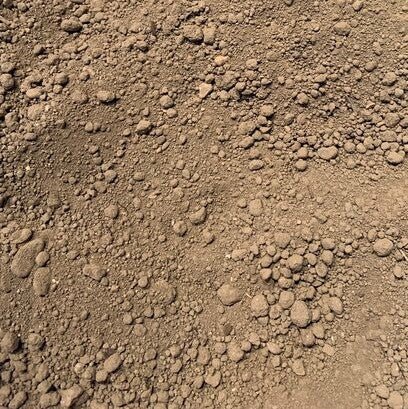
Our screened topsoil is finely sifted to remove rocks, clumps, and debris, giving you a smooth, workable base ready for seed, sod, or planting. It is nutrient rich and supports strong root development, making it a dependable choice for Champaign lawns, garden beds, and general landscape grading projects.
Complete Your Outdoor Soil Project
After your soil work is complete, finishing your beds with a layer of bulk mulch will protect the fresh soil from Champaign's spring rains and reduce compaction on the newly worked surface. If you are also installing pathways or borders around new beds, a bulk stone delivery is a great way to frame the space and create a clean edge between lawn and planting areas.


Service area
Areas we deliver soil in Champaign, Illinois
Mulch Mound Pro Tip
When filling low spots in a Champaign lawn over silty clay loam, do not dump all the topsoil at once. Add material in layers of 1 to 2 inches, lightly tamp or water each layer, and allow it to settle before adding more. Champaign's clay-heavy base soil does not absorb fill material quickly, and adding too much at once leads to uneven settling and new low spots forming within a season.
Mulch Mound Pro Tip
Champaign's silty clay loam becomes nearly unworkable when wet, turning sticky and dense in a way that destroys soil structure if you try to dig or till it. Always check soil workability before starting any bed preparation project. Grab a handful of moist soil and squeeze it. If it ribbons out rather than crumbling when you poke it with your finger, wait another day or two before working. This simple test saves frustration and protects the soil structure you are trying to build.
Mulch Mound Pro Tip
For new vegetable gardens in Champaign, consider building your raised beds and filling them with bulk garden soil in the fall after the October 19 first frost rather than waiting until spring. Filling beds in fall gives the soil time to settle over winter, and the freeze-thaw cycles common in Champaign's Zone 6a winters actually help break down large clumps, giving you a finely textured bed ready to plant the moment temperatures warm past April 15.
The Unique Landscape of Champaign
Champaign sits on a base of silty clay loam that formed over thousands of years of Illinois prairie, and while it is naturally nutrient-rich, it presents real challenges for residential landscaping projects. The tight clay structure limits drainage, causes compaction under lawn traffic, and makes it difficult for grass and garden plants to establish deep root systems. Bringing in quality bulk topsoil or garden soil allows Champaign homeowners to build raised beds, level low spots, and create planting environments that the native soil alone cannot reliably provide. Champaign's 41 inches of annual rainfall also means that poorly graded yards can develop chronic wet spots, and strategic soil work is often the most effective solution for redirecting surface water. Whether you are starting a new garden bed after the April 15 last frost or filling in settlement depressions before the October 19 growing season close, having the right bulk soil on hand makes the work faster and more effective.