
About this mulch

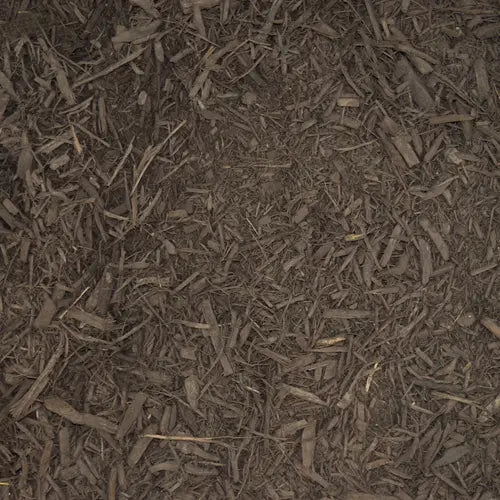
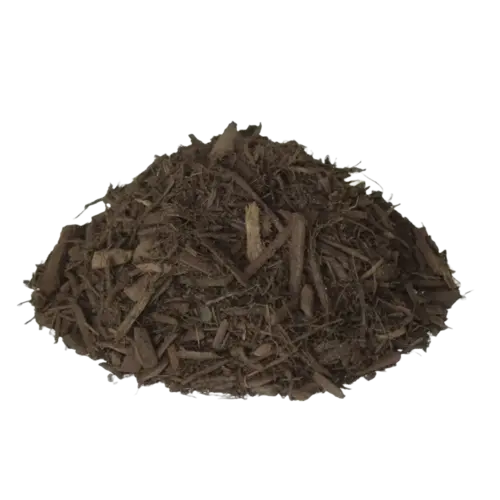
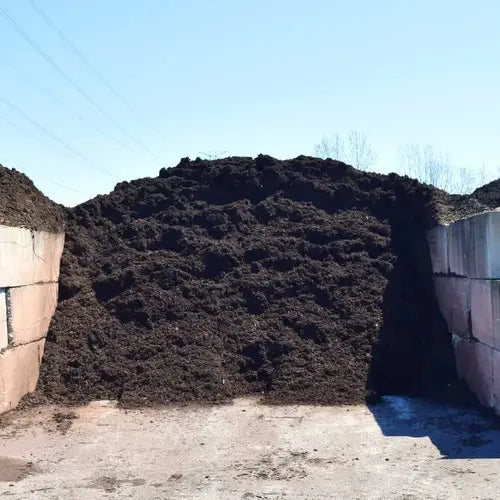
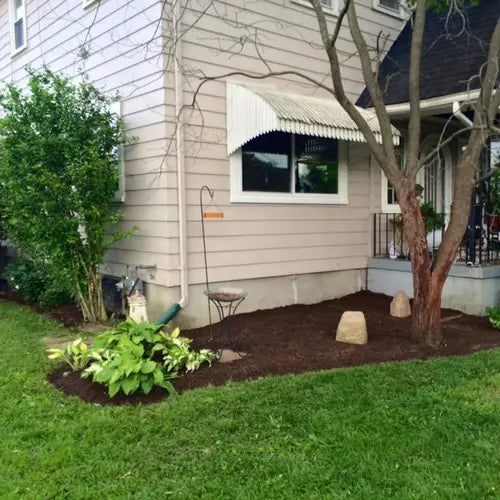
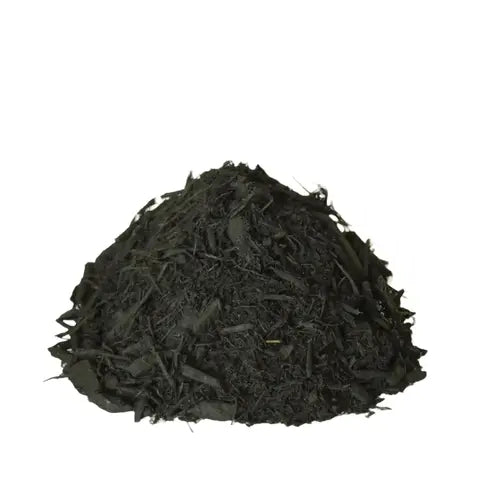
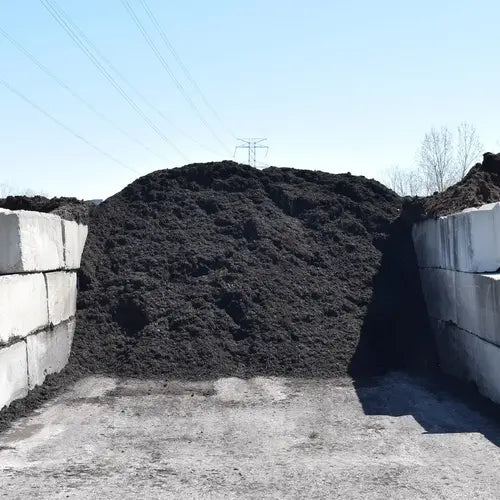
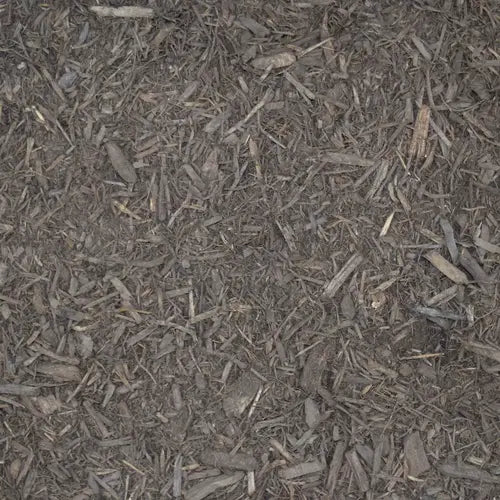
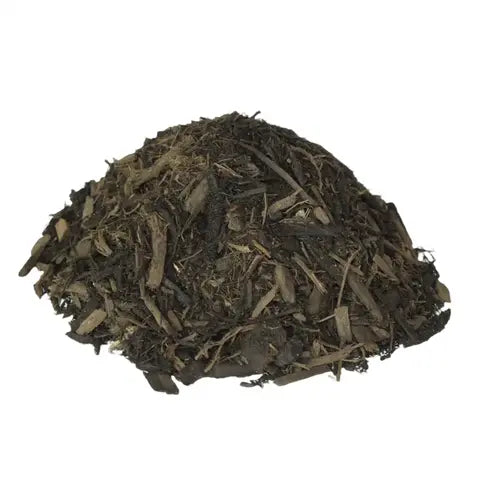
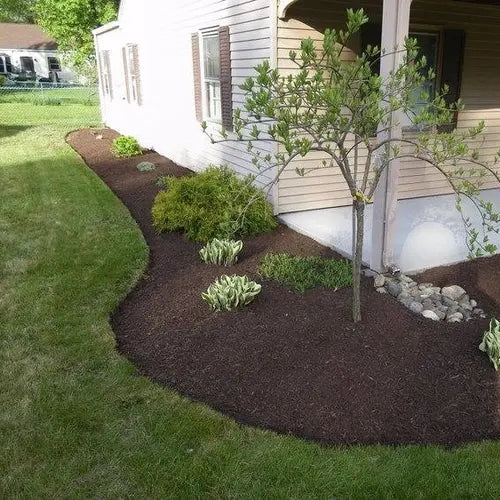
Warm brown double shredded mulch with lasting color that looks freshly applied for weeks. Spreads smooth, stays put, and gives beds a natural, polished appearance.

I highly recommend Mulch Mound. The quality of the mulch is very good. The ordering system on their website makes it very easy. The delivery driver did a great job placing the mulch on the driveway. To finish off, the pricing was very reasonable as well.

In Citrus Springs, a minimum depth of 3 inches is recommended for sandy soil, since shallower applications evaporate too quickly to provide meaningful moisture retention through dry spells. For shaded beds or areas with well-established root systems, 2 inches can be sufficient but should be refreshed more frequently.
Use our free mulch calculator

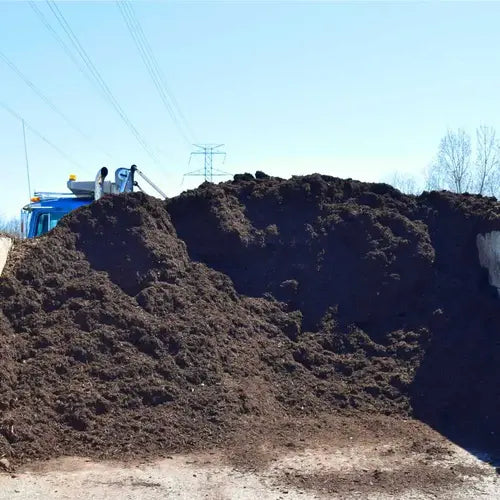
A yard is approximately 27 cubic feet. As a general guideline, one yard of material can cover an area of about 100-160 square feet at a 2-3 inch depth.

Citrus Springs Mulch Delivery

Citrus Springs Mulch Delivery

4.7
137 reviews
Regular price $55.00 per yard
Regular price Sale price $55.00
Sale Sold out
Color
Style
Minimum of 3 yard
Hand-picked local yards
4,000+ regional deliveries
Dedicated support
Why order through Mulch Mound

The best local mulch, without the guesswork.

We hand-pick and partner with the best yards in your region, keep only the ones our buyers rate well, and back each load with our guarantee.

Mulch Mound Guarantee

If your mulch isn't the quantity or quality you ordered, we'll make it right.

About this mulch

Warm brown double shredded mulch with lasting color that looks freshly applied for weeks. Spreads smooth, stays put, and gives beds a natural, polished appearance.

I highly recommend Mulch Mound. The quality of the mulch is very good. The ordering system on their website makes it very easy. The delivery driver did a great job placing the mulch on the driveway. To finish off, the pricing was very reasonable as well.
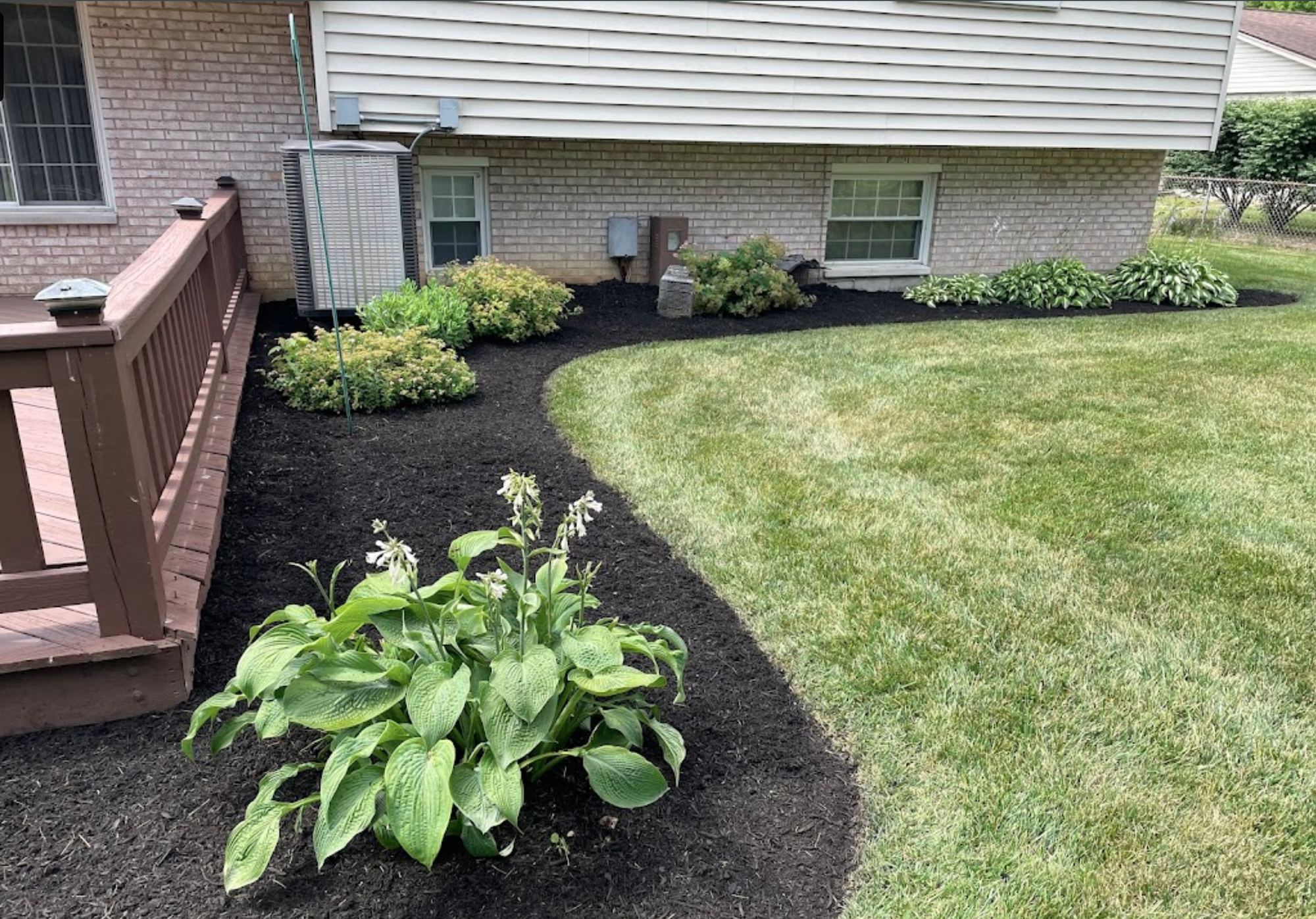
In Citrus Springs, a minimum depth of 3 inches is recommended for sandy soil, since shallower applications evaporate too quickly to provide meaningful moisture retention through dry spells. For shaded beds or areas with well-established root systems, 2 inches can be sufficient but should be refreshed more frequently.
Use our free mulch calculator

A yard is approximately 27 cubic feet. As a general guideline, one yard of material can cover an area of about 100-160 square feet at a 2-3 inch depth.

View full details

How It Works

Getting started is easy — just follow these simple steps

1

Choose your Mulch

Make sure you adjust the quantity to your home's needs. You can use our calculator to estimate how much you'll need.

2

Select your delivery date

Select a delivery date you'd like for the product to be dropped off at your home

3

Sit back and wait

Sit back, wait, and let us work our magic to make sure the highest quality product is delivered to your driveway.

What Citrus Springs Customers Are Saying

4.7
out of 5 based on 137 reviews
Google Reviews

Calculate mulch for your Citrus Springs project

For Citrus Springs's Sandy type of soil, we recommend 2-3 inches for best weed suppression and moisture retention

Try Our Calculator
📍

To estimate mulch for your Citrus Springs beds, measure the length and width of each area in feet and multiply them together to get the square footage. Divide that number by 100 to get the approximate cubic yards needed for a 3-inch depth, which is the recommended starting point for sandy Florida soil. Add a little extra if your beds sit in full sun, since exposed sandy surfaces lose moisture quickly and a slightly deeper layer pays off during the dry winter and spring months.

Mulch vs. No Mulch: The Difference

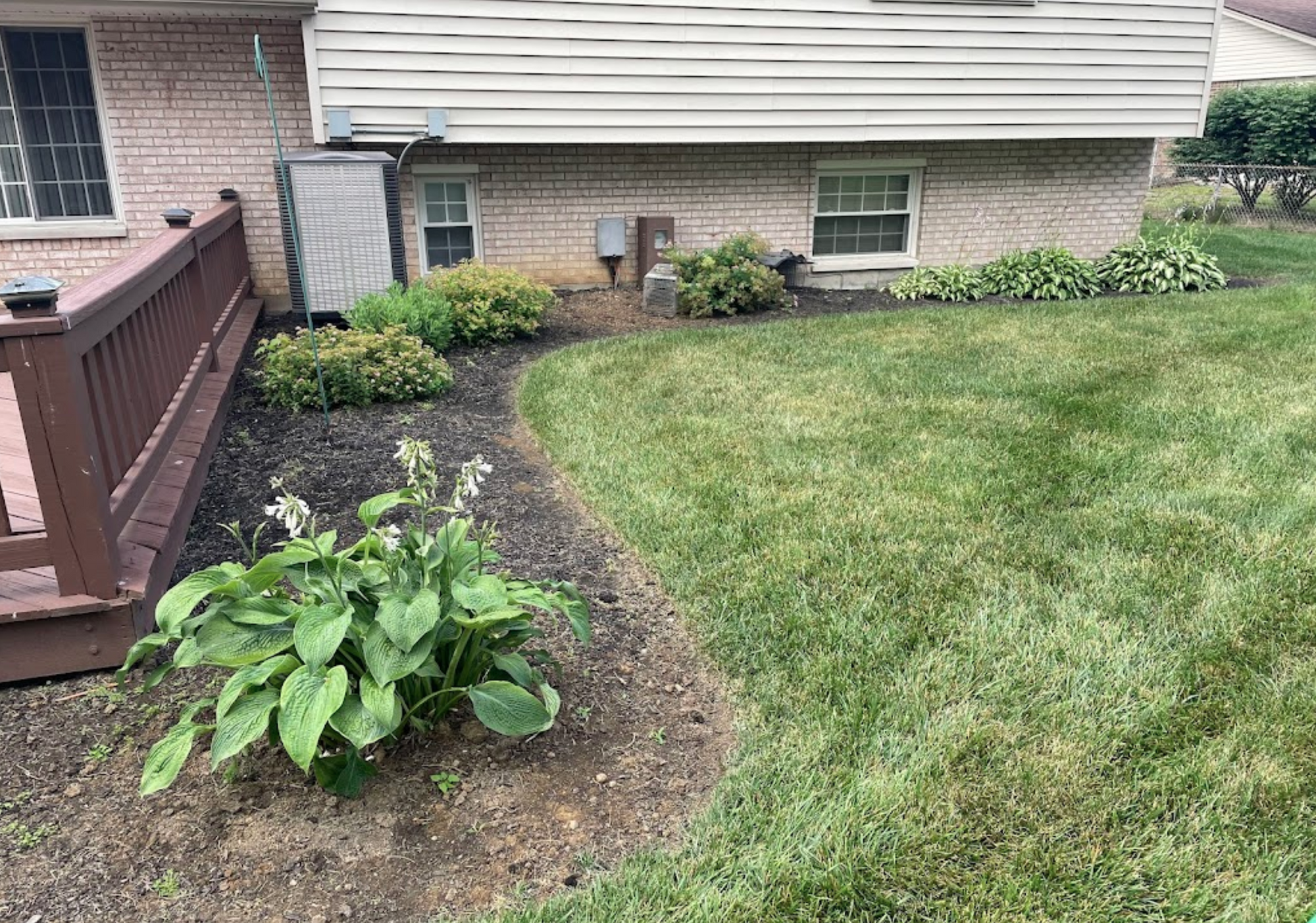
Citrus Springs's warm Zone 9a climate and frequent summer rains accelerate the breakdown of all organic mulches, but natural hardwood varieties actually feed your sandy soil as they decompose, slowly adding the organic matter that native Citrus Springs soil sorely lacks. Dyed mulches hold their color longer under the strong Florida sun, making them a popular choice for front-yard beds where visual impact matters throughout the year. Choosing between the two often comes down to balancing aesthetic preferences against the long-term soil-building benefits that natural mulch provides over successive seasons.

Before image
After image
Slider handle
Before
After

Mulch Types We Deliver in Citrus Springs

Mulch Mound offers bulk mulch delivery in Citrus Springs by the cubic yard, making it simple to cover beds, borders, and tree rings in one drop. Central Florida's sandy soil and long hot summers make mulching a smart move for moisture retention and weed control. Pick the variety that fits your yard and we will handle delivery.

Dyed Black Mulch

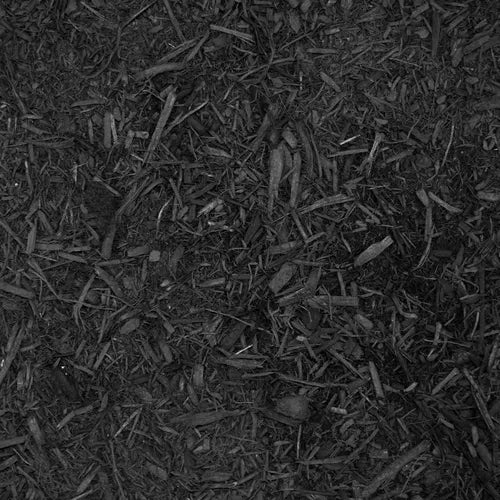
Double shredded dyed black mulch is one of the most popular choices for Florida landscape beds, and the deep color stands out especially against the pale sandy ground common in this area. It holds through heavy summer rains and bright sunshine, making beds look sharp and well-kept from the street.

Dyed Brown Mulch

Double shredded dyed brown mulch delivers a warm finish that complements the earthy tones common in central Florida yards. The rich color holds for weeks without looking washed out, making it a reliable choice for homeowners who want consistently tidy, polished beds through the long growing season.

Natural Brown Mulch

Double shredded natural brown mulch suits homeowners who prefer an undyed, honest wood look. The warm earthy tone comes straight from the wood itself and pairs well with native plants, open sandy beds, and the relaxed landscape styles common in this part of Florida.

Dyed Red Mulch

Double shredded dyed red mulch brings a vivid pop of color to landscape beds and works well as a contrast against green shrubs and palms. The color holds through the season, making it a bold accent for front yards and entry beds in sunny Florida landscapes.

Complete Your Outdoor Mulch Project

Pairing mulch with a quality topsoil or garden soil amendment helps rebuild the organic content that Citrus Springs sandy soil lacks, giving your beds a richer foundation before you mulch over the top. Adding stone edging along bed borders keeps mulch contained during the heavy summer rainfall season and gives your entire landscape a clean, finished appearance.

Map of Citrus Springs, Florida

Areas we deliver mulch in Citrus Springs, Florida

No cities found for this region.

See All Locations
Mulch Mound Pro Tip

In Citrus Springs, always pull mulch back an inch or two from the base of trees and shrubs rather than piling it against the trunk. The combination of year-round warmth and frequent summer moisture creates ideal conditions for fungal rot and pest activity right at the soil line. Keeping a small clear ring around trunks allows air circulation and protects bark from staying constantly wet, which is a genuine concern in the humid Zone 9a growing environment that Citrus Springs experiences most of the year.

Mulch Mound Pro Tip

If you are planting native Florida species like firebush, coontie, or beautyberry in your Citrus Springs landscape, natural hardwood mulch is your best companion in those beds. As hardwood mulch breaks down in the warm sandy soil, it slowly feeds the slightly acidic, low-nutrient conditions these plants prefer. Over time, consistently refreshed hardwood mulch meaningfully improves the organic content of sandy beds without requiring heavy or repeated fertilizer applications throughout the growing season.

Mulch Mound Pro Tip

With 54 inches of annual rainfall, Citrus Springs sees dramatic rain events that compact bare sandy soil and splash unprotected mulch out of beds. Applying a fresh layer of mulch before the summer rainy season begins in late May gives your beds a protective covering that absorbs rain impact, reduces surface runoff, and prevents the sheet erosion that strips sandy soil of whatever thin organic layer it has managed to build. This single seasonal habit makes a noticeable difference in how your beds look and perform from June through September.

Frequently Asked Questions

Click a question to see the answer

Answer

How often should I refresh my mulch in Citrus Springs given the heat and rain we get?

Because Citrus Springs receives around 54 inches of rain per year and stays warm well into late fall, organic mulch breaks down significantly faster than it would in cooler, drier climates. Plan to top off your beds at least once a year, ideally in early spring just after the last frost around February 15, and consider a second light application in early October to prepare beds for the cooler months before the first frost arrives around November 20.

Answer

Will mulch actually make a meaningful difference in the sandy soil we have here?

Absolutely. Sandy soil in Citrus Springs drains so quickly that roots can dry out between rainfalls even when annual totals are high. A 3-inch layer of mulch dramatically slows surface evaporation, keeping moisture available to plant roots for longer and reducing how often you need to run irrigation during the dry months of winter and spring.

Answer

What depth should I use for my flower beds in Citrus Springs?

A depth of 3 to 4 inches is ideal for Citrus Springs flower beds. The sandy soil here offers very little organic matter on its own, so a thicker mulch layer compensates by insulating roots, suppressing weeds, and slowing the moisture loss that would otherwise stress ornamentals in the warm Zone 9a climate.

Answer

Does the summer rainy season wash mulch out of my planting beds?

Heavy summer storms can shift lightweight mulch in low-lying areas of Citrus Springs yards. Using a coarser hardwood mulch rather than finely shredded varieties helps it stay in place during intense rain events. You can also create a small raised soil border around bed edges to keep mulch contained and prevent it from migrating onto turf or walkways during the stormiest months.

Answer

Is dyed mulch safe to use around my vegetable garden in Citrus Springs?

For edible gardens in Citrus Springs, natural undyed mulch is the better choice. The warm, moist conditions here accelerate the breakdown of any mulch that comes near root zones, and keeping synthetic colorants away from food crops is a smart precaution. Natural hardwood or pine bark mulch works well in vegetable areas and also improves sandy soil over time as it decomposes.

Answer

When is the best time of year to put down a fresh layer of mulch in Citrus Springs?

Late February through early March is an excellent window, right after the average last frost date of February 15 when new plant growth is beginning to emerge. A second application in early October helps prepare beds for the short but real cool season, moderating soil temperatures before the first frost arrives around November 20 and protecting root systems during any brief cold snaps.

Answer

Can mulch really help with the weeds that seem to grow almost all year in Citrus Springs?

Yes, and weed suppression is one of the biggest practical benefits of mulching in Citrus Springs. Because Zone 9a rarely experiences a hard freeze capable of killing weed seeds, weeds can germinate in almost any month of the year here. A consistent 3 to 4 inch mulch layer blocks the sunlight most weed seeds require to sprout, significantly reducing the time you spend pulling weeds from sandy beds throughout the long growing season.

The Unique Landscape of Citrus Springs

Citrus Springs sits on naturally sandy soil that drains quickly and holds very little moisture or organic matter, making mulch a critical part of any healthy landscape here. With 54 inches of rain falling annually, bare sandy beds are prone to rapid nutrient leaching and surface erosion between dry spells. Mulch creates a protective barrier that slows water loss during dry stretches and cushions the impact of heavy summer downpours on exposed soil. Zone 9a's mild winters, with a first frost not arriving until late November, mean plant beds stay active nearly year-round and benefit from consistent organic coverage. The long warm growing season also means organic mulch breaks down faster here than in cooler climates, so replenishing beds at least once a year is a practical necessity rather than a luxury.