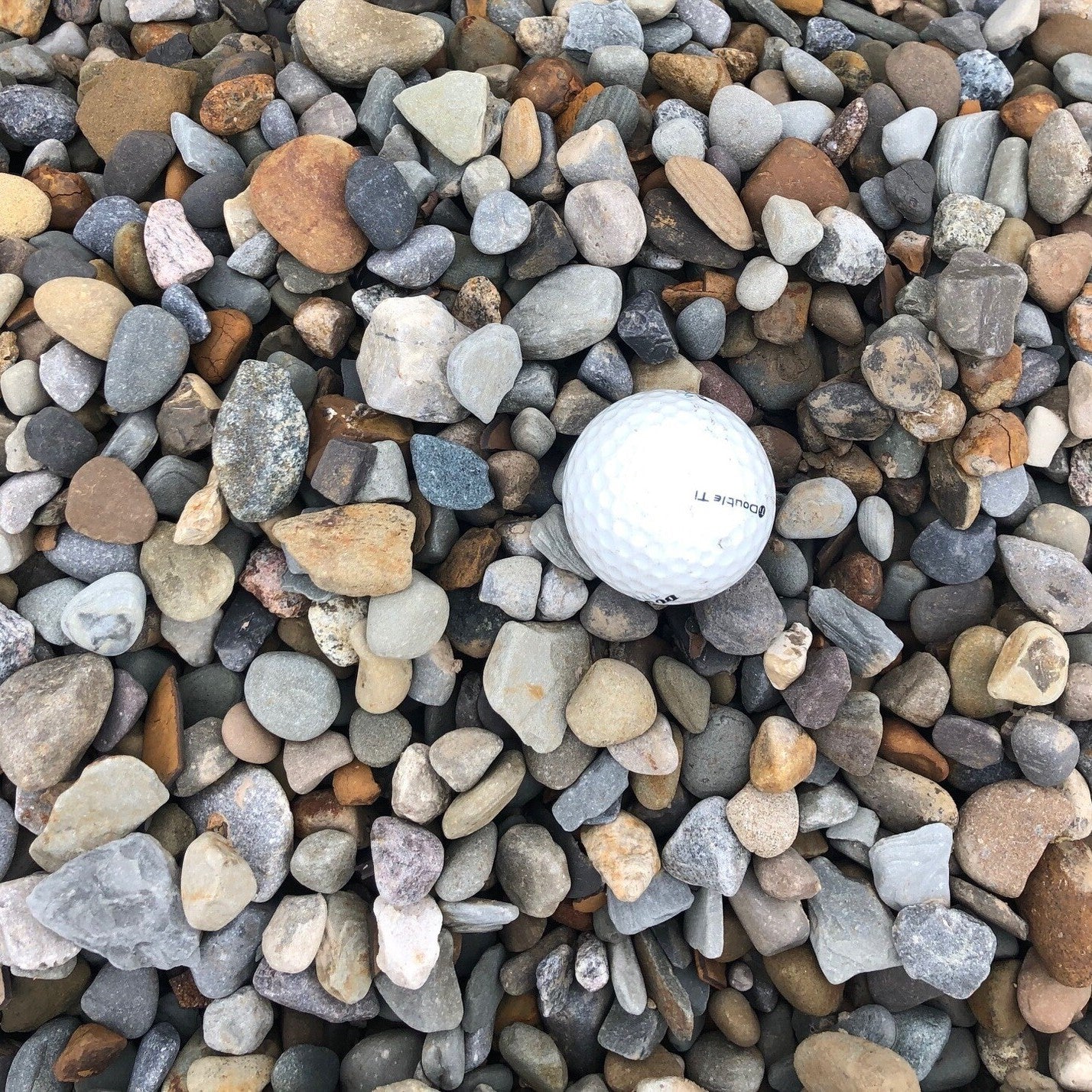
Number 57 crushed stone, angular limestone graded to about three quarters of an inch. The standard driveway, base and drainage gravel, it locks together under traffic and drains fast.
I contacted Mulch Mound for #57 river rocks and it was easy and fast to get a delivery right before the holiday weekend. Stone was delivered as promised and place exactly where I asked. Excellent service! I will be ordering mulch next!
Tell us what you're looking for
Thanks! We received your request.
Something went wrong. Please try again.
How Much Material Do I Need?
A 2-inch depth of stone is generally sufficient for decorative surface coverage and light-traffic areas in Citrus Springs, while walkways and erosion-control zones need 3 to 4 inches to stay stable on the sandy soil base below. For drainage beds around downspouts and foundation perimeters, 4 to 6 inches of river rock provides the best long-term water management performance.
Use our free gravel calculator
What is a yard?
A yard is approximately 27 cubic feet. As a general guideline, one yard of material can cover an area of about 100-160 square feet at a 2-3 inch depth.
We can't take orders for this right now. Tell us what you need and we'll get back to you.
What do you need?
Thanks! We received your request.
Something went wrong. Please try again.
Hand-picked local yards
4,000+ regional deliveries
Dedicated support
Why order through Mulch Mound
The best local stone, without the guesswork.
We hand-pick and partner with the best yards in your region, keep only the ones our buyers rate well, and back each load with our guarantee.
Mulch Mound Guarantee
If your stone isn't the quantity or quality you ordered, we'll make it right.
About this stone
Number 57 crushed stone, angular limestone graded to about three quarters of an inch. The standard driveway, base and drainage gravel, it locks together under traffic and drains fast.
I contacted Mulch Mound for #57 river rocks and it was easy and fast to get a delivery right before the holiday weekend. Stone was delivered as promised and place exactly where I asked. Excellent service! I will be ordering mulch next!
How Much Material Do I Need?
A 2-inch depth of stone is generally sufficient for decorative surface coverage and light-traffic areas in Citrus Springs, while walkways and erosion-control zones need 3 to 4 inches to stay stable on the sandy soil base below. For drainage beds around downspouts and foundation perimeters, 4 to 6 inches of river rock provides the best long-term water management performance.
Use our free gravel calculator
What is a yard?
A yard is approximately 27 cubic feet. As a general guideline, one yard of material can cover an area of about 100-160 square feet at a 2-3 inch depth.
I contacted Mulch Mound for #57 river rocks and it was easy and fast to get a delivery right before the holiday weekend. Stone was delivered as pro...
Read full review
I contacted Mulch Mound for #57 river rocks and it was easy and fast to get a delivery right before the holiday weekend. Stone was delivered as promised and place exactly where I asked. Excellent service! I will be ordering mulch next!
To estimate stone needed for your Citrus Springs project, measure the length and width of the area in feet, decide on the depth you want to apply, typically 3 to 4 inches for pathways and 2 inches for decorative surface coverage, and multiply all three numbers together before dividing by 27 to convert to cubic yards. For any sloped areas in Citrus Springs, add 10 to 15 percent to your estimate since stone settles after installation and some material naturally migrates downslope during the heavy summer rain season.
Stone Types We Deliver in Citrus Springs
When you need bulk gravel by the yard in Citrus Springs, we make ordering straightforward, delivering stone directly to your driveway or backyard in whatever quantity the project calls for. The sandy, well-draining soil common in this part of Florida pairs naturally with stone ground cover, helping manage moisture and keep landscape beds looking neat through heavy summer rains. From smaller weekend jobs to large property installations, we carry the varieties that work best in Florida yards and get them to you fast.
Pea Gravel
Smooth and rounded, pea gravel is a go-to choice for garden paths, patios, and drainage beds in Citrus Springs. Its warm earth tones suit the relaxed, low-maintenance landscaping style common in this part of Florida, and the smaller size settles easily into sandy soil, staying tidy through frequent summer rains.
Complete Your Outdoor Stone Project
Pairing stone with quality topsoil or garden soil in adjacent planting beds creates a clean visual contrast and ensures the beds have the nutrient-rich foundation that Citrus Springs sandy soil lacks on its own. Adding mulch over the soil in planted areas beside stone borders helps retain moisture between the 54 inches of annual rain and keeps the entire landscape looking cohesive and well-finished.
Before laying any stone in your Citrus Springs yard, take time to compact and level the sandy base underneath the planned area. Sandy soil shifts and settles more than clay-based soil, which means uncompacted areas beneath stone paths and drainage beds can develop dips and soft spots within a single rainy season. A rented plate compactor run over the base and a thin stabilizing layer of decomposed granite underneath your finished stone will dramatically extend how long your installation stays level and looks its best.
Mulch Mound Pro Tip
In Citrus Springs, placing river rock around each downspout exit creates a splash pad that serves a genuinely important drainage purpose. With over 54 inches of annual rainfall, unmanaged downspout discharge can rapidly erode sandy soil and carve trenches or muddy channels across your yard during heavy storms. A 4 to 5 foot fan-shaped spread of river rock at each exit slows and disperses water effectively, protecting your foundation perimeter and lawn from the concentrated runoff that repeated storm events produce.
Mulch Mound Pro Tip
For Citrus Springs homeowners looking for a truly low-maintenance landscape solution, combining stone ground cover with drought-tolerant native plants like saw palmetto, gopher apple, or lantana creates a sustainable and attractive yard design that works with local conditions rather than against them. The stone manages erosion and year-round weed suppression while the native plants provide seasonal color and wildlife habitat without requiring irrigation or fertilizer. This combination is especially effective in full-sun areas where organic mulch breaks down fastest under the Zone 9a heat and the region's high annual rainfall.
The Unique Landscape of Citrus Springs
Stone is one of the most practical and permanent landscaping materials available to Citrus Springs homeowners because it does not decompose in the heat, does not wash away in the rain, and requires almost no maintenance from one year to the next. With 54 inches of annual rainfall, managing where water moves across a sandy yard is a constant concern, and strategically placed stone can redirect runoff, reduce erosion, and create clear drainage paths around structures and slopes. Citrus Springs sandy soil is especially prone to surface washing during the intense summer storm season, and stone ground cover in high-traffic areas or along gentle grades prevents the bare, eroded patches that unprotected sand produces after repeated downpours. Zone 9a's near year-round warm temperatures also make low-maintenance landscaping a genuine priority, since organic materials require constant replenishment through an almost uninterrupted growing season. Whether used for pathways, decorative borders, utility drainage beds, or foundation aprons, stone brings structure and permanence to a Florida landscape that organic materials alone cannot provide.
Frequently Asked Questions
Click a question to see the answer
Answer
What type of stone works best for drainage problems in a Citrus Springs yard?
For drainage applications in Citrus Springs, river rock or crushed granite in the one to two inch size range works very well because it allows water to move freely through the material without clogging over time. While Citrus Springs sandy soil already drains quickly in most areas, low spots around foundations, downspouts, and graded berms benefit from a defined stone drainage bed that directs water away predictably. Placing woven landscape fabric underneath the stone before installation helps keep the layer clean and functional for years longer.
Answer
Can I use stone as ground cover in my beds instead of mulch in Citrus Springs?
Stone is a popular and practical alternative to mulch in Citrus Springs, especially in areas where wind scatters lightweight mulch, frequent replenishment feels burdensome, or heavy foot traffic makes organic material impractical. Stone does not feed the soil as it sits, which is a real tradeoff to weigh since Citrus Springs sandy soil benefits from organic matter input. However, for utility areas, driveway borders, and decorative zones where low maintenance and clean appearance matter most, stone is an excellent long-term choice.
Answer
Will stone get too hot in the Citrus Springs summer sun and stress the plants nearby?
Light-colored stones like pea gravel or white river pebbles reflect more sunlight and stay noticeably cooler than dark decorative stones under the intense Citrus Springs summer heat. Avoid placing dark stone directly against the base of temperature-sensitive plants during the hottest months of June through August. If you are incorporating stone into a planted bed rather than a purely decorative zone, choosing a lighter color and keeping stone a few inches back from plant stems reduces the risk of heat stress on roots and crowns.
Answer
How deep should I lay stone for a walkway on my Citrus Springs property?
For a stable walkway on Citrus Springs sandy ground, a depth of 3 to 4 inches of gravel or pea stone is recommended. Sandy soil shifts and settles more than clay-based soils, so a deeper stone layer provides a more consistent walking surface that does not develop ruts or soft spots as quickly after rain events. Compacting the sandy base before adding stone and edging the path with a border material on each side keeps the stone from spreading into surrounding turf over time.
Answer
Is stone a good choice for the border area around my home's foundation in Citrus Springs?
Yes, stone is an excellent material for foundation borders in Citrus Springs. The high annual rainfall here means water frequently runs toward foundations during summer storms, and a wide stone apron promotes drainage and keeps moisture from pooling directly against the structure. Unlike mulch, stone does not break down and create an organic layer that attracts moisture-seeking pests or holds dampness against siding and concrete block foundations the way organic materials can.
Answer
Does stone type matter for erosion control on a sloped area in my Citrus Springs yard?
For erosion control on Citrus Springs slopes, heavier angular stone like crushed limestone or crushed granite holds position better than round smooth pebbles, which tend to roll and shift during hard rains. With 54 inches of annual rainfall, slope stabilization is a real concern in Citrus Springs, especially on bare sandy inclines that have little vegetation to anchor the soil. A layer of 2 to 3 inch angular rock installed over a landscape fabric base provides reliable erosion control that holds up through the heaviest Florida storm seasons.
Answer
How do I keep weeds from coming up through a stone area in my Citrus Springs yard?
Installing quality woven landscape fabric under your stone layer before spreading it is the most effective way to block weeds in Citrus Springs. Because Zone 9a rarely experiences hard freezes that kill weed seeds, you can expect weed pressure nearly every month of the year without a proper barrier in place. Overlapping fabric seams by at least 6 inches and securing the edges carefully before adding stone prevents the gaps that aggressive Florida weeds will exploit, and a 3 to 4 inch stone depth adds an additional layer of suppression on top of the fabric.
Answer
Is crush and run the same as crusher run?
Crush and run gets its name from crushed stone blended with stone dust, which packs down into a firm base for driveways and paver projects. It is not the same as clean stone. For Citrus Springs yards dealing with heavy seasonal rainfall, our washed Crushed Stone #57 drains better and handles water movement without holding moisture against structures.