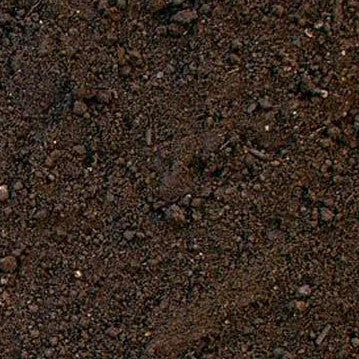
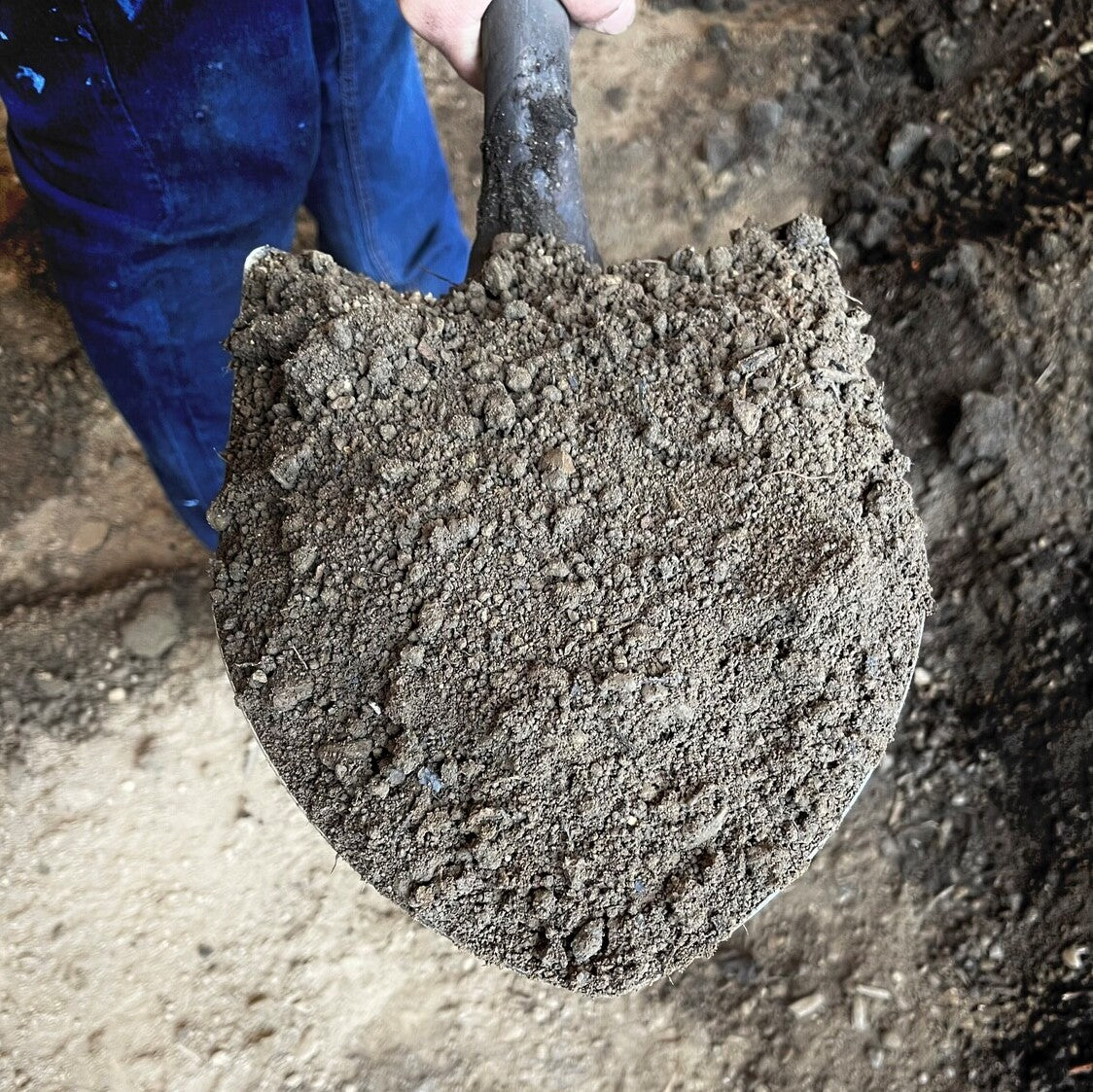
Quality topsoil for lawns, gardens, and landscape projects. Nutrient rich and ready to support strong root development and healthy plant establishment.
The website was intuitive and easy to navigate. The material was delivered the date and time it was scheduled, it was dropped off in the area i had specified on top of my tarp with no issues.
I ordered soil, the Gardening Blend that I received had too many plastic and metal p...
Quality topsoil for lawns, gardens, and landscape projects. Nutrient rich and ready to support strong root development and healthy plant establishment.
The website was intuitive and easy to navigate. The material was delivered the date and time it was scheduled, it was dropped off in the area i had specified on top of my tarp with no issues.
I ordered soil, the Gardening Blend that I received had too many plastic and metal p...
How Much Material Do I Need?
For planting and garden projects in Citrus Springs, adding at least 4 to 6 inches of quality soil over the native sand gives roots a workable growing zone before they reach the fast-draining base below. For lawn topdressing or surface leveling, a uniform layer of one half to one inch spread evenly across the area is the right starting point.
Use our free soil calculator
What is a yard?
A yard is approximately 27 cubic feet. As a general guideline, one yard of material can cover an area of about 100-160 square feet at a 2-3 inch depth.
The website was intuitive and easy to navigate. The material was delivered the date and time it was scheduled, it was dropped off in the area i had...
Read full review
The website was intuitive and easy to navigate. The material was delivered the date and time it was scheduled, it was dropped off in the area i had specified on top of my tarp with no issues.
I ordered soil, the Gardening Blend that I received had too many plastic and metal pieces for my liking thus lowering the score from a perfect 5/5 to a 4/5
To figure out how much bulk soil your Citrus Springs project requires, measure your area in feet and decide on the depth you want to add. Multiply length by width by depth in feet, then divide by 27 to get cubic yards needed. Because Citrus Springs sandy soil drains so aggressively, it is always better to order slightly more than your minimum estimate so you can achieve a depth that will genuinely improve growing conditions rather than disappearing into the sand below.
Complete Your Outdoor Soil Project
Finishing a fresh soil project with a mulch topdressing locks in the moisture that Citrus Springs sandy soil would otherwise lose rapidly between rain events, protecting your investment from the start. Stone edging or borders around freshly graded or filled areas also helps contain the soil and reduces erosion from the heavy summer rainfalls this area receives annually.
How much topsoil do I actually need to improve my sandy Citrus Springs lawn?
For topdressing or leveling a Citrus Springs lawn, spreading one half to one inch of topsoil across the area fills low spots and improves grass rooting without smothering existing turf. For areas where you are starting a lawn from scratch over pure sand, plan on 4 to 6 inches of quality topsoil to give grass roots something meaningful to grow into before they reach the fast-draining sandy base below.
Answer
Can I use bulk soil to build raised vegetable beds in Citrus Springs?
Yes, and raised beds are one of the most effective solutions for Citrus Springs gardeners because they let you build a completely controlled growing environment above the native sand. Filling raised beds with a blend of quality topsoil and compost-enriched garden soil gives vegetables the nutrient-rich, moisture-retentive conditions they need. With the long Zone 9a growing season here, a well-built raised bed can actively produce crops for nine or ten months out of the year.
Answer
Will the topsoil I bring in wash away during Citrus Springs summer storms?
Fresh soil placed on flat open areas can experience some surface movement during the intense thunderstorms that are common in Citrus Springs summers. Finishing your soil work with a mulch topdressing and adding edging or stone borders significantly reduces erosion risk. Planting ground cover, sod, or grass seed shortly after completing a grading project is the most effective long-term way to lock soil in place through the rainy season.
Answer
What is the difference between topsoil and garden soil for projects in Citrus Springs?
Topsoil is best suited for grading work, filling low spots, and building up lawn areas in Citrus Springs because it is typically a heavier, more structural blend. Garden soil contains more organic matter and compost and is better suited for planting beds and raised gardens where you want nutrient-rich growing conditions. Given how deficient the native sandy soil in Citrus Springs is in organic content, a quality garden soil blend does a lot of the heavy lifting that the natural ground cannot do on its own.
Answer
My yard has developed a lot of low spots after the rainy season, what is the best fix?
Low spots in Citrus Springs yards often form because sandy soil compacts and settles unevenly, particularly in areas with foot traffic or where fill was used during original construction. Bulk topsoil is the most practical solution, allowing you to grade the surface back to level before reseeding or laying fresh sod. Scheduling this work in late February or early March, right after the last frost, gives new grass the best chance to establish before the full heat of summer arrives.
Answer
How do I calculate how many yards of soil I need for my project?
Measure the length and width of your project area in feet and decide how deep you want to add soil, then multiply those three numbers together and divide by 27 to convert to cubic yards. For Citrus Springs projects, resist the temptation to go too thin. A shallow layer of added soil mixes quickly into the sandy base and loses most of its benefit, so targeting at least 4 to 6 inches in garden and planting areas produces lasting improvement in growing conditions.
Answer
Does the time of year matter for scheduling a soil delivery in Citrus Springs?
Any month can work for a soil delivery in Citrus Springs since hard freezes are rare in Zone 9a, but the two most practical windows are early spring after the last frost around February 15 and early fall around September or October. A spring delivery lets you build and fill beds just as the main growing season kicks off, while a fall delivery takes advantage of cooler temperatures for establishing new lawns and ornamental plantings before the first frost arrives in late November.
Mulch Mound Pro Tip
When building raised beds in Citrus Springs, consider lining the bottom with a layer of cardboard before adding your soil blend. This biodegradable barrier slows the downward migration of nutrients into the sandy ground below, giving plant roots more time to absorb fertilizers and organic matter before they leach away through the fast-draining native soil. The cardboard breaks down within a single growing season without harming your plants, but the early nutrient retention makes a noticeable difference in first-year productivity.
Mulch Mound Pro Tip
If you are grading or leveling with topsoil in Citrus Springs, finish the surface at a very slight slope running away from any structures or foundations. This area receives over 54 inches of rain per year, and even well-structured soil can become temporarily oversaturated during intense summer storm events. A graded slope of just one to two percent encourages surface water to flow away from buildings and prevents the pooling that can undermine leveling work over time.
Mulch Mound Pro Tip
For Citrus Springs homeowners replanting or establishing new beds after the dry winter season, mixing a slow-release granular fertilizer directly into fresh topsoil or garden soil at installation pays off throughout the growing season. The native sandy soil has almost no nutrient-holding capacity, so new soil additions can lose water-soluble nutrients quickly even with mulch on top. A slow-release product embedded in the soil layer provides steady feeding to roots for months without requiring repeated applications during the long and active Zone 9a growing season.
The Unique Landscape of Citrus Springs
Citrus Springs is built on naturally sandy soil that drains rapidly and holds very little organic matter or nutrients, making quality topsoil and garden soil essential for any planting or grading project in this area. Whether you are leveling a lawn, building a raised bed, or refreshing a planting area, imported soil gives you a workable foundation that the native sand simply cannot provide on its own. The 54 inches of annual rainfall Citrus Springs receives can be both a benefit and a challenge, since good soil structure captures and holds that moisture for plant roots while poor sandy fill lets it pass straight through without benefit. Zone 9a's long growing season, stretching from the last frost around February 15 all the way to late November, means your soil is actively producing plant growth for most of the year and needs to be nutrient-rich and well-structured from the start. Investing in quality bulk soil at the beginning of a project saves significant time and expense compared to restarting failed plantings in nutrient-poor sandy ground.