




Good quality top soil and was delivered exactly where I wanted it. Nice Job!
About this soil
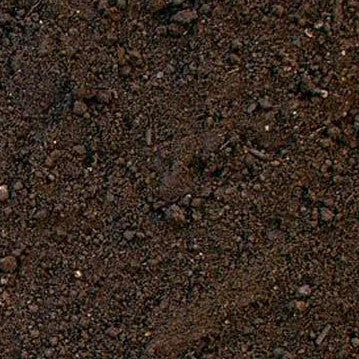
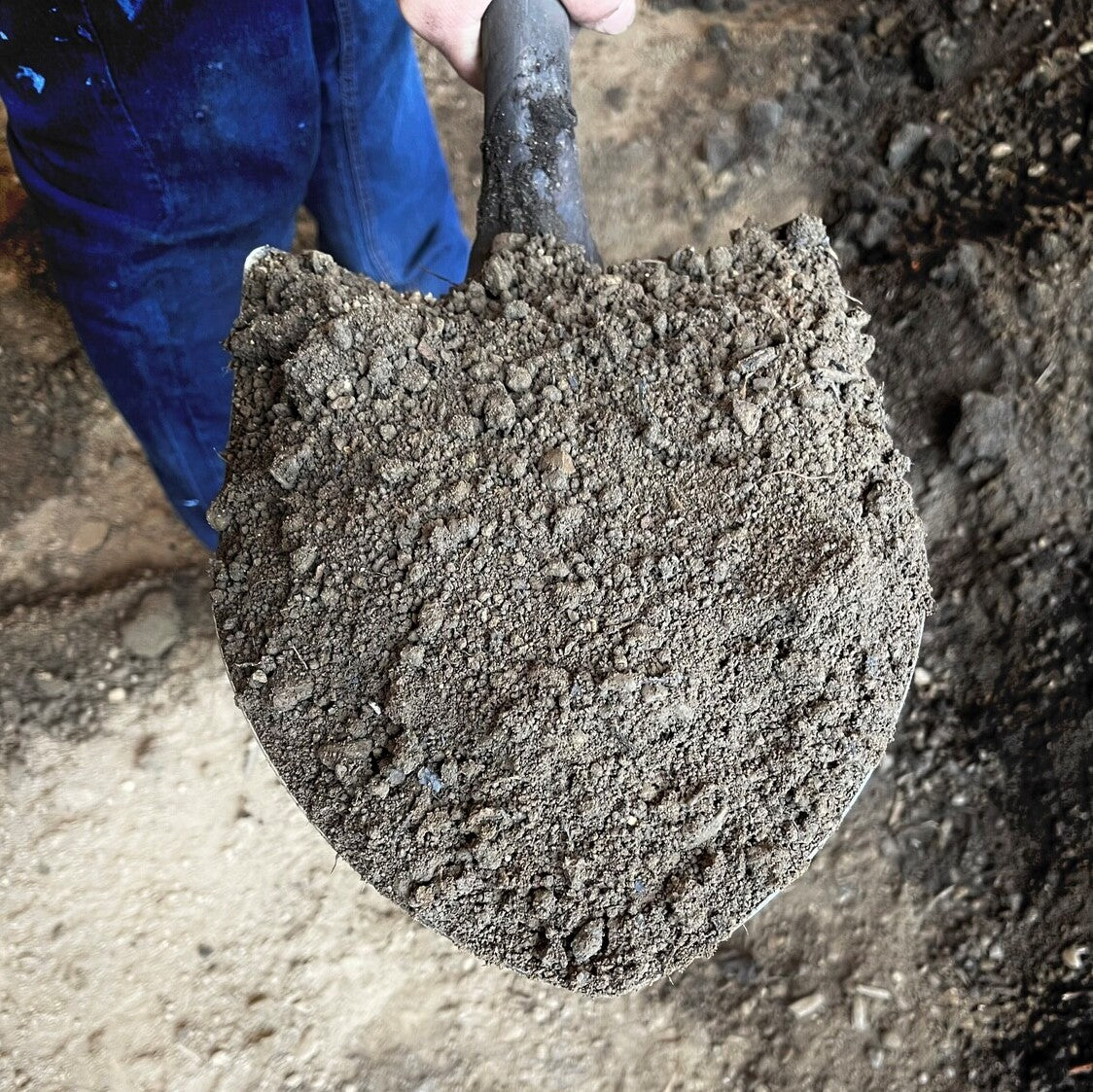
Quality topsoil for lawns, gardens, and landscape projects. Nutrient rich and ready to support strong root development and healthy plant establishment.
Good quality top soil and was delivered exactly where I wanted it. Nice Job!
Tell us what you're looking for
Thanks! We received your request.
Something went wrong. Please try again.
How Much Material Do I Need?
How Much Material Do I Need?
For improving existing sandy beds in Coconut Creek, a 4 to 6 inch layer of amended garden soil tilled into the top of the ground makes a meaningful difference in moisture and nutrient retention. Raised beds and new garden installations require more volume, with 12 inches of quality mix being the practical minimum for Zone 10b growing conditions.
Use our free soil calculator
What is a yard?
What is a yard?
FAQs
FAQs
Coconut Creek Soil Delivery
Coconut Creek Soil Delivery
Regular price
$64.00
per
yard
Regular price
Sale price
$64.00
Unit price
per
Shipping calculated at checkout.
Minimum of 3 yard
Couldn't load pickup availability
Not currently available
We can't take orders for this right now. Tell us what you need and we'll get back to you.
Hand-picked local yards
4,000+ regional deliveries
Dedicated support
Why order through Mulch Mound
The best local soil, without the guesswork.
We hand-pick and partner with the best yards in your region, keep only the ones our buyers rate well, and back each load with our guarantee.
Mulch Mound Guarantee
If your soil isn't the quantity or quality you ordered, we'll make it right.
About this soil
Quality topsoil for lawns, gardens, and landscape projects. Nutrient rich and ready to support strong root development and healthy plant establishment.
Good quality top soil and was delivered exactly where I wanted it. Nice Job!
How Much Material Do I Need?
How Much Material Do I Need?
For improving existing sandy beds in Coconut Creek, a 4 to 6 inch layer of amended garden soil tilled into the top of the ground makes a meaningful difference in moisture and nutrient retention. Raised beds and new garden installations require more volume, with 12 inches of quality mix being the practical minimum for Zone 10b growing conditions.
Use our free soil calculator
What is a yard?
What is a yard?
FAQs
FAQs
Tell us what you're looking for
Thanks! We received your request.
Something went wrong. Please try again.
How It Works
Getting started is easy — just follow these simple steps
1
Choose your soil
Make sure you adjust the quantity to your home's needs. You can use our calculator to estimate how much you'll need.
2
Select your delivery date
Select a delivery date you'd like for the product to be dropped off at your home
3
Sit back and wait
Sit back, wait, and let us work our magic to make sure the highest quality product is delivered to your driveway.

Online ordering was really simple and I liked the transparent pricing.

Easy to order, great service, and great product. We enjoy the final look of a very neglected beds we inherited!
Need Help Calculating How Much Soil You Need?
Use our NEW Trace from Satellite tool to get an estimate for your project based on an aerial view of your property
Try Our CalculatorTo calculate how much soil you need for a Coconut Creek project, measure the length and width of the area in feet and decide on your target depth, keeping in mind that sandy native soil means you often need a deeper layer to build meaningful organic content. For raised beds in Zone 10b, a minimum of 12 inches of amended soil gives roots enough material to establish before hitting the native sandy substrate. Use our calculator to convert your square footage and depth into cubic yards for easy ordering.
Soil Types We Deliver in Coconut Creek
Coconut Creek's sandy, fast-draining native ground often needs an amendment before lawns and gardens can truly thrive. We make it easy to order bulk topsoil by the yard in Coconut Creek, delivered straight to your driveway or job site in whatever quantity you need. Whether you are establishing a new lawn, raising a garden bed, or grading around a home, the right soil delivered by the cubic yard sets every project up for success.
Screened Top Soil
A clean, nutrient-rich topsoil that has been screened to remove rocks, roots, and large debris, giving you a smooth, workable base. It blends well with Coconut Creek's sandy native ground and supports strong root development for sod, garden beds, and ornamental plantings common across South Florida yards.
Complete Your Outdoor Soil Project
Topping improved soil beds with a layer of mulch keeps Coconut Creek's sandy ground from drying out between rains and locks in the nutrients you have worked into the mix. Incorporating stone borders or edging around your soil beds also helps prevent the enriched material from washing away during the heavy rains of the wet season.


Mulch Mound Pro Tip
When amending soil in Coconut Creek, do not just layer new material on top of the existing sandy ground and expect it to stay in place. Use a tiller or garden fork to blend the new soil 4 to 6 inches deep into the native layer so the two materials integrate. This blended transition zone keeps roots from hitting a hard moisture boundary between the amended surface and the dry sandy substrate below, which is a very common cause of shallow rooting in South Florida landscapes.
Mulch Mound Pro Tip
Coconut Creek's wet season runs roughly from June through September, and during that window garden beds can stay saturated for days at a time. When building new beds or refreshing existing ones before summer, incorporate perlite or coarse sand into your garden mix to improve drainage even further. This extra drainage capacity protects roots from rot during extended wet periods while still allowing the organic components of your mix to hold nutrients effectively during the drier stretches.
Mulch Mound Pro Tip
Zone 10b in Coconut Creek supports a true two-season vegetable garden, with warm-season crops from March through May and cool-season crops from October through January. Refresh soil nutrients between these two growing windows by working a thin layer of compost or fresh garden mix into the top few inches of your beds. This seasonal soil refresh is more effective in sandy ground than slow-release amendments alone because it directly replaces the organic matter that breaks down and leaches out during each growing cycle.
The Unique Landscape of Coconut Creek
Coconut Creek's native sandy soil is well-draining to a fault, releasing moisture and nutrients so quickly that many plants struggle to establish without significant amendment. The city's 57 inches of annual rainfall can give the impression that water is never in short supply, but sandy ground often drains that water away before roots have a chance to absorb it. Raising organic matter content in the soil is one of the most impactful upgrades a Coconut Creek homeowner can make, and fresh bulk topsoil or garden soil is the most direct way to accomplish that. Grade work and lawn leveling projects also benefit from quality fill soil because the native material is so loose that it settles unevenly and creates drainage problems over time. Whether you are building raised beds, refreshing lawn patches, or establishing new garden areas, bringing in the right soil sets every project up for long-term success in Zone 10b's demanding growing conditions.