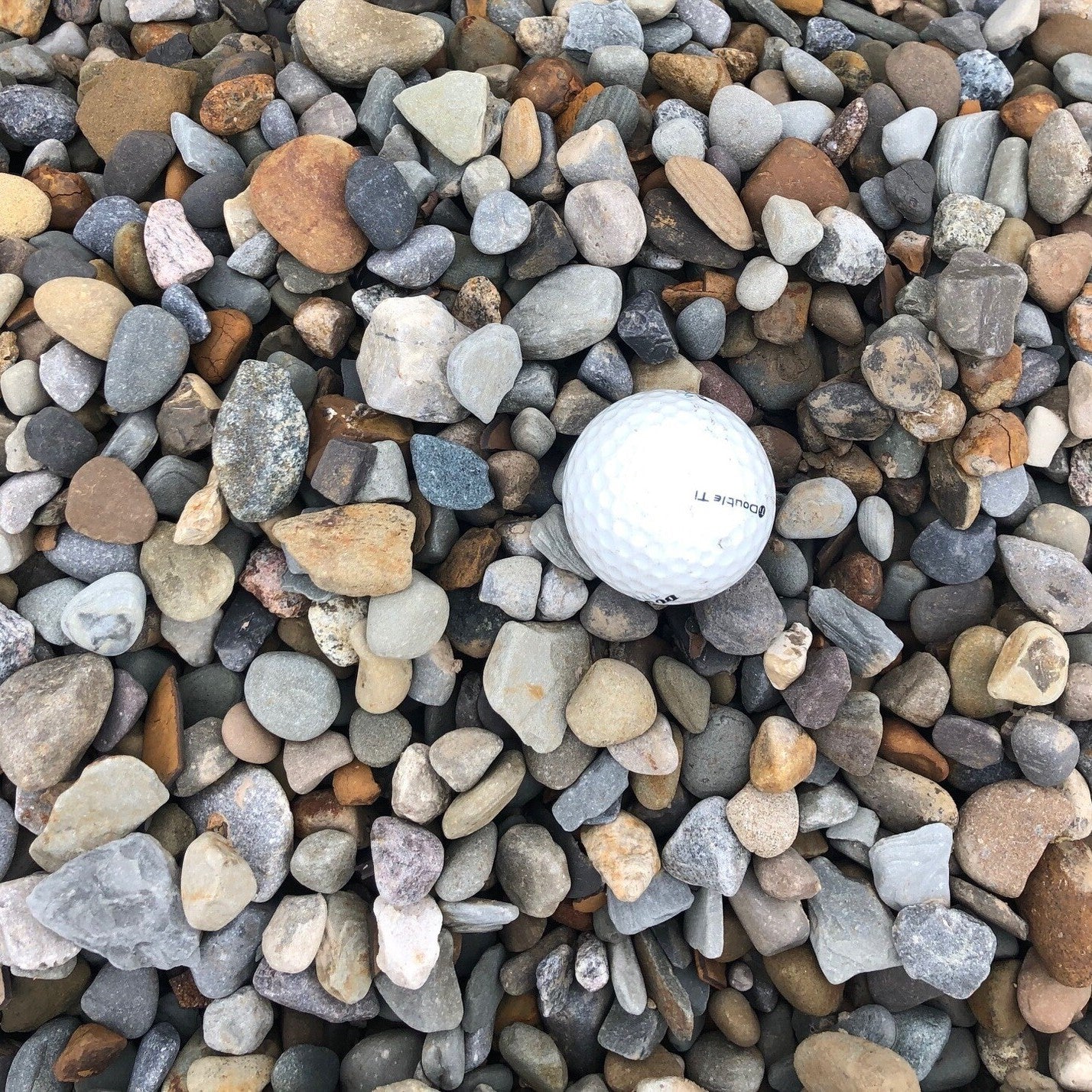
Number 57 crushed stone, angular limestone graded to about three quarters of an inch. The standard driveway, base and drainage gravel, it locks together under traffic and drains fast.
My experience with Mulch Mound was great and super easy. I ordered two yards of screened topsoil and was able to get it delivered within 2 days. They came in my requested time frame (afternoon) and dropped it off where I asked on my driveway. The topsoil was exactly what was a...
Tell us what you're looking for
Thanks! We received your request.
Something went wrong. Please try again.
How Much Material Do I Need?
For most decorative and drainage applications in Coconut Creek, a 2 to 3 inch layer of stone provides adequate coverage and visual impact. Slope erosion control and high-traffic areas benefit from a 3 to 4 inch layer to maintain stability through the heavy rains and foot traffic of the wet season.
Use our free gravel calculator
What is a yard?
A yard is approximately 27 cubic feet. As a general guideline, one yard of material can cover an area of about 100-160 square feet at a 2-3 inch depth.
We can't take orders for this right now. Tell us what you need and we'll get back to you.
What do you need?
Thanks! We received your request.
Something went wrong. Please try again.
Hand-picked local yards
4,000+ regional deliveries
Dedicated support
Why order through Mulch Mound
The best local stone, without the guesswork.
We hand-pick and partner with the best yards in your region, keep only the ones our buyers rate well, and back each load with our guarantee.
Mulch Mound Guarantee
If your stone isn't the quantity or quality you ordered, we'll make it right.
About this stone
Number 57 crushed stone, angular limestone graded to about three quarters of an inch. The standard driveway, base and drainage gravel, it locks together under traffic and drains fast.
My experience with Mulch Mound was great and super easy. I ordered two yards of screened topsoil and was able to get it delivered within 2 days. They came in my requested time frame (afternoon) and dropped it off where I asked on my driveway. The topsoil was exactly what was a...
How Much Material Do I Need?
For most decorative and drainage applications in Coconut Creek, a 2 to 3 inch layer of stone provides adequate coverage and visual impact. Slope erosion control and high-traffic areas benefit from a 3 to 4 inch layer to maintain stability through the heavy rains and foot traffic of the wet season.
Use our free gravel calculator
What is a yard?
A yard is approximately 27 cubic feet. As a general guideline, one yard of material can cover an area of about 100-160 square feet at a 2-3 inch depth.
My experience with Mulch Mound was great and super easy. I ordered two yards of screened topsoil and was able to get it delivered within 2 days. Th...
Read full review
My experience with Mulch Mound was great and super easy. I ordered two yards of screened topsoil and was able to get it delivered within 2 days. They came in my requested time frame (afternoon) and dropped it off where I asked on my driveway. The topsoil was exactly what was advertised, clean with no rocks or other debris. The price was reasonable. I plan to use them again in a couple weeks to order compost for my garden beds.
To estimate stone for your Coconut Creek project, measure the square footage of the area and choose your target depth, typically 2 to 3 inches for decorative beds and 3 to 4 inches for pathways and erosion control. Coconut Creek's sandy soil can allow stone to settle slightly over the first season, so ordering a small extra amount to top off the following year is a practical approach. Our calculator converts your measurements directly into cubic yards for easy ordering.
Stone Types We Deliver in Coconut Creek
Homeowners and landscapers searching for bulk gravel by the yard in Coconut Creek will find our delivery service a straightforward, reliable option. We supply stone measured by the cubic yard, ready to spread across driveways, garden beds, pathways, and drainage areas. Ordering in bulk saves time and cost while ensuring you have the right amount for any outdoor project.
Pea Gravel
Pea gravel is a popular choice across South Florida yards, where its smooth, rounded profile works well beneath the warm sun and on sandy soils. It lays easily along pathways and patios, drains efficiently through Florida's frequent rain, and adds natural earth tones to understated landscape designs popular in this part of the state.
Complete Your Outdoor Stone Project
Pairing stone borders with mulched interior beds gives Coconut Creek landscapes a clean, polished look while addressing both drainage and moisture retention in the same design. Adding quality soil to adjacent planting beds ensures that the plants framed by your stonework have the nutrient-rich base they need to thrive in Zone 10b's demanding conditions.
In Coconut Creek, the sandy soil beneath stone installations tends to shift and settle over time, especially in areas that receive heavy rain or foot traffic. Always install a permeable landscape fabric layer between the native soil and your stone to stabilize the material and extend the life of the installation. This simple step prevents the stone from mixing with the sandy soil below, which would require a full reinstall within a few years to restore a clean and level appearance.
Mulch Mound Pro Tip
Coconut Creek's warm temperatures support vigorous weed growth in virtually every month of the year, and stone beds without proper prep can become difficult to maintain. Before spreading stone, remove all existing vegetation and treat the area with a pre-emergent herbicide appropriate for the plants growing nearby. Combined with landscape fabric, this prep work keeps maintenance minimal and lets the stone serve its decorative or drainage purpose without becoming a weed management headache.
Mulch Mound Pro Tip
Stone used for drainage channels and foundation borders in Coconut Creek does its best work when the surrounding grade is set correctly before installation. With the city's flat elevation of just 17 feet and heavy seasonal rainfall, even minor grading errors can cause water to pool rather than drain away from structures. Take the time to establish a clean slope before laying stone, because the stone itself channels water but cannot correct a grade that directs it in the wrong direction.
The Unique Landscape of Coconut Creek
Coconut Creek's combination of heavy annual rainfall and sandy soil makes stone one of the most practical landscape materials available to local homeowners. While organic materials like mulch break down quickly in Zone 10b's heat and humidity, stone remains stable through wet seasons, dry spells, and the occasional cold snap near the December frost window. The city's 57 inches of annual rainfall creates real drainage challenges, and strategically placed stone helps direct runoff away from foundations and low spots that collect water. Stone pathways and borders also reduce the amount of bare sandy ground that erodes or tracks into the home during frequent heavy rains. For homeowners looking for a low-maintenance alternative to mulch in areas with difficult growing conditions, stone delivers lasting visual appeal without the seasonal upkeep that organic materials require in this climate.
Frequently Asked Questions
Click a question to see the answer
Answer
What type of stone works best for a pathway that holds up to Coconut Creek's rainy season?
Pea gravel and crushed stone both drain extremely well, making them excellent choices for pathways in Coconut Creek where standing water is a concern during the June through September rainy season. Larger stepping stones set in a gravel base give a more formal look and stay stable even after heavy rainfall. The key is using a permeable base material beneath your stone layer so water moves through rather than pooling on the surface.
Answer
Can I use decorative stone around my foundation to help with drainage in Coconut Creek?
Yes, stone borders around a home's foundation are one of the most effective drainage tools available in Coconut Creek, where 57 inches of rain per year means runoff management is a constant concern. A 12 to 18 inch band of washed river rock or crushed stone around the perimeter helps direct water away from the foundation and prevents soil erosion in those narrow border zones. Pairing the stone with a slight grade sloping away from the house maximizes the drainage benefit.
Answer
Will stone get too hot to walk on barefoot during Coconut Creek summers?
Dark-colored stone can reach high surface temperatures under direct South Florida sun, particularly from May through September when heat intensity is at its peak. Light-colored options like white marble chips or tan pea gravel reflect more sunlight and stay noticeably cooler underfoot. For pool decks and barefoot areas, lighter stone combined with nearby shade-casting plants is the most comfortable approach in Coconut Creek's climate.
Answer
Is stone a good alternative to mulch in areas where mulch keeps washing away in my yard?
Stone is an excellent solution for areas in Coconut Creek where mulch repeatedly washes out during heavy rains, which is a common frustration for homeowners near sloped beds or open drainageways. Unlike mulch, stone does not shift significantly with water flow and does not break down over time in the heat and humidity. A layer of landscape fabric beneath the stone prevents weed growth and keeps the material from sinking into the sandy soil over time.
Answer
How deep should I install stone for a driveway border or landscape bed in Coconut Creek?
For decorative beds and borders in Coconut Creek, a 2 to 3 inch layer of stone over landscape fabric provides good weed suppression and visual coverage. Sandy soil is soft enough that stone can slowly sink without a fabric barrier, so that layer is important for long-term stability. Driveway borders with heavier foot or wheel traffic benefit from a slightly deeper 3 to 4 inch layer to maintain a clean and level appearance.
Answer
What stone size is best for controlling erosion on a sloped area in my Coconut Creek yard?
For erosion control on sloped areas in Coconut Creek, larger angular stone like 1.5 to 3 inch crushed granite or river rock locks together and resists displacement during the heavy rainfall events of the wet season. Smaller round pea gravel tends to roll and scatter on slopes, making it better suited to flat decorative applications. Installing larger stone with a layer of smaller material beneath creates a stable structure that handles both the volume and velocity of Coconut Creek's summer storms.
Answer
Does landscape stone require any maintenance in South Florida's climate?
Stone is one of the lowest-maintenance landscape materials available in Coconut Creek, but it does require occasional attention in Zone 10b's growing conditions. Weeds can establish in the organic debris that collects between stones over time, so a periodic rinse or light raking keeps beds looking clean. Algae and mildew can also develop on shaded stone surfaces in the humid climate, and a rinse with a diluted outdoor cleaner once or twice a year keeps the material looking fresh.
Answer
Is crush and run the same as crusher run?
Same product, different name. Crush and run refers to crushed stone blended with stone dust that compacts into a solid base, often used under pavers or driveways. With Coconut Creek's sandy soil and heavy seasonal rainfall, our Crushed Stone #57 is the better choice, since it drains freely instead of trapping water against foundations.
Answer
Is there a stone yard near Coconut Creek?
Edging a garden bed to handle Coconut Creek's heavy rainfall is a common reason to need crushed stone, and Mulch Mound delivers it by the cubic yard right to your driveway. There is no stone yard to visit and no need to track down a quarry, since you order online and we drop it where you want it.